
Americas Democratic System Not as Robust as it Seems
Americas democratic system is not as robust as it seems – America’s democratic system is not as robust as it seems. Beneath the surface of this powerful nation lies a complex web of issues that challenge the very foundation of its democratic ideals. From voter suppression tactics subtly eroding participation to the overwhelming influence of money in politics, the cracks in the system are becoming increasingly difficult to ignore. This isn’t about partisan politics; it’s about examining the mechanisms that determine who gets a voice and how effectively that voice is heard.
We’ll delve into the multifaceted challenges facing American democracy, exploring voter suppression, the role of big money, gerrymandering, the spread of misinformation, and the ever-widening chasm of political polarization. By understanding these issues, we can better engage in the crucial conversation about how to strengthen and safeguard our democratic processes for future generations.
Gerrymandering and Electoral Districting: Americas Democratic System Is Not As Robust As It Seems

Gerrymandering, the manipulation of electoral district boundaries to favor a particular party or group, is a persistent challenge to the fairness and representativeness of American democracy. Its history is long and its impact profound, shaping election outcomes and influencing the balance of power at all levels of government. Understanding its evolution and the various strategies employed to combat it is crucial to fostering a more equitable political landscape.Gerrymandering’s Historical Context and EvolutionThe practice of gerrymandering dates back to the early 19th century, taking its name from Massachusetts Governor Elbridge Gerry, whose oddly shaped districts in 1812 resembled a salamander.
Early gerrymandering was largely a manual process, relying on the subjective judgment of state legislatures. However, with the advent of computers and sophisticated geographic information systems (GIS), the practice has become far more precise and effective. Modern gerrymandering employs advanced algorithms to identify and maximize the influence of partisan voters, creating districts that are highly compact for one party while stretching out those of the opposing party.
America’s democratic system, often lauded as a beacon of freedom, is showing cracks under pressure. The constant political gridlock highlights this fragility; the fact that yet another crucial funding bill failed, as reported in this article another funding bill fails , underscores the deep divisions hindering effective governance. This inability to compromise effectively reveals a system less robust than its image suggests, leaving vital services and the nation’s future hanging in the balance.
This has led to increasingly polarized politics, as representatives are elected from districts designed to secure their party’s victory, reducing the need to appeal to a broader electorate.
Examples of Gerrymandered Districts and Their Effects
North Carolina’s 12th Congressional District, famously deemed a “dragon” due to its convoluted shape, is a prime example of partisan gerrymandering. Drawn to favor Republican candidates, this district dramatically reduced the competitive nature of elections, consistently electing Republicans despite shifts in statewide voting patterns. Similarly, Maryland’s 6th Congressional District, a heavily Democratic area, was redrawn to be more compact and less favorable to the Republican party.
America’s democratic system, often lauded globally, has cracks beneath the surface. Understanding the complexities of its history requires looking beyond the headlines, which is why I found revisiting the work of Donald Harris, father of Kamala , so insightful. His life story highlights systemic inequalities that continue to challenge the ideal of equal opportunity, reminding us that our democracy’s strength is constantly tested.
These manipulations demonstrate how gerrymandering can create districts that disproportionately favor one party, regardless of the overall distribution of voter preferences within a state. The effect is a distortion of political power, where a minority of voters can control a majority of seats.
Methods to Combat Gerrymandering
Several methods are used to combat gerrymandering. Independent redistricting commissions, comprised of individuals from various political affiliations or non-partisan experts, aim to remove the partisan bias from the process. Court challenges, based on arguments that gerrymandering violates the Equal Protection Clause of the Fourteenth Amendment, have also been employed. However, the Supreme Court’s decisions on this matter have been inconsistent, making legal challenges unpredictable.
America’s democratic system, often touted as a global standard, has some serious cracks. The recent political maneuvering, as highlighted by Governor Tim Walz’s energetic speech at the DNC – check out the coverage tim walz fires up the dnc – only underscores the underlying fragility. It’s a reminder that the fight to protect and strengthen our democracy is far from over, and the system’s robustness is constantly being tested.
Another approach is the use of algorithmic redistricting software designed to create more compact and competitive districts, promoting fairness and balance.
Visual Representation of Different Districting Maps
Imagine two maps of the same state. Map A, drawn fairly, shows a relatively even distribution of red and blue districts, reflecting a near 50/50 split in voter preferences. Map B, a gerrymandered map, shows a disproportionate number of red districts, even though the overall voter preferences remain approximately the same. Map A might show five red and five blue districts, while Map B shows eight red and two blue districts, despite the same total number of voters favoring each party.
This illustrates how seemingly subtle changes in district boundaries can significantly alter electoral outcomes, granting disproportionate power to one party over another. This disparity can be further amplified when considering the impact on down-ballot races and the overall political climate. The seemingly small changes in lines on a map can have massive consequences for political representation and the fairness of elections.
Political Polarization and Gridlock
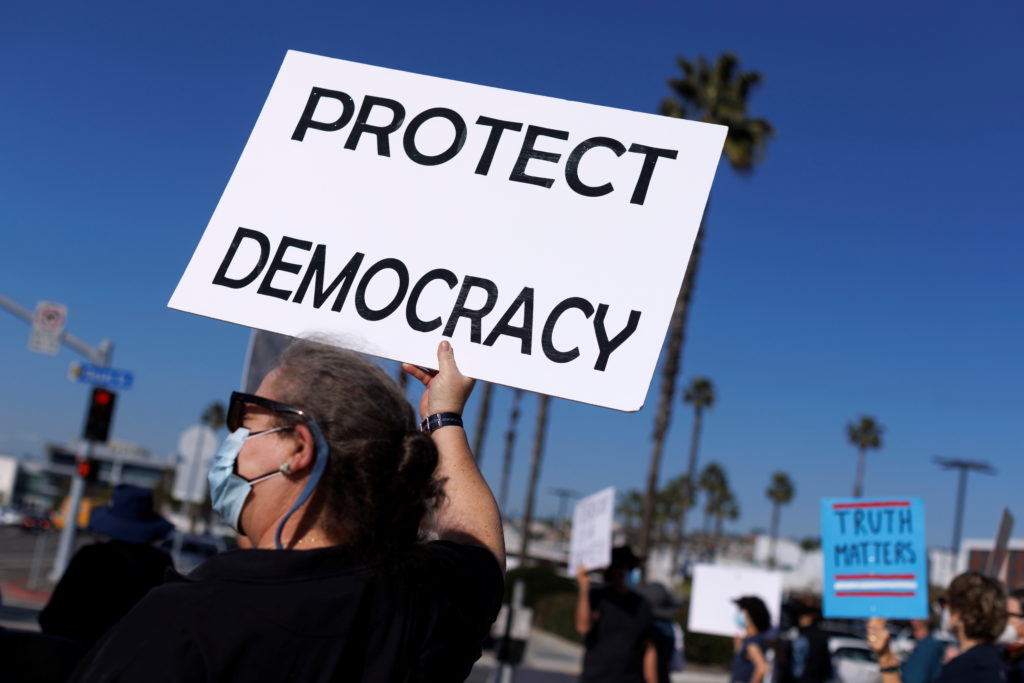
The American political system, once lauded for its ability to compromise and find common ground, now grapples with a level of polarization unseen in decades. This deep partisan divide significantly impacts governance, hindering effective policymaking and eroding public trust. The factors driving this trend are complex and multifaceted, demanding a thorough examination.Increasing political polarization in the US stems from a confluence of factors.
The rise of partisan media, which often prioritizes ideological reinforcement over objective reporting, contributes significantly to the echo chamber effect, where individuals are primarily exposed to information confirming their pre-existing beliefs. This limits exposure to diverse perspectives and fuels animosity towards opposing viewpoints. Furthermore, gerrymandering, as previously discussed, exacerbates polarization by creating safe seats for incumbents, reducing the incentive for politicians to appeal to a broader electorate.
The increasing influence of money in politics, particularly through super PACs and dark money, allows wealthy donors to disproportionately influence campaigns and policy decisions, further entrenching partisan divides. Finally, the increasing ideological homogeneity within each party, with less room for moderate voices, contributes to the hardening of political positions.
Factors Contributing to Increasing Political Polarization
Several key factors contribute to the escalating polarization witnessed in the United States. The proliferation of partisan media outlets and social media algorithms that reinforce existing biases creates echo chambers, limiting exposure to diverse viewpoints. This results in increased tribalism and a decreased willingness to engage in constructive dialogue with those holding opposing views. Furthermore, the increasing influence of money in politics allows special interest groups and wealthy donors to exert significant sway over the political process, often exacerbating existing divisions.
Finally, the lack of meaningful bipartisan cooperation in Congress and the increasing ideological homogeneity within each party further contribute to gridlock and political stalemate.
Comparison of US Polarization with Other Developed Democracies
While political polarization is a global phenomenon, the degree and nature of polarization in the US stand out. Compared to other developed democracies like Canada, Australia, or even the UK, the US exhibits significantly higher levels of partisan animosity and ideological division. While these countries experience partisan disagreements, the level of personal attacks, demonization of opponents, and outright refusal to compromise are generally less intense than in the US.
This difference can be partly attributed to the US’s unique two-party system, winner-take-all electoral system, and the influence of money in politics. However, similarities exist; the rise of populist movements and social media’s role in disseminating misinformation are common challenges across many developed democracies.
Instances of Political Gridlock and Their Impact, Americas democratic system is not as robust as it seems
Numerous instances of political gridlock illustrate the consequences of extreme polarization. The repeated government shutdowns in recent years, often stemming from disagreements over budget appropriations, exemplify the inability of the two parties to find common ground. The failure to pass comprehensive gun control legislation despite repeated mass shootings highlights the deep partisan divide on this issue. Similarly, the ongoing debates surrounding healthcare reform, climate change, and immigration demonstrate the significant challenges posed by political polarization to legislative productivity and the implementation of effective public policy.
These gridlocks often result in delayed or ineffective responses to critical societal issues, eroding public trust in government.
Timeline of Political Polarization in the US
A timeline illustrating the evolution of political polarization in the US would highlight several key turning points. The rise of the conservative movement in the 1960s and 70s, fueled by opposition to the Civil Rights movement and the Vietnam War, marked a significant shift. The emergence of talk radio and cable news in the 1980s and 90s further contributed to the polarization by creating distinct media ecosystems catering to specific ideological audiences.
The 2000 presidential election and its aftermath, characterized by intense partisan disputes, intensified this trend. The rise of social media in the 2010s and its role in spreading misinformation and reinforcing partisan biases have further exacerbated the problem. The events surrounding the January 6th, 2021 attack on the US Capitol building represent a stark culmination of the growing political polarization and its potential consequences.
Access to Justice and Equality
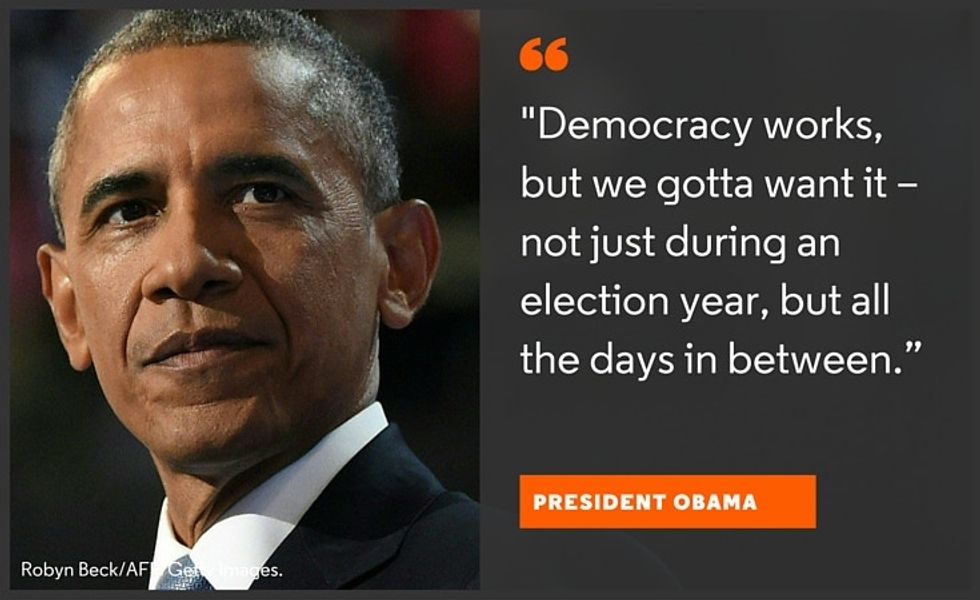
The American ideal of equal justice under the law faces a stark reality: significant disparities in access to justice exist, profoundly impacting the lives of millions. This inequality isn’t merely a matter of individual misfortune; it’s a systemic problem woven into the fabric of our legal system, shaped by socioeconomic factors and historical injustices. Understanding these disparities is crucial to building a more just and equitable society.The disparities in access to justice are most acutely felt along socioeconomic lines.
Individuals from low-income backgrounds often lack the financial resources to afford legal representation, leaving them vulnerable in civil and criminal cases. This lack of representation can lead to unfair outcomes, regardless of guilt or innocence. For example, a low-income defendant facing felony charges might be forced to rely on a overworked public defender, potentially leading to less thorough investigation and weaker defense compared to a wealthier defendant who can afford a private attorney.
Similarly, in civil cases, individuals facing eviction, wage theft, or medical debt might be unable to pursue legal recourse due to the high cost of legal services.
Socioeconomic Disparities and Legal Representation
The financial burden of legal representation is a significant barrier. Legal fees, including attorney fees, court costs, and filing fees, can quickly accumulate, creating an insurmountable obstacle for many. This creates a two-tiered system where wealth dictates access to effective legal counsel. Studies have shown a direct correlation between income level and the likelihood of receiving adequate legal representation.
Those with higher incomes are more likely to have access to skilled lawyers who can navigate complex legal procedures and effectively advocate for their interests. Conversely, low-income individuals often find themselves navigating the legal system alone, without the knowledge or resources to effectively represent themselves. This imbalance in resources directly affects the outcome of legal proceedings, resulting in disproportionately negative consequences for low-income individuals.
Systemic Inequalities Affecting the Application of Laws
Systemic inequalities manifest in various ways within the justice system. Bail practices, for instance, disproportionately affect low-income individuals who may be unable to afford bail, leading to pretrial detention and potentially harsher sentencing. Similarly, sentencing disparities exist across racial and ethnic groups, reflecting biases embedded within the system. These biases can manifest in prosecutorial decisions, jury selection, and judicial sentencing.
The unequal application of laws is not simply a matter of individual prejudice; it’s a consequence of systemic factors such as implicit bias, historical discriminatory practices, and a lack of diversity within the legal profession. For example, studies have documented racial bias in sentencing, with minority defendants receiving longer sentences than white defendants for similar crimes.
Comparison with Other Judicial Systems
Compared to other developed nations, the US system shows notable differences in access to justice. Many European countries, for example, provide publicly funded legal aid systems that are more comprehensive and accessible than those in the US. These systems often guarantee the right to legal representation, regardless of income. Additionally, some countries have implemented alternative dispute resolution mechanisms, such as mediation and arbitration, to make legal processes more efficient and affordable.
While the US system has made strides in improving access to justice, significant gaps remain compared to systems that prioritize universal access to legal representation and affordable dispute resolution. The focus on individual responsibility within the US system often overlooks the systemic barriers that prevent equal access to justice.
Proposed Policy: Expanding Access to Legal Aid and Pro Bono Services
To address the inequalities in access to justice, a comprehensive policy approach is necessary. One key element would be a significant expansion of publicly funded legal aid programs. This would involve increased funding for existing programs and the creation of new programs targeted at underserved populations. Furthermore, the policy should incentivize and support pro bono legal services provided by private attorneys.
This could include tax incentives, streamlined pro bono referral systems, and recognition programs that celebrate lawyers’ contributions to pro bono work. This dual approach—expanding public legal aid and leveraging pro bono services—would create a more robust and equitable system of legal representation for all, regardless of their socioeconomic status. This policy would aim to reduce the financial barrier to legal representation, ensuring everyone has access to effective legal counsel, and promoting a fairer and more just legal system for all Americans.
The health of a democracy isn’t measured solely by elections, but by the equal access and fair representation it provides to all its citizens. While America’s democratic system boasts a long and storied history, the challenges we’ve explored – from voter suppression to political gridlock – highlight a critical need for reform and ongoing vigilance. The fight to ensure a truly robust democracy is a continuous process, demanding active participation and a commitment to upholding the principles upon which this nation was founded.
Let’s continue the conversation and work towards a more inclusive and representative future.