The Great Barrier Reef is Seeing Unprecedented Coral Bleaching
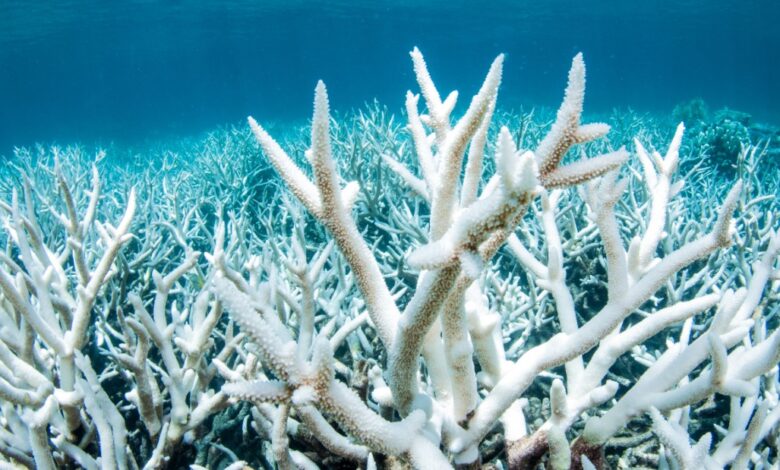
The Great Barrier Reef is seeing unprecedented coral bleaching, and it’s heartbreaking. This vibrant underwater world, a treasure trove of biodiversity, is facing its biggest challenge yet. Rising ocean temperatures, fueled by climate change, are causing widespread coral death, threatening countless marine species and the livelihoods of those who depend on the reef. This isn’t just an environmental crisis; it’s a human crisis too.
We’ll delve into the extent of the damage, the underlying causes, and what we can do to try and save this incredible ecosystem before it’s too late.
The scale of this bleaching event is truly alarming. Scientists are reporting significantly higher percentages of bleached coral compared to previous events, with some areas showing almost total devastation. This isn’t just affecting a few isolated patches; it’s impacting vast stretches of the reef, threatening the delicate balance of the entire ecosystem. The implications for marine life, local communities, and the global economy are profound and far-reaching.
The Extent of Bleaching
The Great Barrier Reef is facing another devastating coral bleaching event, impacting vast swathes of this iconic ecosystem. Understanding the extent of this bleaching is crucial for implementing effective conservation strategies and predicting the long-term health of the reef. This analysis examines the geographic spread, severity, and species affected, comparing the current situation to previous bleaching events.The current bleaching event, which began in late 2023, is geographically widespread, affecting significant portions of the reef’s 2,300 kilometer length.
While data is still being collected and analyzed, preliminary reports indicate a substantial impact across multiple regions. This contrasts with some previous events which were more localized. For instance, the 2016 bleaching event, while severe, was concentrated in the northern section of the reef. The current event, however, shows signs of affecting both the northern and central regions, and to a lesser extent, the southern regions.
Geographic Scope and Severity Comparison
Comparing the current event to past events highlights its severity. The 2016 and 2017 bleaching events caused widespread damage, resulting in significant coral mortality. While the full extent of the current bleaching is still being assessed, early indications suggest it could be comparable to, or even exceed, the severity of these previous events. The prolonged period of high ocean temperatures throughout 2023 is a significant contributing factor.
This prolonged exposure to heat stress is causing more extensive damage than shorter, more intense heat waves. Satellite imagery and aerial surveys are providing valuable data on the extent of the bleaching, although ground-truthing through diver surveys is necessary for precise assessments of coral health and species affected.
The Great Barrier Reef is facing a devastating crisis; unprecedented coral bleaching is threatening its very existence. It’s a stark reminder of how easily we can lose natural wonders, much like the political climate seems deliberately inflamed, as evidenced by the controversy surrounding katie pavlich says tlaib and omar purposely timed israel trip to cause controversy.
The reef’s future, like so many other things, feels uncertain in the face of such blatant disregard for consequences.
Percentage of Coral Affected and Species, The great barrier reef is seeing unprecedented coral bleaching
Determining the precise percentage of coral affected across different reef sections requires ongoing monitoring. Initial reports suggest significant bleaching across various regions, with some areas experiencing higher percentages than others. The percentage of bleaching varies considerably depending on factors such as depth, water flow, and species-specific resilience. Shallow reefs, generally more exposed to high temperatures, tend to show higher bleaching rates.
The Great Barrier Reef is facing a devastating crisis, with unprecedented coral bleaching events threatening its very existence. It’s a stark reminder of how fragile our ecosystems are, and how easily they can be impacted by climate change. This feels strangely parallel to the news that nike and adidas are losing their lead in running shoes , a shift in the market that shows how quickly established dominance can crumble.
Just as the reef needs urgent intervention, so too do we need to address the larger issues driving environmental collapse before it’s too late.
Similarly, some coral species are more susceptible to bleaching than others. For example, branching corals are often more vulnerable than massive corals.
The Great Barrier Reef’s unprecedented coral bleaching is heartbreaking; the scale of the damage is truly alarming. This environmental crisis highlights the urgent need for global action on climate change, and I wonder if China reaching peak emissions, as discussed in this insightful article has china reached peak emissions , will significantly impact the trajectory of global warming and ultimately, the reef’s survival.
Ultimately, the fate of the reef depends on collective, immediate efforts to reduce emissions.
| Region | Percentage Bleached (Estimate) | Species Affected | Severity Level |
|---|---|---|---|
| Northern Section | 60-70% | Acropora, Pocillopora, Montipora | Severe |
| Central Section | 40-50% | Acropora, Porites, Favites | Moderate to Severe |
| Southern Section | 10-20% | Acropora, Montipora | Mild to Moderate |
Note: These percentages are preliminary estimates and may change as more data becomes available. The species affected list is not exhaustive.
Underlying Causes of Bleaching
The devastating coral bleaching events plaguing the Great Barrier Reef are not isolated incidents; they are symptomatic of a complex interplay of factors, primarily driven by human activities and exacerbated by natural climate variability. Understanding these underlying causes is crucial for developing effective strategies for reef conservation and resilience.Rising ocean temperatures are the most significant driver of coral bleaching.
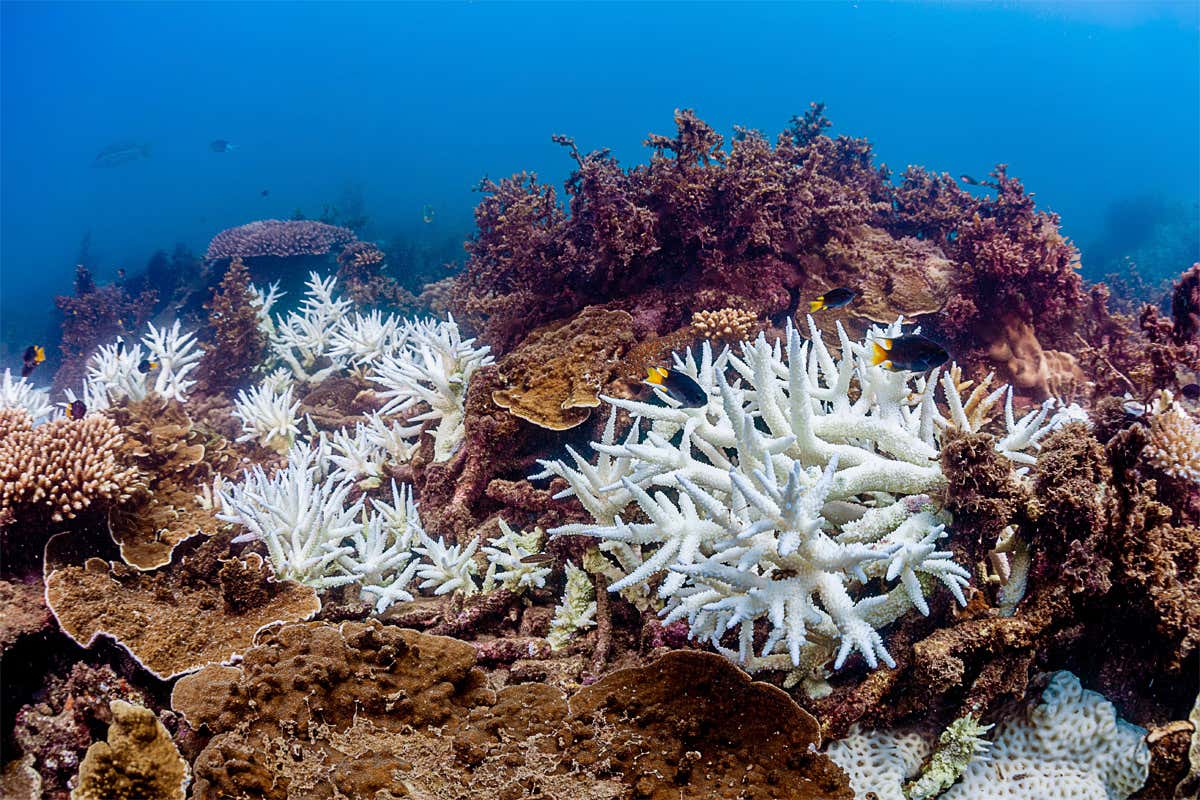
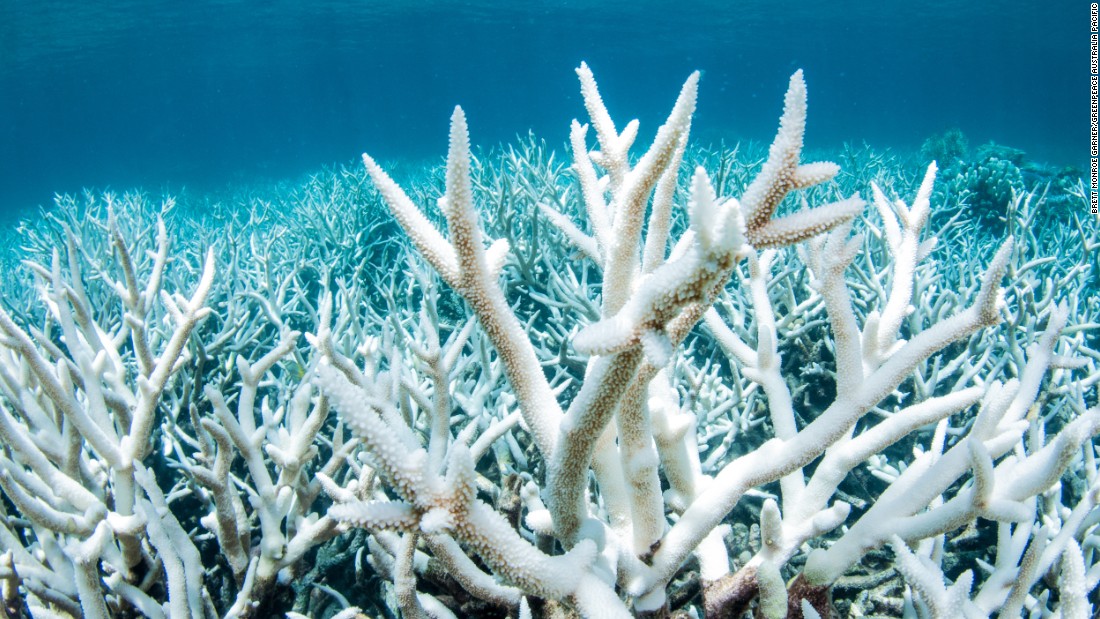
Coral polyps, the tiny animals that build the reef, have a symbiotic relationship with microscopic algae called zooxanthellae. These algae live within the coral’s tissues and provide them with essential nutrients through photosynthesis. When ocean temperatures rise even slightly above their normal range, this symbiotic relationship breaks down. The coral expels the zooxanthellae, leading to the characteristic pale or white appearance of bleached coral.
This process weakens the coral, making it more susceptible to disease and death. The intensity and duration of the temperature increase directly correlate with the severity of the bleaching event. For instance, prolonged periods of unusually high water temperatures, like those experienced during strong El Niño events, can cause widespread and severe bleaching across vast stretches of the reef.
The Role of Rising Ocean Temperatures
Elevated ocean temperatures, primarily caused by the greenhouse effect from increased atmospheric carbon dioxide, are the principal trigger for coral bleaching. The absorption of excess heat by the oceans leads to a gradual increase in average sea surface temperatures, making coral reefs more vulnerable to heat stress. This warming trend is not uniform; localized factors like ocean currents and upwelling can intensify warming in certain areas, creating “hotspots” of bleaching.
The frequency and intensity of marine heatwaves, periods of abnormally high ocean temperatures, have dramatically increased in recent decades, directly contributing to the increasing frequency and severity of coral bleaching events on the Great Barrier Reef. The 2016 and 2017 bleaching events, for example, were linked to prolonged periods of exceptionally high sea surface temperatures fueled by climate change.
The Contribution of Other Environmental Factors
While rising ocean temperatures are the primary driver, other environmental stressors contribute to coral bleaching vulnerability. Ocean acidification, caused by the absorption of excess atmospheric carbon dioxide by the oceans, reduces the availability of carbonate ions necessary for coral calcification – the process by which corals build their skeletons. This weakens the coral structure, making them more susceptible to damage and less resilient to bleaching events.
Pollution from agricultural runoff, sewage, and industrial discharge further compromises coral health. These pollutants introduce sediments, nutrients, and toxins into the water, reducing water quality and increasing the susceptibility of corals to disease and bleaching.
Natural Climate Variability Versus Human-Induced Climate Change
While natural climate variability, such as El Niño Southern Oscillation (ENSO) events, can influence ocean temperatures and cause bleaching, the frequency and severity of bleaching events have dramatically increased in recent decades, exceeding the range of natural variability. The long-term warming trend, primarily driven by human-induced climate change, is the underlying factor pushing ocean temperatures beyond the tolerance thresholds of many coral species.
The intensity and duration of marine heatwaves are directly linked to this long-term warming trend, making bleaching events more frequent and severe than would be expected from natural variability alone. This is evidenced by the unprecedented scale and severity of bleaching events witnessed on the Great Barrier Reef in recent years, far exceeding the impacts observed in the past.
Mechanisms of Elevated Temperature-Induced Bleaching
Elevated temperatures disrupt the delicate balance of the coral-zooxanthellae symbiosis. High temperatures trigger the production of reactive oxygen species (ROS) within the coral tissues, causing oxidative stress that damages the coral’s cells and the zooxanthellae. This damage can lead to the expulsion of the zooxanthellae, resulting in bleaching. The increased metabolic rate of the zooxanthellae under higher temperatures can also contribute to the production of harmful ROS, further exacerbating the stress on the coral.
The specific mechanisms involved are complex and depend on factors such as the species of coral and the intensity and duration of the heat stress. However, the fundamental process involves a breakdown of the symbiotic relationship, leading to the loss of the zooxanthellae and the subsequent bleaching of the coral.
Impact on Marine Life: The Great Barrier Reef Is Seeing Unprecedented Coral Bleaching
Coral bleaching on the Great Barrier Reef has devastating consequences for the incredible biodiversity that calls it home. The loss of coral, the foundation of this ecosystem, triggers a cascade of effects that ripple through the entire food web, impacting countless species. Understanding these impacts is crucial for developing effective conservation strategies.The vibrant ecosystem of the Great Barrier Reef relies on a complex interplay of species, each playing a vital role.
Coral bleaching disrupts this delicate balance, leading to significant changes in species distribution, abundance, and interactions. The consequences are far-reaching, affecting organisms from the smallest plankton to the largest whales.
Species Affected by Coral Bleaching
Coral bleaching directly impacts the coral itself, but its effects extend far beyond. A wide range of species are affected, including numerous fish species that rely on coral for habitat, shelter, and food. Invertebrates like sea urchins, crustaceans, mollusks, and various worms also experience habitat loss and reduced food sources. Larger animals, such as sea turtles, dugongs, and various sharks and rays, are indirectly affected by the decline in their prey populations.
Even microscopic organisms like phytoplankton and zooplankton experience shifts in their distribution and abundance. For example, the loss of branching corals reduces the habitat for many small reef fish, impacting the populations of parrotfish, angelfish, and butterflyfish. Similarly, the decline in seagrass beds, often linked to coral degradation, affects dugongs and green sea turtles that depend on these plants for food.
Cascading Effects on the Food Web
The loss of coral leads to a significant disruption of the food web. Herbivorous fish, which rely on algae growing on the coral, lose their primary food source. This, in turn, affects the populations of predatory fish that depend on these herbivores. The decline in coral also reduces the habitat for smaller invertebrates, which are the food source for larger predators.
This domino effect can have far-reaching consequences, potentially destabilizing the entire ecosystem. For instance, a reduction in parrotfish populations, due to coral loss, can lead to an overgrowth of algae, further hindering coral recovery. This illustrates the interconnectedness of species within the reef and how the loss of one species can trigger a chain reaction.
Potential for Species Extinction or Population Decline
The severity of coral bleaching events can lead to significant population declines and, in some cases, local extinctions of certain species. Species with specialized habitat requirements or limited dispersal abilities are particularly vulnerable. For example, many coral-reef fish species are highly specialized to specific coral types, and their loss can lead to local extinction if suitable alternative habitats are unavailable.
Similarly, the decline of specific algae species crucial for herbivorous fish can lead to starvation and population collapse. The ongoing bleaching events pose a significant threat to the long-term survival of many species within the Great Barrier Reef. Several studies have documented significant declines in the populations of numerous species following major bleaching events, highlighting the urgency of conservation efforts.
Impacts by Trophic Level
The impact of coral bleaching cascades through the trophic levels of the reef ecosystem.
- Primary Producers: Coral itself suffers directly from bleaching, reducing its photosynthetic capacity and leading to mortality. Phytoplankton and macroalgae experience shifts in abundance and distribution due to altered light penetration and water quality.
- Primary Consumers: Herbivorous fish (e.g., parrotfish, surgeonfish) face food scarcity due to coral mortality and algal shifts. Sea urchins and other grazers also experience habitat loss and reduced food availability.
- Secondary Consumers: Small predatory fish (e.g., wrasses, groupers) experience reduced prey availability due to the decline in herbivorous fish populations. Larger invertebrates also suffer from reduced prey populations.
- Tertiary Consumers: Larger predatory fish (e.g., sharks, jacks), sea turtles, and marine mammals experience cascading effects from lower trophic levels, with potential declines in prey availability impacting their populations.
The unprecedented coral bleaching event on the Great Barrier Reef serves as a stark reminder of the devastating impact of climate change. While the situation is dire, it’s not hopeless. Through concerted conservation efforts, innovative restoration projects, and a global commitment to reducing carbon emissions, we can still strive to protect this irreplaceable natural wonder. The future of the reef depends on our immediate and collective action.
Let’s make sure future generations can experience the breathtaking beauty and unparalleled biodiversity of the Great Barrier Reef.