
Against Expectations European Banks Are Thriving
Against expectations european banks are thriving – Against expectations, European banks are thriving! Who would have predicted such a robust recovery after years of struggling with low interest rates and stringent regulations? This unexpected boom isn’t just a fluke; it’s a fascinating story of strategic adaptation, savvy risk management, and the surprising benefits of rising interest rates. Let’s dive into the details and explore what’s driving this remarkable turnaround.
This post will unpack the key factors contributing to the improved financial performance of European banks. We’ll examine the impact of rising interest rates, the evolution of lending practices, the role of regulatory changes, and the broader economic landscape in Europe. We’ll also look at specific examples of banks that have exceeded expectations, analyzing their strategies and successes. Finally, we’ll offer a glimpse into the future, considering potential challenges and opportunities for these institutions.
The Role of Regulatory Changes
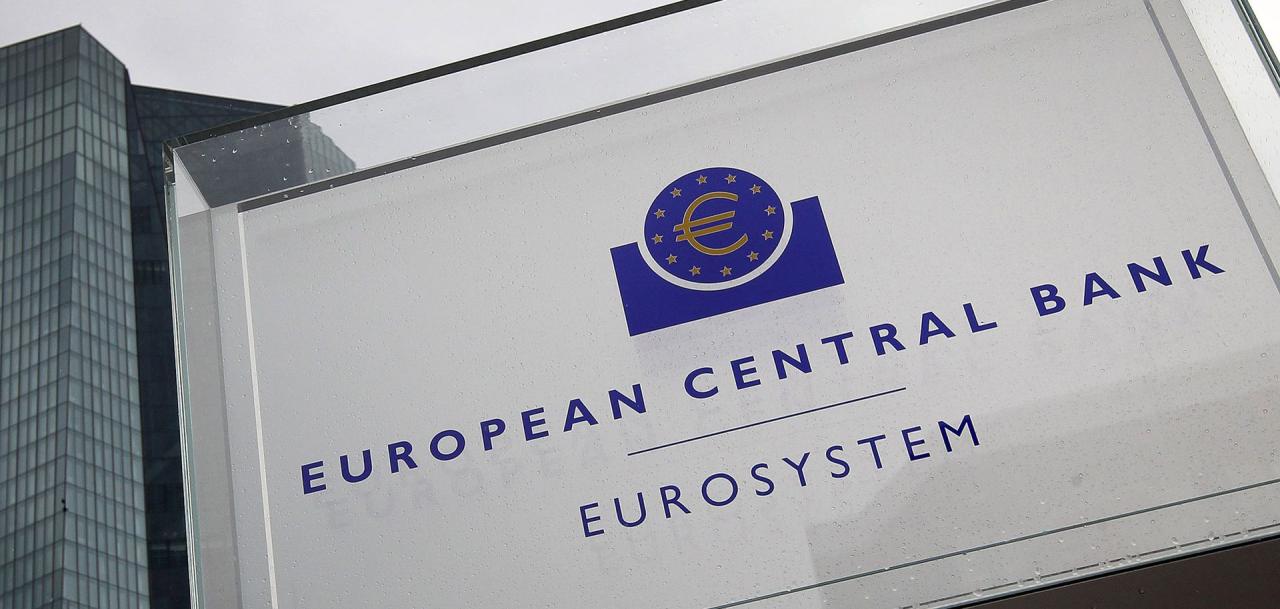
The surprising resilience and profitability of European banks in recent years can’t be fully understood without considering the impact of sweeping regulatory changes implemented following the 2008 financial crisis. These changes, while intended to bolster stability and prevent future meltdowns, have had a complex and multifaceted impact on bank operations and bottom lines, creating both opportunities and challenges.While some regulations have increased compliance costs and reduced short-term profitability, others have fostered a more cautious and arguably more sustainable banking sector.
The long-term effects are still unfolding, but it’s clear that regulatory changes are a crucial factor in the current state of European banking.
Basel III and Capital Requirements
Basel III, a global regulatory framework for bank capital adequacy, has significantly impacted European banks. Increased capital requirements, aimed at absorbing potential losses and reducing systemic risk, have forced banks to hold more capital relative to their assets. This has constrained lending in some sectors, but it has also enhanced the resilience of the banking system, leading to increased investor confidence and potentially lower borrowing costs in the long run.
For example, the higher capital requirements led some banks to divest from riskier assets, focusing instead on core businesses and strengthening their balance sheets. This shift, though initially painful, contributed to improved financial stability and a reduction in the likelihood of future bailouts.
Increased Scrutiny of Non-Performing Loans (NPLs), Against expectations european banks are thriving
European regulators have intensified their focus on non-performing loans, pushing banks to proactively address and reduce their NPL ratios. This has involved stricter provisioning requirements and greater transparency around loan quality. While initially burdensome, this increased scrutiny has helped to clean up bank balance sheets and improve their overall financial health. The improved transparency has also helped to restore investor confidence, making it easier for banks to access funding.
For instance, the implementation of stricter NPL regulations forced banks to implement more robust credit assessment processes, reducing the accumulation of future NPLs.
Impact on Different Banking Sectors
The impact of regulatory changes has varied across different banking sectors. It’s crucial to understand these differences to gain a comprehensive picture.
- Retail Banking: Increased capital requirements have put pressure on margins, particularly in areas with low interest rates. However, stricter consumer protection rules have also led to increased trust and potentially higher customer retention.
- Investment Banking: More stringent regulations on leverage and risk-weighted assets have reduced the profitability of certain investment banking activities. This has prompted some banks to reduce their exposure to riskier activities, while others have sought to diversify their income streams.
- Corporate Banking: Increased scrutiny of lending practices has led to more cautious lending decisions, but this has also helped to reduce the risk of defaults. The emphasis on higher capital adequacy has made corporate banking a more stable and reliable sector.
Potential Unintended Consequences
While the regulatory changes have been largely positive, there are potential unintended consequences. The increased compliance costs associated with meeting new regulations could potentially stifle innovation and competitiveness, especially for smaller banks. Furthermore, the stricter lending standards, while reducing risk, might also limit access to credit for small and medium-sized enterprises (SMEs), hindering economic growth. The increased regulatory burden could also lead to a consolidation of the banking sector, with larger banks better equipped to handle the compliance costs.
Future Outlook for European Banks: Against Expectations European Banks Are Thriving

Predicting the future of European banks is a complex undertaking, requiring careful consideration of interwoven economic, political, and regulatory factors. While current performance is exceeding expectations, several significant headwinds and tailwinds could significantly shape their trajectory in the coming years. The next few years will be a period of both significant opportunity and considerable risk for the sector.The European banking sector faces a multifaceted future.
A key factor will be the continued recovery from the pandemic and the ongoing impact of the war in Ukraine. These events have created economic uncertainty and volatility, impacting lending patterns, investment strategies, and overall profitability. However, rising interest rates, while presenting challenges in terms of managing asset values, also offer the potential for increased net interest margins, a crucial driver of bank profitability.
Economic Growth and Interest Rate Scenarios
Several scenarios are plausible. A robust economic recovery across Europe could lead to increased lending activity and higher profits for banks. This scenario, however, depends on factors such as inflation control, geopolitical stability, and the continued strength of the Eurozone. Conversely, a prolonged period of slow growth or recession could severely impact loan defaults and reduce profitability. Interest rate hikes, while beneficial in the short term for net interest income, could also negatively affect asset values and dampen investment.
For example, a scenario where interest rates remain high for an extended period could lead to a contraction in the housing market, resulting in increased loan defaults for banks heavily invested in mortgage lending. A more moderate scenario, with gradual interest rate increases and steady economic growth, appears the most likely, but still carries inherent uncertainties.
Key Risks and Uncertainties
The European banking sector faces several key risks. Geopolitical instability, particularly the ongoing conflict in Ukraine, remains a significant source of uncertainty, impacting economic outlook and market sentiment. Cybersecurity threats pose a growing concern, with the potential for significant financial and reputational damage. Furthermore, the ongoing regulatory landscape, while aiming to improve stability, can also impose significant compliance costs and limit profitability.
The potential for further regulatory changes, particularly in areas like climate risk and sustainable finance, introduces another layer of uncertainty. Finally, the changing competitive landscape, with the rise of fintech companies and other non-traditional financial players, also presents a challenge.
Key Factors Influencing Future Performance
The future performance of European banks will be shaped by a number of interconnected factors:
- Economic Growth in Europe: A strong and sustained economic recovery will support lending and profitability.
- Interest Rate Environment: The level and trajectory of interest rates will significantly influence net interest margins and asset values.
- Geopolitical Stability: Global and regional geopolitical events will impact market confidence and investment.
- Regulatory Developments: New regulations and compliance requirements will affect operating costs and strategic choices.
- Technological Disruption: The rise of fintech and other disruptive technologies will continue to reshape the competitive landscape.
- Credit Quality and Loan Defaults: The overall health of borrowers and the level of loan defaults will directly impact profitability.
- Capital Adequacy and Funding Costs: The ability to access capital at reasonable costs is crucial for sustained growth.
The unexpected prosperity of European banks is a testament to their ability to adapt and innovate. While challenges remain, the confluence of rising interest rates, improved risk management, and a recovering European economy has created a fertile ground for growth. It’s a story of resilience, strategic foresight, and the power of adapting to changing market conditions. The future, while uncertain, holds exciting possibilities for these financial giants, and it’ll be fascinating to watch how they navigate the coming years.
Who’d have guessed? European banks are defying predictions and actually thriving! It’s a crazy contrast to some of the global news, like the ongoing situation with Marwan Barghouti, who some consider, as detailed in this article marwan barghouti the worlds most important prisoner , to be a pivotal figure. The resilience of the European banking sector, in light of such significant global events, is truly remarkable.
Who would have guessed? European banks are defying predictions and showing surprising strength. It makes you think about how unexpected shifts can happen globally; for example, Mexico’s political landscape is also undergoing a major transformation as Mexico’s first female president inherits a tricky legacy , a situation that’s equally unpredictable. The resilience of European banks, in light of this, is even more remarkable.
Who would have guessed? European banks are booming, defying all the gloomy predictions. It makes you wonder about the global economic picture, and whether the strategies employed elsewhere will be as successful; I’ve been reading a fascinating article asking will China’s communist party save the economy ? The contrast is striking, highlighting how different economic models can yield wildly different results.
Ultimately, the resilience of European banks is a surprising but welcome development in these uncertain times.