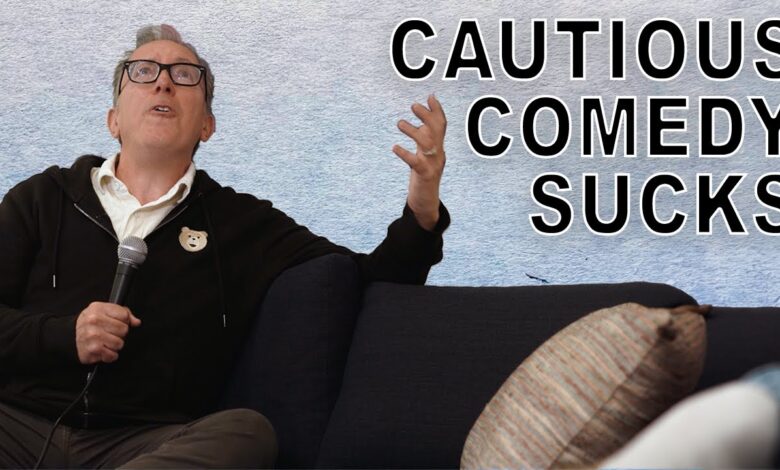
American Comedy Has Become Too Safe on TV
American comedy has become too safe on TV. It’s a statement I’ve been wrestling with lately, watching sitcom after sitcom that feels…sanitized. Where’s the edge? The risk? The genuinely hilarious, boundary-pushing humor that once defined the genre?
We’ve all seen the shift, from the edgy satire of shows like
-All in the Family* to the often-formulaic comedies dominating primetime today. This isn’t about being offensive, it’s about the absence of genuine risk-taking, a creative stagnation that leaves me wanting more.
This isn’t just about nostalgia, either. The evolution of television comedy is a fascinating reflection of societal changes, from the loosening of censorship to the rise of social media’s impact on what’s deemed acceptable. We’ll explore how political correctness, network pressures, and even economic factors have all contributed to this shift, examining both the positive and negative consequences of this increasingly cautious comedic landscape.
Historical Context of American TV Comedy: American Comedy Has Become Too Safe On Tv
American television comedy has undergone a dramatic evolution, reflecting shifting societal norms, technological advancements, and evolving comedic sensibilities. From its early, relatively tame beginnings to the often edgy and boundary-pushing shows of today, the journey reveals a fascinating interplay between creative expression and cultural acceptance. The changes aren’t simply about what’s considered “acceptable,” but also about what resonates with audiences and the very definition of humor itself.The early days of American sitcoms, largely dominated by shows like
- I Love Lucy* (1951-1957) and
- The Honeymooners* (1955-1956), were characterized by a gentler, more family-friendly style of humor. These shows relied heavily on slapstick, situational comedy, and often predictable storylines. The limitations of the technology and the prevailing social conservatism of the time heavily influenced the content. Humor was often based on relatable everyday situations, avoiding controversial topics and maintaining a relatively clean image.
The Rise of Groundbreaking Sitcoms and Their Impact
Shows like
- All in the Family* (1971-1979) marked a significant turning point. This Norman Lear creation tackled controversial social issues like racism, sexism, and class conflict head-on, using humor as a vehicle for social commentary. The show’s success demonstrated a growing audience appetite for more complex and challenging comedic material. Similarly,
- The Mary Tyler Moore Show* (1970-1977) challenged traditional gender roles, portraying a single, independent woman navigating her career and personal life. These sitcoms paved the way for future shows to explore more diverse themes and perspectives, expanding the boundaries of what was considered acceptable on television. In contrast to the relatively limited range of characters and storylines in earlier sitcoms, these shows presented nuanced characters with realistic flaws and conflicts.
This shift away from idealized representations reflected a growing societal awareness of social inequalities and a desire for more authentic portrayals on screen. Contemporary shows, while often tackling complex issues, frequently navigate these themes with a different tone and approach, reflecting a different cultural landscape and the ever-evolving nature of humor. For instance, shows like
- Atlanta* (2016-present) and
- Insecure* (2016-2021) explore race and identity with a level of sophistication and nuance that was largely absent in earlier decades.
Societal Factors Influencing Comedic Sensibilities, American comedy has become too safe on tv
The evolution of American TV comedy is inextricably linked to broader societal shifts. The Civil Rights Movement, the women’s liberation movement, and the rise of counterculture significantly impacted the types of stories told and the way they were told. Increased access to information and the diversification of media platforms also played a crucial role. The rise of cable television and streaming services, for example, allowed for more niche programming and a wider range of comedic styles and perspectives to reach audiences.
The increasing polarization of society has also influenced the landscape, with some shows reflecting and even exacerbating these divisions, while others attempt to bridge the gap through humor. The internet and social media have further amplified these trends, influencing both the creation and consumption of comedic content. The immediacy and interactive nature of these platforms have allowed for a faster feedback loop, shaping the evolution of comedic sensibilities in real-time.
So, is American TV comedy truly too safe? The answer, as with most things, is nuanced. While the pursuit of inclusivity and sensitivity is vital, the pendulum may have swung too far in the opposite direction. The absence of truly daring, provocative comedy leaves a void. The challenge now lies in finding a balance: creating comedy that is both hilarious and relevant without sacrificing the very essence of what makes comedy…well, funny.
The future of American TV comedy hinges on embracing this challenge and finding a way to push boundaries while remaining respectful and responsible.
American TV comedy feels so sanitized these days; it’s like they’re afraid to offend anyone. It makes me think about the political climate elsewhere – the situation in South Africa, for example, is equally precarious, as evidenced by this insightful article on the ANC’s internal struggles: south africas future is in the hands of a divided anc.
Maybe the lack of risk-taking in American comedy reflects a broader societal hesitancy to confront difficult truths. We need more edgy humor, just as South Africa needs strong, unified leadership.
American TV comedy feels increasingly bland, lacking the edgy bite of its predecessors. It makes you wonder if risk-aversion is a universal problem; I mean, even the ambition of can Andrea Orcel, Europe’s star banker, create a super bank seems bolder than most current sitcom plots. Perhaps the real laughs are hidden in the high-stakes world of finance, not the carefully curated world of network television.
American TV comedy feels so sanitized these days; it’s all carefully crafted jokes, avoiding any real risk. It makes me think about the bravery required in other contexts, like the political fight in Hungary, where, as this article explains, Peter Magyar is reinvigorating Hungary’s struggling opposition. His courage is a stark contrast to the cautious approach of many American comedians, who seem more concerned with avoiding offense than sparking genuine laughter.