Can the Singapore Miracle Continue?
Can the Singapore miracle continue? This tiny island nation, once a sleepy trading post, has transformed itself into a global economic powerhouse. Its success story, built on strategic planning, foreign investment, and a relentless drive for innovation, is legendary. But can this remarkable growth trajectory be sustained in the face of an aging population, intensifying global competition, and the pressing need for environmental sustainability?
This exploration delves into the factors that fueled Singapore’s ascent and examines the challenges that threaten its future prosperity.
From its humble beginnings to its current status as a high-income nation, Singapore’s journey is a testament to effective governance and adaptability. However, the future isn’t guaranteed. We’ll analyze the interplay of economic policies, demographic shifts, technological advancements, geopolitical factors, and environmental concerns to determine whether the Singapore miracle can truly endure.
Economic Factors Driving Singapore’s Growth
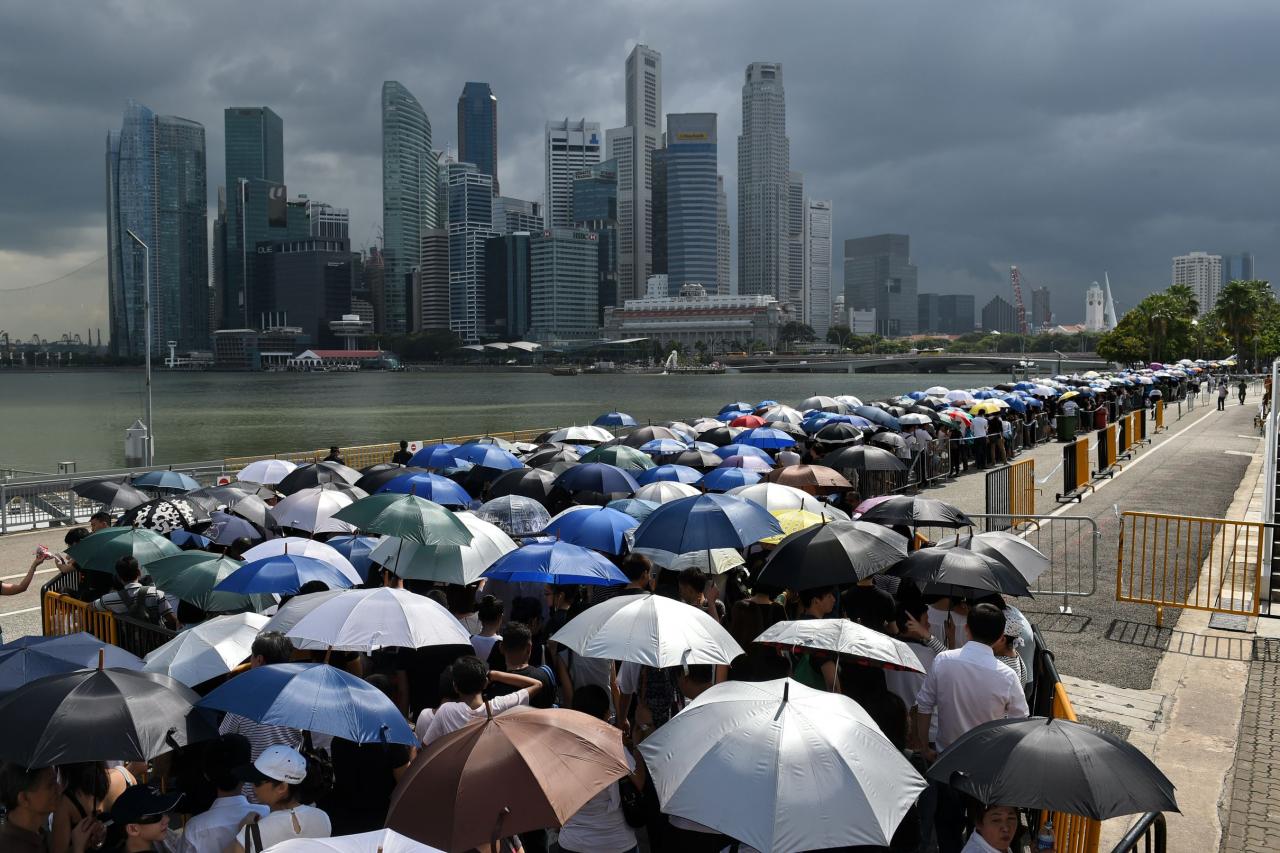
Singapore’s remarkable economic ascent, often termed the “Singapore miracle,” is a complex interplay of strategic planning, favorable geographic location, and a relentless pursuit of economic diversification. This sustained growth hasn’t been accidental; it’s the result of deliberate policies and proactive adaptation to global economic shifts.
Foreign Direct Investment’s Role in Sustaining Economic Growth
Foreign direct investment (FDI) has been instrumental in fueling Singapore’s economic expansion. The government’s proactive approach to attracting FDI, through initiatives like establishing tax incentives, streamlined bureaucratic processes, and a stable political environment, has consistently drawn significant investment from multinational corporations. This influx of capital has not only boosted economic activity but also facilitated technology transfer, skill development, and the creation of high-value jobs.
Singapore’s success in attracting FDI is a testament to its commitment to creating a business-friendly environment that fosters innovation and growth. Major industries such as electronics, pharmaceuticals, and finance have all benefited substantially from this inflow of foreign capital.
Singapore’s Strategic Location and Port Infrastructure
Singapore’s geographical location at the heart of Southeast Asia, coupled with its world-class port infrastructure, has been a crucial catalyst for its economic success. The port of Singapore is consistently ranked among the busiest and most efficient in the world, acting as a vital hub for global trade and commerce. This strategic position allows Singapore to serve as a crucial link in global supply chains, facilitating the import and export of goods and services across a vast network.
The efficient handling of cargo and the robust logistics network significantly enhance Singapore’s competitiveness as a trading nation and attract further investments.
Economic Diversification Strategies and Their Effectiveness
Singapore’s economic strategy has evolved over time, moving from a reliance on manufacturing and trading to a more diversified economy encompassing finance, technology, and tourism. Initially, the focus was on labor-intensive manufacturing, but as the economy developed, the government implemented policies to encourage higher-value-added industries. This diversification has proven effective in mitigating risks associated with reliance on a single sector and has allowed Singapore to adapt to changing global economic conditions.
So, can the Singapore miracle continue? Maintaining its economic dynamism requires a healthy and adaptable population. This is especially crucial considering that a diverse gene pool is vital, as we learn from this insightful article on how isolated communities are more at risk of rare genetic diseases , highlighting the importance of genetic diversity for a nation’s long-term health.
Ultimately, Singapore’s future prosperity hinges on its ability to manage these complex factors.
The shift towards a knowledge-based economy, marked by investments in education and research and development, has been a key element of this successful diversification.
Singapore’s Key Export Sectors and Future Prospects
Singapore’s key export sectors include electronics, pharmaceuticals, chemicals, and refined petroleum products. These sectors have consistently contributed significantly to the country’s GDP and exports. The future prospects for these sectors vary; while the electronics sector faces global competition, Singapore’s focus on high-value-added manufacturing and specialized electronics keeps it competitive. The pharmaceutical sector, driven by research and development, is expected to continue its growth trajectory.
Can Singapore’s miracle continue? A key factor will be its ability to adapt and innovate, particularly in sectors poised for massive growth. Investing in sustainable solutions is crucial, and the potential is huge, as highlighted by this insightful article on clean energy’s next trillion-dollar business: clean energys next trillion dollar business. Singapore’s future prosperity may well hinge on its success in this rapidly expanding market.
However, the country’s long-term economic success will depend on its ability to cultivate new growth areas, such as emerging technologies like artificial intelligence and biotechnology.
Evolution of Singapore’s GDP per Capita (1973-2023) (Estimates)
| Year | GDP per Capita (USD) | Year | GDP per Capita (USD) |
|---|---|---|---|
| 1973 | ~1,500 | 1998 | ~28,000 |
| 1983 | ~5,500 | 2008 | ~40,000 |
| 1993 | ~18,000 | 2018 | ~60,000 |
| 2023 (est.) | ~70,000 |
Note: These figures are approximate and based on various sources, reflecting the general trend of GDP per capita growth. Precise figures may vary depending on the data source and methodology used.
Technological Advancements and Innovation: Can The Singapore Miracle Continue

Singapore’s remarkable economic growth isn’t solely attributable to its strategic location or skilled workforce; technological innovation plays a pivotal role. The nation’s commitment to research and development, coupled with a proactive approach to adopting and adapting new technologies, has been instrumental in maintaining its competitive edge on the global stage. This section will explore the crucial link between technological advancement and Singapore’s economic success.Singapore’s investments in research and development (R&D) are substantial and strategically allocated across various sectors.
This commitment isn’t just about funding; it’s about fostering a culture of innovation, attracting top talent, and creating a supportive ecosystem for startups and established companies alike. The government actively collaborates with universities, research institutions, and private companies to ensure that R&D efforts translate into tangible economic benefits. This collaborative approach has proven particularly effective in areas such as biomedical sciences, information and communication technology (ICT), and advanced manufacturing.
Singapore’s R&D Investments and Their Impact
Government agencies like the Agency for Science, Technology and Research (A*STAR) play a crucial role in channeling resources and coordinating research efforts. A*STAR’s work spans various fields, leading to breakthroughs in areas like biomedicine, materials science, and engineering. These breakthroughs not only enhance Singapore’s scientific standing but also contribute directly to the growth of related industries. For example, advancements in biomedical research have attracted significant foreign investment and created high-value jobs within the pharmaceutical and healthcare sectors.
Can the Singapore miracle continue? It’s a question that hinges on transparency and good governance, things seemingly at odds with what’s happening elsewhere. The recent news about a reversal of long-standing policy keeping key documents on Hunter Biden’s business from Congress raises serious questions about accountability. This kind of opaque behaviour undermines public trust, a crucial element for sustained economic success, making one wonder if such practices could ever threaten Singapore’s model.
Similarly, investments in ICT have fueled the growth of the fintech sector and positioned Singapore as a leading hub for digital innovation in Asia. The impact extends beyond direct economic benefits; improved healthcare, enhanced infrastructure, and more efficient processes are all byproducts of this focused investment.
Comparison with Other Asian Economies
Compared to other Asian economies, Singapore stands out for its highly focused and strategically planned approach to technological advancement. While countries like South Korea and China have also made significant investments in R&D, Singapore’s smaller size and highly centralized government allow for quicker implementation of policies and greater coordination across sectors. This streamlined approach enables the nation to rapidly adapt to technological shifts and capitalize on emerging opportunities.
While other nations might focus on specific sectors, Singapore’s strategy is broader, creating a diversified technological landscape. This diversified approach reduces the risk associated with over-reliance on any single technology or sector.
Examples of Successful Technology-Driven Businesses
Numerous technology-driven businesses exemplify Singapore’s success. Grab, a Southeast Asian ride-hailing and digital payments giant, originated in Singapore and exemplifies the country’s capacity to nurture innovative startups into global players. Its success demonstrates the potential for leveraging technology to disrupt traditional industries and create new economic opportunities. Another example is Sea Limited, a global technology company with a diverse portfolio encompassing e-commerce, digital entertainment, and financial technology.
Its success highlights Singapore’s capacity to foster companies that operate successfully on a global scale. These companies not only generate significant revenue but also create high-skilled jobs and contribute to Singapore’s reputation as a global technology hub.
Singapore’s Technological Sector Investment Breakdown
| Sector | Investment Type | Approximate Annual Investment (USD Billion) | Key Impact |
|---|---|---|---|
| Biomedical Sciences | Government funding, Private Investment | 2-3 | New drug discoveries, advanced medical technologies, improved healthcare outcomes |
| Information and Communication Technology (ICT) | Government grants, Venture Capital | 4-5 | Growth of fintech, e-commerce, and digital services |
| Advanced Manufacturing | Industry partnerships, automation investments | 1-2 | Increased productivity, higher-value manufacturing processes |
| Cleantech & Sustainability | Government initiatives, private sector investment | 0.5-1 | Development of green technologies, reduction of carbon footprint |
Geopolitical Landscape and Global Competition
Singapore’s remarkable economic success story is inextricably linked to its adept navigation of the complex geopolitical landscape. Its small size and dependence on global trade mean that external shocks, whether economic or political, have a disproportionate impact on its prosperity. Understanding how Singapore has managed these challenges and continues to adapt is crucial to assessing the sustainability of its “miracle.”Singapore’s economic growth is significantly influenced by global economic shifts and trade wars.
The country’s open economy makes it vulnerable to protectionist policies and disruptions in global supply chains. For example, the US-China trade war, which began in 2018, presented significant challenges, forcing Singapore to adjust its strategies to mitigate the impact on its manufacturing and trading sectors. The resulting uncertainty in global markets necessitates constant vigilance and adaptability.
Impact of Global Economic Shifts and Trade Wars
The US-China trade war, for instance, highlighted Singapore’s vulnerability to global trade disputes. As a major trading hub, Singapore felt the ripple effects of reduced global trade volume and the shifting of supply chains. The country responded by diversifying its trading partners and strengthening its economic ties with other nations, demonstrating a proactive approach to managing external risks.
Furthermore, Singapore’s robust financial sector allowed it to weather the economic storm more effectively than many other nations. The experience underscored the need for continuous diversification and resilience-building measures.
Singapore’s Role in Regional and Global Trade Agreements
Singapore has consistently championed free trade and actively participates in numerous regional and global trade agreements. Its membership in the Association of Southeast Asian Nations (ASEAN) and its participation in the Comprehensive and Progressive Agreement for Trans-Pacific Partnership (CPTPP) are testaments to its commitment to open markets. These agreements provide Singapore with preferential access to large markets and contribute significantly to its economic growth.
The strategic positioning within these trade blocs helps mitigate the risks associated with bilateral trade disputes. Furthermore, Singapore actively promotes multilateralism and rules-based trade systems, contributing to global economic stability.
Strategies for Mitigating Risks Associated with Geopolitical Instability
Singapore’s approach to mitigating geopolitical risks involves a multi-pronged strategy focusing on diversification, resilience, and adaptability. This includes diversifying its trading partners, investing heavily in infrastructure and technology, and fostering strong diplomatic relationships with key players on the global stage. For example, Singapore has invested heavily in its digital infrastructure, making it more resilient to disruptions in traditional supply chains.
Its proactive diplomacy helps maintain access to vital resources and markets, even in times of uncertainty. The government’s emphasis on long-term strategic planning further strengthens the country’s ability to anticipate and navigate future geopolitical challenges.
Potential Threats and Opportunities Arising from Competition with Other Asian Economies
The rise of other Asian economies, particularly China, India, and Vietnam, presents both threats and opportunities for Singapore. Competition for investment, talent, and market share is intensifying. However, Singapore’s strengths – its highly skilled workforce, efficient infrastructure, and business-friendly environment – remain significant competitive advantages. The country can leverage its expertise in areas like fintech and logistics to maintain its edge.
Furthermore, collaboration and partnerships with other Asian economies are becoming increasingly important to create mutually beneficial opportunities. Singapore’s strategic location and its well-established network of relationships can help facilitate regional economic integration.
Timeline of Major Geopolitical Events and Their Impact on Singapore’s Economic Growth
| Year | Event | Impact on Singapore’s Economy |
|---|---|---|
| 1997-98 | Asian Financial Crisis | Significant slowdown in growth, but relatively quick recovery due to strong fundamentals. |
| 2008 | Global Financial Crisis | Sharp decline in exports and investment, but government stimulus measures helped mitigate the impact. |
| 2018-present | US-China Trade War | Disruption of supply chains and increased uncertainty, prompting diversification efforts. |
| 2020-present | COVID-19 Pandemic | Severe impact on tourism and other sectors, but swift and effective public health measures helped limit the economic damage. |
| Ongoing | Rise of China and other Asian economies | Increased competition, but also opportunities for collaboration and regional integration. |
Sustainability and Environmental Concerns
Singapore’s remarkable economic progress has come with environmental challenges. Balancing rapid development with sustainable practices is crucial for ensuring the long-term prosperity and livability of the island nation. This requires a multifaceted approach encompassing government policies, technological innovation, and a shift in societal attitudes.
Government Initiatives to Address Climate Change and Environmental Protection
The Singaporean government has actively implemented various strategies to combat climate change and protect the environment. These initiatives are largely driven by the understanding that environmental sustainability is inextricably linked to economic security and national resilience. Key programs include the national climate change strategy, focusing on emission reduction targets and adaptation measures; significant investments in renewable energy sources such as solar power, aiming to diversify the energy mix and reduce reliance on fossil fuels; and robust environmental regulations and enforcement mechanisms to ensure compliance across various sectors.
For example, the carbon tax, implemented in 2019, incentivizes businesses to reduce their carbon footprint.
Sustainable Practices in Various Sectors of the Singaporean Economy
Sustainable practices are being integrated across various sectors. The construction industry is adopting green building standards, promoting energy efficiency and the use of sustainable materials. The transportation sector is seeing an increase in electric vehicles and the expansion of public transport networks, aiming to reduce reliance on private vehicles. The waste management sector is focusing on waste reduction, recycling, and resource recovery initiatives.
For example, the NEWater program, which reclaims used water for non-potable purposes, significantly reduces the strain on water resources. Furthermore, Singapore’s commitment to urban farming and vertical agriculture aims to increase food security while minimizing land usage.
Strategies for Balancing Economic Growth with Environmental Sustainability
Balancing economic growth with environmental sustainability requires a holistic approach. This involves fostering innovation in green technologies, attracting investment in sustainable industries, and promoting a culture of environmental responsibility among citizens. The government plays a crucial role in creating supportive policies, providing incentives for sustainable practices, and investing in research and development. Crucially, integrating environmental considerations into economic planning is paramount.
This includes conducting environmental impact assessments for major projects and incorporating sustainability metrics into economic indicators. Furthermore, promoting circular economy models, which focus on reducing waste and maximizing resource utilization, is essential.
Visual Representation of Singapore’s Environmental Progress, Can the singapore miracle continue
Imagine a bar graph. The horizontal axis represents years, starting from 1990 and extending to 2030 (or a projected future year). Two bars are stacked for each year: one representing carbon emissions (decreasing gradually over time, showing a decline from a high point in the early years), and another representing renewable energy capacity (increasing steadily, showing a growth from a small base in the early years).
A third line, separate from the bars, displays Singapore’s renewable energy target percentage for each year, visually demonstrating the country’s approach towards achieving its environmental goals. The graph visually showcases the decrease in carbon emissions and the simultaneous increase in renewable energy capacity over time, highlighting Singapore’s progress toward its sustainability objectives. The color scheme would use a dark green for renewable energy, a lighter green for decreasing carbon emissions, and a red/orange for the initial carbon emission levels.
The target line would be a bright, solid green. The overall image conveys a positive trend towards a greener Singapore, though acknowledging the continued challenge of reducing emissions.
Singapore’s future hinges on its ability to navigate a complex web of challenges and opportunities. While the “Singapore miracle” has been undeniably impressive, its continuation is not a given. Successfully addressing demographic pressures, fostering innovation, maintaining geopolitical stability, and prioritizing sustainability are crucial for ensuring continued economic success. The nation’s future prosperity will depend on its capacity for constant adaptation and its willingness to embrace bold, forward-thinking solutions.
The journey ahead will be demanding, but the potential rewards for this resilient nation remain significant.