India Has Quietly Transformed Its Ports
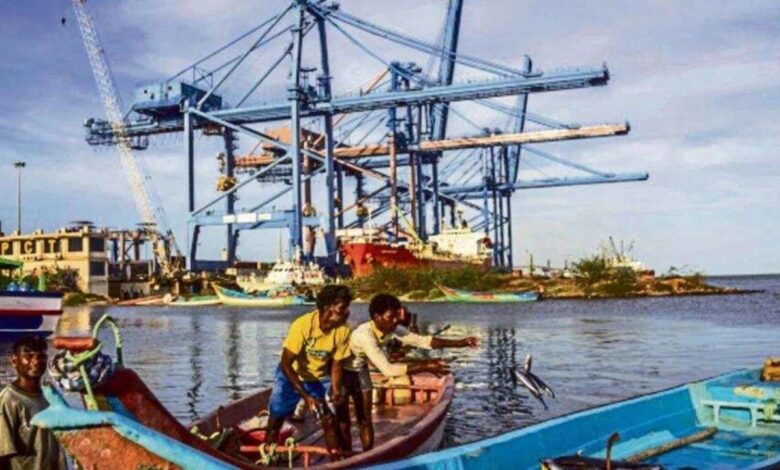
India has quietly transformed its ports. It’s a story of massive infrastructure upgrades, clever technological integration, and shrewd private sector partnerships. For years, India’s ports struggled with inefficiency and congestion. But a quiet revolution has been underway, dramatically boosting capacity, speeding up cargo handling, and fueling economic growth. This transformation isn’t just about bigger docks and faster cranes; it’s a testament to India’s ambition and its commitment to becoming a global trade powerhouse.
From the modernization of existing facilities to the construction of entirely new ports, the scale of the improvements is staggering. Think cutting-edge automation, AI-powered systems optimizing operations, and a massive influx of private investment that’s brought in expertise and efficiency. The results? A significant increase in cargo throughput, a reduction in shipping times, and a noticeable boost to various sectors of the Indian economy, all underpinned by a growing commitment to environmental sustainability.
Trade and Economic Impact: India Has Quietly Transformed Its Ports
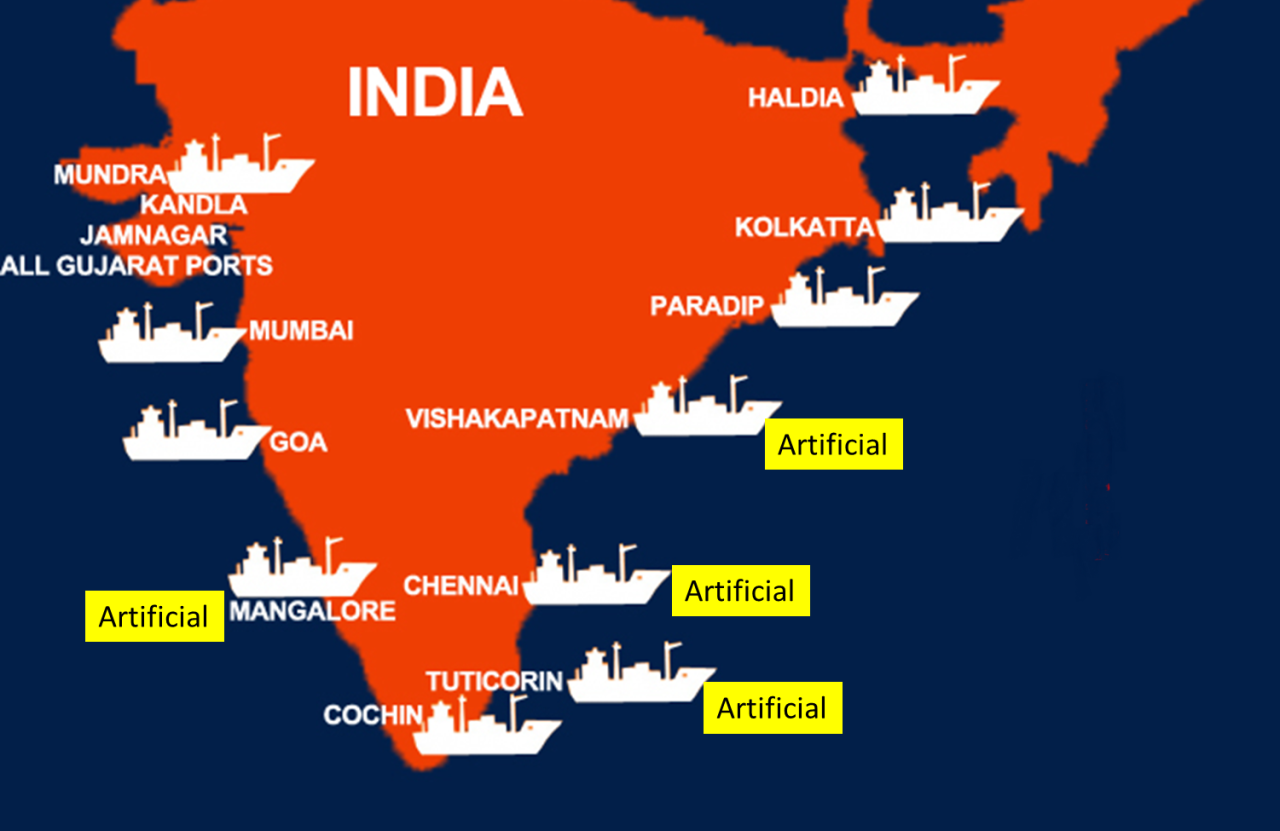
India’s ambitious port modernization initiatives have yielded significant dividends, profoundly impacting its trade landscape and overall economic trajectory. The enhanced infrastructure and streamlined processes have not only increased cargo handling capacity but also fostered a more efficient and competitive trade environment. This has led to a ripple effect across various sectors, boosting economic growth and solidifying India’s position in the global market.The improvements in port infrastructure and efficiency have had a demonstrably positive effect on India’s trade volume and economic growth.
This is evident in the significant expansion of several key sectors, leading to increased exports and foreign investment. The interconnectedness of these improvements with the overall economic health of the nation is undeniable.
Key Sectors Benefiting from Port Improvements
The agricultural sector, for example, has seen a considerable boost due to easier and faster export of products like tea, spices, and rice. Similarly, the manufacturing sector, particularly industries like textiles, pharmaceuticals, and automobiles, has benefited from improved access to global markets. The energy sector, with its reliance on imports and exports of petroleum products, has also seen a significant improvement in efficiency and reduced transportation costs.
These improvements have resulted in a more robust and diversified Indian economy.
Growth in India’s Trade Volume and Correlation with Port Improvements, India has quietly transformed its ports
A hypothetical graph illustrating the correlation between India’s port infrastructure improvements and trade volume would show a clear positive correlation. The X-axis would represent the years, starting from a baseline year before significant port investments, and extending to the present. The Y-axis would represent the total value of India’s import and export trade in billions of US dollars. The graph would depict a relatively flat line initially, representing slower growth in trade volume before port modernization.
Then, as investment in port infrastructure increases, marked by a distinct increase in spending (which could be shown as a secondary line on the same graph), the trade volume line would show a steeper, upward trend, demonstrating a clear correlation between investment and trade growth. For example, a period of significant port development from 2010 to 2020 could be clearly shown with a steeper incline in the trade volume line during that time period compared to the years before and after.
This visual representation would underscore the significant impact of port improvements on India’s trade performance. While precise figures would need to be sourced from official trade statistics, the general trend of a strong positive correlation is widely accepted.
Economic Implications of Port Transformations
The transformation of India’s ports has significantly contributed to its overall economic growth by reducing logistics costs, improving supply chain efficiency, and attracting foreign investment. Lower transportation costs translate to lower prices for consumers and increased competitiveness for Indian businesses in international markets. The increased efficiency has also shortened lead times, allowing businesses to respond more quickly to market demands.
This enhanced competitiveness has, in turn, attracted greater foreign direct investment (FDI), further stimulating economic growth and job creation. The cumulative effect of these factors has been a notable boost to India’s GDP and a strengthening of its position in the global economy. The reduction in time and cost associated with trade has made India a more attractive destination for businesses, both domestic and international, resulting in increased economic activity and employment opportunities across the country.
Environmental Considerations
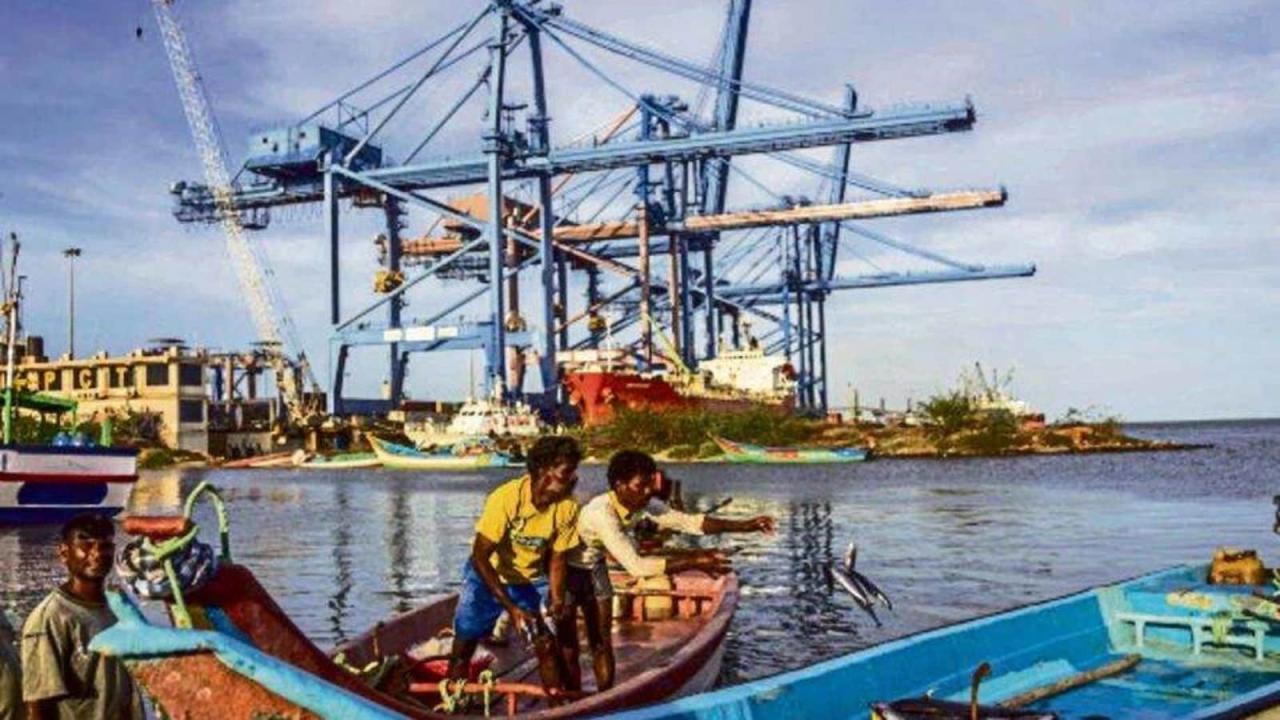
India’s rapid port modernization isn’t just about boosting trade; it’s also about embracing sustainable practices to minimize environmental impact. The country recognizes the delicate balance between economic growth and ecological preservation, leading to the implementation of various measures to protect its coastal regions and reduce pollution from port activities. This commitment is reflected in the design, operation, and ongoing improvements of many Indian ports.The environmental challenges posed by port operations are significant.
Increased vessel traffic leads to air and noise pollution, while dredging and construction activities can disrupt sensitive marine ecosystems. Waste management, both from ships and port operations, also presents a considerable challenge. To address these concerns, a multi-pronged approach incorporating technological advancements and regulatory frameworks is being adopted. This includes stringent emission control standards for vessels, investment in cleaner energy sources for port operations, and the implementation of robust environmental monitoring programs.
Emission Reduction Strategies
Several strategies are employed to curb emissions from port activities. This involves promoting the use of cleaner fuels like LNG (Liquefied Natural Gas) by vessels calling at Indian ports, incentivizing the adoption of shore power connections to reduce emissions from ships while berthed, and investing in cleaner technologies for port equipment, such as electric or hybrid cranes and vehicles.
Furthermore, ongoing research and development focus on exploring innovative solutions like carbon capture and storage technologies for future implementation within the port environment. These efforts are aimed at significantly reducing greenhouse gas emissions and improving air quality in port areas.
Coastal Ecosystem Protection
Protecting coastal ecosystems is paramount. Sustainable dredging practices, minimizing habitat disruption during construction, and implementing effective measures to prevent oil spills and other pollution incidents are crucial. The establishment of marine protected areas around ports, coupled with regular environmental impact assessments, are key components of this strategy. Furthermore, efforts are focused on restoring degraded coastal habitats and promoting biodiversity through initiatives like mangrove plantation and coral reef rehabilitation.
These measures aim to maintain the ecological integrity of the coastal environment and support the livelihoods of coastal communities that depend on these resources.
Best Practices in Indian Ports
The importance of showcasing best practices cannot be overstated. Two examples highlight India’s commitment to environmental sustainability.
Firstly, the Jawaharlal Nehru Port Trust (JNPT) in Mumbai has implemented a comprehensive environmental management system, certified to ISO 14001 standards. This involves regular monitoring of air and water quality, waste management programs, and energy efficiency initiatives. They’ve also invested in renewable energy sources and implemented measures to reduce noise pollution. JNPT actively participates in coastal cleanup drives and promotes sustainable practices among its stakeholders.
Secondly, the Port of Kandla in Gujarat has focused on sustainable dredging techniques, minimizing the impact on marine life. They have implemented a robust system for managing hazardous waste and have undertaken significant mangrove plantation programs to protect the coastal ecosystem. Kandla also actively promotes the use of cleaner fuels and energy-efficient technologies within its operations. Their efforts demonstrate a commitment to long-term environmental sustainability, balancing economic growth with ecological responsibility.
The transformation of India’s ports is a compelling success story, showcasing the power of strategic planning, technological innovation, and effective public-private partnerships. While challenges remain, the future looks bright. With continued investment and a focus on sustainable practices, India’s ports are poised to play an even greater role in the country’s economic ascent and its integration into the global economy.
The quiet revolution continues, and its impact will only grow more significant in the years to come. It’s a fascinating case study in how infrastructure development can be a catalyst for national growth.
India’s port modernization is a fascinating story; a quiet revolution boosting its global trade standing. It makes you think about how different nations handle impactful events – check out this article on how China erases disasters from public memory – and how transparency (or lack thereof) impacts national narratives. Ultimately, India’s port transformation stands as a testament to strategic planning and visible progress, a stark contrast in approach.
India’s port modernization is impressive; a quiet revolution boosting its global trade standing. But this efficiency drive makes me wonder about the larger context – are such advancements always benign? I recently read an article exploring the potential downsides of rapid global change, like this one discussing the covid 19 emergency powers green new deal paving way for great reset tyranny climate journalist and its implications.
Ultimately, India’s transformed ports are a microcosm of these broader global shifts, raising complex questions about progress and control.
India’s quiet port transformation is impressive; their efficiency gains are impacting global trade routes in significant ways. This improved infrastructure presents a fascinating counterpoint to the challenges faced by other nations, like Venezuela, where, as highlighted in this insightful article a new danger for Venezuela’s autocrat is threatening stability. The contrast underscores how strategic infrastructure development can bolster a nation’s economic resilience and global standing, a lesson India’s port modernization clearly demonstrates.