Why Antarcticas Defrosting Impacts Us All
Why the defrosting of antarctica will be felt everywhere – Why Antarctica’s Defrosting Impacts Us All? That’s the chilling question we’re tackling today. It’s not just about melting ice; it’s about a domino effect with global consequences. From rising sea levels threatening coastal cities to disruptions in ocean currents altering weather patterns worldwide, the implications are vast and interconnected. Get ready to dive into a fascinating – and frankly, terrifying – exploration of how a faraway continent’s fate is intricately tied to our own.
We’ll explore the science behind the melting ice, the projected impacts on different regions, and the potential for cascading effects that could accelerate climate change even further. We’ll look at the vulnerable ecosystems, the economic repercussions, and what we can potentially do to mitigate the damage. It’s a complex issue, but understanding it is crucial if we hope to navigate the challenges ahead.
Disruption of Ocean Currents and Climate Patterns
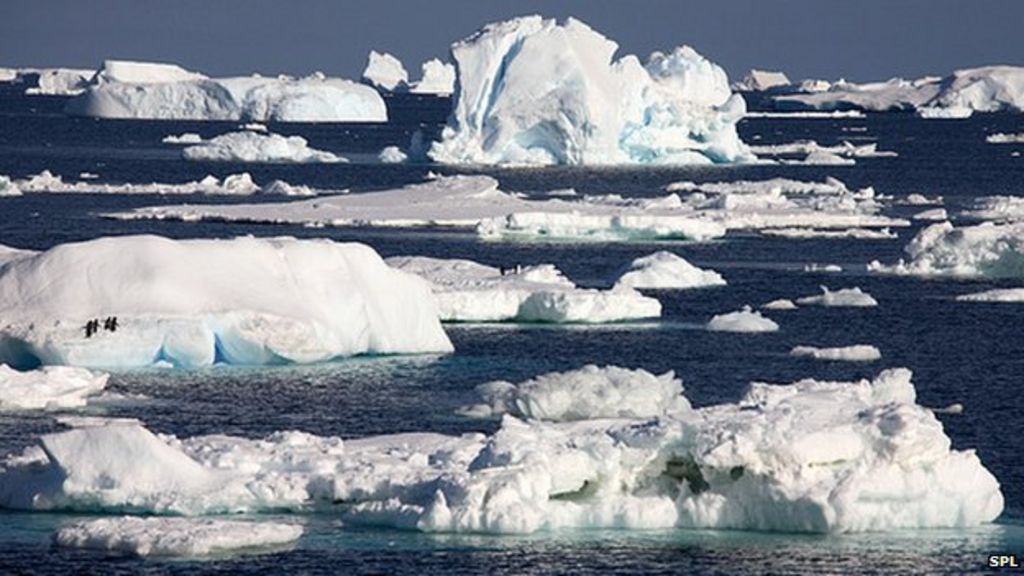
The melting of Antarctica’s ice sheets isn’t just raising sea levels; it’s fundamentally altering the delicate balance of our planet’s ocean currents and, consequently, its climate systems. This disruption has far-reaching consequences, impacting weather patterns, marine life, and regional climates across the globe in ways we are only beginning to understand.The immense volume of freshwater released from melting Antarctic ice significantly impacts the density of ocean water.
This altered density plays a crucial role in driving major ocean currents, like the Atlantic Meridional Overturning Circulation (AMOC). The AMOC, a vital system of currents transporting warm water northward and cold water southward, is particularly vulnerable to changes in salinity and temperature caused by Antarctic meltwater.
The Atlantic Meridional Overturning Circulation (AMOC) and Antarctic Meltwater
The AMOC relies on a process called thermohaline circulation, driven by differences in temperature and salinity. Cold, salty water sinks in the North Atlantic, creating a current that pulls warmer water northward. An influx of freshwater from melting Antarctic ice reduces the salinity of the surface waters, making them less dense and hindering their ability to sink. This disruption can weaken or even shut down parts of the AMOC, leading to significant climatic consequences.
Scientists have observed a slowing of the AMOC in recent years, and while the exact contribution of Antarctic meltwater is still being investigated, it is considered a major contributing factor. Models suggest that a significant weakening of the AMOC could lead to colder temperatures in Europe and changes in precipitation patterns across the globe.
Impacts on Global Weather Patterns and Regional Climates
Disruptions to the AMOC and other major ocean currents have cascading effects on global weather patterns. For example, a weakened AMOC could lead to colder winters in Western Europe, while simultaneously altering precipitation patterns in other regions, potentially causing more intense droughts or floods. Changes in ocean currents also affect the distribution of heat around the globe, impacting regional climates and potentially intensifying extreme weather events such as hurricanes and heatwaves.
The North Atlantic Oscillation (NAO), a climate pattern influencing weather across the North Atlantic, is also sensitive to changes in the AMOC and could experience significant shifts, leading to unpredictable and potentially severe weather conditions.
Impacts on Marine Ecosystems and Biodiversity
Changes in ocean currents directly impact marine ecosystems. The transport of nutrients and oxygen is fundamentally altered, affecting the distribution and abundance of marine species. Warmer or colder water temperatures can lead to coral bleaching, changes in fish migration patterns, and shifts in the distribution of plankton, the base of the marine food web. These changes can disrupt entire food chains, potentially leading to a decline in biodiversity and impacting fisheries and other human activities that rely on healthy marine ecosystems.
The alteration of upwelling zones, areas where nutrient-rich deep water rises to the surface, is another critical consequence, impacting the productivity of these vital ecosystems.
Antarctica’s melting ice sheets will raise sea levels globally, impacting coastal communities everywhere. It’s a huge problem, and frankly, we need reliable solutions to address climate change, which makes me even more concerned after reading that electric vehicles less reliable than gas powered automobiles consumer reports finds. If we’re going to transition to cleaner energy, we need reliable technology, because the consequences of inaction – like rising sea levels from a melting Antarctica – are far too significant to ignore.
Hypothetical Scenario: Cascading Effects of Antarctic Melt
Imagine a scenario where Antarctic ice melt accelerates significantly over the next few decades. The increased influx of freshwater into the Southern Ocean weakens the AMOC, causing a noticeable cooling in parts of Europe and changes in precipitation patterns across the Northern Hemisphere. Simultaneously, the disruption of ocean currents alters the distribution of nutrients in the North Atlantic, impacting plankton populations and the entire marine food web.
Changes in sea surface temperatures lead to coral bleaching events in the Caribbean and changes in fish migration patterns, affecting fishing industries worldwide. The altered atmospheric circulation patterns increase the frequency and intensity of extreme weather events, from droughts in some regions to devastating floods in others. This hypothetical scenario highlights the interconnectedness of Antarctic ice melt, ocean currents, and global climate, underscoring the urgency of addressing climate change.
Impacts on Global Weather Systems and Extreme Events
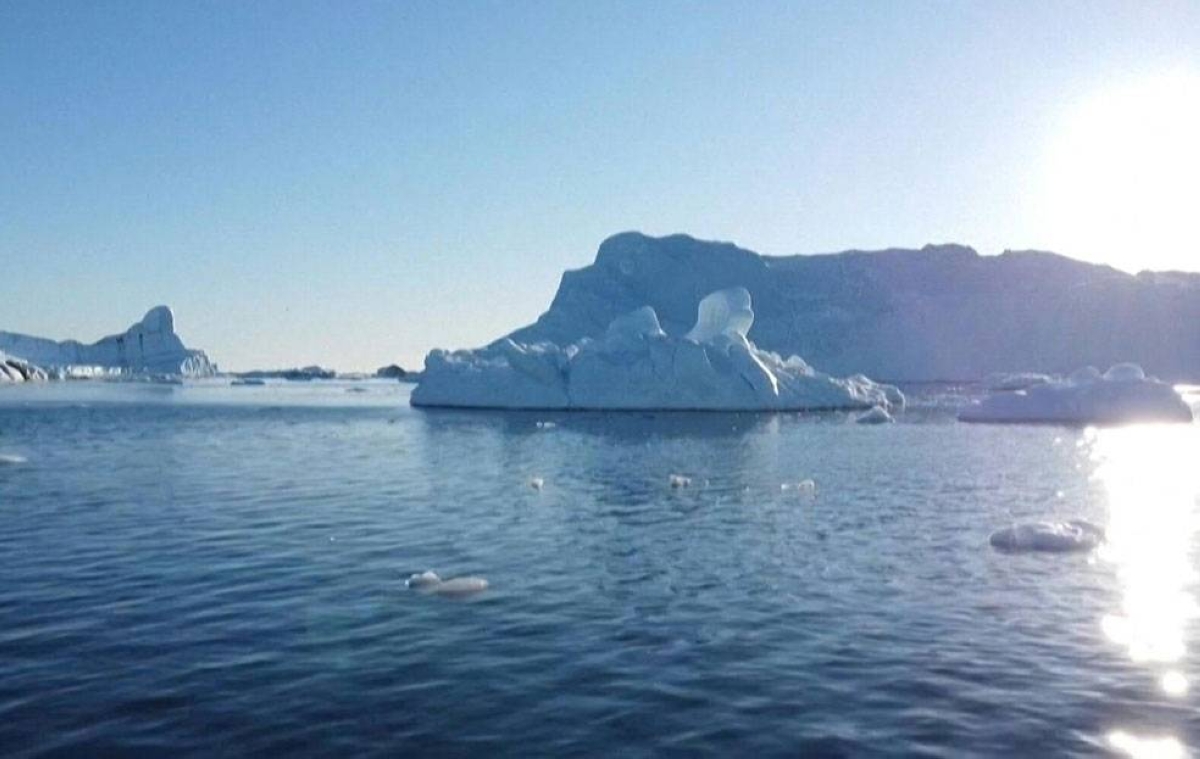
The melting of the Antarctic ice sheet is not a localized problem; its consequences ripple across the globe, significantly altering weather patterns and increasing the frequency and intensity of extreme weather events. The sheer volume of freshwater entering the ocean disrupts established currents, impacting atmospheric circulation and leading to cascading effects on global climate stability.The influx of cold, freshwater from melting glaciers alters the density of ocean water, impacting the thermohaline circulation – the global system of ocean currents driven by temperature and salinity differences.
Disruptions to this system can weaken or even shut down major currents like the Gulf Stream, leading to dramatic shifts in regional temperatures and precipitation patterns. This, in turn, influences atmospheric pressure systems, jet stream behavior, and the formation and trajectory of weather systems worldwide.
Increased Frequency and Intensity of Extreme Weather Events
Antarctic melting contributes to a more volatile climate, increasing the likelihood and severity of extreme weather events. Warmer ocean temperatures fuel stronger hurricanes and typhoons, providing the energy for increased wind speeds and rainfall. Changes in atmospheric circulation patterns can lead to prolonged droughts in some regions, while others experience devastating floods. The disruption of established weather patterns also contributes to more frequent and intense heatwaves, posing significant risks to human health and infrastructure.
For example, the 2021 Pacific Northwest heatwave, which saw record-breaking temperatures, is partially attributed to a stalled jet stream, a phenomenon that climate models predict will become more common with continued Antarctic melting.
Altered Precipitation Patterns Across Different Regions
The projected changes in precipitation patterns are complex and regionally diverse. Some areas may experience increased rainfall and flooding, while others face prolonged droughts. For instance, a weakening of the Atlantic Meridional Overturning Circulation (AMOC) could lead to colder temperatures and reduced rainfall in Western Europe, while simultaneously increasing the risk of droughts and heatwaves in other regions.
Antarctica’s melting ice sheets will raise sea levels globally, impacting coastal communities everywhere. It’s a huge problem, and thinking about the scale of environmental damage makes me wonder about other seemingly smaller things with massive consequences, like the impact of cooking on our health; did you know that according to this article, why cooking causes 4m premature deaths a year ?
It’s a sobering thought, reminding us that even seemingly mundane actions can have far-reaching effects, just like the defrosting of Antarctica.
Similarly, changes in the Asian monsoon system, driven partly by altered ocean temperatures and atmospheric circulation, could have devastating consequences for billions of people reliant on predictable rainfall for agriculture. The 2022-2023 drought in East Africa, exacerbated by climate change, serves as a stark reminder of the vulnerability of regions to shifts in precipitation patterns.
Antarctica’s defrosting isn’t just a polar problem; rising sea levels will impact coastal communities globally. It’s a massive, interconnected issue, and understanding global financial instability helps illustrate the scale. For example, check out this article on how bond investors soured on France, how bond investors soured on france , which shows how seemingly localized economic shifts can have far-reaching consequences.
Similarly, the melting ice sheets will trigger a cascade of effects, reshaping weather patterns and impacting global economies in unpredictable ways.
Impacts on Agricultural Yields and Food Security
Altered atmospheric circulation patterns, coupled with changes in temperature and precipitation, directly impact agricultural yields and food security globally. Changes in rainfall patterns can lead to crop failures, impacting food production and increasing food prices. Increased frequency and intensity of extreme weather events, such as floods, droughts, and heatwaves, can damage crops and livestock, further exacerbating food insecurity.
For example, shifts in monsoon patterns in South Asia could significantly reduce rice yields, impacting the food security of a large population. Similarly, more frequent and severe droughts in regions like the Sahel could lead to widespread famine and displacement.
Regional Impacts of Antarctic Defrosting
| Region | Projected Impact | Severity | Mitigation Strategies |
|---|---|---|---|
| Western Europe | Colder temperatures, reduced rainfall, increased storm intensity | High | Invest in renewable energy, improve infrastructure resilience, develop drought-resistant crops |
| East Africa | Increased drought frequency and severity, reduced agricultural yields | Very High | Improve water management, diversify agriculture, invest in drought-resistant crops, promote sustainable land management |
| South Asia | Changes in monsoon patterns, increased flooding and droughts, reduced rice yields | High | Improve irrigation systems, develop drought-resistant rice varieties, invest in early warning systems for floods and droughts |
| North America | Increased frequency and intensity of heatwaves, more frequent and severe storms, changes in snowpack | Medium to High | Invest in renewable energy, improve infrastructure resilience, develop heat-resistant crops, improve water management |
Changes in Marine Ecosystems and Biodiversity
The melting of Antarctica’s ice sheets and the resulting changes in ocean temperature and salinity are profoundly impacting the delicate balance of the Antarctic marine ecosystem. This isn’t just an Antarctic issue; the ripple effects will be felt globally, affecting fisheries and the overall health of our oceans. The interconnectedness of species and the crucial role Antarctica plays in global ocean currents mean that even seemingly small changes can have far-reaching consequences.
Altered Salinity and Temperature Effects on Marine Organisms
Changes in salinity and temperature directly affect the survival and reproduction of Antarctic marine organisms. Many species have narrow tolerance ranges for these parameters. Increased melting leads to a less saline ocean, impacting the buoyancy and osmoregulation of organisms like krill, which are foundational to the Antarctic food web. Rising water temperatures can cause physiological stress, leading to reduced growth rates, reproductive failure, and increased susceptibility to disease.
For example, certain species of phytoplankton, the base of the food chain, are particularly sensitive to temperature changes, and shifts in their distribution could have cascading effects on the entire ecosystem. The changing conditions can also lead to range shifts, with some species moving towards the poles in search of more suitable habitats, while others face local extinction.
Impacts of Sea Ice Changes on Antarctic Wildlife
Sea ice is critical habitat for many Antarctic species. Penguins, for example, rely on sea ice for breeding and molting. Reduced sea ice extent and altered distribution patterns directly impact their breeding success and survival rates. Emperor penguins, in particular, are highly vulnerable as their breeding grounds are directly dependent on stable sea ice platforms. Similarly, seals, which rely on sea ice for pupping and resting, will experience population declines as their habitats shrink.
Krill, a keystone species in the Antarctic food web, also depend on sea ice for feeding and reproduction. Changes in sea ice affect krill populations, impacting the entire ecosystem that relies on them for food, including penguins, seals, whales, and fish.
Consequences for Global Fisheries
The changes in the Antarctic marine ecosystem have significant implications for global fisheries. Many commercially important fish species, such as Patagonian toothfish and Antarctic toothfish, inhabit the Southern Ocean. Shifts in the distribution and abundance of these fish, caused by altered temperatures and prey availability, will impact fishing yields and the livelihoods of those who depend on these fisheries.
Furthermore, the disruption of the food web can lead to unforeseen consequences, such as the proliferation of jellyfish or other less desirable species, further impacting the sustainability of fisheries. This poses economic and social challenges to fishing communities around the world that rely on the Southern Ocean for their protein source.
Disruption of the Antarctic Food Web
Imagine a complex web, where each strand represents a species. At the base are phytoplankton, thriving in sunlight and nutrients. Krill, tiny crustaceans, graze on the phytoplankton, forming a critical link. These krill are then consumed by fish, penguins, seals, and whales. Melting ice disrupts this web in several ways.
Firstly, altered salinity and temperature affect phytoplankton growth and distribution. This directly impacts krill populations, which subsequently decline. Fewer krill mean less food for the predators, leading to population declines in penguins, seals, and other species higher up the food chain. A visual representation would show a vibrant, interconnected web initially, with thick strands representing abundant populations.
As ice melts, the strands representing krill and their predators would become thinner and more fragmented, with some strands breaking completely, symbolizing species decline or extinction. This cascading effect creates imbalances throughout the entire ecosystem, extending far beyond Antarctica’s shores.
Feedback Loops and Accelerating Climate Change: Why The Defrosting Of Antarctica Will Be Felt Everywhere
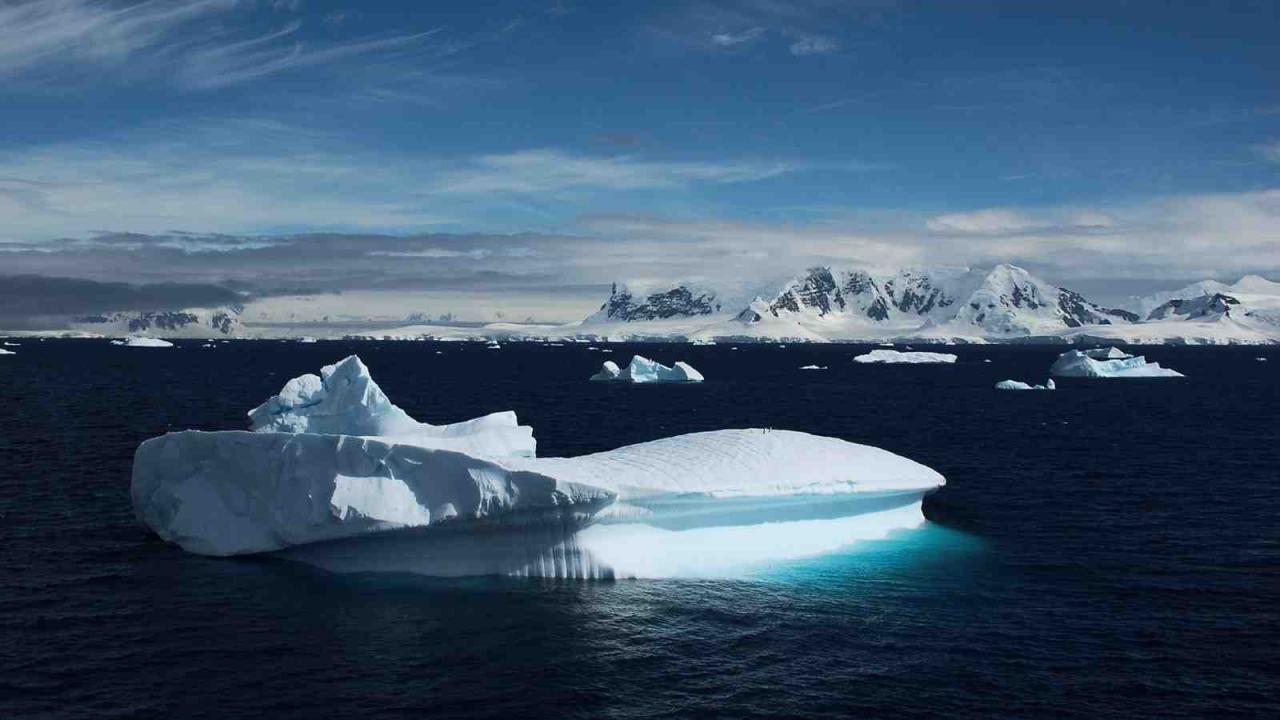
The melting of Antarctica’s ice sheets isn’t just a regional problem; it’s a global threat amplified by a series of interconnected feedback loops. These loops accelerate warming, creating a vicious cycle that significantly increases the rate of climate change and its devastating consequences worldwide. Understanding these feedback mechanisms is crucial to grasping the urgency of addressing climate change.The Antarctic ice sheet’s vast expanse plays a critical role in regulating global temperatures through its albedo effect.
This effect refers to the reflectivity of a surface; bright, icy surfaces reflect a large portion of incoming solar radiation back into space, helping to keep the planet cool. However, as the ice melts, this reflective surface is replaced by darker ocean water or land, which absorbs significantly more solar radiation. This increased absorption leads to further warming, causing more ice to melt – a classic positive feedback loop.
This process is not isolated to Antarctica; similar albedo changes are observed in the Arctic, further contributing to global warming.
Albedo Effect and Ice Melt, Why the defrosting of antarctica will be felt everywhere
The albedo effect’s impact on global temperatures is substantial. Studies have shown that even relatively small decreases in ice cover can lead to a measurable increase in regional and global temperatures. For example, the observed decrease in Arctic sea ice extent has already contributed to amplified warming in the Arctic region, affecting weather patterns across the Northern Hemisphere.
The same principle applies to Antarctica, albeit on a larger scale due to the sheer size of the ice sheet. The reduction in albedo resulting from Antarctic ice melt contributes to a faster rate of global warming, accelerating the melting of other ice sheets and glaciers around the world. This accelerates sea-level rise and disrupts ocean currents, creating a domino effect on the global climate system.
Methane Release from Thawing Permafrost
Beyond the albedo effect, the melting of Antarctic ice contributes to the release of potent greenhouse gases, further accelerating climate change. While not directly permafrost in the same way as the Arctic, the Antarctic seabed contains vast reserves of methane hydrates, a form of methane trapped within ice-like structures. As ocean temperatures rise due to climate change, these hydrates become destabilized, releasing methane into the atmosphere.
Methane is a far more potent greenhouse gas than carbon dioxide, meaning even relatively small releases can have a significant warming effect. The release of methane from thawing Antarctic seabed permafrost amplifies the warming caused by the melting ice, creating another positive feedback loop. Recent studies have indicated that the rate of methane release from these sources is increasing, adding further concern about the accelerating pace of climate change.
Antarctic Tipping Points and Global Consequences
Several tipping points exist within the Antarctic climate system, each with potentially catastrophic global consequences. One critical tipping point is the collapse of the West Antarctic Ice Sheet (WAIS). This massive ice sheet is grounded below sea level, making it particularly vulnerable to melting and instability. Its collapse could contribute to a significant and rapid rise in global sea levels, potentially displacing millions of people and causing widespread coastal flooding.
Another potential tipping point involves the disruption of major ocean currents, such as the Antarctic Circumpolar Current (ACC). Changes in the ACC’s strength and trajectory could have far-reaching impacts on global weather patterns, potentially leading to more frequent and intense extreme weather events. These are not isolated events; their interconnected nature creates a cascade effect that makes predicting the full extent of the consequences extremely challenging.
The potential for cascading effects from these tipping points highlights the need for urgent and effective action to mitigate climate change.
The defrosting of Antarctica isn’t just an environmental concern; it’s a global crisis that demands our immediate attention. The interconnectedness of our planet’s systems means that what happens in Antarctica affects us all. From rising sea levels to extreme weather events, the consequences are far-reaching and potentially devastating. While the challenges are significant, understanding the science and the potential impacts is the first step towards developing effective mitigation strategies and building a more resilient future.
Let’s not underestimate the urgency of this situation.