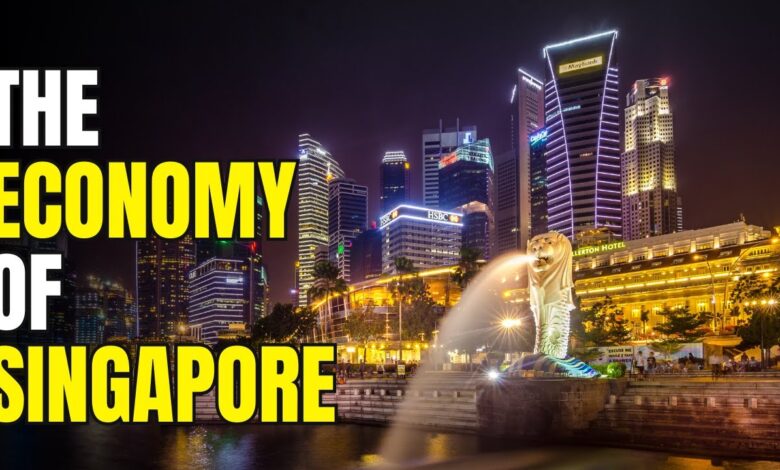
Singapore Has Achieved Astounding Economic Success
Singapore has achieved astounding economic success, a remarkable feat built on a foundation of strategic planning, robust infrastructure, and a highly skilled workforce. From its humble beginnings as a small island nation, Singapore has transformed itself into a global economic powerhouse, attracting significant foreign investment and establishing itself as a key player in international trade and finance. This journey is a fascinating case study in effective governance and long-term vision.
The island nation’s success story isn’t just about luck; it’s a testament to deliberate policies focused on education, innovation, and a business-friendly environment. We’ll delve into the key factors contributing to this phenomenal rise, exploring everything from Singapore’s strategic location and world-class infrastructure to its forward-thinking investments in human capital and technology.
Government Policies and Economic Strategies
Singapore’s astounding economic success isn’t accidental; it’s the result of a carefully crafted and consistently implemented set of government policies and economic strategies. These policies, characterized by pragmatism, long-term vision, and a commitment to meritocracy, have transformed the island nation from a small trading post to a global economic powerhouse. This success wasn’t achieved overnight, but through decades of strategic planning and adaptation.Singapore’s economic growth has been fueled by a proactive government deeply involved in shaping the nation’s economic landscape.
This interventionist approach, while sometimes debated, has been instrumental in steering the country towards its ambitious goals. The government’s role extends far beyond simple regulation; it actively participates in strategic planning, infrastructure development, and talent cultivation.
Strategic Investments in Infrastructure and Education
A cornerstone of Singapore’s economic success is its massive investment in infrastructure and human capital. The creation of a world-class port, Changi Airport, and a highly efficient public transportation system has facilitated trade and attracted foreign investment. Simultaneously, a strong emphasis on education, from primary school to tertiary institutions, has cultivated a highly skilled workforce capable of adapting to the evolving global economy.
This dual focus on physical and human infrastructure has laid the foundation for sustained economic growth. For instance, the development of Jurong Island, a petrochemical hub, exemplifies the government’s proactive approach to attracting industry and building economic clusters. The investment in education is evident in the high literacy rates and the consistently strong performance of Singaporean students in international assessments.
Attracting Foreign Investment and Fostering Entrepreneurship
Singapore’s government has actively courted foreign investment, creating a business-friendly environment characterized by low corruption, political stability, and a highly efficient bureaucracy. The Economic Development Board (EDB) plays a crucial role in attracting multinational corporations and facilitating their operations. Furthermore, the government has implemented various initiatives to foster entrepreneurship, including providing funding, mentorship programs, and incubators for startups.
This proactive approach has resulted in Singapore becoming a hub for innovation and technology, attracting a significant amount of foreign direct investment (FDI) annually. The success of companies like Grab, a Southeast Asian ride-hailing giant, partially reflects this supportive ecosystem.
Singapore’s economic miracle is truly remarkable; their strategic planning and execution are legendary. It makes you think about the impact of consistent, favorable conditions – a stark contrast to, say, the challenges presented by issues like the booming mosquito populations discussed in this fascinating article, americas endless summers are good for mosquitoes too. Ultimately, Singapore’s success highlights the importance of proactive management in achieving long-term prosperity.
Comparison with Other Successful Economies
Compared to other successful economies like South Korea or Japan, Singapore’s approach stands out due to its high degree of government intervention. While South Korea and Japan also experienced periods of state-led industrialization, Singapore’s strategy involved a more direct and active role in shaping specific industries and attracting FDI. The focus on meritocracy and a highly skilled workforce, however, mirrors the emphasis placed on human capital development in these other East Asian economies.
Unlike the more laissez-faire approach adopted by some Western economies, Singapore’s model demonstrates the potential of a strategic partnership between the government and the private sector.
Long-Term Economic Planning and its Effectiveness
Singapore’s economic success is deeply rooted in its long-term economic planning. The government regularly revises its plans, adapting to global economic shifts and technological advancements. Five-year plans, for example, Artikel key economic objectives and strategies. The consistent pursuit of these long-term goals, coupled with a willingness to adapt and adjust based on real-world outcomes, has been crucial to Singapore’s ability to weather economic storms and maintain sustainable growth.
The effectiveness of this approach is evidenced by Singapore’s consistent ranking among the world’s most competitive economies. The consistent adaptation of its economic strategy has allowed Singapore to transition from a manufacturing-based economy to a knowledge-based economy, showcasing the flexibility and foresight embedded within its long-term planning.
Human Capital Development and Education: Singapore Has Achieved Astounding Economic Success
Singapore’s astounding economic success isn’t solely attributable to strategic government policies; a significant contributing factor is its unwavering commitment to human capital development through a robust and adaptable education system. This system, designed to cultivate a highly skilled and adaptable workforce, has been instrumental in propelling Singapore to its current economic standing. The nation’s investment in education and training has not only created a skilled workforce but also fostered a culture of lifelong learning, essential for navigating the ever-evolving global landscape.Singapore’s education system has consistently adapted to the changing demands of the global economy.
Recognizing the need for a workforce equipped with future-ready skills, the government has continuously invested in upgrading its educational infrastructure and curriculum. This includes substantial investment in technological advancements within schools, teacher training programs focusing on innovative pedagogical approaches, and the development of specialized training programs to meet the demands of emerging industries. This proactive approach ensures that Singapore’s workforce remains competitive on the international stage.
Investment in Education and Training
Singapore’s dedication to education is evident in its substantial and sustained investment in this sector. A significant portion of the national budget is allocated to education, funding not only primary and secondary schooling but also tertiary education, vocational training, and continuous professional development programs. This commitment ensures access to quality education for all citizens, regardless of socioeconomic background, fostering a meritocratic system where talent and ability are the primary determinants of success.
Singapore’s economic miracle is a testament to strategic planning and adaptability. Thinking about their success makes me wonder about other nations navigating complex geopolitical landscapes, like Israel, whose continued strong ties with Europe are fascinating; check out this insightful article on why Israel has not yet lost Europe to see how resilience plays a role. Ultimately, both Singapore’s economic prowess and Israel’s European connections highlight the importance of strategic partnerships in achieving long-term success.
For example, the SkillsFuture initiative, launched in 2015, provides extensive training and upskilling opportunities for Singaporeans throughout their careers, enabling them to adapt to technological advancements and industry shifts. The government also provides generous scholarships and financial aid to support students pursuing higher education both locally and internationally.
Adaptation to Changing Global Economic Demands
The Singaporean education system isn’t static; it’s constantly evolving to meet the dynamic needs of the global economy. The curriculum is regularly reviewed and updated to incorporate emerging technologies and skills relevant to future industries. For example, the emphasis on STEM (Science, Technology, Engineering, and Mathematics) education has increased significantly, reflecting the growing importance of these fields in the global economy.
Furthermore, the integration of critical thinking, problem-solving, and collaborative skills into the curriculum prepares students for complex and rapidly changing work environments. The development of specialized institutes and centers of excellence, focusing on specific industries and emerging technologies, further strengthens the country’s ability to adapt to global economic shifts.
Initiatives Promoting Lifelong Learning and Upskilling
Recognizing that skills need constant updating, Singapore has implemented numerous initiatives to promote lifelong learning and upskilling. The aforementioned SkillsFuture initiative is a prime example, providing individuals with access to a wide range of training courses and subsidies to help them acquire new skills or enhance existing ones. This initiative also includes career guidance and mentorship programs to support individuals in their career development.
Other initiatives focus on reskilling older workers, helping them to transition into new roles and remain relevant in the changing job market. These programs are crucial in maintaining Singapore’s competitive edge in the global economy.
Key Characteristics of Singapore’s Education System Fostering Economic Success, Singapore has achieved astounding economic success
The success of Singapore’s education system is a result of several key characteristics:
- Emphasis on Meritocracy: A strong emphasis on meritocracy ensures that talented individuals are identified and supported, regardless of their background.
- Strong Government Investment: Significant government investment provides access to quality education for all citizens.
- Focus on STEM Education: A strong focus on STEM subjects equips the workforce with the skills needed for the technology-driven economy.
- Adaptable Curriculum: The curriculum is regularly updated to meet the evolving needs of the global economy.
- Lifelong Learning Initiatives: Programs like SkillsFuture support continuous learning and upskilling throughout individuals’ careers.
- Emphasis on Practical Skills: The education system places significant emphasis on practical skills and their application in real-world settings.
- Strong Teacher Training: High-quality teacher training ensures effective teaching and learning.
Innovation and Technological Advancement
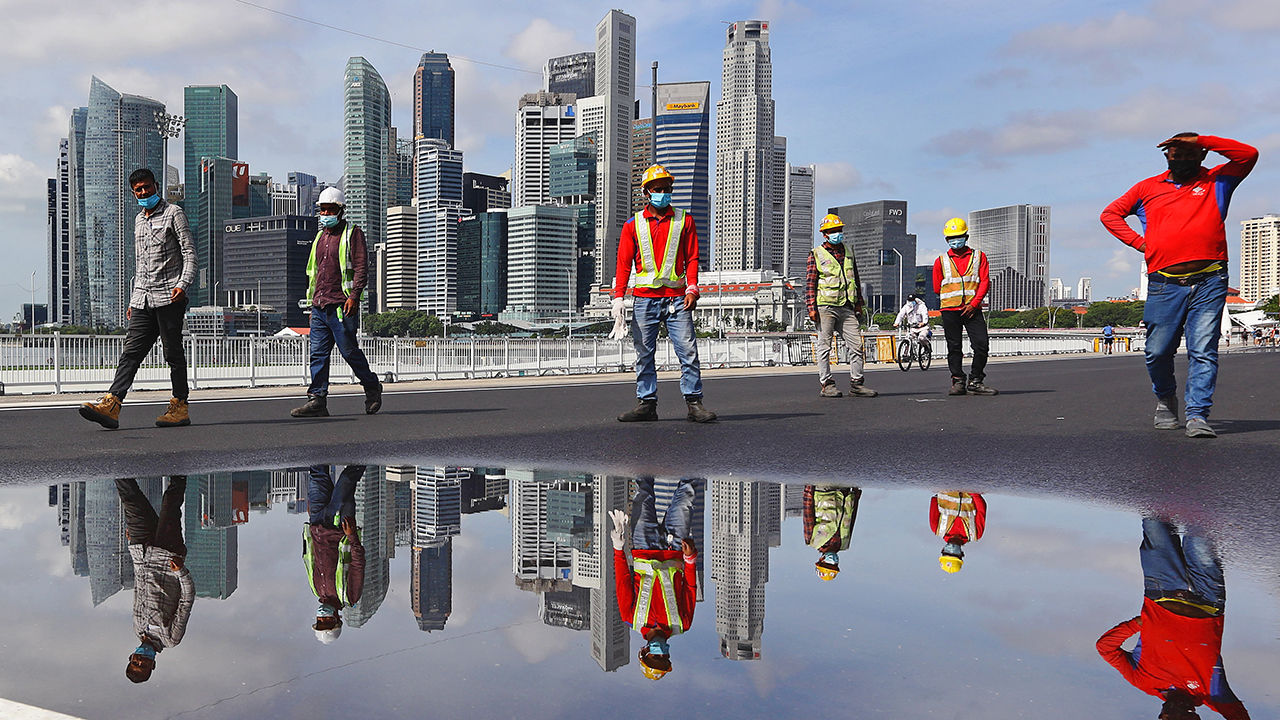
Singapore’s remarkable economic success story is inextricably linked to its proactive embrace of technological innovation. From its early days as a trading hub, the nation has consistently prioritized technological advancement across various sectors, transforming itself into a high-value, knowledge-based economy. This commitment isn’t merely reactive; it’s a strategic cornerstone of Singapore’s long-term economic planning.Technological innovation has fueled Singapore’s economic growth by enhancing productivity, creating new industries, and attracting foreign investment.
Singapore’s economic miracle is a testament to strategic planning and execution. It’s fascinating to consider how such meticulous foresight contrasts with the seemingly intractable problems facing cosmology, as highlighted in this insightful article on the looming crisis in cosmology. The sheer scale of the universe’s mysteries, compared to the precision of Singapore’s development, makes you appreciate the different challenges of understanding the cosmos versus building a nation.
The country’s success is not solely attributed to its technological prowess, but also to the strategic implementation and government support that facilitates the adoption and development of new technologies. This proactive approach, coupled with a highly skilled workforce, has placed Singapore at the forefront of global technological development.
Government Support for Technological Advancement
The Singaporean government plays a pivotal role in fostering technological advancement through various initiatives. Agencies like the Economic Development Board (EDB) and the Agency for Science, Technology and Research (A*STAR) actively promote research and development, attract foreign technology companies, and support local startups. Significant financial investments are channeled into research grants, infrastructure development (like dedicated research parks and innovation hubs), and talent development programs.
Furthermore, the government implements policies that encourage technology adoption across industries, streamlining regulations and providing incentives for businesses to invest in R&D. For example, the tax incentives for R&D expenditure significantly encourage private sector investment in innovation. These initiatives create a fertile ecosystem where innovation can flourish and translate into tangible economic benefits.
Comparison with Other Leading Economies
Singapore’s approach to technological innovation differs from other leading economies in its highly centralized and strategic approach. While countries like the United States boast a vibrant, decentralized innovation ecosystem driven largely by private sector initiatives, Singapore’s model emphasizes strong government guidance and coordination. This approach allows for targeted investments in specific technological areas aligned with national economic goals, leading to a more focused and potentially faster rate of technological adoption across the economy.
However, this centralized model also carries the risk of becoming less adaptable to rapid shifts in technological trends if the government’s predictions are inaccurate or if bureaucracy hinders the agility required in the fast-paced tech world. Compared to Silicon Valley’s organic, bottom-up innovation, Singapore’s approach is more deliberate and top-down, reflecting its unique economic and political context.
Major Technological Advancements and their Economic Impact
The following table highlights some key technological advancements in Singapore and their significant economic impact:
| Technological Advancement | Sector | Economic Impact | Example |
|---|---|---|---|
| Smart Nation Initiative | Various (Transportation, Healthcare, Public Services) | Increased efficiency, improved public services, enhanced quality of life, attracted tech talent | Implementation of smart traffic management systems reducing congestion and improving commute times. |
| Biomedical Sciences | Healthcare, Pharmaceuticals | Creation of high-value jobs, attracted foreign investment, established Singapore as a global biomedical hub | Development and manufacturing of advanced medical devices and pharmaceuticals. |
| Fintech | Financial Services | Increased financial inclusion, enhanced efficiency in financial transactions, attracted fintech companies | Development and adoption of digital payment systems and online banking platforms. |
| Advanced Manufacturing | Manufacturing, Logistics | Increased productivity, automation of manufacturing processes, enhanced competitiveness | Adoption of robotics and automation in manufacturing plants, leading to higher output and lower costs. |
Singapore’s Role in Global Trade and Finance
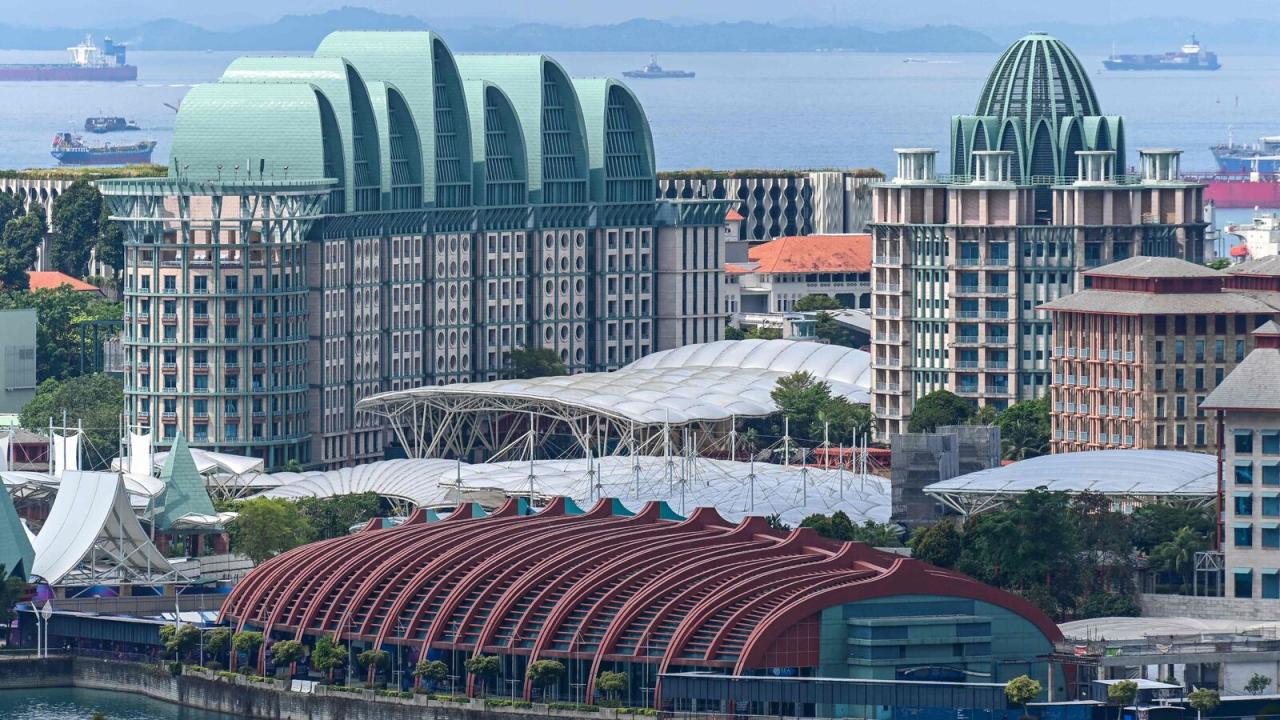
Singapore’s phenomenal economic success is intrinsically linked to its strategic positioning as a global hub for trade and finance. Its small size hasn’t hindered its ambition; instead, it has leveraged its geographical location and proactive government policies to become a critical node in the intricate web of international commerce and capital flows. This dominance isn’t accidental but the result of decades of deliberate planning and execution.Singapore’s remarkable rise as a global trade and finance center is a testament to its open economic policies and strategic partnerships.
The nation’s commitment to free trade agreements has significantly reduced barriers to entry for both domestic and international businesses, fostering a dynamic and competitive environment. This openness, coupled with a robust infrastructure and a stable political climate, has attracted substantial foreign direct investment, contributing significantly to economic growth and diversification.
Singapore’s Free Trade Agreements and Open Economic Policies
Singapore’s commitment to free trade is evident in its extensive network of Free Trade Agreements (FTAs). These agreements eliminate or reduce tariffs and other trade barriers with numerous countries and regions, facilitating the seamless flow of goods and services. For example, the Comprehensive and Progressive Agreement for Trans-Pacific Partnership (CPTPP) and the EU-Singapore Free Trade Agreement provide Singaporean businesses with preferential access to vast markets, boosting exports and attracting foreign investment.
The benefits are mutual; these agreements also provide Singaporean consumers with access to a wider range of goods at competitive prices. This strategy has been instrumental in transforming Singapore into a major trading nation.
The Role of Singapore’s Financial Institutions in Supporting Economic Growth
Singapore boasts a sophisticated and highly developed financial sector, acting as a crucial engine for economic growth. Its financial institutions, ranging from major international banks to specialized asset management firms, play a vital role in channeling capital to businesses, facilitating investment, and managing risk. The Monetary Authority of Singapore (MAS), the country’s central bank, maintains a stable macroeconomic environment and fosters innovation within the financial sector.
This stability and regulatory clarity attract significant international investment, further solidifying Singapore’s position as a leading financial center in Asia and globally. The presence of major global banks and financial institutions in Singapore underpins its role in global capital markets.
Visual Representation of Singapore’s Global Trade Networks
Imagine a brightly colored, interconnected network map. At its center is Singapore, represented by a large, shining star. From this central star radiate numerous lines, each a different color, representing different trade routes and partnerships. Thicker lines indicate stronger trade relationships, while the color-coding differentiates trading partners by region (e.g., Asia in shades of red, Europe in blues, Americas in greens, etc.).
Each line ends in a smaller node, representing a major trading partner—cities like Shanghai, Hong Kong, London, New York, and Los Angeles. The map would visually depict the vast reach of Singapore’s trade networks, highlighting its crucial role in facilitating global commerce. The density of lines converging on Singapore emphasizes its central position within the global trading system, illustrating the volume and diversity of its trade flows.
The dynamism of the network, constantly evolving with new connections and strengthening existing ties, reflects Singapore’s continuous adaptation and growth within the global marketplace.
Challenges and Future Outlook
Singapore’s remarkable economic success story, built on strategic planning and adaptability, faces a new set of challenges in the 21st century. Maintaining its competitive edge requires proactive measures to address evolving global dynamics and internal structural shifts. The future hinges on successfully navigating these complexities and continuing to innovate and adapt.
Aging Population and Shrinking Workforce
Singapore’s rapid economic development has coincided with a significant decline in fertility rates, resulting in a rapidly aging population. This demographic shift presents a substantial challenge to the nation’s long-term economic growth. A shrinking workforce means fewer contributors to the national economy and increased strain on social security systems. The government is actively implementing policies to encourage higher birth rates, including financial incentives and enhanced childcare support.
Furthermore, efforts are underway to raise the retirement age and encourage older workers to remain active in the workforce, leveraging their experience and skills. The success of these policies will be crucial in mitigating the negative economic impacts of an aging population. For example, the progressive increase in the Minimum Retirement Age and the CPF (Central Provident Fund) system are key pillars of this strategy.
Skills Mismatch and Future-Proofing the Workforce
The rapid pace of technological advancement necessitates a workforce equipped with the skills needed for the jobs of tomorrow. A skills mismatch, where available talent doesn’t align with industry demands, poses a significant threat to Singapore’s economic competitiveness. To address this, the government is investing heavily in education and training programs focused on emerging technologies like artificial intelligence, data analytics, and cybersecurity.
Initiatives like SkillsFuture, a national movement to enhance skills development, aim to equip Singaporeans with the skills necessary to thrive in a rapidly changing job market. This involves providing opportunities for upskilling and reskilling throughout a person’s career, ensuring that the workforce remains adaptable and relevant. The emphasis is on lifelong learning, enabling individuals to acquire new skills and adapt to evolving industry needs.
Global Economic Uncertainty and Geopolitical Risks
Singapore’s highly open and globally integrated economy makes it vulnerable to global economic shocks and geopolitical uncertainties. Fluctuations in global trade, rising protectionism, and regional instability can significantly impact Singapore’s economic performance. To mitigate these risks, the government is diversifying its economic partnerships, strengthening regional ties, and promoting economic resilience through strategic investments in key sectors. For instance, Singapore’s active participation in the Regional Comprehensive Economic Partnership (RCEP) agreement demonstrates its commitment to maintaining open trade relationships and fostering regional economic integration.
Furthermore, efforts are underway to cultivate a robust and diversified financial sector, capable of weathering global economic storms.
Maintaining Innovation and Technological Leadership
Singapore’s success has been significantly driven by its commitment to innovation and technological advancement. Maintaining this leadership requires continuous investment in research and development, fostering a vibrant startup ecosystem, and attracting top talent in the fields of science and technology. The government is actively supporting initiatives aimed at promoting technological innovation, including substantial funding for research institutions and incentives for businesses to invest in R&D.
The creation of innovation hubs and technology parks provides a fertile ground for technological advancements, attracting both local and international companies. Examples include the Biopolis, a biomedical sciences hub, and Fusionopolis, a technology cluster focused on information and communication technologies. Continued investment in these areas is crucial for Singapore to remain at the forefront of technological innovation.
Singapore’s economic success is a compelling narrative of strategic vision, unwavering commitment, and adaptability. While challenges remain, particularly concerning an aging population and maintaining global competitiveness, Singapore’s history demonstrates a remarkable capacity to overcome obstacles and innovate. Its journey serves as an inspiring example for other nations seeking to achieve sustainable economic growth and prosperity, proving that with the right policies and a forward-thinking approach, even the smallest nations can achieve greatness on the world stage.