Real Madrid Faces Uphill Battle in Champions League Quarter-Final Second Leg Against Bayern Munich

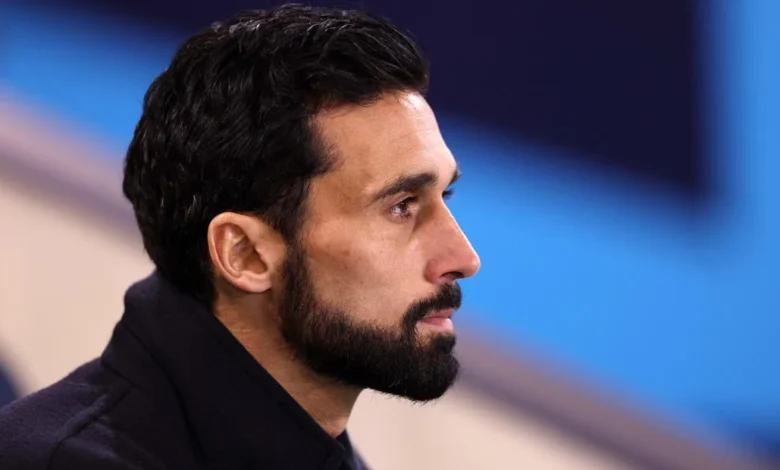
Munich, Germany – April 15, 2026 – Real Madrid arrives at the iconic Allianz Arena with a significant objective: to overturn a one-goal deficit against Bayern Munich in the second leg of their UEFA Champions League quarter-final tie. The Spanish giants, who fell 1-2 in the first leg at home, are under immense pressure to display a sharper attacking edge on German soil if they are to advance to the semi-finals. The crucial encounter is scheduled to kick off at 02:00 WIB on Thursday, April 16, 2026.
The first leg, held at the Santiago Bernabéu last week, saw Real Madrid dominate possession and create numerous scoring opportunities, yet they could only convert one chance through a clinical finish by Kylian Mbappé. This starkly contrasts with Bayern Munich’s efficiency, who capitalized on their limited but crucial chances to secure a vital away victory. This slender advantage places Bayern in a commanding position heading into the return fixture.
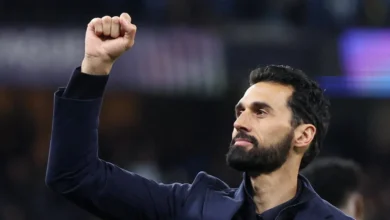
For Real Madrid, the task is clear and demanding: they must win by a margin of at least two goals to secure direct passage to the semi-final stage. This is a familiar scenario for the storied club, renowned for its history of dramatic comebacks in Europe’s premier club competition. Manager Álvaro Arbeloa, while acknowledging the challenge, believes the mission is still attainable for his squad.
Arbeloa Calls for Clinical Finishing and Improved Performance
In the wake of the first-leg defeat, Arbeloa has emphasized the need for his players to be more decisive in front of goal. Despite generating nine shots on target in the home fixture, the team’s inability to convert a greater proportion of these chances proved to be their undoing. The Spanish tactician stressed the importance of maximizing any opportunities that arise in Munich, suggesting that the opportunities might be scarcer in the second leg.
"We need to improve many aspects of our game," Arbeloa stated, as quoted by the club’s official website. "It is crucial to maximize our chances; I believe we will not have as many opportunities as we did in the first leg. However, in matches like these, if you are capable of scoring, it significantly boosts your confidence."
He continued, "We have to score goals if we want to win and advance to the next stage. We must play exceptionally well tomorrow." This sentiment underscores the high stakes and the tactical adjustments expected from Real Madrid as they prepare to face a formidable Bayern side in their own backyard.
Historical Context and Champions League Pedigree
The fixture between Bayern Munich and Real Madrid is one of the most storied rivalries in the history of the UEFA Champions League. Both clubs boast unparalleled success in the competition, with Real Madrid holding the record for the most titles (14) and Bayern Munich standing as one of the most consistent contenders, having lifted the trophy six times. Their encounters are often characterized by intense battles, tactical duels, and moments of individual brilliance.
Historically, these two European giants have met on numerous occasions in the knockout stages of the Champions League, with many of these ties decided by the narrowest of margins. The aggregate scoreline of 2-1 from the first leg sets a precedent for another closely contested affair. Real Madrid’s pedigree in overturning deficits is well-documented; the club has a history of resilience and an uncanny ability to perform under pressure in crucial European nights.
Bayern Munich’s Home Advantage and Tactical Approach
The Allianz Arena is renowned as one of the most intimidating venues in European football. Bayern Munich, under the guidance of their current management, has cultivated a formidable home record, particularly in the Champions League. Their ability to control games and exploit opponents’ weaknesses at home makes them a dangerous proposition for any visiting team.
While the specific tactical approach of Bayern Munich for the second leg remains to be seen, their performance in the first leg indicated a disciplined defensive structure combined with incisive attacking play. Their ability to absorb pressure and strike effectively on the counter-attack proved to be a successful strategy. It is anticipated that they will aim to maintain this solidity while looking to capitalize on any lapses in concentration from the Real Madrid defense.
Supporting Data and Statistical Insights
Analyzing the first leg provides valuable insights into the strengths and weaknesses of both teams. Real Madrid’s nine shots on target indicate their offensive intent and their ability to penetrate the Bayern defense. However, the low conversion rate suggests issues with final product or perhaps exceptional goalkeeping and defending from Bayern.
Conversely, Bayern’s two goals from fewer shots highlight their efficiency. This statistic suggests that while Real Madrid might create more volume of chances, Bayern is more adept at converting their opportunities into tangible results. This is a crucial factor for Real Madrid to address. Their average of 1.5 goals conceded per game in the first leg is a concern that needs immediate attention.
Furthermore, looking at their respective domestic league performances can offer additional context. Real Madrid has been in strong form in La Liga, often dominating games and scoring freely. Bayern Munich, while also a top contender in the Bundesliga, has faced more challenges this season, which could potentially impact their European campaign. However, the Champions League often brings out the best in established clubs, and past performance does not always predict future outcomes.
Potential Implications and Broader Impact
The outcome of this quarter-final tie will have significant implications for both clubs. For Real Madrid, a successful comeback would not only propel them closer to a record-extending Champions League title but also serve as a major morale boost for the remainder of their season. It would reaffirm their status as European football’s elite and showcase their resilience under pressure. Failure to overturn the deficit, however, would lead to scrutiny and questions about their European ambitions for the current campaign.
For Bayern Munich, advancing to the semi-finals would solidify their position as one of the top contenders for the Champions League trophy. It would also provide a significant lift to their domestic campaign, potentially influencing their momentum in the Bundesliga. A defeat, particularly after securing an away win in the first leg, would be a considerable disappointment and could lead to further analysis of their overall performance this season.
The broader impact of this tie extends to the competitive landscape of European football. The progression of either club would shape the narrative of the latter stages of the Champions League and influence the final draw for the semi-finals. The clash represents a classic encounter between two clubs with rich histories and immense fan bases, and its resolution will be keenly watched by football enthusiasts worldwide.
Chronology of the Tie
- First Leg (April 8, 2026): Real Madrid hosts Bayern Munich at the Santiago Bernabéu. Bayern secures a crucial 2-1 victory, establishing a one-goal advantage heading into the second leg.
- Pre-Match Build-up: Both teams engage in intensive training and tactical preparations for the return fixture. Managerial comments and player interviews highlight the significance of the match.
- Second Leg (April 16, 2026): Real Madrid travels to the Allianz Arena to face Bayern Munich. The match kicks off at 02:00 WIB, with Real Madrid needing to overcome a 2-1 deficit.
Official Statements and Reactions (Inferred)
While specific official statements from Bayern Munich’s camp regarding their approach to the second leg are not detailed in the provided text, it is reasonable to infer that they would be focused on maintaining their defensive solidity and exploiting any opportunities for counter-attacks. Their manager would likely emphasize the importance of staying composed, not conceding early goals, and leveraging the home crowd’s support.
From a Real Madrid perspective, Arbeloa’s comments clearly indicate a strategic focus on offensive efficiency and a determination to seize control of the game. The team’s training sessions would undoubtedly be geared towards improving their finishing and defensive organization, aiming to address the shortcomings identified in the first leg. The players themselves would be expected to express a collective desire to fight for every ball and demonstrate the fighting spirit synonymous with the club.
Analysis of Implications
The tactical battleground at the Allianz Arena promises to be intense. Real Madrid’s need to score multiple goals will likely compel them to adopt a more attacking posture, potentially leaving them vulnerable to Bayern’s counter-attacking prowess. The effectiveness of Real Madrid’s midfield in controlling possession and creating clear-cut chances will be paramount. Their ability to defend set pieces and avoid individual errors will also be critical in neutralizing Bayern’s threats.
For Bayern, the challenge lies in absorbing Real Madrid’s pressure and remaining disciplined defensively. Their ability to frustrate Real Madrid and then capitalize on any defensive frailties will be key to their progression. The performance of their key attacking players, who proved decisive in the first leg, will be closely scrutinized.
The narrative of this tie is one of a classic European heavyweight clash, where history, form, and tactical acumen all play a role. Real Madrid’s quest for another Champions League triumph hinges on their ability to execute their game plan flawlessly and convert their chances when they matter most, against a formidable opponent in a hostile environment. The stage is set for a captivating conclusion to this quarter-final showdown.