
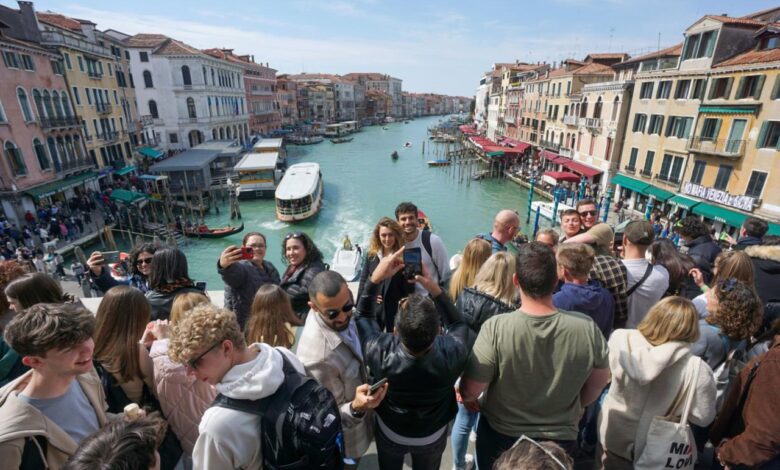
Venices New Admission Fee Cannot Curb Overtourism
Venices new admission fee cannot curb overtourism – Venice’s new admission fee cannot curb overtourism – that’s the harsh reality facing this iconic city. While the fee aims to manage the overwhelming number of visitors and generate revenue, it’s a complex issue with far-reaching economic, social, and environmental consequences. Will it truly solve the problem, or simply shift the burden? Let’s dive into the debate.
The new fee is intended to alleviate overcrowding, protect Venice’s fragile infrastructure, and generate funds for preservation efforts. However, critics argue that it doesn’t address the root causes of overtourism, such as the massive cruise ships that daily descend upon the city, and that it disproportionately impacts budget travelers and local businesses. The economic implications are significant, with potential revenue gains from the fee weighed against potential losses in other sectors.
This raises important questions about the long-term sustainability of Venice’s tourism model and the well-being of its residents.
The Economic Impact of the New Fee
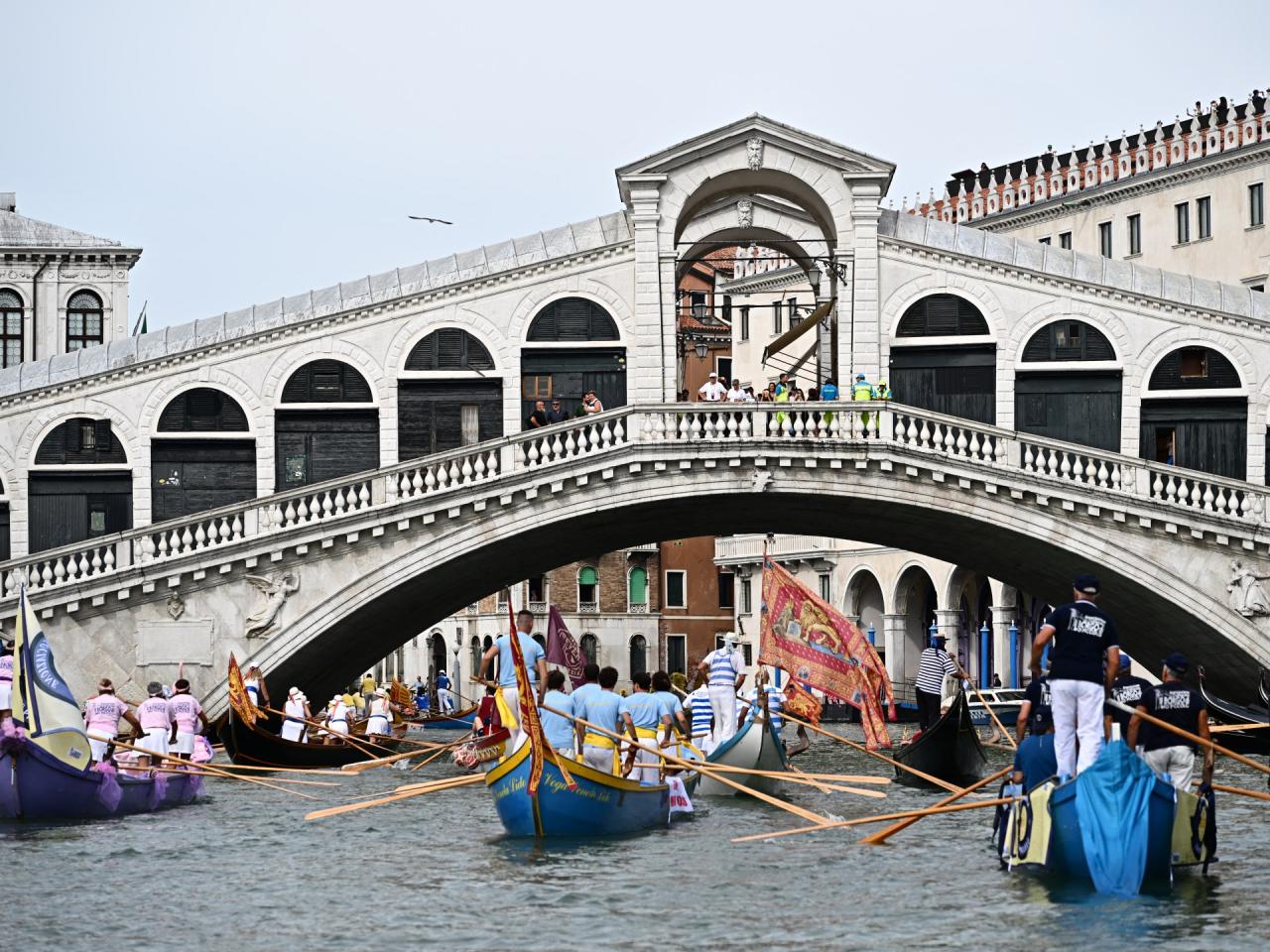
Venice’s new admission fee, while intended to curb overtourism, presents a complex economic picture. The short-term effects are likely to be mixed, with some sectors experiencing immediate losses while others might see short-term gains. The long-term implications, however, are harder to predict and depend heavily on how effectively the city manages the transition and the overall impact on tourism.The immediate impact will be felt most acutely in the hospitality sector.
Hotels, guesthouses, and Airbnb rentals might experience a decrease in bookings, particularly from budget travelers who might be deterred by the added cost. Local businesses, especially those reliant on high tourist volumes like souvenir shops and smaller restaurants, could also see a dip in revenue. Conversely, the city will generate new income through the admission fee itself. This revenue could be used to improve infrastructure, support local businesses, and fund initiatives aimed at enhancing the visitor experience for those who do choose to visit.
However, the net effect will depend on the balance between revenue gained from the fee and losses incurred in other sectors.
Short-Term Economic Effects
The short-term effects are likely to be a period of adjustment. Initially, a decrease in tourist numbers is expected, leading to lower revenue for businesses directly dependent on tourism. However, the city could also see a shift in the type of tourist visiting, potentially attracting a more affluent and respectful visitor who is less likely to contribute to overcrowding and negative impacts on the city’s infrastructure and environment.
This could lead to a more sustainable and higher-quality tourism experience for both residents and visitors in the long run. The success of this transition will hinge on the city’s ability to effectively manage the revenue generated by the fee and reinvest it wisely.
Long-Term Economic Effects
The long-term effects are more uncertain but potentially more positive. If the fee successfully reduces overcrowding, it could lead to a significant improvement in the quality of life for residents. Less congestion would mean less noise and pollution, potentially attracting higher-spending tourists and residents alike. This, in turn, could boost the local economy by supporting higher-value businesses and services.
Furthermore, the improved environment could make Venice a more attractive destination for long-term stays and investment, potentially diversifying the economy beyond reliance on short-term tourism. However, if the fee proves too high and significantly reduces overall tourist numbers, the long-term economic impact could be negative, particularly for businesses heavily dependent on tourism.
Projected Revenue and Losses
Predicting the exact economic impact is challenging, but we can create a hypothetical scenario based on reasonable estimates. Let’s assume that the fee generates €50 million annually. This is a projection and should not be taken as definitive. Simultaneously, let’s consider potential losses in other sectors. This projection is based on hypothetical scenarios and requires further research to confirm.
| Sector | Projected Revenue Loss (€ millions) | Projected Revenue Gain from Fee (€ millions) | Net Effect (€ millions) |
|---|---|---|---|
| Hospitality | 20 | 5 | -15 |
| Retail (Souvenirs, etc.) | 15 | 2 | -13 |
| Restaurants | 10 | 3 | -7 |
| Total | 45 | 50 | 5 |
The Effectiveness of the Fee in Curbing Overtourism: Venices New Admission Fee Cannot Curb Overtourism
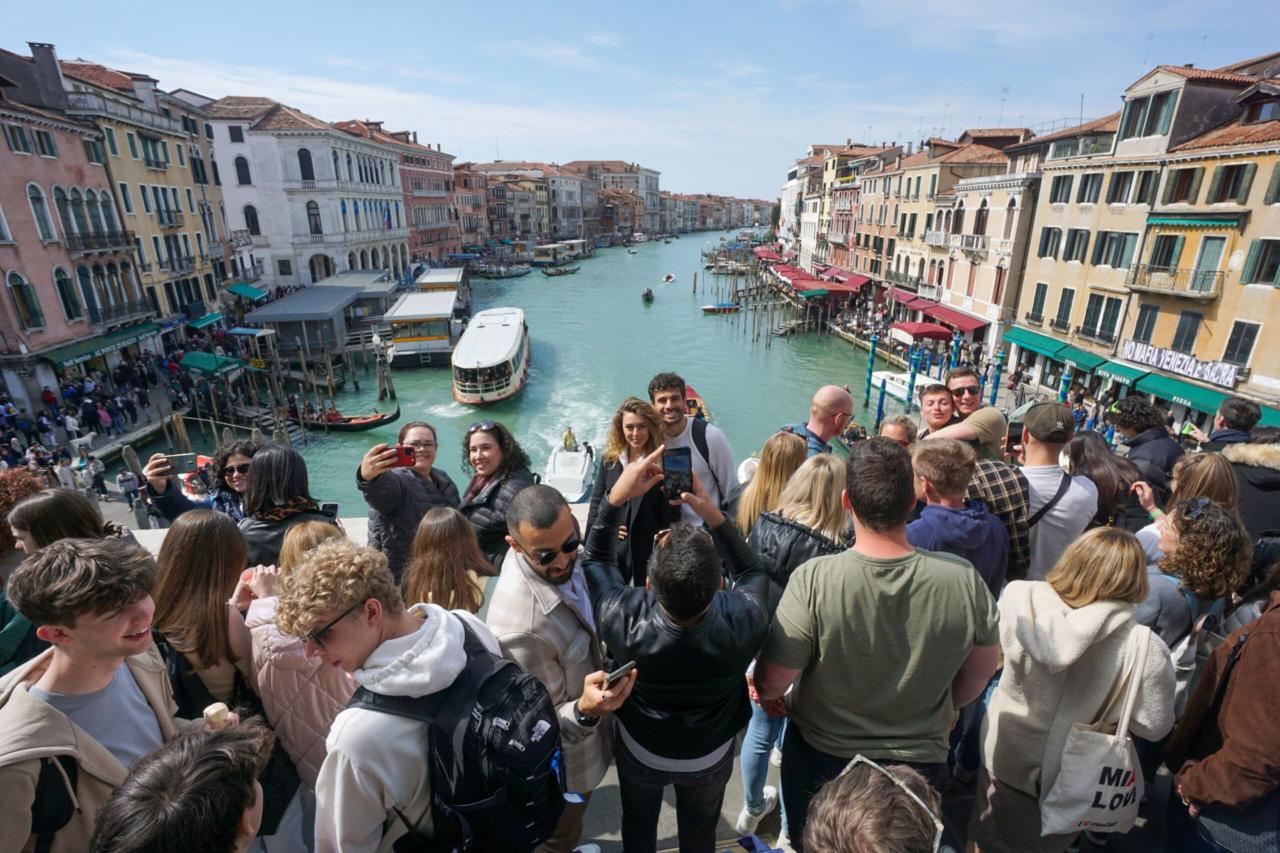
Venice’s new admission fee, while aiming to alleviate the strain of overtourism, is unlikely to be a silver bullet solution. The problem is far more complex than simply the sheer number of visitors; it’s a multifaceted issue encompassing the environmental impact, the quality of visitor experience, and the overall economic sustainability of the city. A more nuanced approach is needed to truly address the root causes of overtourism in Venice.The impact of cruise ships, for example, is significant and often overlooked.
These massive vessels disgorge thousands of passengers into the city for a few hours, contributing to overcrowding and congestion without generating substantial economic benefits for the local community. Furthermore, their wake causes significant erosion to the city’s fragile foundations. Unsustainable tourism practices, such as the proliferation of short-term rentals that displace residents and contribute to a loss of authentic Venetian culture, further exacerbate the problem.
The fee, while generating revenue, does little to directly address these underlying issues.
Cruise Ship Impact and Mitigation Strategies, Venices new admission fee cannot curb overtourism
The sheer scale of cruise ship tourism in Venice presents a unique challenge. While the admission fee might deter some individual tourists, it does nothing to limit the number of cruise ships entering the lagoon or the number of passengers they disembark. Consider that a single large cruise ship can carry upwards of 5,000 passengers. Even a small reduction in the number of cruise ships would have a far more significant impact on visitor numbers than the admission fee alone.
Some cities have implemented measures such as restricting the size and number of cruise ships allowed to dock, or redirecting them to alternative ports. For example, Dubrovnik, Croatia, has significantly reduced the number of cruise ship visits, resulting in a more manageable flow of tourists and improved visitor experience. While precise data comparing visitor numbers before and after these restrictions is not readily available in a centralized, easily accessible format, anecdotal evidence and reports from local tourism boards suggest a positive impact on the city’s overall sustainability.
Alternative Strategies for Managing Visitor Numbers
A comprehensive strategy to manage visitor numbers in Venice should involve a multi-pronged approach. One hypothetical alternative would focus on a tiered system combining a reservation system with a variable admission fee. This system would require visitors to book their visit in advance, potentially limiting daily entries. The admission fee could then vary based on the day of the week and time of year, incentivizing visits during less crowded periods.
This approach offers several advantages: it allows for better management of visitor flow, improves the overall visitor experience by reducing overcrowding, and could generate revenue more strategically. However, implementing such a system would require significant investment in technology and infrastructure, and may face challenges in ensuring equitable access for all visitors. Furthermore, it might also prove difficult to enforce effectively.
Examples of Similar Measures in Other Cities
Several cities have implemented measures to control visitor numbers, with varying degrees of success. Barcelona, for example, has implemented a system of regulating short-term rentals and promoting sustainable tourism practices. While they haven’t introduced a blanket admission fee, their efforts have contributed to a more balanced tourism landscape. Amsterdam has implemented a similar strategy, focusing on promoting sustainable tourism and managing visitor flows through initiatives such as promoting off-season travel and dispersing tourists to different areas of the city.
Quantifying the success of these measures in terms of precise visitor number changes requires detailed analysis of multiple data sources and is beyond the scope of this discussion. However, the general consensus is that a combination of strategies is more effective than relying on a single measure like an admission fee.
Ultimately, Venice’s new admission fee is a band-aid on a much larger wound. While it might generate some revenue and slightly reduce visitor numbers, it fails to address the systemic issues driving overtourism. A more holistic approach is needed, one that considers sustainable tourism practices, better visitor management, and a reduction in the impact of large cruise ships. The future of Venice depends on it, and finding a balance between preserving its unique charm and supporting its economy is crucial.
Only then can this incredible city thrive for generations to come.
Venice’s new admission fee, while a valiant effort, hasn’t solved the overtourism problem; the crowds are still overwhelming. It makes me think about the struggles of other places facing similar issues of unsustainable growth, like the communities discussed in this insightful article, how are americas left behind really doing , which highlights the economic disparities fueling migration patterns.
Ultimately, Venice’s situation shows that simply charging a fee isn’t a magic bullet for managing tourism; more comprehensive strategies are needed.
Venice’s new admission fee is a valiant attempt to manage the overwhelming tourist influx, but it’s proving ineffective. The sheer scale of the problem is akin to the contrasting strategies of major mining companies; for example, check out how bhp and rio tinto are heading in different directions , each tackling market fluctuations with unique approaches. Ultimately, Venice’s overtourism crisis requires a much more comprehensive solution than a simple entry fee.
Venice’s new entry fee is a valiant attempt to manage the overwhelming tourist crowds, but it’s clear that more drastic measures are needed. It’s a bit like trying to put out a wildfire with a teaspoon when you really need a firehose – and speaking of devastating forces of nature, check out this terrifying news: hurricane Ian strengthens to extremely dangerous category 4 as Florida braces for impact.
The scale of the problem in Venice, much like the hurricane’s potential destruction, highlights the difficulty of controlling overwhelming forces.