Ukraine Will Hold If It Gets the Arms, Says Top General
Ukraine will hold if it gets the arms it needs says a top general – Ukraine Will Hold If It Gets the Arms It Needs, says a top general. This bold statement throws the ongoing conflict into sharp relief, highlighting the critical role of international military aid in determining the outcome of the war. The general’s assessment isn’t just a military prediction; it’s a stark reminder of the precarious balance between Ukrainian resilience and the urgent need for continued, substantial support from its allies.
This post will delve into the specifics of this crucial assessment, exploring the types of weaponry needed, the logistical challenges of supplying a warzone, and the broader geopolitical implications of this statement.
We’ll examine the current state of Ukraine’s defenses, comparing its existing capabilities with the arms and support it needs to effectively repel the ongoing Russian aggression. We’ll also look at the international response, the strategic considerations involved in providing aid, and the potential impacts – both positive and negative – on the civilian population and the future of the region.
International Response and Arms Supply
The international community’s response to Russia’s invasion of Ukraine has been unprecedented in its scale and scope, particularly regarding the provision of military aid. This aid, while crucial to Ukraine’s defense, faces significant logistical challenges and its impact on the conflict’s outcome remains a subject of ongoing analysis. Understanding the types of aid provided, the difficulties of delivery, and the potential consequences of different supply strategies is vital to grasping the complexities of the situation.
Examples of International Military Aid to Ukraine
Numerous countries have contributed to Ukraine’s defense efforts. The United States, for example, has provided substantial quantities of weaponry, including Javelin anti-tank missiles, HIMARS rocket systems, and various types of artillery ammunition. The United Kingdom has supplied anti-tank weapons, Starstreak air defense missiles, and Challenger 2 tanks. Poland has contributed significant amounts of Soviet-era equipment familiar to the Ukrainian military, along with humanitarian aid.
Other nations, including Canada, Germany, and numerous others in the EU, have also provided a range of military equipment, ranging from ammunition and small arms to air defense systems and armored vehicles. The nature and volume of aid vary considerably, reflecting each country’s military capabilities and strategic priorities.
So, a top general’s saying Ukraine will hold if they get the weapons they need – a huge statement, right? It makes you think about the shifting power dynamics globally, and how even the internal politics of other countries, like the UK, with its recent shake-up – check out this article on the departing MPs: a prime minister a plotter and others say farewell as british mps – impact the overall situation.
Ultimately, though, the arms supply to Ukraine remains crucial for its survival.
Logistical Challenges in Supplying Arms to Ukraine
Transporting and distributing arms to a country actively engaged in a large-scale war presents immense logistical hurdles. The constant threat of Russian attacks on Ukrainian infrastructure, including roads, railways, and ports, complicates delivery. Securing safe routes, ensuring timely delivery, and preventing weapons from falling into the wrong hands are all critical concerns. The sheer volume of supplies required adds another layer of complexity, demanding efficient coordination between donor nations and the Ukrainian military.
The news that Ukraine will hold if it gets the necessary arms is encouraging, highlighting the crucial role of military support in defending sovereignty. However, this reminds me of a chilling article I read recently, dont expect the men with guns to give up power in africa , which underscores how power struggles, often fueled by military might, play out differently across the globe.
The parallels are striking; access to weaponry is a defining factor in both the Ukrainian conflict and many African power dynamics.
Furthermore, training Ukrainian personnel to effectively utilize new weaponry adds to the logistical burden. For instance, the supply of advanced systems like HIMARS necessitates comprehensive training programs that require time and resources.
The news that Ukraine will hold if it receives the necessary arms is encouraging, but it highlights the crucial need for sustained international support. This requires significant financial commitment from key players like Germany, which, as this article explains, germany cannot afford to wait to relax its debt brake to fund such vital aid. Ultimately, Germany’s fiscal flexibility directly impacts Ukraine’s ability to defend itself and, therefore, the overall stability of Europe.
Potential Impact of Different Types of Military Aid
The type of military aid provided significantly influences its impact on the conflict. Anti-tank weapons, for instance, have proven highly effective in disrupting Russian armored advances. Long-range artillery systems, like HIMARS, have allowed Ukraine to strike targets deep within Russian-occupied territory, disrupting logistics and command structures. Air defense systems are crucial for protecting civilian infrastructure and military assets from Russian air attacks.
The provision of fighter jets, however, is a more complex issue, involving significant training requirements and potential risks of escalation. Each type of aid has a unique strategic impact, and the overall effectiveness of the aid package depends on its composition and the Ukrainian military’s ability to integrate and utilize it effectively.
Risks and Benefits of Various Arms Supply Strategies
The decision to provide military aid involves careful consideration of potential risks and benefits. Below is a list outlining some key considerations:
- Rapid Supply of Essential Equipment (e.g., anti-tank weapons):
- Benefits: Immediate impact on battlefield effectiveness, potential to slow or halt enemy advances.
- Risks: Depletion of donor nation’s own stockpiles, potential for weapons to fall into the wrong hands.
- Long-Term Provision of Advanced Weapon Systems (e.g., HIMARS):
- Benefits: Significant long-term impact on the conflict, potential for strategic advantage.
- Risks: Requires extensive training, potential for escalation, higher logistical costs.
- Direct Military Intervention (e.g., deployment of troops):
- Benefits: Immediate and significant military impact, potential to decisively alter the course of the conflict.
- Risks: High risk of direct military confrontation with Russia, potential for significant escalation and wider conflict.
The Role of Military Strategy and Tactics
Ukraine’s ability to defend its territory hinges critically on effective military strategy and tactics, significantly amplified by the availability of sufficient weaponry and international support. The ongoing conflict demonstrates the complex interplay between geography, resources, and military doctrine, highlighting the need for adaptable and innovative approaches. The following sections will examine key aspects of Ukraine’s military strategy, considering the impact of various weapon systems and the importance of training and logistical support.
Defensive Strategies and Geographical Considerations
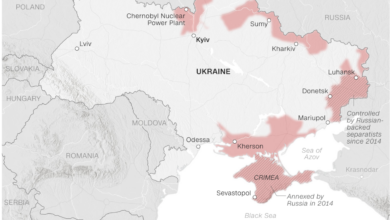
Ukraine’s defensive strategy must account for its diverse geography, ranging from flat plains in the east to mountainous terrain in the west. Russia’s superior firepower necessitates a focus on asymmetric warfare, leveraging mobile defense and utilizing the terrain to its advantage. This includes employing guerilla tactics in densely populated areas, utilizing ambushes and delaying actions to slow Russian advances, and focusing on the defense of key cities and infrastructure.
The Donbas region, with its complex urban and industrial landscape, requires a different approach than the more open terrain of the southern steppe. A layered defense, incorporating mobile reserves and fortified positions, is crucial for absorbing enemy attacks and inflicting maximum casualties.
Offensive Capabilities and Weapon System Impact
Access to long-range precision weaponry, such as HIMARS and ATACMS, would dramatically alter Ukraine’s offensive capabilities. These systems allow for strikes against Russian command and control centers, logistical hubs, and ammunition depots, disrupting the enemy’s supply lines and weakening their offensive power. Similarly, the provision of advanced air defense systems, such as Patriot or NASAMS, would create a protective umbrella, enabling Ukrainian forces to operate more freely and reducing the threat of air attacks.
Increased supplies of anti-tank and anti-aircraft weaponry would bolster defensive capabilities and further erode Russian offensive potential. The effective integration of these systems into existing Ukrainian military doctrine is vital.
The Importance of Training and Logistical Support
The effectiveness of any military aid is directly tied to the training and logistical support provided. Ukrainian forces require ongoing training on the operation and maintenance of new weapon systems, ensuring seamless integration into existing units. This includes not only technical training but also tactical training to maximize the effectiveness of these weapons in various combat scenarios. Logistical support is equally critical, encompassing the timely delivery of ammunition, spare parts, fuel, and other essential supplies.
Establishing robust and secure supply lines is crucial to sustain prolonged military operations and prevent disruptions that could undermine operational effectiveness. Effective training and logistics are essential components in ensuring that military aid translates into tangible gains on the battlefield.
Geopolitical Implications and International Relations: Ukraine Will Hold If It Gets The Arms It Needs Says A Top General
The statement that Ukraine will hold if it receives sufficient arms carries significant weight in the geopolitical arena, profoundly impacting international relations and the decisions of various nations regarding their involvement in the conflict. This assertion shifts the perceived balance of power and introduces a new layer of complexity to the ongoing crisis.The statement’s influence on other countries’ decisions hinges on their individual national interests and risk assessments.
Countries with strong ties to Ukraine, or those viewing Russia’s actions as a threat to the existing international order, may be emboldened to increase their support, providing more advanced weaponry or intensifying economic sanctions. Conversely, nations hesitant to escalate the conflict or those with closer ties to Russia might adopt a more cautious approach, potentially limiting their involvement or even subtly shifting their stance towards a more neutral position.
Impact on NATO and the West
The statement’s potential to influence Western support for Ukraine is immense. If the West believes that providing sufficient arms can indeed ensure Ukraine’s ability to defend itself and potentially even reclaim territory, it may be more willing to provide heavier weaponry, including advanced air defense systems and potentially offensive capabilities. This increased military aid could be accompanied by a more assertive diplomatic stance towards Russia, potentially leading to increased pressure for a negotiated settlement on terms more favorable to Ukraine.
However, a failure to deliver on the implied promise could lead to disillusionment and a reduction in Western support, potentially altering the course of the conflict. The success or failure of this strategy is directly tied to the effectiveness of Ukrainian military operations with the provided arms.
Russia’s Response and Calculations
Russia’s response to the increased Western military aid to Ukraine will be crucial. If Russia perceives the statement as a direct threat to its security interests, it could escalate the conflict, potentially leading to a wider regional war or even direct confrontation with NATO. This escalation could manifest in a range of actions, from increased cyberattacks and disinformation campaigns to further military incursions into Ukrainian territory or even attacks on NATO member states.
Conversely, if Russia assesses that further escalation is too risky, it might seek a negotiated settlement, possibly accepting territorial concessions in exchange for a de-escalation of the conflict. The calculus for Russia involves weighing the potential costs and benefits of continued military action against the potential gains from a negotiated peace.
Neutral and Non-Aligned Nations’ Positions, Ukraine will hold if it gets the arms it needs says a top general
The statement’s impact on neutral and non-aligned nations is likely to be less direct but still significant. These countries might find themselves under increased pressure to choose a side, facing diplomatic consequences for maintaining neutrality. Some might be swayed by the perceived likelihood of a Ukrainian victory, while others might remain cautious, prioritizing their own national interests and avoiding direct involvement.
The outcome will depend on a complex interplay of factors, including economic ties, historical relationships, and perceptions of the potential consequences of supporting either side.
Visual Representation of International Actors
Imagine a complex web. At the center is Ukraine, depicted as a strong, central node. Thick lines connect Ukraine to the United States and other key NATO members, representing significant military and financial aid. Thinner lines connect Ukraine to other countries providing various forms of support, some stronger than others, reflecting the diversity of international involvement. Russia is depicted as a large node connected to Ukraine by a thick, tense line representing the ongoing conflict.
Thinner lines connect Russia to other countries, some indicating close alliances, others reflecting more neutral or cautious relationships. The overall image showcases the intricate network of relationships and the diverse levels of influence exerted by various international actors on the conflict. The strength and direction of the lines visually represent the level and nature of each actor’s involvement, highlighting the dynamic and interconnected nature of the geopolitical landscape.
The assertion that Ukraine can hold its ground if provided sufficient arms underscores the crucial role of international support in this conflict. The general’s statement isn’t merely a military analysis; it’s a call to action. The success of Ukraine’s defense hinges not only on the quantity and quality of military aid but also on the logistical efficiency of its delivery and the strategic implementation of advanced weaponry and training.
The coming months will be critical, demonstrating whether the international community can effectively meet this challenge and help Ukraine secure a future free from aggression.