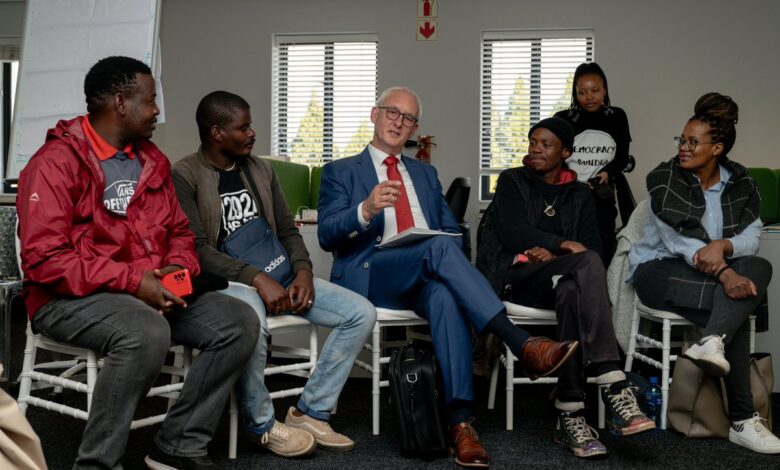
Why South Africans Are Fed Up After 30 Years of Democracy
Why South Africans Are Fed Up After 30 Years of Democracy? Thirty years after the end of apartheid, many South Africans feel the promise of a better life remains unfulfilled. This isn’t just about lingering racial inequality; it’s a complex tapestry woven from threads of persistent poverty, crippling corruption, inadequate service delivery, and a pervasive sense of insecurity.
This post dives into the reasons behind this widespread disillusionment.
From the staggering wealth disparity inherited from the apartheid era to the daily struggles faced by millions lacking basic necessities like clean water and electricity, the challenges are immense. We’ll explore the ongoing impact of systemic inequalities, the frustration fueled by seemingly endless service delivery protests, and the erosion of public trust due to widespread corruption. We’ll also look at the high crime rates that plague communities and the questions surrounding political representation and effective governance.
Service Delivery Protests

Thirty years after the end of apartheid, South Africa continues to grapple with the legacy of inequality, manifesting in widespread service delivery protests. These protests, often violent and disruptive, highlight the deep-seated frustrations of communities lacking access to basic necessities. Understanding the history and recurring themes of these protests is crucial to comprehending the ongoing socio-political landscape of the country.
A Timeline of Major Service Delivery Protests
Service delivery protests have been a recurring feature of South African life since the dawn of democracy. While pinpointing every single incident is impossible, several key events illustrate the scale and intensity of the issue. These protests are often sparked by a confluence of factors, rather than a single trigger, making a precise categorization challenging. However, we can trace some significant examples.
The early years saw protests focused on the slow pace of service delivery in previously disadvantaged areas. As the years progressed, the protests became more frequent and intense, reflecting growing disillusionment with the government’s ability to address these fundamental needs.
Examples include, but are not limited to, the numerous protests in the early 2000s across various municipalities in the Eastern Cape, Free State, and North West provinces, primarily focusing on issues of housing, water, and sanitation. The 2008 protests in several Gauteng townships highlighted the lack of access to basic services and the failure of local governments to address residents’ grievances effectively.
More recent protests, such as those in the 2010s and 2020s, have often involved multiple grievances, from a lack of infrastructure to corruption allegations against local officials. Specific locations and dates are difficult to comprehensively list due to the sheer volume of events, but news archives from the period will confirm the widespread nature of these actions. Detailed case studies focusing on individual protests can offer deeper insight.
Common Themes and Underlying Factors, Why south africans are fed up after 30 years of democracy
Several common threads run through the majority of service delivery protests. These are not isolated incidents but reflect deeper systemic issues. The lack of capacity within local municipalities to effectively plan, implement, and maintain infrastructure projects is a major contributing factor. Corruption, mismanagement of funds, and a lack of accountability within local government structures exacerbate these problems, fueling public anger and distrust.
Furthermore, historical inequalities in resource allocation, with certain areas receiving preferential treatment, continue to create disparities in service provision. The legacy of apartheid continues to cast a long shadow, impacting access to basic services in many communities. Finally, a lack of effective communication and engagement between government and communities often leads to misunderstandings and a lack of trust, further escalating tensions.
Examples of Lack of Access to Basic Services Fueling Discontent
The absence of reliable access to water, electricity, and sanitation is a recurring theme. For example, communities in many rural areas often lack access to clean drinking water, forcing them to rely on contaminated sources, leading to health problems. Similarly, the lack of electricity hinders economic opportunities and educational progress. The absence of proper sanitation infrastructure creates unsanitary living conditions, increasing the risk of disease outbreaks.
These deficiencies not only impact the quality of life but also create a sense of marginalization and injustice, which fuels the protests. The consistent failure to address these basic needs demonstrates a profound failure of governance and service delivery.
Key Demands Made During Protests
The demands made during service delivery protests are varied but generally revolve around a core set of issues:
- Improved access to clean water and sanitation
- Reliable electricity supply
- Affordable and adequate housing
- Improved roads and infrastructure
- Job creation and economic opportunities
- Improved healthcare services
- Increased government accountability and transparency
- Effective local governance and service delivery
These demands underscore the fundamental needs of the affected communities and reflect the deep-seated frustration with the government’s failure to meet its obligations.
Corruption and Governance: Why South Africans Are Fed Up After 30 Years Of Democracy
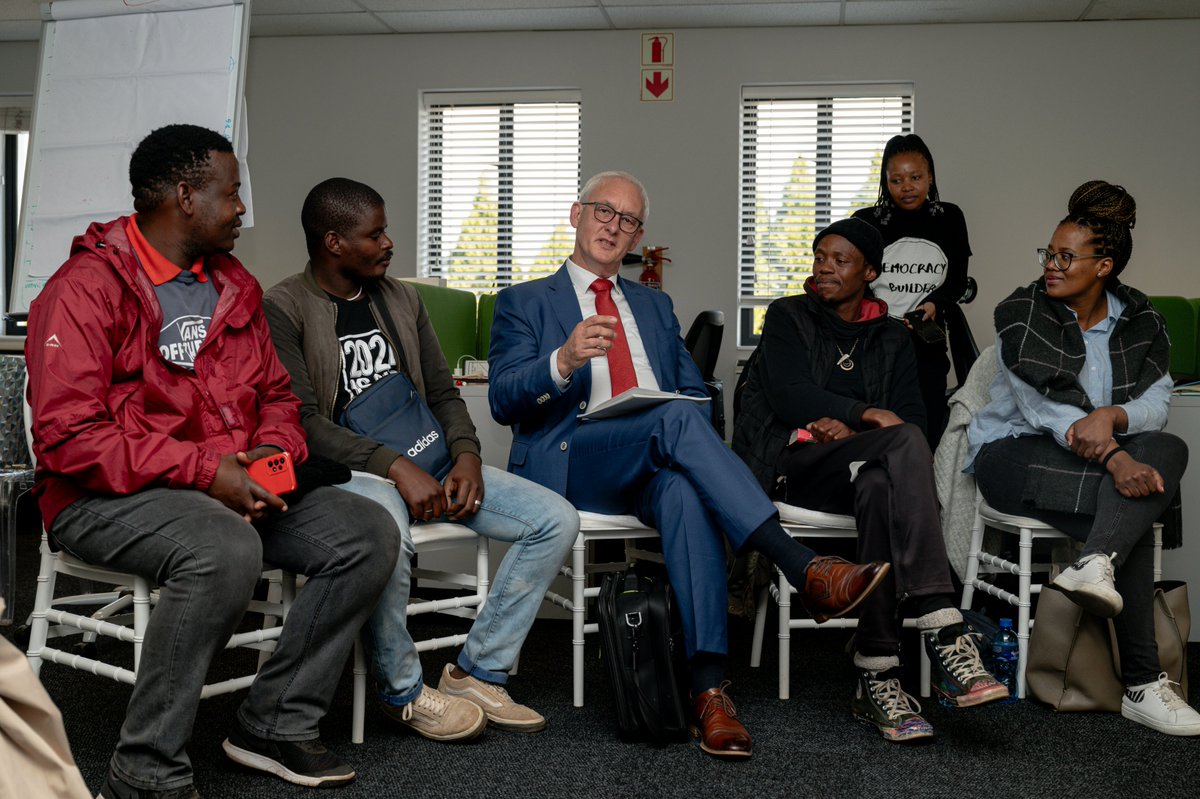
Thirty years after the dawn of democracy, South Africa grapples with a legacy of corruption that has eroded public trust and severely hampered development. The scale and impact of this corruption are deeply intertwined with the country’s governance structures and the performance of state-owned enterprises. Understanding this complex relationship is crucial to grasping the widespread disillusionment felt by many South Africans.
High-Level Corruption and its Impact
Numerous instances of high-level corruption have marred South Africa’s post-apartheid era. The “Arms Deal” scandal, involving alleged bribes and kickbacks in the procurement of military equipment in the late 1990s, remains a potent symbol of this pervasive problem. This scandal, along with others like the Steinhoff accounting fraud and the Gupta family’s alleged influence peddling, significantly damaged public trust in government institutions.
These events not only diverted billions of rands intended for essential services like healthcare and education but also fostered a culture of impunity, where those in power felt they could operate above the law. The consequence has been a dramatic reduction in public faith in government’s ability to act in the best interests of its citizens, leading to widespread cynicism and disengagement.
State-Owned Enterprises and Economic Woes
South Africa’s state-owned enterprises (SOEs), including Eskom (electricity), Transnet (rail and ports), and SAA (airlines), have been central to the country’s economic woes and public dissatisfaction. Years of mismanagement, corruption, and political interference have crippled these entities, leading to crippling debt, service delivery failures, and ultimately, economic stagnation. Eskom’s inability to provide reliable electricity supply, for instance, has severely hampered economic growth and caused widespread disruption to businesses and households.
Similarly, Transnet’s inefficiencies have negatively impacted the country’s ability to export goods, further hindering economic progress. These failures have not only cost the South African taxpayer billions but have also directly contributed to job losses and increased poverty.
Effectiveness of Anti-Corruption Measures
Various anti-corruption measures have been implemented over the years, including the establishment of the Public Protector’s office, the Special Investigating Unit (SIU), and the strengthening of the National Prosecuting Authority (NPA). While some successes have been achieved, particularly in bringing individuals to account, the overall effectiveness of these measures has been hampered by political interference, a lack of capacity within investigative bodies, and a slow and often ineffective judicial process.
Furthermore, the lack of consistent and robust implementation of existing legislation has allowed corruption to continue largely unabated. This has resulted in a sense of frustration and disillusionment amongst citizens who feel that the mechanisms designed to combat corruption are simply not working effectively.
Key Corruption Scandals, Impact, and Government Response
| Scandal | Impact | Government Response |
|---|---|---|
| Arms Deal (late 1990s) | Loss of billions of rands, damage to public trust, ongoing legal battles. | Several investigations, some prosecutions, but limited recovery of funds and lasting impact on public perception. |
| Gupta family influence peddling (2010s) | State capture, undermining of state institutions, loss of public funds, damage to international reputation. | Zondo Commission of Inquiry, some arrests and prosecutions, ongoing efforts to recover assets. |
| Eskom corruption (ongoing) | Electricity shortages, economic damage, job losses, increased poverty. | Investigations, restructuring efforts, but persistent challenges remain. |
The frustration felt by many South Africans after three decades of democracy is palpable and deeply rooted. It’s a culmination of unfulfilled promises, persistent inequality, and a lack of faith in institutions. While the transition from apartheid was a monumental achievement, addressing the systemic issues that continue to hinder progress is crucial. The path forward requires not only addressing immediate needs but also tackling the underlying structural problems that perpetuate inequality and fuel disillusionment.
The hope for a truly equitable and prosperous South Africa depends on it.
Thirty years of democracy in South Africa, and yet so many still grapple with inequality and lack of opportunity. It makes you think about the importance of fostering different kinds of progress, like the kind highlighted in this article about why a new art gallery in Bangalore is important for Indian science ; it shows how even seemingly unrelated fields can contribute to societal advancement.
Ultimately, the fight for a better future, whether in South Africa or India, requires a multifaceted approach.
Thirty years of democracy in South Africa, and many feel let down. The promises of a better life haven’t materialized for too many, leading to widespread disillusionment. Perhaps understanding the dynamics of effective followership, as outlined in this helpful article on how to be a good follower , could help us understand how to better hold our leaders accountable and demand the change we need.
Ultimately, the frustration stems from a broken promise of a better future, and finding ways to constructively engage with our leaders is key to overcoming this.
Thirty years of democracy in South Africa, and yet so much feels broken. The inequality, the lack of opportunity for many – it’s understandably frustrating. It makes you think about how even tech giants, like Masayoshi Son, who, as reported in this article masayoshi son is back in silicon valley and late to the ai race , can sometimes miss the mark, highlighting how even the most advanced systems can fall behind.
The parallels are striking; missed opportunities seem to be a common thread, whether in global tech or South African socio-economic progress.