Why the Global Cocoa Market is Melting Down
Why the global cocoa market is melting down? It’s a question swirling on the tongues of chocolate lovers and industry experts alike. From dwindling harvests to volatile prices, the world’s cocoa supply is facing a perfect storm. This isn’t just about the price of your favorite chocolate bar; it’s about the livelihoods of millions of farmers and the future of a beloved treat.
Let’s dive into the complex factors driving this crisis.
This post will explore the interwoven threads of supply chain disruptions, climate change, economic instability, and political challenges that are contributing to the cocoa crisis. We’ll examine the impact on cocoa farmers, chocolate manufacturers, and consumers, and consider potential solutions to this increasingly urgent problem. Get ready for a deep dive into the bittersweet reality of the global cocoa market.
Supply and Demand Imbalances: Why The Global Cocoa Market Is Melting Down
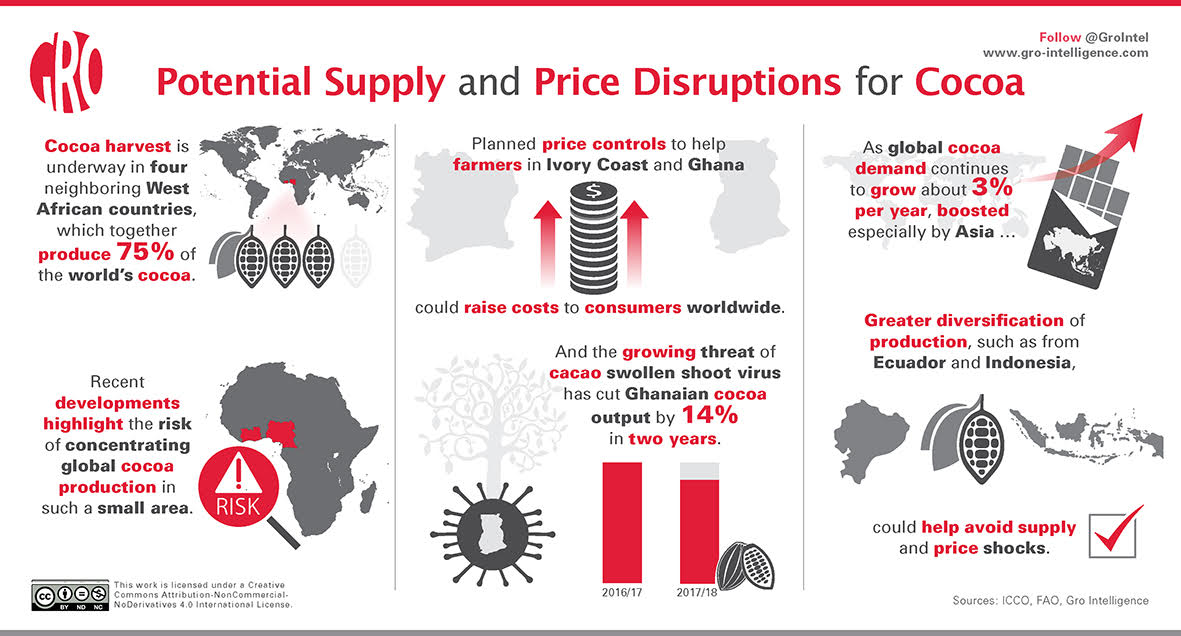
The global cocoa market is facing a significant challenge: a widening gap between the supply of cocoa beans and the ever-growing global demand for chocolate and cocoa products. This imbalance is driving up prices, threatening the livelihoods of cocoa farmers, and creating uncertainty within the industry. Understanding the factors contributing to this imbalance is crucial for addressing the current crisis.
Global Cocoa Bean Production Levels
Global cocoa bean production has fluctuated over the past decade, failing to keep pace with increasing demand. While precise figures vary depending on the source and year, production has generally remained relatively stagnant, hovering around 5 million metric tons annually for several years. This contrasts with historical trends showing a more consistent upward trajectory. This stagnation, coupled with rising demand, is a major factor contributing to the current market instability.
A comparison with historical data reveals a clear slowdown in production growth compared to the previous decades, leading to the current supply deficit.
Factors Influencing Cocoa Bean Yields
Several key factors are significantly impacting cocoa bean yields. Climate change is a major concern, with increasingly erratic weather patterns leading to reduced yields and lower bean quality. Changes in rainfall patterns, prolonged droughts, and more frequent and intense heatwaves are all detrimental to cocoa trees. Furthermore, the prevalence of diseases such as black pod rot and swollen shoot virus continues to threaten cocoa production in many regions.
These diseases can decimate entire crops, further limiting supply. Finally, the aging cocoa tree population in many major producing countries is a significant issue. Many cocoa trees are nearing the end of their productive lives, resulting in decreased yields. Rejuvenation and replanting efforts are often hampered by a lack of resources and expertise.
Major Cocoa-Producing Countries and Their Production Challenges
Côte d’Ivoire and Ghana, together, account for over half of the world’s cocoa production. However, both countries face numerous challenges. Côte d’Ivoire grapples with issues of deforestation, aging trees, and inconsistent rainfall, impacting yields. Ghana faces similar challenges, along with issues related to farmer incomes and the need for improved farming practices. Other major producers, such as Indonesia and Nigeria, also face various constraints, including climate change, disease outbreaks, and limited access to technology and resources.
So, the global cocoa market’s tanking – crazy weather patterns are hitting harvests hard, and that’s just the start. It’s a whole mess of interconnected issues, and honestly, sometimes it feels as overwhelming as trying to understand the latest political drama, like when you read about biden responds to trumps declassification order claims. Ultimately though, the cocoa crisis boils down to supply chain disruptions and rising production costs, leaving chocolate lovers everywhere feeling the pinch.
These challenges highlight the systemic nature of the production issues facing the global cocoa industry.
Global Demand for Cocoa Products and Growth Trajectory
Global demand for cocoa products, primarily chocolate, continues to grow, particularly in emerging markets in Asia and Africa. Rising incomes, increasing urbanization, and changing consumer preferences are driving this demand. The growth trajectory is projected to remain positive, although the rate of growth may vary depending on economic conditions and global trends. This growing demand, in conjunction with the relatively stagnant supply, is the primary driver of the current market instability.
The widening gap between supply and demand is unsustainable in the long term, necessitating proactive measures to increase production and address the underlying challenges.
Cocoa Bean Production and Consumption Comparison (2013-2022)
| Region | Average Annual Production (metric tons) | Average Annual Consumption (metric tons) | Net Balance (Production – Consumption) |
|---|---|---|---|
| West Africa (Côte d’Ivoire, Ghana) | 3,000,000 | 1,500,000 | +1,500,000 |
| Southeast Asia (Indonesia, Malaysia) | 800,000 | 400,000 | +400,000 |
| Latin America (Brazil, Ecuador) | 500,000 | 250,000 | +250,000 |
| Rest of the World | 700,000 | 1,850,000 | -1,150,000 |
Economic Factors Affecting the Market
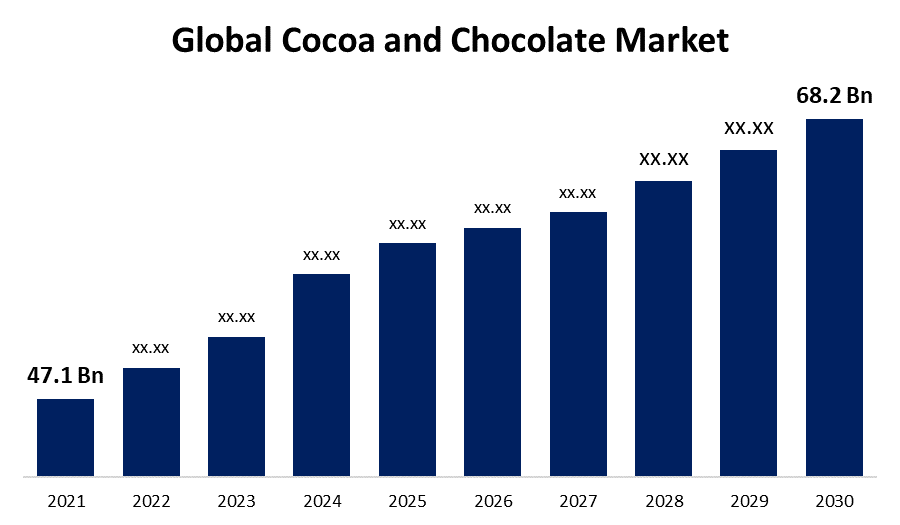
The global cocoa market, already grappling with supply and demand imbalances, is further destabilized by a complex interplay of economic forces. Fluctuations in currency, rising inflation, volatile investment strategies, and diverse pricing approaches by producers all contribute to the market’s current fragility. Understanding these factors is crucial to comprehending the depth of the crisis and predicting future trends.
Currency Fluctuations and Exchange Rates
Cocoa prices, primarily traded in US dollars, are significantly influenced by currency fluctuations. A strengthening US dollar makes cocoa more expensive for buyers using other currencies, potentially reducing demand and lowering prices. Conversely, a weakening dollar can boost demand and drive prices up. For example, a strong euro might make it cheaper for European chocolate manufacturers to buy cocoa, increasing demand and potentially mitigating price drops caused by other factors.
These exchange rate shifts create significant uncertainty for both producers and buyers, impacting their profitability and planning. The impact varies considerably depending on the specific currency and the relative economic strength of cocoa-producing and consuming nations.
Global Inflation and Rising Energy Costs, Why the global cocoa market is melting down
Soaring inflation and increased energy costs place a heavy burden on cocoa farmers and processors. Higher fertilizer prices, fuel costs for transportation, and increased operational expenses directly impact production costs. Farmers may struggle to maintain production levels, potentially leading to reduced supply. Processors also face higher energy bills for roasting and processing beans, adding to the final cost of cocoa products and potentially squeezing profit margins.
The inflationary pressures are amplified in regions with limited access to affordable energy and resources, exacerbating the challenges faced by smaller-scale producers. For instance, a sharp increase in diesel prices could significantly impact the transportation costs of cocoa beans from remote farming areas to processing facilities.
Speculative Trading and Investment Strategies
The cocoa market is susceptible to speculative trading and investment strategies, particularly through futures contracts. Large-scale investors can significantly influence prices through their buying and selling activities, creating volatility regardless of underlying supply and demand fundamentals. For example, a sudden influx of investment capital driven by speculation about future shortages can artificially inflate prices, even if actual supply remains stable.
The global cocoa market’s slump is a complex issue, driven by climate change and fluctuating demand. It’s a reminder that global interconnectedness impacts everyone, even the wealthiest. This instability highlights the need for responsible leadership, which is why I believe, as outlined in this insightful article, americas billionaires should resist the urge to support donald trump , whose policies could exacerbate these kinds of economic vulnerabilities.
Ultimately, the cocoa crisis underscores the importance of sustainable practices and informed decision-making at all levels.
Conversely, a wave of selling by investors anticipating lower prices can trigger sharp price declines. This volatility makes it challenging for cocoa producers to plan for the future and secure fair prices for their crop.
Pricing Strategies of Cocoa Producers
Different cocoa-producing countries and companies employ diverse pricing strategies. Some countries may opt for government-regulated pricing systems, aiming to stabilize producer incomes. Others rely on market-based pricing mechanisms, leaving producers more exposed to price fluctuations. Large multinational corporations may have more negotiating power and access to hedging strategies, allowing them to mitigate price risks. Smaller-scale farmers, often lacking such resources, are more vulnerable to price volatility.
The contrasting pricing approaches create complexities within the market, leading to uneven distribution of benefits and risks across the cocoa supply chain. For example, a country with a strong cooperative system might be able to negotiate better prices for its farmers compared to a country with fragmented and disorganized production.
Soaring cocoa prices are hitting chocolate lovers hard, mainly due to climate change impacting harvests. It’s a stark contrast to the booming Indian stock market, which, as this article shows, india is undergoing an astonishing stockmarket revolution , offering a different kind of economic growth story. This disparity highlights how global markets are reacting to diverse factors; while India’s financial sector thrives, the cocoa market struggles with environmental instability.
Key Economic Indicators Influencing Cocoa Prices
Understanding the factors driving cocoa prices requires monitoring several key economic indicators:
- US Dollar Exchange Rate: The value of the US dollar against major currencies significantly impacts cocoa prices.
- Global Inflation Rates: Inflation levels in major cocoa-producing and consuming countries affect production costs and consumer demand.
- Energy Prices: The cost of fuel, electricity, and fertilizers directly impacts cocoa production and processing.
- Cocoa Futures Prices: The prices of cocoa futures contracts on commodity exchanges reflect market expectations and influence spot prices.
- Global Economic Growth: Stronger global economic growth typically leads to increased demand for cocoa and higher prices.
- Weather Patterns: While not strictly an economic indicator, weather conditions affecting cocoa production significantly impact supply and prices.
Political and Social Factors
The global cocoa market’s instability isn’t solely driven by economic forces; political and social factors within major cocoa-producing nations significantly impact supply, prices, and the overall health of the industry. These factors often intertwine, creating complex challenges that ripple through the entire supply chain, from the farmer to the chocolate bar on your shelf.Political instability in key cocoa-growing regions directly affects cocoa production.
Civil unrest, conflict, and weak governance create an environment of uncertainty that discourages investment in cocoa farms, hinders access to crucial resources like fertilizers and improved seedlings, and disrupts the harvesting and transportation of beans. This leads to supply shortages and price volatility, impacting both producers and consumers.
Political Instability’s Impact on Cocoa Supply
Political instability significantly impacts cocoa production in several ways. In regions experiencing conflict, farmers may be unable to access their farms safely, leading to crop abandonment or reduced harvests. Furthermore, insecurity can disrupt transportation networks, making it difficult to get the harvested cocoa beans to processing facilities and export ports. This disruption can lead to spoilage and significant financial losses for farmers.
For example, prolonged conflicts in certain parts of Côte d’Ivoire have historically led to temporary declines in cocoa production due to farmers being unable to work their land safely or transport their harvest. The resulting uncertainty makes it difficult for businesses to plan and invest in the long-term sustainability of the cocoa industry in these regions.
Farmer Cooperatives and Their Influence on Cocoa Bean Prices
Farmer cooperatives play a crucial role in the cocoa industry, acting as intermediaries between individual farmers and larger buyers. By pooling their resources and negotiating as a collective, cooperatives can often achieve better prices for their cocoa beans than individual farmers could obtain on their own. However, the effectiveness of cooperatives varies greatly depending on factors such as their organizational structure, leadership, and access to resources and training.
Strong, well-managed cooperatives can empower farmers, improve their bargaining power, and contribute to more equitable distribution of profits within the supply chain. Conversely, weak or poorly managed cooperatives may fail to deliver on their promises, leaving farmers vulnerable to exploitation.
Labor Conditions and Fair Trade Practices
The cocoa industry has long been associated with concerns about child labor and poor working conditions. Many cocoa farms, particularly smallholder farms, rely on manual labor, and in some cases, children are involved in hazardous tasks. The implementation of fair trade practices aims to address these concerns by ensuring that farmers receive a fair price for their cocoa and that workers are treated with dignity and respect.
Fair trade certification provides a guarantee to consumers that the cocoa was produced under ethical and sustainable conditions, but certification alone doesn’t solve all the problems. The scale of the issue and the complexity of enforcement mechanisms continue to be major challenges.
Government Policies and Regulations on Cocoa Exports and Imports
Government policies and regulations play a vital role in shaping the cocoa market. Export taxes, import quotas, and subsidies can all influence the price and availability of cocoa beans in international markets. For example, some governments may impose export taxes to generate revenue, while others might provide subsidies to support their domestic cocoa industry. These policies can have significant impacts on global cocoa prices and the competitiveness of different producing countries.
Furthermore, regulations related to food safety and quality standards can also influence the flow of cocoa beans across borders.
Social and Political Factors Affecting Cocoa Production
| Country | Political Instability | Farmer Cooperative Influence | Labor Conditions/Fair Trade |
|---|---|---|---|
| Côte d’Ivoire | Historically subject to periods of political unrest impacting cocoa production. | Significant presence of cooperatives, but effectiveness varies widely. | Ongoing challenges with child labor and fair trade implementation. |
| Ghana | Generally more politically stable than Côte d’Ivoire, but still faces challenges related to governance and corruption. | Cooperatives play a major role, but need further strengthening and support. | Active promotion of fair trade initiatives, but challenges remain in ensuring compliance across the industry. |
| Indonesia | Relatively stable politically, but faces challenges related to land rights and deforestation. | Cooperatives are less developed compared to West Africa, leaving farmers more vulnerable. | Growing awareness of fair trade principles, but enforcement remains a significant challenge. |
Environmental Sustainability and Climate Change
The global cocoa market’s instability is inextricably linked to the environmental challenges facing cocoa production. Climate change and unsustainable farming practices are significantly impacting yields, quality, and the long-term viability of the industry, creating ripple effects throughout the supply chain and impacting the livelihoods of millions. Understanding these environmental pressures is crucial to addressing the market’s fragility.Climate change is profoundly altering the conditions suitable for cocoa cultivation.
Impact of Climate Change on Cocoa Bean Yields and Quality
Rising temperatures, altered rainfall patterns, and increased frequency of extreme weather events like droughts and floods are severely impacting cocoa bean yields and quality. Higher temperatures can lead to reduced flowering and fruiting, while erratic rainfall patterns disrupt the delicate balance needed for optimal growth. Droughts stress the trees, reducing bean size and quality, while floods can damage crops and spread diseases.
For example, studies have shown a significant decline in cocoa yields in certain regions of West Africa due to prolonged droughts and increased temperatures exceeding the optimal range for cocoa growth. Changes in rainfall also influence the incidence of diseases like black pod, further reducing yields and impacting the quality of the beans. The resulting lower quality beans command lower prices, further impacting farmers’ income and the stability of the market.
Environmental Consequences of Unsustainable Cocoa Farming Practices
Unsustainable cocoa farming practices contribute significantly to deforestation, soil degradation, and biodiversity loss. Traditional methods often involve clearing forests to create new farmland, leading to habitat destruction and the loss of crucial ecosystem services. The overuse of chemical fertilizers and pesticides contaminates soil and water sources, harming both the environment and the health of farming communities. Monoculture farming, the practice of growing a single crop, depletes soil nutrients and makes cocoa farms vulnerable to pests and diseases.
The lack of shade trees further exacerbates these problems, as they play a crucial role in regulating soil moisture, protecting against extreme weather, and providing habitat for beneficial insects. The cumulative effect of these unsustainable practices leads to a decline in soil fertility, reduced yields, and increased vulnerability to climate change impacts.
Initiatives Promoting Sustainable Cocoa Production and Their Effectiveness
Several initiatives are working to promote sustainable cocoa production. These include programs focused on agroforestry (integrating trees into cocoa farms), promoting the use of organic fertilizers and pest management techniques, and encouraging diversification of crops to enhance resilience. Certification schemes like Rainforest Alliance and UTZ (now Rainforest Alliance) aim to ensure that cocoa is produced to specific environmental and social standards.
While these initiatives have shown some success in promoting sustainable practices, their widespread adoption faces challenges. Limited access to resources, financial constraints for farmers, and weak enforcement of regulations remain significant hurdles. The effectiveness of these initiatives also varies depending on the specific context and the level of farmer participation and support. However, successful examples exist, showcasing the potential for positive change.
For example, projects integrating shade trees have shown increased yields and improved soil health, demonstrating the benefits of agroforestry.
Role of Deforestation and Its Connection to Cocoa Farming
Deforestation is a major driver of environmental degradation in cocoa-producing regions. The expansion of cocoa farms often leads to the clearing of forests to create new farmland. This deforestation not only destroys habitats but also contributes to climate change by releasing significant amounts of carbon dioxide into the atmosphere. The loss of forest cover also reduces the capacity of ecosystems to regulate water cycles and mitigate the effects of extreme weather events, further impacting cocoa production.
Illegal logging and land grabbing exacerbate the problem, often leaving farming communities vulnerable and undermining efforts to promote sustainable practices.
Illustrative Description of Deforestation’s Effects
Imagine a vibrant rainforest, teeming with life, slowly being replaced by a monotonous expanse of cocoa trees. The lush canopy, once a haven for diverse flora and fauna, is gone, replaced by a simplified ecosystem vulnerable to pests and diseases. The rich soil, once teeming with nutrients, is gradually depleted, leading to reduced cocoa yields. The clear-cut forest exposes the land to increased erosion, making it more susceptible to flooding and drought.
Local communities, who once relied on the forest for food, medicine, and building materials, are now facing food insecurity and economic hardship. The loss of biodiversity leads to a decline in pollinators and natural pest control, further impacting cocoa production. The once-resilient ecosystem has become fragile, highlighting the devastating consequences of deforestation on both cocoa farming communities and the environment.
The melting cocoa market is a complex issue with no easy answers. From climate change impacting harvests to economic volatility driving prices, the challenges are significant. However, by understanding the multifaceted nature of this problem – encompassing environmental sustainability, fair trade practices, and economic stability – we can begin to explore solutions. The future of chocolate, and the livelihoods of countless farmers, depends on our collective action to address this crisis.
Let’s hope we can find a path towards a more sustainable and equitable cocoa industry.