Indonesia Launches Massive Recruitment Drive for 35,476 Professionals to Bolster Rural Cooperatives and Fishing Villages Nationwide

Jakarta – The Indonesian government has officially commenced a significant national recruitment program, opening 35,476 new positions for professionals to manage and operate its flagship Koperasi Desa Merah Putih (Red and White Village Cooperatives) and Kampung Nelayan Merah Putih (Red and White Fishing Villages) initiatives. This ambitious scheme aims to inject skilled human capital into critical rural economic sectors, promising successful applicants the prestigious status of state-owned enterprise (BUMN) employees under a two-year fixed-term contract (Perjanjian Kerja Waktu Tertentu/PKWT). The move underscores the government’s commitment to strengthening local economies, enhancing food security, and empowering communities across the archipelago.
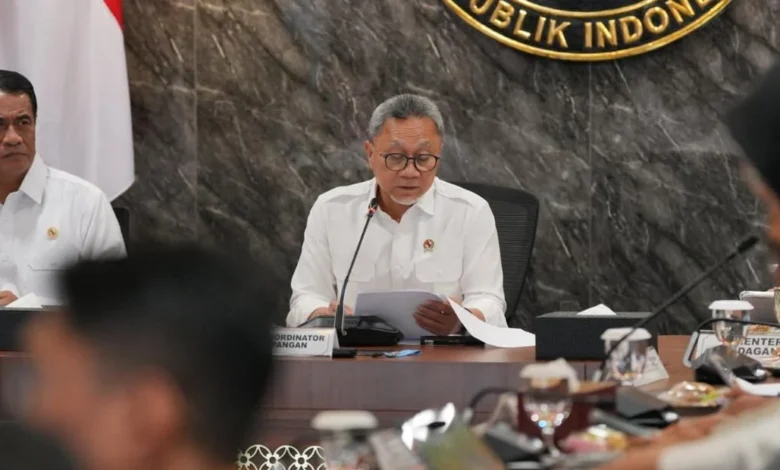
The recruitment process, managed by the National Selection Committee (Panselnas), targets a diverse pool of Indonesian talent to drive the operational efficiency and strategic growth of these vital programs. The initiative is a cornerstone of the government’s broader agenda to foster equitable development and reduce economic disparities between urban and rural areas. Coordinating Minister for Food, Zulkifli Hasan, emphasized the critical need for competent individuals to lead these community-based enterprises. "The government, through the Panselnas SDM PHTC, will recruit the best sons and daughters of Indonesia to participate in the management of Koperasi Desa or Kelurahan Merah Putih and Kampung Nelayan Merah Putih," Minister Hasan stated in an official release from the Government Communication Agency (Bakom RI) on Thursday, April 16, 2026. This recruitment drive is seen as a pivotal step towards achieving the long-term vision of a robust and self-reliant rural economy.
Strategic Vision: Empowering Rural Economies
The Koperasi Desa Merah Putih and Kampung Nelayan Merah Putih programs represent a strategic pillar in Indonesia’s national development plan. Launched with the overarching goal of boosting productivity, improving livelihoods, and ensuring food resilience, these initiatives aim to revitalize traditional economic sectors through modern management practices and stronger institutional frameworks. The "Merah Putih" moniker, symbolic of the Indonesian national flag, signifies the programs’ national importance and commitment to fostering a unified, prosperous nation from the grassroots level.
Historically, cooperatives have played a significant role in Indonesia’s economic fabric, particularly in rural areas, acting as vital engines for collective bargaining, credit access, and market integration for small-scale producers. However, many have struggled with issues of governance, financial management, and market access, limiting their full potential. Similarly, Indonesia’s vast maritime potential, while immense, has often been hampered by challenges faced by fishing communities, including limited access to capital, outdated technology, market exploitation, and environmental degradation. The new programs seek to address these systemic issues by providing professional management and direct governmental support through the BUMN ecosystem.
The government’s decision to classify successful applicants as BUMN employees, even if on a fixed-term basis, provides a significant incentive, offering job security and benefits typically associated with state-owned enterprises. This approach aims to attract high-caliber professionals who might otherwise opt for careers in the private sector or traditional civil service. The two-year PKWT scheme is designed to align with the initial operational strengthening phase of these programs, allowing for dynamic evaluation and adaptation as the initiatives mature.
Detailed Breakdown of Roles and Entities
The 35,476 available positions are meticulously structured to cater to the specific needs of each program. A significant majority, precisely 30,000 vacancies, are designated for the crucial role of Cooperative Managers. These managers will operate under the umbrella of PT Agrinas Pangan Nusantara, a newly established or repurposed state-owned entity tasked with overseeing and developing agricultural and food-related cooperatives. Their responsibilities will encompass strategic planning, financial oversight, marketing, member engagement, and ensuring the sustainable growth of village cooperatives. This includes optimizing agricultural production, improving post-harvest processing, and facilitating market linkages for cooperative members.
The remaining 5,476 positions are allocated for employees within the Kampung Nelayan Merah Putih program, with their employment managed by PT Agrinas Jaladri Nusantara. This entity is focused on the marine and fisheries sector, aiming to modernize fishing practices, enhance fish processing capabilities, and improve the welfare of coastal communities. Employees in these roles will be instrumental in implementing sustainable fishing practices, developing aquaculture projects, managing cold chain logistics, and promoting value-added products from marine resources. Their work will be critical in transforming traditional fishing villages into economically vibrant and environmentally conscious hubs.
The establishment of PT Agrinas Pangan Nusantara and PT Agrinas Jaladri Nusantara as implementing bodies reflects a strategic decision by the government to leverage the operational efficiency and accountability of the BUMN framework. By channeling resources and management expertise through these state-owned enterprises, the government aims to ensure effective program delivery, transparent financial management, and a higher probability of achieving the ambitious targets set for the cooperatives and fishing villages.
Recruitment Process and Eligibility
The recruitment drive for these pivotal roles commenced on April 15, 2026, and is scheduled to conclude on April 24, 2026. All applications must be submitted exclusively through the official government portal, phtc.panselnas.go.id, ensuring a centralized and transparent application process. This digital-first approach also helps streamline the initial screening and reduces potential bottlenecks.
Minister Zulkifli Hasan outlined the key eligibility criteria designed to attract a broad yet qualified pool of candidates. Applicants must hold a diploma (D3, D4) or a bachelor’s degree (S1) from any academic discipline. This broad academic requirement underscores the government’s belief that strong management and operational skills are transferable across various fields, and that a diverse educational background can bring fresh perspectives to rural development challenges. Furthermore, candidates must maintain a minimum Cumulative Grade Point Average (IPK) of 2.75 and be no older than 35 years of age at the time of application. These criteria aim to recruit energetic, adaptable, and professionally capable individuals who can commit to the demanding yet rewarding work of rural development.
A critical aspect highlighted by Minister Hasan is the integrity of the selection process. He firmly reiterated that "all stages of this selection process are absolutely free of charge." This strong emphasis on a zero-fee policy is a direct measure to prevent fraud and ensure that all candidates have an equal opportunity based solely on merit. Minister Hasan issued a stern warning to potential applicants to be wary of any individuals or entities promising guaranteed passes in exchange for money, unequivocally stating, "There is no party that can guarantee graduation. If there is a party asking for compensation, promising to pass, then that means they are deceiving, lying." This proactive stance against corruption aims to maintain public trust and ensure fairness throughout the rigorous selection phases, which are expected to include administrative checks, competency tests, and interviews.
Broader Impact and Future Phases
This current recruitment phase is just the beginning of a much larger national endeavor. The government has set an ambitious target to establish and operationalize over 30,000 new cooperatives and 1,369 fishing villages by mid-2026. The 35,476 new recruits will be instrumental in bringing these initial targets to fruition. The sheer scale of this initiative reflects the government’s strategic focus on strengthening the foundations of the national economy from the ground up, recognizing that sustainable growth must be inclusive and reach the most remote corners of the nation.
Looking ahead, the government has signaled its intent to launch subsequent recruitment phases. The ultimate goal is to establish a staggering 80,000 cooperatives across Indonesia. This long-term vision indicates a sustained commitment to fostering a robust cooperative ecosystem, which is expected to play a critical role in agricultural value chains, food distribution networks, and the overall socio-economic upliftment of rural communities. The success of this initial phase will undoubtedly inform and shape the strategies for future expansions, potentially leading to the creation of tens of thousands more jobs and empowering millions of Indonesians.
The implications of this large-scale recruitment and program implementation are far-reaching. Economically, it promises to stimulate local economies by improving productivity, enhancing market access for farmers and fishermen, and creating new opportunities for value addition. Socially, it aims to reduce poverty, empower marginalized communities, and foster a sense of collective ownership and responsibility. Environmentally, the focus on sustainable practices in both agriculture and fisheries, particularly within the Kampung Nelayan Merah Putih program, could lead to better resource management and conservation efforts. The investment in human capital through this recruitment drive is a clear indicator that the government views skilled management as a critical enabler for the success and sustainability of its national development programs.
In essence, this initiative is more than just a job creation scheme; it is a fundamental restructuring and empowerment program designed to build resilient, self-sufficient, and prosperous rural communities across Indonesia, leveraging the power of professional management and the strategic guidance of state-owned enterprises. The coming years will reveal the full impact of these "Red and White" programs on the nation’s economic landscape and the lives of its rural populations.