
A new Indonesian drama series, "Luka, Makan, Cinta," is set to captivate audiences with its exploration of ambition, rivalry, and budding romance within the high-stakes world of professional kitchens. Premiering on Netflix on April 15, 2026, the eight-episode series stars Mawar Eva de Jongh and Deva Mahenra as two talented chefs whose professional paths collide, igniting a dramatic narrative that blends culinary passion with personal conflict. The series is directed by the acclaimed Teddy Soeriaatmadja, known for his distinctive storytelling in films like "Lovely Man" and "Berbalas Kejam."
The central premise of "Luka, Makan, Cinta" revolves around Luka (Mawar Eva de Jongh), a promising young chef who harbors a deep-seated ambition to become the head chef at Umah Rasa, her family’s esteemed restaurant. Her aspirations face a significant hurdle when her mother, Sari (Sha Ine Febriyanti), the current owner and head chef, decides to appoint Dennis (Deva Mahenra), an external culinary talent, to the coveted position. This decision sparks immediate tension and a sense of betrayal for Luka, setting the stage for a complex professional relationship.
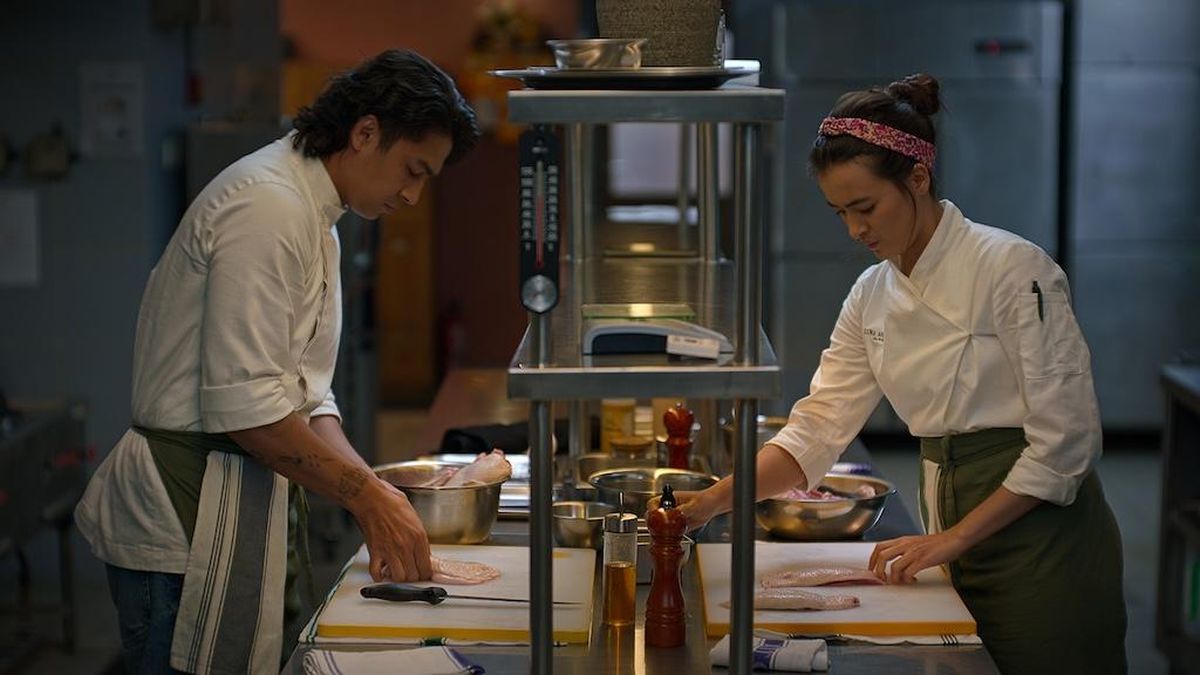
The narrative delves into the intricate dynamics of a professional kitchen, highlighting the clash of personalities and differing culinary philosophies between Luka and Dennis. Despite their initial animosity, they are compelled to collaborate to steer Umah Rasa towards greater success, with Luka also driven by the ultimate goal of achieving a prestigious Michelin Star for the establishment. The kitchen of Umah Rasa becomes a battleground for their professional rivalries, where their individual expertise and ambitions are constantly tested.
The series is not merely about professional aspirations; it also addresses the broader challenges faced by the hospitality industry. As the plot progresses, Umah Rasa finds itself in a precarious financial situation, leading to a decline in its performance and impacting the well-being of its staff, who begin to experience delayed salaries. This crisis serves as a catalyst, forcing Luka and Dennis to re-evaluate their animosity and work together to salvage the family legacy and the livelihoods of their employees. The series skillfully portrays how shared adversity can foster understanding and even lead to unexpected romantic developments.
A pivotal moment in the narrative occurs when Dennis, despite receiving an offer to join a renowned restaurant, demonstrates his commitment to Umah Rasa and Luka by choosing to stay and help rebuild the restaurant’s reputation. This act of loyalty signifies a profound shift in their relationship, moving beyond professional competition towards mutual respect and a shared vision for the future of the culinary establishment.
"Luka, Makan, Cinta" is directed by Teddy Soeriaatmadja, a filmmaker whose body of work has garnered critical acclaim and numerous accolades, including a Best Director nomination at the Indonesian Film Festival. His directorial prowess is expected to bring a nuanced and visually compelling approach to the series, drawing out the emotional depth of the characters and the intensity of the culinary world.
Beyond the central trio of Mawar Eva de Jongh, Deva Mahenra, and Sha Ine Febriyanti, the series also features notable performances from Adipati Dolken and Asmara Abigail, further enriching the ensemble cast and the narrative tapestry of "Luka, Makan, Cinta." The production’s commitment to authenticity and compelling storytelling is underscored by its choice of director and its exploration of relatable themes.
Background and Context: The Indonesian Culinary Scene
The backdrop of "Luka, Makan, Cinta" is the vibrant and increasingly sophisticated Indonesian culinary scene. In recent years, Indonesia has witnessed a surge in interest in haute cuisine and fine dining, with a growing number of local chefs gaining international recognition. The pursuit of culinary excellence, often symbolized by prestigious awards like the Michelin Star, has become a significant driver for many ambitious chefs and restaurateurs. This series taps into this cultural zeitgeist, showcasing the passion, dedication, and immense pressure involved in achieving and maintaining culinary distinction.
The concept of family-run businesses, deeply ingrained in Indonesian culture, also plays a crucial role in the series. The inheritance of a legacy, the weight of familial expectations, and the inherent conflicts that arise when tradition meets modern ambition are all explored through the lens of Umah Rasa. The restaurant is more than just a business; it represents generations of culinary heritage and the personal dreams of its matriarch, Sari.
Chronology of Key Events in "Luka, Makan, Cinta"
- Initial Conflict: Sari appoints Dennis as the new head chef of Umah Rasa, bypassing her daughter Luka, who feels deeply disappointed and resentful.
- Forced Collaboration: Luka and Dennis are compelled to work together to improve the restaurant’s standing and pursue the Michelin Star.
- Rising Tensions: Differences in their culinary approaches and personalities lead to frequent clashes in the kitchen.
- Financial Downturn: Umah Rasa experiences a significant decline in revenue, threatening its survival and leading to employee hardship.
- Turning Point: Facing the potential collapse of the restaurant, Luka and Dennis begin to set aside their animosity and find common ground.
- Demonstration of Loyalty: Dennis rejects a lucrative offer from another restaurant to remain at Umah Rasa and support Luka.
- Rebuilding Efforts: Luka and Dennis unite their efforts to revive the restaurant’s fortunes and restore its reputation.
- Budding Romance: Amidst the challenges, a romantic connection begins to develop between Luka and Dennis.
Supporting Data and Industry Trends
The series’ focus on the pursuit of Michelin Stars reflects a global trend in the culinary world. Michelin Guides, while historically focused on Europe, have expanded their reach to various Asian cities, including Tokyo, Hong Kong, and Singapore. The inclusion of Indonesian cities in future Michelin Guide expansions is a widely anticipated development that could significantly elevate the profile of Indonesian cuisine on the international stage. This aspiration for global recognition is a powerful motivator for chefs and restaurateurs like those depicted in "Luka, Makan, Cinta."
The financial pressures faced by restaurants, as highlighted in the series, are a stark reality. According to industry reports, the restaurant sector is highly competitive and susceptible to economic fluctuations, changing consumer preferences, and operational costs. Maintaining profitability requires not only culinary excellence but also astute business management and effective marketing strategies. The challenges faced by Umah Rasa are thus grounded in real-world industry dynamics.
Analysis of Implications
"Luka, Makan, Cinta" has the potential to significantly impact the perception of Indonesian cuisine and talent on a global scale. By showcasing the dedication and skill of Indonesian chefs, the series can inspire a new generation of culinary professionals and attract international attention to the country’s rich gastronomic heritage. The narrative’s exploration of professional rivalry evolving into romance also offers a compelling human element that can resonate with a broad audience.
Furthermore, the series’ depiction of a family business navigating modern challenges can serve as a case study for aspiring entrepreneurs and established businesses alike. The importance of adaptability, collaboration, and strong leadership in overcoming adversity is a key takeaway that extends beyond the culinary realm. The series’ success on a platform like Netflix could also pave the way for more Indonesian productions to gain international visibility, contributing to the growth of the country’s creative industries.
The role of Teddy Soeriaatmadja as director is particularly noteworthy. His proven track record in crafting emotionally resonant and visually sophisticated narratives suggests that "Luka, Makan, Cinta" will be more than just a culinary drama; it will be a meticulously crafted story that delves into the complexities of human relationships and professional aspirations. His involvement adds a layer of artistic credibility and elevates the series’ potential to be a critical and commercial success.
In conclusion, "Luka, Makan, Cinta" promises a compelling blend of culinary artistry, intense drama, and heartfelt romance. As it premieres on Netflix, audiences can anticipate an engaging exploration of ambition, resilience, and the unexpected paths that love and success can take, all set against the tantalizing backdrop of a high-stakes kitchen. The series is poised to become a significant contribution to Indonesian storytelling on the global stage.