Indonesian Electric Vehicle Market Experiences Dip in March, Polytron Sales Decline Amidst Broader Sector Trends

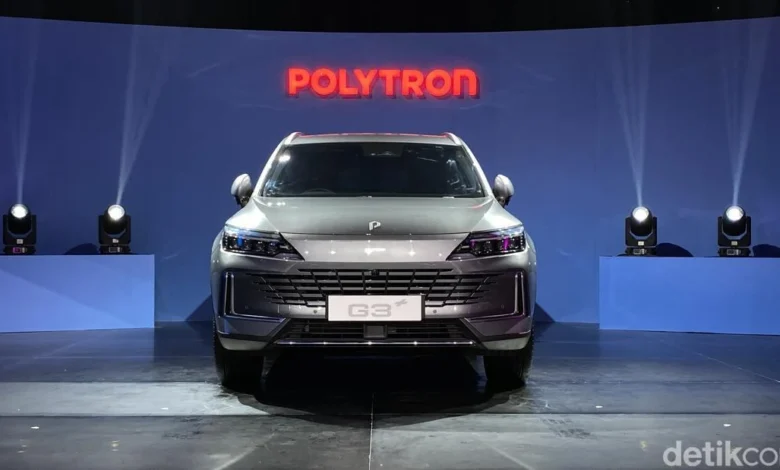
The Indonesian electric vehicle (EV) market, after a period of robust growth, has encountered a notable slowdown in sales distribution during March 2026. This downturn, reflected in the wholesale data from the Indonesian Automotive Industry Association (Gaikindo), saw overall EV sales decrease by 14.15% compared to the previous month. Among the brands experiencing this decline is Polytron, a relatively new entrant to the automotive scene, whose deliveries have steadily diminished since the beginning of the year.
Polytron’s EV sales trajectory paints a clear picture of this downward trend. In January 2026, the company distributed 81 units of its electric cars. This figure saw a reduction to 58 units in February, and further dropped to a mere 26 units in March. Cumulatively, Polytron managed to distribute 165 units during the first quarter of 2026. The company currently offers a single model, available in two variants: the G3 and the G3+. This concentrated product offering means that any fluctuations in the market directly impact Polytron’s overall performance.
The broader national picture for electric vehicles in March 2026 recorded 10,572 wholesale units. This represents a significant decrease from the 12,314 units distributed in February 2026. This dip in March’s figures is largely attributed to external factors, most notably the extended Idul Fitri holiday period.
The Impact of the Idul Fitri Holiday
Jongkie D. Sugiarto, Chairman I of Gaikindo, confirmed the impact of the religious holiday on automotive operations. "There was a decrease compared to February 2026, considering the Idul Fitri holiday in March 2026," he stated in a phone interview with detikOto on Friday, April 11, 2026. The Idul Fitri holiday, a significant religious observance in Indonesia, typically involves extended public holidays and a period of extensive travel for many families. This leads to a considerable reduction in active working days for factories and a subsequent slowdown in logistics and distribution networks, directly affecting vehicle sales figures. The operational period for both manufacturing and delivery was significantly curtailed, impacting the month’s overall sales performance.
Polytron’s Market Position Relative to Competitors
Despite its declining numbers, Polytron’s sales performance in the first quarter of 2026 still managed to outperform some of its Japanese competitors who have also introduced electric vehicles to the Indonesian market. For instance, Mitsubishi Motors, which offers the L100 and MiEV electric models, registered no wholesale distribution for these vehicles in January and February 2026. Similarly, Toyota’s bZ4X, another EV option, saw limited distribution, with only 24 units delivered during the same two-month period. This suggests that while Polytron is facing internal sales challenges, it has managed to carve out a niche, albeit a shrinking one, in a market where established Japanese brands have yet to make a significant EV impact.
BYD Continues to Dominate the EV Landscape
In contrast to the declining trends observed by some, Chinese manufacturer BYD has continued its impressive market penetration. The BYD Sealion 07 emerged as the best-selling EV model in March 2026, with a total of 1,236 units distributed. This indicates strong consumer demand for BYD’s offerings in the burgeoning Indonesian EV market.
Furthermore, BYD’s flagship model, part of its Denza sub-brand, a sliding-door MPV, also witnessed a significant uptick in sales. It recorded 455 units distributed in March, a substantial increase from the 270 units it achieved in February. This demonstrates BYD’s successful strategy in catering to different segments of the EV market, from compact models to larger family vehicles.
Geely and Jaecoo Show Strong Performance
Another Chinese brand, Geely, has been quietly but effectively gaining traction. Its Geely EX2 model has garnered considerable attention from Indonesian consumers, evidenced by its distribution of 949 units. This suggests a growing acceptance and preference for Geely’s EV offerings in the local market.
However, the undisputed leader in terms of sheer volume in March 2026 was the Jaecoo J5. This SUV model registered an impressive 2,959 units distributed, marking a slight increase from its February figure of 2,926 units. The consistent high performance of the Jaecoo J5 positions it as a dominant force in the Indonesian EV SUV segment and a key driver of overall market sales.
Overall Market Performance and Future Outlook
Despite the dip in March, the Indonesian electric vehicle market has demonstrated remarkable growth over the first quarter of 2026. Cumulatively, from January to March 2026, a total of 33,150 electric vehicles have been distributed nationwide. This figure represents a substantial year-on-year increase of 95.9% compared to the first quarter of 2025. This robust overall growth trajectory indicates that the Indonesian EV market is still in its nascent stages of expansion, with significant potential for further development.
The fluctuations observed in March, particularly the impact of the Idul Fitri holiday, highlight the sensitivity of the market to seasonal events and logistical challenges. While the decline in sales for specific brands like Polytron is a concern for those manufacturers, the overall positive trend for the EV sector suggests a broader acceptance and growing demand for electric mobility in Indonesia.
Analysis of Implications and Future Trends
The performance of various brands in the first quarter of 2026 provides valuable insights into the evolving dynamics of the Indonesian EV market. The continued dominance of Chinese manufacturers like BYD, Geely, and Jaecoo underscores their aggressive market entry strategies, competitive pricing, and the increasing appeal of their technological offerings. These brands have effectively capitalized on the Indonesian government’s push for EV adoption and the growing consumer interest in sustainable transportation.
Polytron’s declining sales, while concerning for the brand, also highlight the intense competition within the market. As a newer entrant, Polytron faces the challenge of building brand recognition and market share against established global players and increasingly competitive local players. The company’s reliance on a single model might also be a contributing factor, as consumers often seek a wider range of options to suit their diverse needs and preferences.
The dip in March sales, largely attributed to the Idul Fitri holiday, serves as a reminder of the logistical and operational complexities inherent in the automotive industry, especially in a vast archipelago like Indonesia. Future sales figures will likely show a rebound in April and subsequent months as normal operations resume.
The significant year-on-year growth in the first quarter of 2026 is a strong indicator of the long-term potential of the Indonesian EV market. Factors such as government incentives, the expansion of charging infrastructure, and increasing consumer awareness regarding the environmental and economic benefits of EVs are expected to continue driving market growth.
However, manufacturers need to remain adaptable and responsive to market trends. For brands experiencing declining sales, a strategic review of their product offerings, pricing, marketing strategies, and distribution networks will be crucial. Diversifying product portfolios, exploring new market segments, and potentially forging strategic partnerships could be avenues for revitalization.
The Indonesian government’s commitment to promoting electric vehicles, as evidenced by various policies and incentives aimed at encouraging local production and adoption, will remain a critical factor in shaping the future of the EV market. Continued investment in charging infrastructure, research and development, and consumer education will be vital to sustaining the positive momentum and overcoming the challenges that lie ahead. The coming months will be crucial in observing whether the March dip was a temporary blip or a sign of more significant shifts in the competitive landscape of Indonesia’s burgeoning electric vehicle sector.