Indonesian Ministry of Communication and Digital Issues Final Ultimatum to Wikimedia Foundation Over Registration

Jakarta, Indonesia – The Indonesian Ministry of Communication and Digital (Komdigi) has issued a stringent seven-day ultimatum to the Wikimedia Foundation, demanding immediate compliance with the country’s regulations for Private Electronic System Operators (PSE). Failure to register within this final grace period will result in the comprehensive blocking of all Wikimedia services, including the widely used Wikipedia Indonesia and Wikimedia Commons, across the archipelago. This decisive move underscores the Indonesian government’s unwavering commitment to enforcing its digital governance framework on all platforms operating within its jurisdiction, irrespective of their commercial status or global footprint.
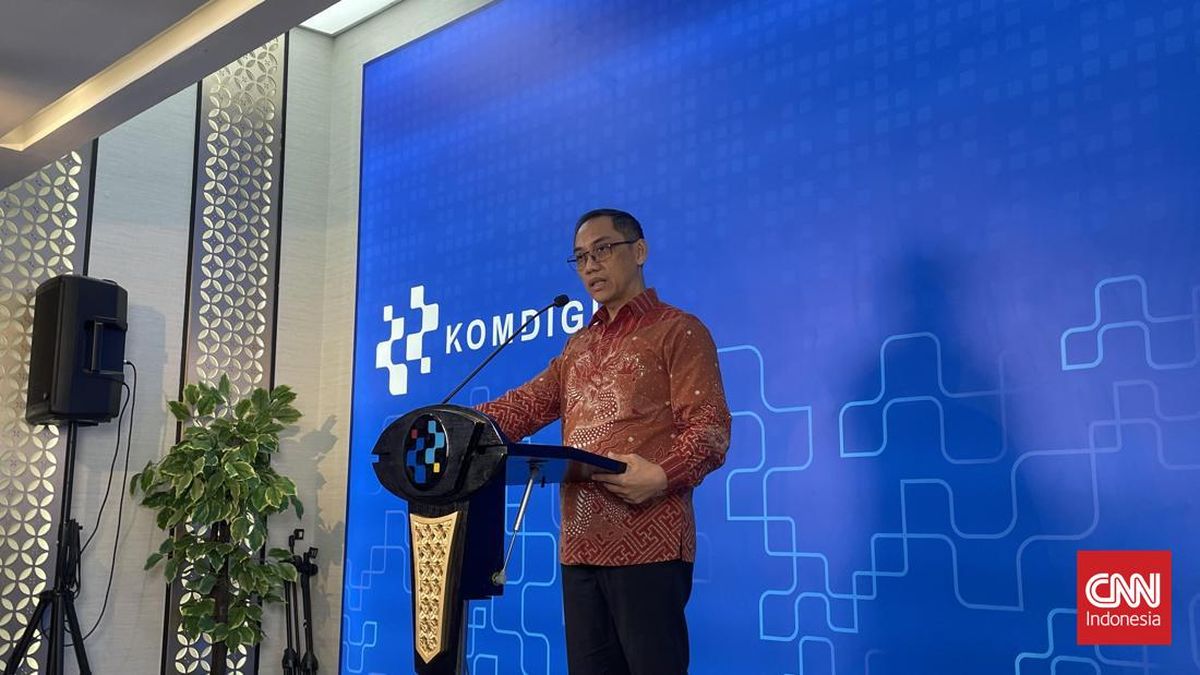
Director-General of Digital Space Supervision at Komdigi, Alexander Sabar, articulated the government’s stance, emphasizing the principle of equitable and orderly digital space management. "The government, through the Ministry of Communication and Digital, reaffirms its commitment to enforcing orderly and fair digital space governance for all electronic system operators," Sabar stated in a press release issued on Wednesday, April 15. This directive applies universally, extending to global non-profit entities like the Wikimedia Foundation, which hosts the world’s largest online encyclopedia and a vast repository of free-to-use media.
Understanding Indonesia’s PSE Regulation
The obligation for digital platforms to register as PSEs in Indonesia stems from Minister of Communication and Informatics Regulation Number 5 of 2020 (Permenkominfo No. 5/2020), concerning Private Electronic System Operators. This regulation, along with its subsequent amendments, mandates that all digital service providers, whether local or foreign, commercial or non-profit, must register with Komdigi if their services are accessible or utilized within Indonesia. The primary objectives of this regulation are multifaceted, aiming to:
- Enhance Legal Certainty: Provide a clear legal framework for digital operations within Indonesia, ensuring accountability and adherence to national laws.
- Protect User Data: Safeguard the personal data of Indonesian citizens by requiring platforms to comply with local data protection standards, including data localization requirements for certain categories of data.
- Ensure Content Moderation and Law Enforcement Cooperation: Enable the government to request the removal of content deemed illegal or disruptive under Indonesian law and facilitate cooperation with law enforcement agencies in investigations.
- Promote a Healthy Digital Ecosystem: Foster a fair and transparent digital environment by ensuring all players operate under consistent rules, including tax obligations, although Komdigi has clarified that PSE registration itself is free.
- Strengthen Digital Sovereignty: Assert Indonesia’s control over its digital landscape, reflecting a broader global trend where nations seek greater oversight of internet services consumed by their citizens.
The scope of Permenkominfo No. 5/2020 is extensive, encompassing a wide array of digital services from social media networks, e-commerce platforms, and fintech services to search engines and, critically, knowledge-sharing platforms like Wikimedia. Non-compliance with these regulations can lead to severe penalties, ranging from written warnings and administrative fines to the ultimate sanction of service suspension or outright blocking, as previously witnessed with several other major digital services.
A Protracted Engagement: The Timeline of Non-Compliance
The ultimatum issued to the Wikimedia Foundation is not an abrupt decision but rather the culmination of a prolonged period of engagement and repeated extensions granted by Komdigi. The ministry has meticulously documented a timeline of its interactions with the Foundation, highlighting the numerous opportunities provided for compliance:
- November 14, 2025: Komdigi initiated contact by sending an initial notification to the Wikimedia Foundation regarding its obligation to register as a Private Electronic System Operator.
- November 21, 2025: The Wikimedia Foundation formally requested an extension, which Komdigi granted.
- December 1, 2025: Wikimedia submitted another request for an extension, which was again approved by Komdigi.
- January 6, 2026: A third request for extension was received from Wikimedia, with a final deadline set for January 20, 2026.
- January 28, 2026: The Wikimedia Foundation failed to meet the January 20 deadline. Consequently, Komdigi issued a formal notification outlining its intention to block the services.
- January 28, 2026 – February 25, 2026: Throughout this period, the Wikimedia Foundation reportedly did not provide any substantive response or further communication regarding the impending block.
- February 25, 2026: Komdigi implemented a limited block, specifically targeting
auth.wikimedia.org, a component critical for user authentication across Wikimedia projects. This partial block served as a preliminary measure to emphasize the seriousness of the situation. - April 7, 2026: Komdigi extended an invitation to the Wikimedia Foundation for a meeting to discuss the PSE registration process in detail.
- April 9, 2026: In response to Komdigi’s invitation, Wikimedia stated that it did not have official representation in Indonesia, complicating direct negotiations.
- April 13, 2026: Despite ongoing communications and previous partial action, the Wikimedia Foundation remained unregistered as a Private Electronic System Operator.
- April 15, 2026: Komdigi issued the current, final seven-day ultimatum, reiterating that a full block of all Wikimedia services would ensue if registration is not completed within the specified timeframe.
This detailed chronology demonstrates Komdigi’s efforts to engage with the Wikimedia Foundation and provide ample opportunity for compliance, moving from initial notifications to repeated extensions, a partial block, and invitations for direct dialogue, before resorting to the final ultimatum.
Komdigi’s Justification and Stance on Fairness
Alexander Sabar underscored that the registration process is entirely free of charge and applies equally to all platforms, regardless of whether they operate on a commercial or non-profit model. This assertion directly addresses potential arguments from non-profit organizations about the financial burden or unique operational nature of their services. "This is done to protect the public, and also to protect the platform itself, in this case Wikimedia, so that it is legally protected," Sabar concluded. This statement frames the regulation not as punitive but as a measure to ensure legal standing and mutual protection within Indonesia’s digital legal framework.
The Indonesian government’s consistent message has been one of regulatory consistency and fairness. They argue that applying the same rules to all digital entities creates a level playing field and ensures accountability, which is crucial for managing the vast and rapidly evolving digital space. Komdigi’s past actions, including the temporary blocking of services like PayPal, Yahoo, and Epic Games in July 2022 for similar PSE non-compliance, set a clear precedent for the current ultimatum. Those platforms eventually complied, leading to the restoration of their services, demonstrating the effectiveness of Komdigi’s enforcement strategy.
The Wikimedia Foundation’s Unique Position and Potential Challenges
The Wikimedia Foundation, a U.S.-based non-profit organization that operates Wikipedia and its sister projects, presents a unique case. Unlike commercial entities primarily driven by profit motives, Wikimedia’s mission is to empower and engage people around the world to collect and develop educational content under a free license or in the public domain, and to disseminate it effectively and globally. Its operational model relies heavily on a global community of volunteers, with limited physical presence in most countries.
Wikimedia’s repeated requests for extensions and its statement about lacking local representation in Indonesia suggest several potential challenges:
- Non-Profit Model: The Foundation’s non-profit status and reliance on donations might make it structurally different from large commercial tech companies for whom such registrations are standard business practice.
- Global Decentralization: Wikipedia’s content is created and curated by millions of volunteers worldwide. The idea of a single entity being responsible for "moderating" or "controlling" content in a national context might clash with its open, decentralized, and community-driven ethos.
- Data Handling: While Wikimedia takes user privacy seriously, complying with specific data localization or data access requests from individual governments might require significant technical and legal adjustments to its global infrastructure.
- Perceived Mission Conflict: For some, complying with content moderation requests from governments could be seen as compromising Wikipedia’s neutrality and commitment to free knowledge, especially if such requests touch upon sensitive political or social topics.
However, the Indonesian government views these arguments through the lens of national sovereignty and the imperative to regulate all entities operating within its borders. From Komdigi’s perspective, the nature of an organization (commercial vs. non-profit) does not exempt it from adhering to national laws designed to protect citizens and ensure orderly digital governance.
Broader Context: Indonesia’s Digital Sovereignty Push
Indonesia, with its vast and rapidly growing digital economy and over 200 million internet users, has been increasingly assertive in establishing its digital sovereignty. The PSE regulation is a cornerstone of this strategy, reflecting a global trend where governments seek to regulate large tech platforms more rigorously. This push is driven by several factors:
- National Security: The ability to monitor and control information flows, especially in the context of misinformation, disinformation, and cyber threats.
- Economic Development: Ensuring fair competition, fostering local digital industries, and capturing tax revenues from global digital giants.
- Social Cohesion: Addressing issues like hate speech, radicalization, and child exploitation online.
- Consumer Protection: Safeguarding user data and ensuring platforms are accountable for their services.
The case of Wikimedia is particularly sensitive due to Wikipedia’s role as a vital source of information and education. A block would not only affect millions of Indonesian users seeking free knowledge but also impact the vibrant community of Indonesian Wikipedia editors and contributors who enrich the platform with local content. This situation highlights the tension between national regulatory frameworks and the global, open nature of internet services.
Potential Implications of a Block
Should the Wikimedia Foundation fail to comply and Komdigi proceed with a full block, the implications would be significant and far-reaching:
- Access to Information: Millions of Indonesian students, educators, researchers, and general users would lose direct access to Wikipedia, a primary source of free and comprehensive information in both Indonesian and other languages. This could severely hamper academic research, educational activities, and general public knowledge acquisition.
- Digital Divide: A block could exacerbate the digital divide, especially for those in remote areas who rely on free, accessible resources like Wikipedia for information.
- Impact on Local Communities: The vibrant community of Indonesian Wikipedia editors and contributors would be cut off from their global platform, potentially stifling local knowledge creation and dissemination efforts.
- Precedent for Non-Profits: This case could set a precedent for how non-profit global digital services are treated under national regulatory frameworks, potentially leading to similar challenges in other countries.
- International Perception: While Indonesia has a sovereign right to regulate its digital space, blocking a widely used educational resource like Wikipedia could draw international criticism regarding freedom of information and access to knowledge.
- Economic Impact: While Wikimedia is non-profit, its content is often used by businesses, researchers, and developers. Its unavailability could have ripple effects on various sectors.
Looking Ahead: The Final Countdown
As the seven-day ultimatum begins, the ball is firmly in the Wikimedia Foundation’s court. The Foundation faces a critical decision: either complete the PSE registration process, which Komdigi insists is straightforward and free, or risk a complete shutdown of its services in Indonesia. This situation presents a complex challenge, balancing the Foundation’s global operational principles with Indonesia’s sovereign right to regulate its digital domain. The coming days will determine the future of access to Wikipedia and its sister projects for millions of Indonesians, and potentially set a significant precedent for digital governance in the country and beyond.