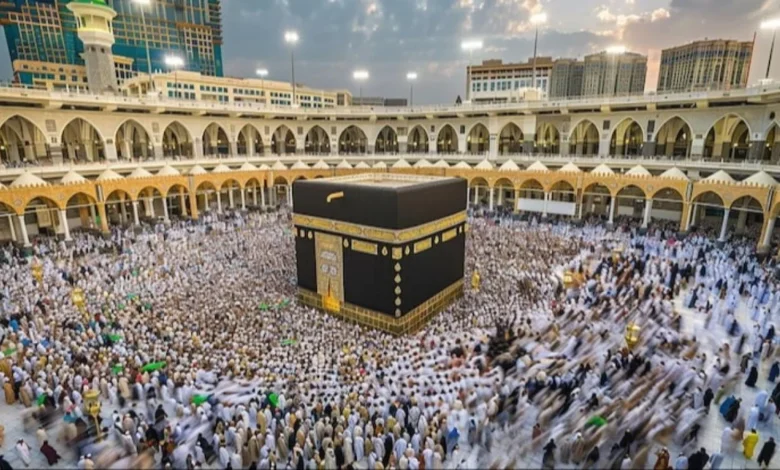
Hajj, the fifth pillar of Islam, represents a profound spiritual aspiration for every Muslim. It is not merely a physical journey to the Holy Land, but a transformative spiritual pilgrimage that signifies the culmination of one’s devotion after fulfilling the core tenets of faith: the declaration of belief (Shahada), prayer (Salat), fasting (Sawm), and charity (Zakat). The immense significance attached to Hajj explains why countless individuals dedicate years, even decades, to meticulously prepare for this sacred undertaking. This preparation extends far beyond financial and health considerations; it encompasses a series of crucial spiritual practices, or amalan, recommended to ensure the Hajj pilgrimage is imbued with perfection and divine blessings.
The obligation of Hajj is unequivocally established in the Holy Quran. Allah (SWT) states in Surah Al-Imran (3:97): "And [due to] the people from Allah is a census of those who can afford the journey to Him. But whoever disbelieves – then indeed, Allah is without need of the worlds." This verse underscores the divine mandate and the importance of undertaking Hajj for those who possess the means. The concept of "ability" encompasses not only financial capacity but also the physical and mental fortitude required for the demanding journey.
Preparing the Soul: The Pre-Hajj Spiritual Regimen
Before embarking on the spiritual odyssey to Mecca and Medina, a comprehensive approach to preparation is vital. This involves a deep introspection and a commitment to spiritual purification. According to insights from religious scholars and traditional Islamic teachings, several amalan are particularly emphasized to sanctify the journey and enhance the pilgrim’s experience.
1. Repentance and Settling Accounts with Fellow Humans
The foundational step in preparing for Hajj is sincere repentance (tawbah) to Allah (SWT). This involves seeking forgiveness for all transgressions, both those committed against the divine and those against fellow human beings. This spiritual cleansing is paramount, as it aims to clear the slate and approach the sacred journey with a pure heart, free from the burden of unaddressed sins.
Beyond seeking divine forgiveness, it is equally critical to settle earthly affairs and obligations. This includes the prompt repayment of debts, the return of borrowed items, and ensuring that the financial needs of dependents left behind are adequately met. The principle of halal (lawful) sustenance is also a cornerstone of Hajj preparation. Pilgrims are strongly advised to ensure that all funds allocated for Hajj are derived from legitimate and ethical sources. The blessing (barakah) of the Hajj is believed to be significantly influenced by the purity of the wealth used for its financing. This meticulous approach to worldly affairs demonstrates respect for both divine law and social responsibility, creating a solid foundation for spiritual endeavors.
2. The Prayer of Two Rak’ahs and Supplication for the Journey
A deeply cherished practice before departing for Hajj is the performance of a two-rak’ah voluntary prayer (shalat sunnah). This prayer is often performed at home or at the mosque before bidding farewell to loved ones and commencing the travel. The recommended recitation for the first rak’ah, after Surah Al-Fatihah, is Surah Al-Kafirun, and for the second rak’ah, Surah Al-Ikhlas. These chapters, focusing on the oneness of Allah and disassociation from disbelief, serve to reinforce the pilgrim’s core beliefs.
Following this prayer, a specific supplication (dua) is recited, invoking Allah’s protection and blessings for the journey ahead. This prayer, often translated as: "O Allah, You are the Companion on the journey and the Guardian of the family, wealth, and children. Protect us and them from every hardship and illness. O Allah, in this journey, we ask You for goodness, piety, and deeds that You are pleased with. O Allah, make this journey easy and near for us. Grant us safety of body, religion, and wealth, and enable us to perform Hajj to Your House and to visit the tomb of Your Prophet Muhammad (peace be upon him)." This supplication encapsulates the pilgrim’s deep reliance on Allah’s mercy and guidance, seeking spiritual and physical well-being for themselves and their families, and ultimately, the successful completion of the Hajj rituals.
3. Seeking Counsel and Knowledge
In contemporary times, access to information and guidance has become more accessible, yet the importance of seeking knowledge remains paramount. Prospective Hajj pilgrims are encouraged to engage with knowledgeable religious scholars and attend pre-Hajj seminars. These sessions often cover the intricate details of Hajj rituals, the historical and spiritual significance of the holy sites, and practical advice on navigating the journey. Understanding the ‘why’ behind each ritual can deepen a pilgrim’s appreciation and connection to the experience.
The Quranic Mandate and the Hajj Obligation
The obligation of Hajj is a cornerstone of Islamic practice, explicitly mentioned in the Quran. The verse from Surah Al-Imran (3:97) serves as a constant reminder of this divine decree. The interpretation of "those who can afford the journey" is crucial. Traditionally, this has encompassed not only financial means but also physical health and the security of the route. In the modern era, this also includes possessing the necessary travel documents, visas, and being in a state of health that allows one to undertake the demanding physical aspects of the pilgrimage, such as extensive walking and standing.
The concept of kufr (disbelief) in the context of rejecting Hajj implies a rejection of a fundamental divine commandment. Those who have the means and neglect this obligation without a valid excuse are considered to have disbelieved in this specific command, highlighting its paramount importance in the Islamic faith.
Beyond the Rituals: The Broader Context of Hajj Preparation
The journey to Hajj is a multifaceted undertaking, and the preparations extend to practical considerations that ensure a smoother and more fulfilling experience.
1. Health and Medical Preparedness
Given the physically demanding nature of Hajj, comprehensive health assessments are indispensable. Pilgrims are advised to consult their physicians well in advance of their departure to undergo necessary vaccinations, obtain medical clearance, and secure any required medications. Pre-existing conditions should be carefully managed, and pilgrims should be equipped with a basic first-aid kit. The extreme climate conditions in Saudi Arabia during the Hajj season, with temperatures often exceeding 40 degrees Celsius, necessitate precautions against heatstroke and dehydration.
2. Packing Wisely: Essentials for the Sacred Journey
Packing for Hajj requires careful consideration of both religious requirements and practical needs. Essential items include comfortable, modest clothing suitable for the climate, a prayer mat, a Quran, and personal hygiene items. For men, the ihram attire – two unstitched white sheets – is a mandatory requirement for entering the state of ihram, the sacred state of ritual purity observed during Hajj and Umrah. Women also have specific attire guidelines to maintain modesty. Pilgrims are also advised to carry identification, travel documents, and emergency contact information.
3. Financial Planning and Management
While the spiritual aspect is paramount, sound financial planning is crucial. Pilgrims must ensure they have sufficient funds to cover travel, accommodation, food, and unforeseen expenses. It is advisable to carry a combination of cash and accessible financial instruments. Understanding exchange rates and local currency is also important for practical purposes.
4. Mental and Emotional Readiness
The spiritual and physical demands of Hajj can be overwhelming. Pilgrims are encouraged to cultivate patience, humility, and a positive attitude. The journey often involves long queues, crowds, and a departure from familiar routines. Developing mental resilience and an understanding that the pilgrimage is a test of faith can help pilgrims navigate these challenges with grace. Engaging in mindfulness practices and seeking spiritual counsel can further enhance emotional preparedness.
The Hajj Journey: A Timeline of Significance
The Hajj pilgrimage follows a specific timeline, commencing on the 8th day of Dhu al-Hijjah, the twelfth month of the Islamic lunar calendar.
- 8th Dhu al-Hijjah: Pilgrims enter the state of ihram and proceed to Mina, a desert encampment, where they spend the day in prayer and reflection.
- 9th Dhu al-Hijjah: The Day of Arafah. This is the pinnacle of Hajj, where pilgrims gather on the plain of Arafah for intense prayer and supplication. It is believed that Allah (SWT) showers His mercy upon those who stand in supplication on this day.
- 10th Dhu al-Hijjah: Eid al-Adha. Pilgrims perform the ritual sacrifice (qurbani) and then proceed to throw pebbles at the Jamarat (stone pillars symbolizing the devil). This day also marks the beginning of the Tawaf al-Ifadah, a circumambulation of the Kaaba.
- 11th and 12th Dhu al-Hijjah: Further stoning of the Jamarat and continued circumambulation. Pilgrims may choose to depart from Mina after the 12th day or stay for an additional day.
- 13th Dhu al-Hijjah: The final day of Hajj for those who choose to stay.
The completion of these rituals, following meticulous preparation, is believed to result in a Hajj Mabrur – an accepted and blessed Hajj – which, according to Islamic tradition, has a reward of paradise. The journey is not merely an act of worship but a profound testament to the unity of the global Muslim community, as millions gather from diverse backgrounds, united by their devotion to Allah (SWT). The lessons learned and the spiritual transformation experienced during Hajj are intended to have a lasting impact on the pilgrim’s life, guiding them towards a more righteous and fulfilling existence.