The Indonesian automotive market is experiencing a significant shift, with Chinese car brands rapidly gaining traction and compelling established Japanese dealerships to adapt or risk obsolescence. In response to this dynamic landscape, Daihatsu, a major player in Indonesia’s automotive sector, is implementing a comprehensive strategy focused on enhancing dealer service quality to retain customer loyalty and safeguard its market share against the assertive expansion of Chinese manufacturers, particularly in the burgeoning electric vehicle segment.
The phenomenon of Japanese car dealerships transitioning to represent Chinese brands is becoming increasingly prevalent. This trend is driven by the growing popularity of Chinese automakers, who have aggressively introduced a range of vehicles, notably electric models, at competitive price points. These offerings are resonating with a segment of the Indonesian consumer base, leading to a decline in sales for some traditional Japanese brands and a subsequent change in business focus for their dealerships. The Indonesian automotive industry, traditionally dominated by Japanese manufacturers like Toyota, Daihatsu, Honda, and Suzuki, is now witnessing a diversification that challenges the established order.
Daihatsu, consistently ranking as the second-largest car seller in Indonesia, is acutely aware of this evolving market dynamic. The company recognizes that maintaining its strong market position requires more than just competitive product offerings; it necessitates an unwavering commitment to superior customer experience at every touchpoint. Tri Mulyono, Marketing and Customer Relation Division Head of PT Astra International-Daihatsu Sales Operation (AI-DSO), recently articulated Daihatsu’s proactive approach.
"Currently, the automotive landscape in Indonesia has indeed seen the addition of new brands, making it quite diverse," Mulyono stated in Jakarta. He emphasized that Daihatsu’s core strategy revolves around "increasing the quality of service to the public from our dealerships." This initiative involves a continuous process of upgrading and refining the standards and capabilities of its existing dealer network.
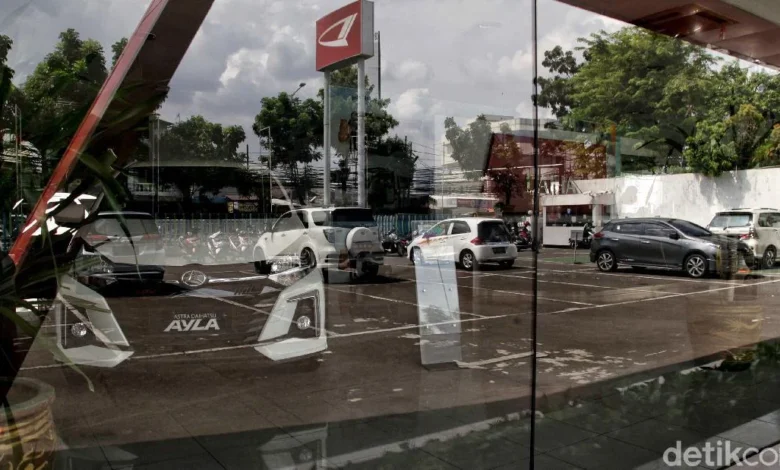
Daihatsu’s commitment to its dealer network is substantial, encompassing approximately 280 outlets managed by 23 dealer groups across the archipelago. The company’s objective is to ensure that these outlets remain the preferred choice for Indonesian consumers by consistently delivering excellent service. "The hope is that these dealers, with our 280 outlets from 23 dealer groups, will maintain their commitment to providing excellent service to the public, so that Daihatsu’s products can continue to be enjoyed by the community," Mulyono added. This underscores a strategic pivot towards service excellence as a key differentiator in an increasingly competitive market.
Supporting Data and Market Context
The Indonesian automotive market is one of Southeast Asia’s largest and most dynamic. In 2023, total vehicle sales in Indonesia reached approximately 1.01 million units, a figure that, while showing a slight increase from the previous year, reflects a market grappling with evolving consumer preferences and new competitive pressures. Japanese brands have historically held a dominant market share, often exceeding 90%. However, this dominance is facing its most significant challenge to date.
Chinese brands, including Wuling, Chery, and MG, have been steadily increasing their presence. Wuling, for instance, has made significant inroads with its electric vehicle (EV) offerings like the Air EV and Binguo EV, which have found a receptive audience among urban consumers seeking affordable and eco-friendly transportation. Chery has launched models such as the Tiggo series, while MG has introduced its ZS EV and HS models. These vehicles often boast advanced features and modern designs at price points that challenge their Japanese counterparts.
The rise of EVs is a particularly crucial factor in this market shift. The Indonesian government has set ambitious targets for EV adoption, incentivizing manufacturers and consumers to embrace electric mobility. Chinese automakers have been at the forefront of introducing a wider range of affordable EV options, thereby accelerating the adoption curve. This has put pressure on traditional automakers, including Daihatsu, to accelerate their own EV development and marketing strategies.
The transition of dealerships is a direct consequence of this market recalcitrant. When a Japanese brand dealership experiences a sustained downturn in sales due to competitive pressure, the financial viability of maintaining that franchise becomes questionable. For some dealers, the opportunity to represent a burgeoning Chinese brand offers a lifeline, allowing them to leverage their existing infrastructure, trained personnel, and customer relationships to tap into a new, growing market segment. This creates a ripple effect, potentially weakening the established brands’ retail footprint if they do not adapt quickly enough.
Daihatsu’s Multifaceted Strategy for Dealer Empowerment
Daihatsu’s strategy to bolster its dealer network extends beyond mere words; it is backed by significant investments in infrastructure and service capabilities. The company emphasizes the importance of its extensive after-sales support network, which is a critical factor in customer retention for any automotive brand.
Currently, Daihatsu is supported by a comprehensive network comprising over 260 outlets, more than 170 after-sales workshops, and over 320 Daihatsu Mobile Service units. Furthermore, the brand has established more than 3,320 part shops across Indonesia. This widespread presence is designed to ensure that customers have convenient access to maintenance, repairs, and genuine spare parts, regardless of their location. This robust after-sales infrastructure is a tangible asset that Daihatsu aims to leverage as a key competitive advantage.
The focus on improving dealer quality involves several key areas:
- Enhanced Technical Training: Daihatsu is likely investing in advanced training programs for its technicians to ensure they are equipped to handle the latest vehicle technologies, including any future hybrid or electric models Daihatsu might introduce. This also involves ensuring technicians are proficient in diagnosing and repairing a wider range of potential issues, thereby minimizing customer downtime.
- Improved Customer Service Protocols: Beyond technical expertise, the emphasis is on the customer’s overall experience. This includes streamlining the service booking process, improving communication with customers regarding vehicle status, ensuring a comfortable waiting area, and implementing feedback mechanisms to continuously gauge customer satisfaction. The goal is to create a seamless and positive interaction from the moment a customer enters the dealership to the moment they drive away.
- Digital Transformation: In line with modern consumer expectations, Daihatsu is likely encouraging its dealerships to adopt digital tools for service appointment scheduling, online vehicle diagnostics, and customer relationship management. A strong digital presence can enhance convenience and transparency.
- Product Diversification and Innovation: While the article focuses on dealer strategy, it’s implicitly understood that Daihatsu must also continue to innovate its product line. The company’s ability to introduce compelling new models, potentially including more electrified options, will be crucial in complementing the enhanced dealer services and attracting a broader customer base. Daihatsu’s parent company, Toyota, has a strong track record in hybrid technology, which could be leveraged.
Broader Impact and Implications for the Indonesian Automotive Market
The assertive expansion of Chinese automotive brands and the strategic responses from established players like Daihatsu have profound implications for the Indonesian automotive market.
Firstly, increased consumer choice and competitive pricing are direct benefits. The influx of new brands and models, particularly in the EV segment, is driving down prices and offering consumers a wider array of features and technologies at various price points. This intensifies competition, forcing all manufacturers to be more agile and customer-centric.
Secondly, accelerated adoption of new technologies, especially EVs, is a significant outcome. Chinese brands have been instrumental in making EVs more accessible to the mass market in Indonesia. This trend, supported by government policies and the strategic focus of companies like Daihatsu on enhancing their dealer network’s capabilities, is likely to speed up Indonesia’s transition towards electric mobility.
Thirdly, a potential recalibration of market dominance is on the horizon. While Japanese brands have long held sway, their market share could be gradually eroded if they fail to adapt effectively. The success of Daihatsu’s strategy, and that of other Japanese manufacturers, will depend on their ability to match or exceed the value proposition offered by Chinese competitors, not just in terms of price and features, but also in the quality of after-sales service and customer experience.
Fourthly, the development of the domestic automotive ecosystem will be influenced. The rise of new players often spurs local component suppliers and service providers to adapt and innovate. This could lead to a more robust and diversified automotive industry in Indonesia, capable of supporting a wider range of manufacturers and technologies.
Finally, the resilience of established brands will be tested. Daihatsu’s proactive approach to strengthening its dealer network is a critical move to ensure its long-term viability. By focusing on the tangible aspects of customer ownership – reliable service, accessible maintenance, and a positive dealership experience – Daihatsu aims to build a layer of loyalty that transcends mere product features or initial purchase price. The success of this strategy will be a key indicator of how well traditional automotive giants can navigate the disruptive forces of new market entrants and technological shifts. The coming years will undoubtedly be a period of significant transformation for the Indonesian automotive landscape, with consumer experience emerging as a paramount battleground.