Nigeria’s Economic Crucible: Soaring Inflation Squeezes Traders at Lagos’ Mile 12 Market as Fuel Costs Skyrocket

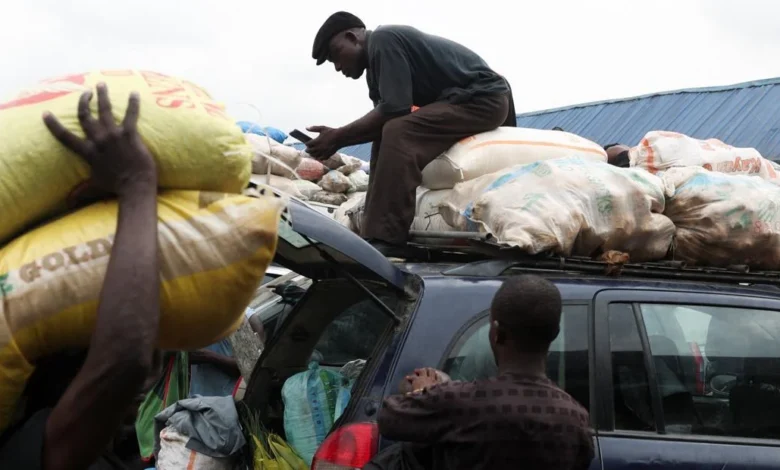
Lagos, Nigeria – The bustling thoroughfares and vibrant stalls of Mile 12 International Market, a critical artery for food and goods distribution in Lagos, are currently experiencing an unprecedented economic squeeze as Nigeria grapples with a persistent and escalating inflation crisis. Traders at this pivotal commercial hub, along with their counterparts across the nation, find their livelihoods increasingly precarious, caught between soaring operational costs and dwindling consumer purchasing power. The relentless surge in the cost of essential commodities, driven primarily by punitive fuel price hikes and a weakening national currency, has transformed daily commerce into a formidable battle for survival for countless small and medium-sized enterprises (SMEs).
The situation in Mile 12, a market renowned for its fresh produce and bustling trade, serves as a stark microcosm of Nigeria’s broader economic challenges. Merchants, who form the backbone of the informal economy, are reporting significant erosion of their profit margins, with many struggling to recoup even their basic expenses. The ripple effect extends far beyond the market gates, impacting millions of households who rely on these traders for their daily sustenance.
The Anatomy of a Crisis: Fuel, Naira, and Inflation
The roots of the current economic predicament are multifaceted, tracing back to a series of ambitious but economically challenging reforms initiated by the Nigerian government. In mid-2023, the administration of President Bola Ahmed Tinubu embarked on a path of significant economic liberalization, primarily by removing the long-standing fuel subsidy and floating the national currency, the Naira. While these policies were lauded by international financial institutions as necessary steps towards fiscal sustainability and attracting foreign investment, their immediate impact has been a severe inflationary shockwave across the economy.
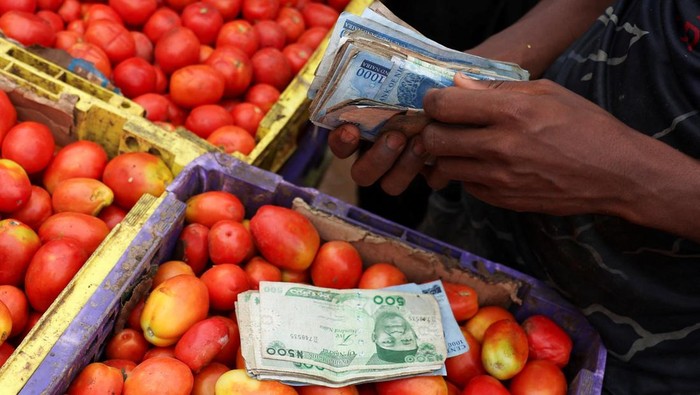
Prior to these reforms, fuel subsidies had kept petrol prices artificially low, albeit at a massive cost to the national treasury. Their removal saw the price of a litre of petrol surge by over 200-300% almost overnight. By April 2026, the cumulative effect of further adjustments and market dynamics has pushed fuel costs to levels previously unimaginable for the average Nigerian. Similarly, the Naira’s floatation led to a dramatic depreciation against major international currencies, particularly the US dollar. From trading around 400-500 Naira to a dollar in early 2023, the exchange rate had spiralled to well over 1,500-2,000 Naira to a dollar by early 2026, a depreciation that makes imported goods and raw materials prohibitively expensive.
These two critical policy shifts, combined with global supply chain disruptions and domestic security challenges affecting agricultural output, have converged to create a perfect storm of inflation. Nigeria’s headline inflation rate, which stood at around 22% in mid-2023, has steadily climbed, breaching the 30% mark in late 2025 and hovering around 35-40% by April 2026. Food inflation, a particularly sensitive indicator in a nation where a significant portion of income is spent on food, has often outpaced the general rate, exacerbating hunger and poverty.
Mile 12 on the Brink: A Trader’s Daily Struggle
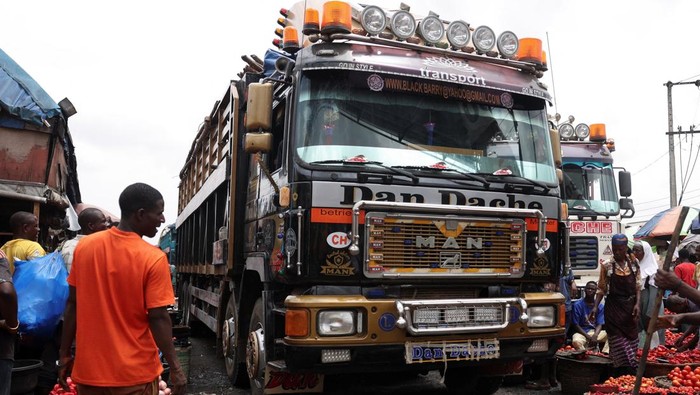
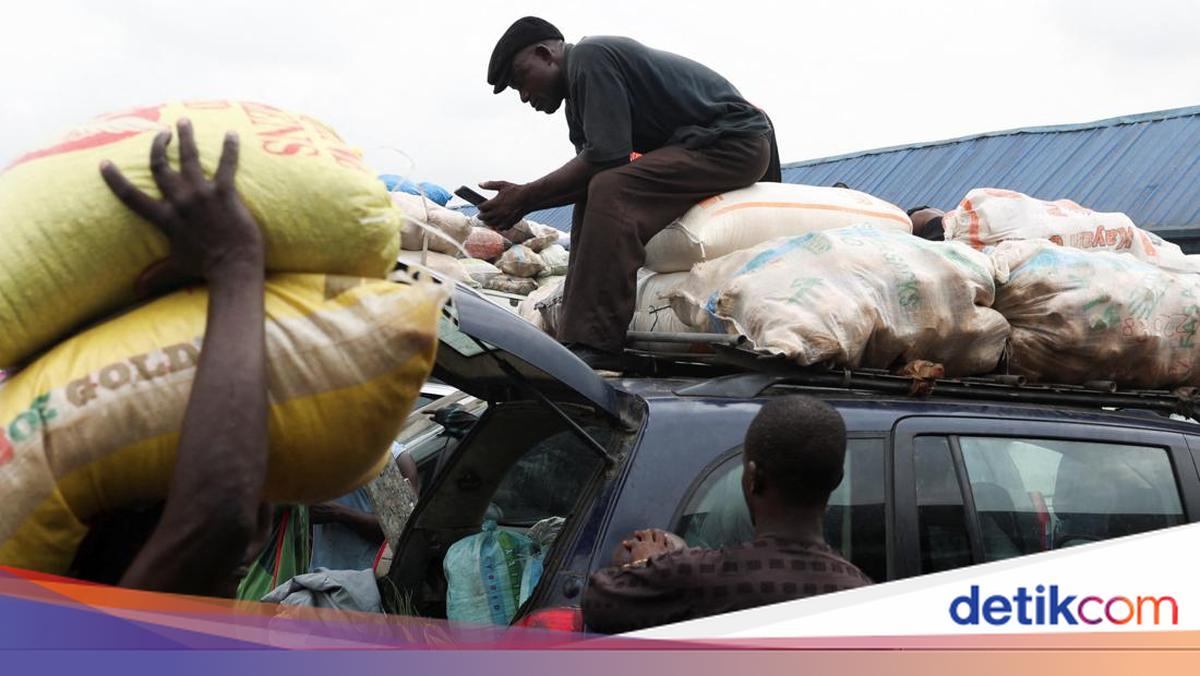
At Mile 12 International Market, the consequences are palpable. Saheed Tunji, a long-time trader specializing in perishable goods, encapsulates the daily struggle. "Before, I could manage my daily transport and operational costs with relative ease," Tunji explains, gesturing towards his loaded minivan. "Now, I spend upwards of 20,000 Naira every single day just on fuel to distribute my produce from the farms to the market and then to my customers. That’s more than double what it was a year ago." He adds, his voice tinged with frustration, "The cost of maintaining my vehicle, the levies, the cost of the goods themselves – everything has skyrocketed. We are left with very little."
Tunji’s experience is not unique. Fellow trader Amina Bello, who sells yams and plantains, echoes his sentiments. "Customers are buying less. They used to buy in bulk, now they buy in smaller quantities, just enough for a day or two," Bello laments. "We are forced to raise our prices to cover our costs, but then we risk losing customers. It’s a lose-lose situation. Our profit margins, which were already slim, are now razor-thin. Sometimes, we work an entire day just to break even, or even at a loss."
The increased cost of transportation is a major driver of food prices. Haulage operators, grappling with the exorbitant cost of diesel (which is often even more expensive than petrol and not subject to the same level of subsidy discussions), have no choice but to pass these costs onto the traders. This directly translates into higher prices for consumers, creating a vicious cycle where inflation feeds into itself, eroding the purchasing power of the average Nigerian household.
Chronology of Economic Headwinds (2023-2026):
- May 2023: President Bola Ahmed Tinubu announces the immediate removal of the fuel subsidy during his inauguration speech, leading to an immediate surge in petrol prices.
- June 2023: The Central Bank of Nigeria (CBN) announces the unification of exchange rates, effectively floating the Naira. This results in significant depreciation against the US dollar.
- July-December 2023: Inflation rates steadily climb, primarily driven by fuel price increases and Naira depreciation. Food inflation becomes a major concern.
- Early 2024: The government introduces some palliative measures, including cash transfers and subsidized transportation, but their impact is limited against the scale of economic hardship.
- Mid-2024: Further adjustments in fuel prices occur due to global oil market fluctuations and the continued depreciation of the Naira, pushing costs higher.
- Late 2024-Early 2025: Inflation continues its upward trajectory, reaching new multi-decade highs. Public frustration mounts, with sporadic protests reported.
- Late 2025: The government intensifies efforts to attract foreign investment and stabilize the Naira, but structural challenges persist.
- April 2026: Headline inflation hovers near 40%, with food inflation often exceeding this. Traders at key markets like Mile 12 face immense pressure, highlighting the sustained impact of economic reforms without sufficient short-term relief.
Statements and Reactions: A Nation Under Pressure
The economic strain has elicited strong reactions from various stakeholders across Nigeria.
Market Associations:
Alhaji Musa Abubakar, Chairman of the Mile 12 Traders Union, voiced the collective despair of his members. "Our traders are resilient, they have faced many challenges, but this sustained economic pressure is unprecedented," Abubakar stated during a recent press briefing. "We are seeing businesses collapse, families struggling to put food on the table. The government needs to understand that these policies, while perhaps good for the long-term, are crushing us in the short-term. We need urgent interventions – stable fuel prices, access to affordable credit, and better security for our goods and our people." He emphasized the critical role of Mile 12 in feeding Lagos, urging authorities to consider its strategic importance.
Economic Analysts:
Dr. Ngozi Okafor, a Senior Research Fellow at the Centre for Economic Development, Lagos, offered a critical perspective. "The current inflationary spiral is a direct consequence of structural reforms that were implemented without adequate cushioning measures for the most vulnerable segments of the population," Dr. Okafor explained. "While the fuel subsidy removal and currency floatation were theoretically sound for long-term fiscal health, the timing and execution have created significant short-term pain. The lack of robust local refining capacity means we are still importing refined petroleum products, tying local fuel prices to the volatile global market and the depreciating Naira. This creates a self-fulfilling prophecy of inflation." She further added, "The government must urgently address supply-side issues, particularly in agriculture, and implement targeted social safety nets to prevent a humanitarian crisis."
Government Response:
Officials from the Nigerian government have consistently acknowledged the hardships faced by citizens, reiterating their commitment to long-term economic stability. A spokesperson from the Ministry of Information, who preferred not to be named given the sensitivity of the issue, recently stated, "The government is acutely aware of the challenges and sacrifices being made by Nigerians. The reforms initiated are fundamental to building a stronger, more resilient economy, free from the unsustainable burden of subsidies. We are implementing various initiatives, including investments in agricultural productivity, infrastructure development, and programs to ease the burden of transportation costs, to stabilize prices and improve living standards for all." The spokesperson also pointed to ongoing efforts to curb speculative activities in the foreign exchange market and encourage local production to reduce import dependency.
Broader Impact and Implications
The inflationary crisis extends its tendrils far beyond the immediate economic sphere, posing significant social and political challenges.
- Food Security: With food inflation consistently outstripping general inflation, millions of Nigerians are facing increasing food insecurity. Families are forced to cut back on nutritious meals, leading to potential health implications, especially for children. The operational struggles of markets like Mile 12 directly threaten the availability and affordability of food staples for Nigeria’s largest city.
- Poverty and Inequality: The crisis disproportionately affects low-income households and those in the informal sector, pushing more people below the poverty line. The gap between the rich and the poor is widening, creating social tensions.
- Small and Medium Enterprises (SMEs): The lifeblood of the Nigerian economy, SMEs, are struggling to survive. High operational costs, limited access to affordable credit, and reduced consumer demand are leading to business closures and job losses, further exacerbating unemployment.
- Social Unrest: The sustained economic hardship has periodically fueled public discontent and protests across various regions. While largely contained, there remains a simmering potential for broader social unrest if economic conditions do not improve.
- Investment Climate: While the reforms aim to attract foreign investment, the immediate instability and high operational costs can deter potential investors who seek predictability and a stable economic environment.
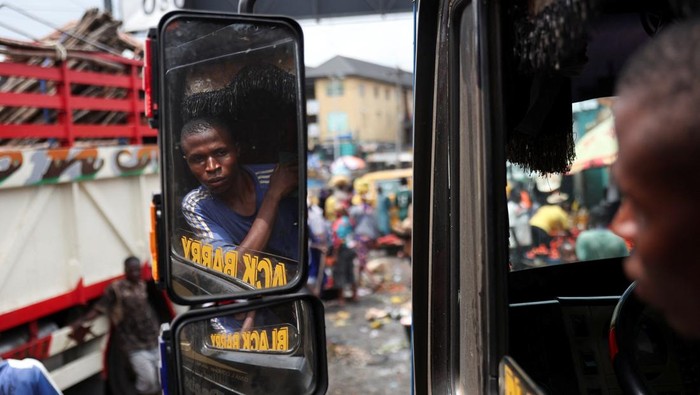
- Supply Chain Disruptions: The increased cost of transportation and distribution leads to inefficiencies and bottlenecks in the supply chain, impacting the timely delivery of goods and further contributing to price increases. The scene at Mile 12, with drivers still operating despite high fuel costs, highlights this critical link, but also its fragility.
Looking Ahead: A Path Through the Storm?
The path forward for Nigeria remains fraught with challenges. Economic analysts suggest that sustained government efforts are crucial, focusing not just on fiscal reforms but also on addressing structural issues that contribute to inflation. This includes investing heavily in local refining capacity to reduce dependence on imported fuel, boosting agricultural productivity through improved security and infrastructure, and stabilizing the foreign exchange market through transparent policies and increased non-oil exports.
For the traders at Mile 12 International Market, resilience remains their greatest asset. Despite the daunting economic headwinds, the market continues its daily rhythm, a testament to the unwavering spirit of Nigerian commerce. However, without concrete and effective interventions that alleviate the crushing burden of inflation and operational costs, the vibrancy of such essential markets risks being dimmed, with profound consequences for Nigeria’s economic stability and the well-being of its citizens. The unfolding situation in Lagos is a powerful reminder of the delicate balance between necessary economic reforms and the imperative to protect the most vulnerable during periods of intense transformation.