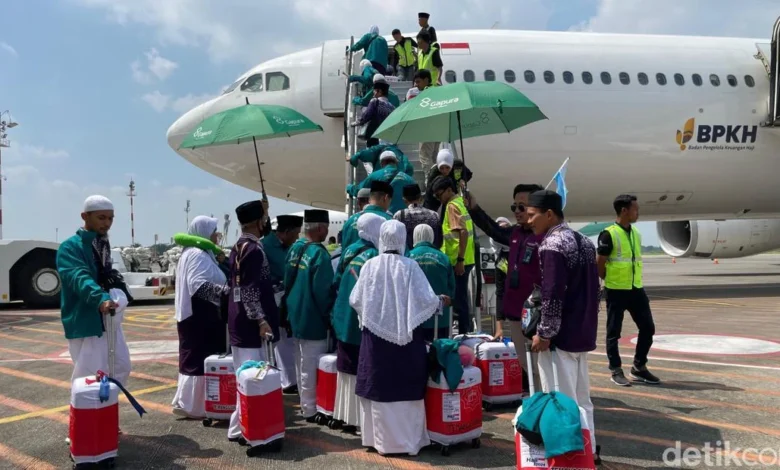
Jakarta – Indonesia’s annual Hajj pilgrimage, a spiritual cornerstone for millions of its citizens, is facing an unexpected financial challenge as major carriers, Garuda Indonesia and Saudia Airlines, demand substantial increases in flight ticket prices. The catalyst for this sudden escalation is the persistent geopolitical instability stemming from the prolonged tensions between the United States and Iran, which has significantly roiled global energy markets and driven up the cost of aviation fuel (avtur). In response, President Prabowo Subianto has issued a decisive directive: the additional financial burden, estimated to be up to Rp 1.77 trillion (approximately US$103 million at current exchange rates), will be entirely absorbed by the state budget, ensuring that Indonesia’s Hajj pilgrims remain unburdened by the volatile international landscape.
The Minister of Hajj and Umrah, Mochamad Irfan Yusuf, confirmed the critical situation, explaining that the demand for increased flight costs emerged abruptly just weeks before the scheduled commencement of Hajj flights at the end of next month. This development has injected a layer of complexity into the meticulously planned spiritual journey for hundreds of thousands of Indonesian pilgrims, whose preparations were largely finalized.
The Geopolitical Shadow Over Global Aviation Fuel
The ongoing friction between the United States and Iran, a complex tapestry of proxy conflicts, sanctions, and strategic maneuvering in the Middle East, exerts a profound influence on global oil markets. While not a direct, conventional war, the continuous state of heightened alert, naval presence, and occasional skirmishes in vital shipping lanes, particularly the Strait of Hormuz – a critical chokepoint for a significant portion of the world’s oil supply – creates an environment of extreme price volatility. Any perceived escalation or disruption sends ripples through crude oil prices, which directly impact the cost of refined petroleum products like jet fuel.
Aviation fuel, or avtur, represents one of the largest operational expenditures for airlines, often accounting for 25-30% of their total costs. Consequently, even marginal increases in crude oil prices can translate into substantial additional expenses for carriers, particularly those operating long-haul international routes such as those for the Hajj pilgrimage. The period leading up to the airlines’ demands saw a significant spike in global oil prices, reflecting heightened market anxiety over potential supply disruptions originating from the Middle East.
A Sudden Surge in Airline Demands
Minister Irfan Yusuf recounted the "crucial" period approximately ten days prior to his public statement on April 15, 2026, when Garuda Indonesia first submitted its request for a price adjustment. Initially, the Ministry sought to ascertain if this was an isolated demand from the national carrier. However, it was swiftly followed by a similar request from Saudia Airlines, the other primary carrier responsible for transporting Indonesian pilgrims.
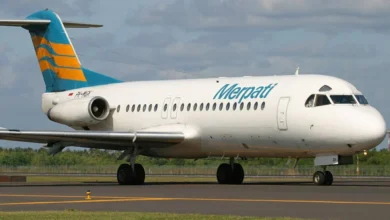
Garuda Indonesia, the national flag carrier, requested an additional Rp 7 million per pilgrim. Meanwhile, Saudia Airlines sought an increase of US$485 per pilgrim. Given Indonesia’s vast Hajj quota—which typically hovers around 221,000 to 241,000 pilgrims annually, making it the largest contingent globally—these individual increases quickly aggregate into a formidable sum. The Ministry of Hajj and Umrah calculated the maximum additional cost required to accommodate both airlines’ demands to be approximately Rp 1.77 trillion. This figure, however, is subject to ongoing negotiations, with the Ministry aiming to reduce the final burden.
The timing of these requests is particularly noteworthy. Minister Irfan indicated that the airlines submitted their proposals when global oil prices were at their "peak," preceding a period that might have seen a temporary "ceasefire" or de-escalation in tensions, which could have led to a subsequent dip in fuel costs. This detail suggests a window for renegotiation based on current market realities.
Indonesia’s Hajj: A Logistical and Spiritual Colossus
Indonesia’s Hajj pilgrimage is a logistical marvel, involving the intricate coordination of travel, accommodation, and spiritual guidance for hundreds of thousands of its citizens each year. As the nation with the world’s largest Muslim population, the Hajj holds immense cultural, religious, and social significance. The government, through the Ministry of Religious Affairs and other related bodies, takes extensive measures to facilitate this sacred journey, often subsidizing parts of the cost to make it accessible to a broader segment of the population.
The cost of Hajj for Indonesian pilgrims is typically covered through a combination of direct payments from pilgrims and subsidies drawn from the Hajj Financial Management Agency (BPKH), which manages the Hajj Endowment Fund. This fund is accumulated from deposits made by prospective pilgrims awaiting their turn, often for many years. The government’s role extends beyond mere facilitation; it often acts as a guardian of the pilgrims’ interests, ensuring fair pricing and reliable services. The involvement of both a national carrier like Garuda Indonesia and a foreign carrier like Saudia Airlines is essential to meet the massive demand for air transport, requiring careful contractual agreements that often span years.
Presidential Decree: Shielding the Pilgrims
Upon receiving the alarming reports from Minister Irfan Yusuf, President Prabowo Subianto acted decisively. He emphatically stated that "this additional burden must not be passed on to the pilgrims." This directive underscores a profound commitment from the highest echelons of government to safeguard the accessibility of the Hajj for Indonesian citizens, irrespective of unforeseen international economic pressures.
The President’s intervention provides immediate relief and reassurance to thousands of pilgrims and their families who have meticulously saved and planned for this once-in-a-lifetime journey. For many, the Hajj represents the culmination of lifelong aspirations and sacrifices, and any unexpected cost increase could jeopardize their ability to perform the pilgrimage. The government’s decision to absorb the costs aligns with a long-standing policy of ensuring that financial hurdles do not unduly impede religious obligations. This move is also politically significant, signaling a strong commitment to public welfare and religious affairs, especially in a nation where religious piety holds substantial social capital.
Navigating the Fiscal Labyrinth: Securing the State Budget Funds
While the President’s directive provides a clear mandate, the practical implementation presents its own set of challenges. Minister Irfan Yusuf acknowledged that the Ministry of Hajj and Umrah is now collaborating intensively with the Ministry of Finance to identify the specific budgetary source and establish the necessary legal framework for disbursing the estimated Rp 1.77 trillion.
"The funds definitely exist," Minister Irfan assured the public, emphasizing that the primary focus is now on constructing the proper legal basis to release the required budget allocation. This process typically involves identifying contingency funds, re-prioritizing existing budget lines, or even seeking special approvals for emergency disbursements. The Ministry of Finance, known for its prudent fiscal management, will need to balance the presidential directive with its broader responsibilities for national economic stability and budgetary discipline. This could involve an internal reallocation of funds from less critical areas or tapping into reserves earmarked for unforeseen circumstances. The transparency and efficiency of this process will be crucial in maintaining public trust.
Ongoing Negotiations: A Flexible Approach to Cost Mitigation
The Rp 1.77 trillion figure, as reiterated by Minister Irfan, represents the maximum potential additional cost based on the airlines’ initial requests. However, it is not a final, immutable figure. The Ministry of Hajj and Umrah is actively engaged in robust negotiations with both Garuda Indonesia and Saudia Airlines to achieve a more favorable outcome.
A key element in these negotiations is the recent fluctuation in aviation fuel prices. Minister Irfan noted that the airlines’ initial demands were predicated on oil prices being at their peak, potentially before a perceived "ceasefire" or de-escalation in the US-Iran tensions. If global avtur prices have indeed softened since the initial requests, this provides a strong basis for the Indonesian government to argue for a reduction in the additional charges. Airlines, while facing their own cost pressures, also operate within a competitive environment and understand the significance of maintaining positive relationships with a major Hajj market like Indonesia. The goal is to strike a balance: ensuring the airlines can operate viable flights while minimizing the financial burden on the state budget. Aviation experts suggest that airlines often employ fuel hedging strategies, but these may not fully insulate them from sharp, unexpected price spikes driven by geopolitical events.
Broader Implications: Economic, Social, and Geopolitical Ripple Effects
The situation carries multifaceted implications across several domains:
- Economic Implications: The absorption of Rp 1.77 trillion by the state budget represents a significant financial commitment. While crucial for pilgrims, it could potentially strain other budgetary allocations or reduce the fiscal space for other development programs, depending on the source of the funds. It underscores the economic vulnerability of even large economies like Indonesia to external geopolitical shocks.
- Social Implications: The President’s decision will undoubtedly be met with immense relief and gratitude from prospective pilgrims, solidifying public trust and demonstrating the government’s commitment to facilitating religious duties. It reinforces the social contract between the state and its citizens, particularly in matters of faith.
- Geopolitical Vulnerability: This incident starkly highlights how distant geopolitical conflicts can have tangible, immediate impacts on domestic affairs, even those as specific as Hajj pilgrimage costs. It serves as a reminder of Indonesia’s interconnectedness with the global economy and the inherent risks associated with international supply chains and energy markets. It might also prompt a review of long-term strategies for Hajj financing, potentially exploring more robust mechanisms to insulate pilgrims and the state budget from future global turbulences.
- Aviation Industry Dynamics: For the airlines involved, the episode underscores the precarious nature of their operations, heavily reliant on stable fuel prices and international political stability. It might encourage a re-evaluation of contractual terms for future Hajj seasons, potentially incorporating more dynamic pricing mechanisms or hedging clauses.
As the Hajj flight season approaches, the Indonesian government remains steadfast in its commitment to ensuring a smooth and accessible pilgrimage for all its citizens. The Ministry of Hajj and Umrah, in close coordination with the Ministry of Finance, is working diligently to finalize the budgetary allocation and conclude negotiations with the airlines. This proactive stance aims to navigate the complexities of global geopolitics and economic volatility, reaffirming the nation’s dedication to its pilgrims and their sacred journey, even as distant conflicts cast long shadows over the world stage.