Why Indias Election Is The Worlds Most Expensive
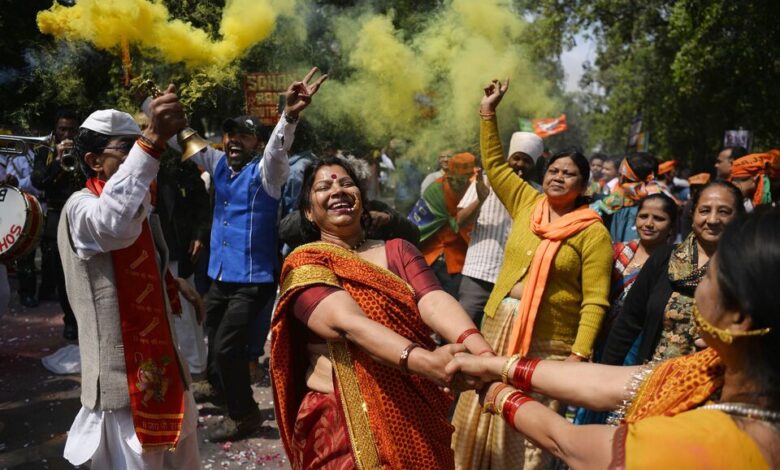
Why indias election is the most expensive in the world – Why India’s election is the most expensive in the world? It’s a question that begs a closer look beyond the headline numbers. From the sheer scale of the electorate – a billion-plus voters spread across a vast and diverse landscape – to the intricate web of campaign financing and the relentless media blitz, the cost of Indian elections is a fascinating and complex story.
This isn’t just about the sheer volume of money; it’s about the unique interplay of political, social, and economic factors that make it a global anomaly.
The astronomical cost of Indian elections stems from a multitude of factors. Massive campaign rallies, extensive media advertising across television, print, and digital platforms, and the logistical challenges of reaching millions of voters all contribute significantly. The influence of black money, opaque campaign financing, and the competitive nature of the first-past-the-post electoral system further exacerbate the expenses. This post will delve into the various aspects contributing to this staggering cost, comparing India’s electoral spending with other major democracies and exploring potential solutions to curb excessive expenditure.
Campaign Financing and Spending
India’s elections are notoriously expensive, a fact largely attributed to the complex and often opaque nature of its campaign financing. Understanding the sources of funding and the regulatory framework is crucial to grasping the scale of this expenditure. This section delves into the intricacies of Indian election financing, comparing it to other major democracies.
Sources of Funding for Indian Political Campaigns
Political campaigns in India are funded through a variety of channels, some transparent and others shrouded in secrecy. Major sources include party funds, individual donations, corporate donations, and, to a lesser extent, foreign funding. Party funds, accumulated through membership fees and other contributions, form a significant base. Individual donations, though subject to limits, contribute substantially, often channeled through various means to circumvent regulations.
Corporate donations, while officially permitted, are often a conduit for indirect influence and potentially illicit funds. Foreign funding is strictly regulated and limited, though instances of its violation are not unheard of. The lack of stringent enforcement and oversight allows for considerable leeway in exploiting loopholes.
Regulatory Framework Governing Campaign Finance
India’s regulatory framework for campaign finance, governed primarily by the Representation of the People Act, 1951, and subsequent amendments, is often criticized for its inadequacy. Compared to countries like the United States, which has the Federal Election Commission overseeing campaign finance, or the United Kingdom, with its Electoral Commission, India’s regulatory mechanisms are weaker. Enforcement is lax, and the reporting requirements are often circumvented.
This lack of transparency allows for significant unaccounted spending, inflating the overall election costs. The US, for example, while also facing challenges, has stricter regulations on corporate and individual donations, coupled with more robust enforcement mechanisms. The UK’s system, although not perfect, provides greater transparency through mandatory reporting and independent oversight.
The Role of Black Money and Unaccounted Funds
Black money, or unaccounted cash, plays a significant role in driving up election costs in India. This illicit money, often derived from illegal activities, is used to fund campaigns anonymously, bypassing regulatory scrutiny. It allows for large-scale spending without leaving an audit trail, making it difficult to track the source of funds and identify potential corruption. This opaque financing system undermines democratic processes and erodes public trust.
The use of black money facilitates bribery, vote-buying, and other electoral malpractices, further skewing the election process. The lack of effective mechanisms to detect and prosecute such activities exacerbates the problem.
Campaign Spending per Vote Across Major Democracies
The following table provides a hypothetical comparison of campaign spending per vote across several major democracies. Note that obtaining precise figures for all countries is challenging due to variations in reporting standards and data availability. These figures are estimates based on available data and should be interpreted cautiously.
| Country | Total Spending (USD Billion) | Number of Votes (Millions) | Spending per Vote (USD) |
|---|---|---|---|
| India | 8 | 900 | 8.89 |
| United States | 10 | 150 | 66.67 |
| United Kingdom | 2 | 45 | 44.44 |
| Canada | 1 | 20 | 50 |
The Role of Media and Advertising
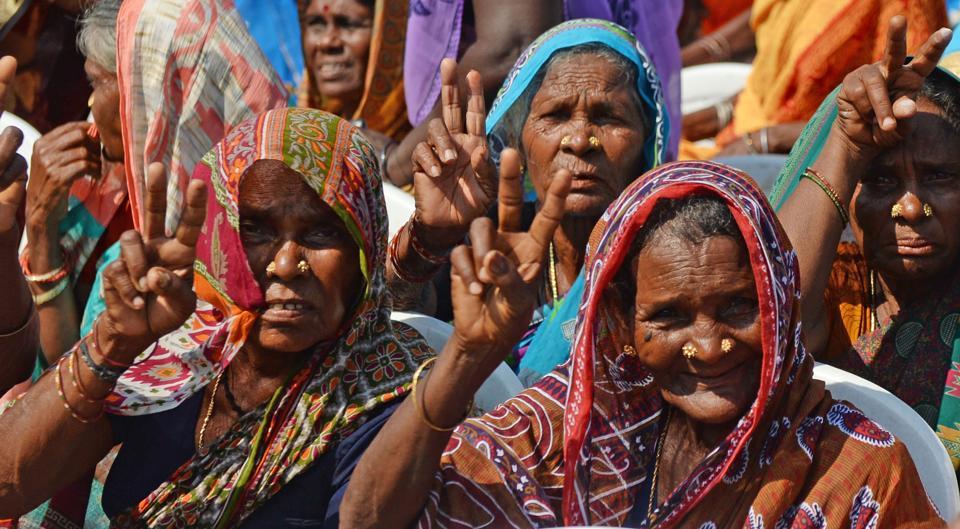
The sheer scale of India’s electorate necessitates a massive media blitz during election campaigns, driving up costs significantly. The interplay between political parties, media houses, and advertising agencies creates a complex and expensive ecosystem. This section delves into the various media channels employed and their financial implications.
Cost of Media Advertising in Indian Elections
Television advertising remains the dominant force in Indian election campaigns. Prime-time slots on major national and regional channels command exorbitant prices, especially during peak election periods. Print media, although declining in influence, still holds sway in certain demographics, particularly older voters in rural areas. The cost of full-page advertisements in leading newspapers can be substantial, particularly in major cities and states.
India’s election costs are astronomical, largely due to the sheer scale of the electorate and the extensive campaigning involved. It’s a logistical nightmare, and thinking about the resources involved makes me wonder about the strategic implications, much like reading about the grim tactical lessons western armies are taking from Gaza’s war – both situations highlight the immense cost of large-scale operations.
Ultimately, the expense of Indian elections underscores the significant investment required for a democratic process of this magnitude.
Online advertising, encompassing social media platforms and digital banners, is a rapidly growing segment, though the exact expenditure is difficult to quantify due to the fragmented nature of the digital advertising market. The overall cost across these platforms is a significant factor in the exorbitant expense of Indian elections. For instance, a major party might spend millions of rupees on just a few days of television advertising during a crucial phase of the campaign.
Influence of Social Media and Digital Campaigning
Social media has revolutionized political campaigning in India. Platforms like Facebook, Twitter, and WhatsApp are used for targeted advertising, disseminating campaign messages, and mobilizing voters. The cost of digital campaigning includes not only advertising fees but also the salaries of social media managers, content creators, and data analysts. The use of sophisticated micro-targeting techniques, employing detailed voter data to deliver personalized messages, further adds to the expense.
India’s election costs are astronomical, largely due to the sheer scale of the operation and the intense campaigning. It makes you wonder about the influence of massive media families, like the Murdochs, and their power plays – check out this article about what are the Murdochs fighting about in a secret Nevada court for a glimpse into that world.
Ultimately, the cost of Indian elections reflects the massive stakes involved and the influence of powerful players, both political and media-related.
The viral nature of social media can amplify campaign messages organically, but strategically managing this requires significant investment in monitoring, responding to trends, and counteracting negative narratives. The sheer volume of users on these platforms in India ensures a significant portion of the election budget is allocated to digital campaigning.
Examples of Innovative and Expensive Campaign Strategies
Innovative campaign strategies often translate into higher expenses. For example, the use of celebrity endorsements, while highly effective, can be incredibly costly. Hiring Bollywood stars or renowned sports personalities to campaign for a party involves substantial fees and adds to the overall expenditure. Large-scale rallies and roadshows, although traditional methods, also demand significant resources. These events require logistics, security, and mobilization of supporters, all contributing to the escalating costs.
The use of advanced data analytics to identify swing voters and tailor campaign messages accordingly also represents a significant investment in technology and personnel. For instance, the use of sophisticated voter profiling and predictive modeling in recent elections demonstrates the adoption of expensive, technology-driven strategies.
Comparison of Media Channels’ Effectiveness and Cost-Efficiency
The effectiveness and cost-efficiency of different media channels vary significantly. A comparison is shown below:
- Television: High reach, high cost, moderate cost-efficiency. Effective for mass appeal but expensive prime-time slots limit cost-effectiveness.
- Print Media: Targeted reach, moderate cost, moderate cost-efficiency. Effective for specific demographics but declining readership impacts reach and cost-efficiency.
- Social Media: Targeted reach, variable cost, potentially high cost-efficiency. Highly effective for micro-targeting and engagement but requires skilled management and careful monitoring to maximize ROI.
- Rallies and Roadshows: High reach in specific areas, high cost, low cost-efficiency. Effective for direct engagement but logistically complex and expensive.
Ground-Level Campaigning and Logistics
India’s vast geographical expanse and diverse population significantly impact the cost of ground-level campaigning. The sheer scale of operations required to reach even a fraction of the electorate necessitates substantial financial investment, contributing heavily to the overall election expenditure. This involves a complex interplay of logistics, manpower, and security, all of which add up to a considerable sum.
Ground-level campaigning in India involves a multifaceted approach, encompassing various activities designed to connect with voters directly. This includes large-scale rallies and roadshows, smaller community meetings, and individual door-to-door canvassing. Each of these activities requires significant planning, resources, and personnel.
Transportation Costs
Transportation is a major expense. Candidates and their teams travel extensively across states and districts, often using chartered planes, helicopters, and large fleets of vehicles for roadshows. The cost of fuel, maintenance, and driver salaries quickly accumulates, especially during peak campaign periods. For example, a single helicopter charter for a day can cost tens of lakhs of rupees, while a fleet of cars and buses for a roadshow across a state can easily exceed several lakhs.
The cost varies depending on the scale of the campaign and the candidate’s reach.
Accommodation and Security
Accommodation costs for candidates, campaign managers, and workers add up significantly. Hotels, guesthouses, and even private residences are booked for extended periods, particularly during intensive campaigning. Furthermore, security is a paramount concern, especially for high-profile candidates. The deployment of security personnel, including police and private security guards, adds a substantial layer of expense. The costs of providing security are particularly high in areas deemed sensitive or prone to unrest.
The Impact of Geographical Size and Diversity
India’s size and diversity present unique challenges. Reaching remote and geographically dispersed areas necessitates extensive travel arrangements, increasing transportation and accommodation costs. The linguistic and cultural diversity requires tailored communication strategies, potentially increasing advertising and promotional expenses. For instance, campaigning in the Himalayan region requires different logistical planning compared to campaigning in the coastal plains, resulting in significantly different costs.
India’s elections are the world’s priciest due to its massive electorate and complex logistical challenges. This contrasts sharply with the US, where a recent bill making it harder for lawmakers to object to presidential results advances in senate , highlighting different approaches to election security. Ultimately, the scale of India’s democratic process, with its millions of voters and polling stations, makes its elections a significantly more expensive undertaking.
Cost Breakdown of Ground-Level Campaigning
| Aspect | Cost (Estimated Range in INR Lakhs) | Notes | Example |
|---|---|---|---|
| Transportation (Vehicles, Flights, etc.) | 50 – 500+ | Varies greatly based on geographical reach and mode of transport. | Chartering a helicopter for a day can cost 10-50 lakhs. |
| Accommodation (Hotels, Guesthouses) | 10 – 200+ | Depends on the number of campaign workers and duration of the campaign. | Booking a suite of rooms for a team of 50 people for a week can cost several lakhs. |
| Rallies and Public Meetings (Venue Rental, Sound Systems, etc.) | 5 – 100+ | Costs depend on the scale of the rally and location. | A large rally in a major city can cost several lakhs for venue rental and sound systems alone. |
| Security (Personnel, Equipment) | 20 – 300+ | Highly variable depending on the perceived threat level and candidate’s profile. | Providing security for a high-profile candidate throughout a state-wide campaign can easily cost several crores. |
| Door-to-Door Canvassing (Wages, Materials) | 5 – 50+ | Depends on the number of workers and the area covered. | Employing a team of 100 canvassers for a month can cost several lakhs. |
Electoral System and Candidate Selection
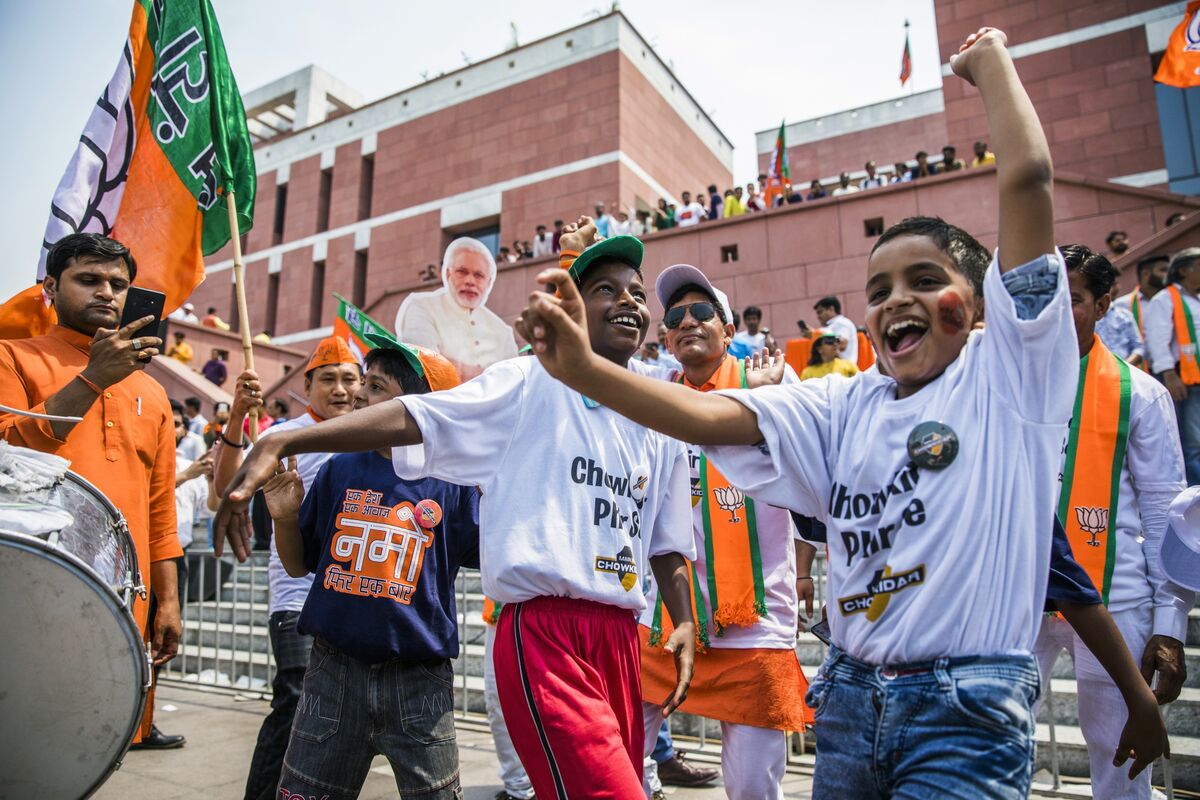
India’s staggering election costs are significantly influenced by its electoral system and the dynamics of candidate selection. The first-past-the-post (FPTP) system, where the candidate with the most votes wins regardless of whether they secure a majority, necessitates extensive campaigning across vast and diverse constituencies. This widespread reach dramatically increases expenditure compared to systems with proportional representation, which often lead to coalition governments and potentially less expensive individual campaigns.The sheer scale of India’s electorate and the geographical dispersion of constituencies necessitate a massive investment in campaigning.
The FPTP system, coupled with the size and diversity of India, makes even localized campaigns expensive, requiring significant resources to reach voters across diverse linguistic and cultural backgrounds. This necessitates a multi-pronged approach, impacting the overall cost.
Costs Varying Across Indian States
Campaign costs vary significantly across Indian states due to factors like population density, geographical expanse, and the level of political competition. States with larger populations and more geographically challenging terrains, such as Uttar Pradesh or Madhya Pradesh, inherently demand higher campaign spending due to the logistical challenges involved in reaching voters. Conversely, smaller and more compact states might see comparatively lower expenditure.
The cost of transportation, accommodation, and local outreach all contribute to these regional differences. For instance, campaigning in a hilly state like Himachal Pradesh involves different costs compared to campaigning in a plains state like Punjab. The level of media penetration and the costs associated with local media also play a role.
Candidate Selection and Campaign Budgets
The candidate selection process within political parties exerts a significant influence on campaign budgets. The selection of a high-profile candidate, often a celebrity or a well-known figure, invariably leads to higher spending. These individuals command higher fees, demand extensive media coverage, and generally require a larger campaign team. In contrast, selecting a lesser-known candidate may result in lower costs, but might also compromise the campaign’s outreach and effectiveness.
The internal party dynamics and the competition for nominations can also escalate costs as candidates try to impress party leaders and secure their support.
Visual Representation of Election Expenditure
A bar chart effectively visualizes the election expenditure of different political parties in a recent Indian election. The horizontal axis would represent the names of major political parties (e.g., BJP, Congress, AAP, etc.), while the vertical axis would represent the total election expenditure in Rupees (INR). Each bar’s height would correspond to the total expenditure reported by a particular party.
For example, a bar for the BJP might be significantly taller than the bar for a smaller regional party, reflecting the difference in their spending capacity and campaign strategy. This visual representation would clearly demonstrate the disparity in campaign financing among different parties, highlighting the influence of resources on electoral outcomes. The chart could also include error bars to reflect the uncertainty in reported figures, acknowledging that precise figures are often difficult to ascertain due to the complexities of campaign finance reporting in India.
This visual would allow for easy comparison of spending across parties and illustrate the significant financial resources deployed in Indian elections.
Impact of Voter Turnout and Electoral Participation: Why Indias Election Is The Most Expensive In The World
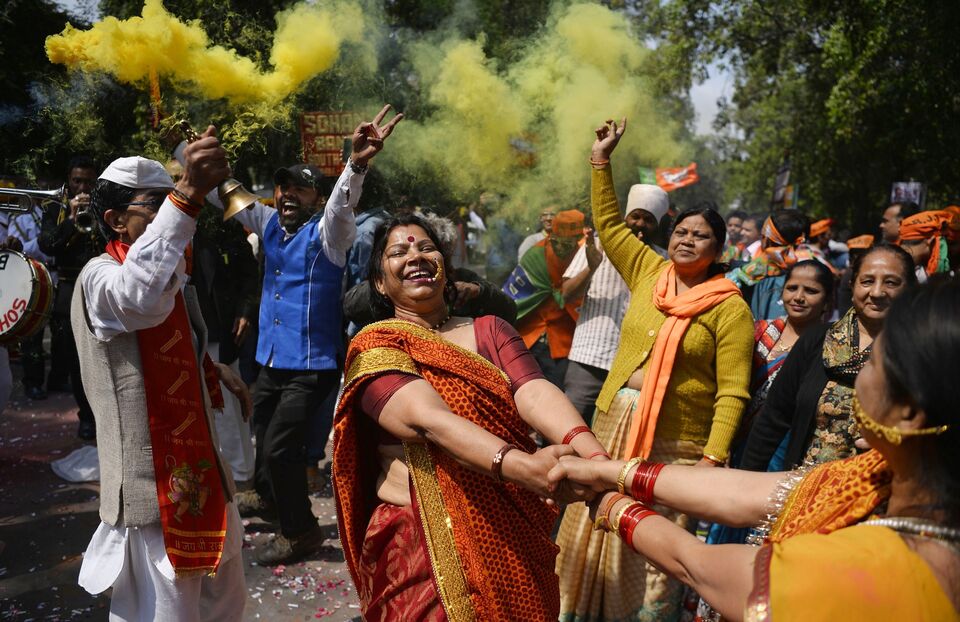
India’s incredibly expensive elections are intrinsically linked to the sheer scale of its electorate and the dynamics of voter participation. Understanding this relationship is crucial to analyzing the overall cost. Higher turnout necessitates a broader reach for campaigning, leading to increased expenses across all aspects of the electoral process.Voter turnout in India, while significant, fluctuates across regions and demographics.
This variation significantly impacts campaign strategies and resource allocation. Parties tailor their campaigns to specific demographics, focusing resources on areas with higher projected turnout or where specific voter segments hold significant sway.
Voter Demographics and Campaign Expenses, Why indias election is the most expensive in the world
The demographic landscape of India’s electorate plays a crucial role in determining campaign costs. For instance, campaigns often invest heavily in reaching rural populations, which might involve significant logistical expenses like transportation and mobilization. Reaching diverse linguistic and cultural groups also adds to the cost, necessitating multilingual communication materials and employing local representatives who understand the nuances of the region.
Similarly, targeting younger voters often requires engaging different communication channels and employing strategies that resonate with their preferences, leading to higher expenditure on digital advertising and social media outreach. Conversely, areas with consistently low voter turnout may receive less intensive campaigning, thus reducing costs in those specific regions.
Voter Education and Election Costs
Voter education and awareness campaigns, while contributing to a more informed and participatory electorate, also impact election costs. These campaigns, often run by the Election Commission of India or civil society organizations, aim to increase voter participation and reduce instances of malpractices. However, reaching a vast and diverse electorate requires significant resources, including printing educational materials, conducting awareness drives, and deploying personnel for voter registration and assistance.
The cost-effectiveness of such initiatives is a subject of ongoing debate, balancing the cost of increased voter education against the potential benefits of higher turnout and improved electoral integrity.
Comparative Analysis of Voter Participation and Election Expenses
Comparing India’s election expenses with other large democracies provides valuable context. While precise cost comparisons are challenging due to variations in data collection and reporting methods, a general comparison offers insights. The following table presents a simplified comparison (note that data on election costs can be difficult to obtain comprehensively and consistently across countries, and figures are often estimates):
| Country | Voter Turnout (Approximate) | Election Cost (USD, Approximate) | Cost per Voter (USD, Approximate) |
|---|---|---|---|
| India | 67% (varies significantly by election) | Billions (exact figures vary widely by election cycle) | Tens of Dollars (rough estimate, varies greatly depending on election cycle and source) |
| United States | Around 60% (varies by election) | Tens of Billions (significantly higher than India, due to private funding) | Hundreds of Dollars (significantly higher than India) |
| Brazil | Around 80% | Millions (significantly lower than India and US) | Tens of Dollars (rough estimate) |
| Indonesia | Around 70% | Millions (significantly lower than India and US) | Single digit Dollars (rough estimate) |
Note: The figures presented are approximate and based on available data from various sources. Accurate and consistent data on election costs across different countries is difficult to obtain. The cost per voter is a rough estimate and can vary significantly depending on the specific election and methodology used for calculation.
So, why is India’s election the world’s most expensive? It’s not a single factor, but a perfect storm of scale, complexity, and a system ripe for inflated costs. From the sheer geographical expanse and diverse electorate to the unchecked influence of money and media, the challenges are immense. While reforms are needed to enhance transparency and accountability in campaign financing, the fundamental question remains: how do we balance the democratic right to a robust campaign with the need for fiscal responsibility?
The answer, as complex as the problem itself, requires ongoing debate and a commitment to electoral reform.