Silver Emerges as a Promising Investment Alternative, Offering Accessibility and Growth Potential for Novice Investors

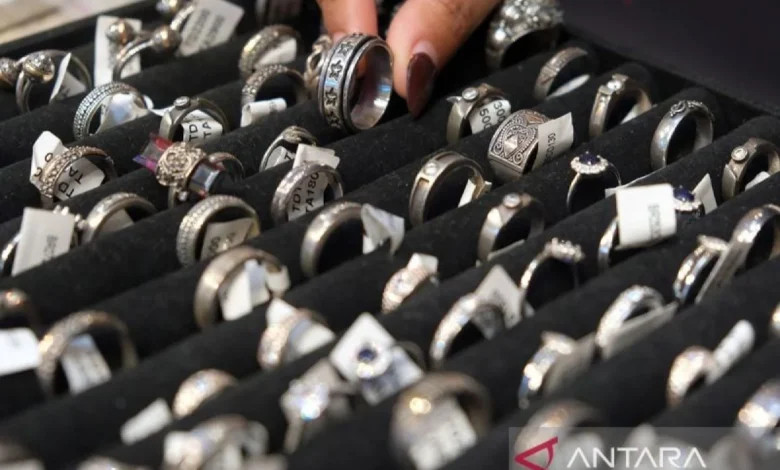
While gold has long held the revered status as the primary precious metal for investment, a notable shift is underway as silver increasingly positions itself as an attractive and viable alternative, particularly appealing to new entrants in the investment landscape. This burgeoning interest in silver is fueled by its distinctive attributes, including relative price stability, enhanced affordability compared to gold, and a promising trajectory for future growth. Beyond its intrinsic value, silver serves as a potent instrument for asset diversification, demonstrating resilience against inflationary pressures, making it a strategic choice in volatile economic climates. The versatility of silver, acting both as a monetary metal and a critical industrial commodity, underpins its dual appeal and strengthens its investment case.
Understanding Silver’s Unique Investment Proposition
Historically, gold has been the go-to safe-haven asset, primarily valued for its role as a store of wealth and hedge against economic uncertainties. However, silver, often dubbed "poor man’s gold," is now shedding this secondary perception to carve out its own niche. Its affordability allows investors with smaller capital to enter the precious metals market, providing a gateway that gold might not offer. A gram of silver costs significantly less than a gram of gold, lowering the barrier to entry and enabling incremental investment strategies. This accessibility is a key factor drawing in a new generation of investors looking to diversify their portfolios without committing substantial upfront capital.
Beyond mere affordability, silver’s investment appeal is bolstered by its dual utility. Approximately half of global silver demand stems from industrial applications, a characteristic not shared by gold to the same extent. This industrial demand is particularly significant in the context of the ongoing global transition towards green energy and advanced technology. Silver is an indispensable component in solar panels, electric vehicles, 5G technology, medical devices, and various electronics, ensuring a consistent and growing demand independent of its role as a monetary asset. This industrial backbone provides a fundamental floor for its price, mitigating some of the speculative volatility often associated purely with investment demand.
Historical Context and Market Dynamics
Silver has a rich history as a medium of exchange and a store of value, predating many modern currencies. Its historical significance spans millennia, from ancient civilizations using silver coins as currency to its pivotal role in the global monetary system until the 20th century. In more recent history, silver’s price has exhibited periods of significant volatility, often correlated with economic cycles and technological advancements. For instance, the late 1970s saw a dramatic surge in silver prices driven by attempts to corner the market, followed by a sharp correction. The 2008 financial crisis also triggered a flight to safety, benefiting both gold and silver, demonstrating their counter-cyclical properties.
In the past decade, silver has increasingly decoupled its price movements from gold in certain contexts, influenced more by industrial demand trends. While both metals tend to rise during periods of economic uncertainty and inflation, silver’s industrial component adds another layer of complexity to its price drivers. Recent data suggests a growing demand for silver in renewable energy technologies. The photovoltaic industry, in particular, consumes a substantial amount of silver, with forecasts indicating continued growth as countries worldwide push for decarbonization. This sustained industrial appetite, combined with traditional investment demand for bullion and coins, creates a robust demand-side narrative for silver.
Supply-side dynamics also play a crucial role. A significant portion of global silver production comes as a byproduct of mining other metals like lead, zinc, copper, and gold. This means that silver supply is not solely determined by silver prices but also by the economics of these primary metals. Major silver-producing countries include Mexico, Peru, China, Australia, and Russia. Disruptions in mining operations, geopolitical tensions affecting these regions, or shifts in the economic viability of co-mined metals can impact the global silver supply, influencing its market price.
Strategic Approaches for Novice Silver Investors
For individuals embarking on their silver investment journey, a structured and informed approach is paramount. The following strategies offer practical guidance for beginners to navigate the market effectively:
-
Determine the Appropriate Form of Silver: The initial step involves selecting the physical form of silver for investment. The most common options are silver coins and bars. Both are relatively easy to store, but silver bars are often favored by serious investors due to their simpler maintenance and availability in a wider range of sizes, which can sometimes translate to lower premiums over the spot price per ounce. Coins, especially those issued by sovereign mints (e.g., American Silver Eagle, Canadian Silver Maple Leaf, Austrian Philharmonic), offer intrinsic value and, in some cases, a numismatic premium. For beginners, bars in smaller denominations might be more practical.
-
Start with Smaller Sizes: Prudence dictates starting small, especially for new investors. Acquiring silver in modest increments, such as 1 to 10-gram bars or single-ounce coins, allows for gradual portfolio building without over-committing financial resources. This approach, known as dollar-cost averaging, can mitigate the impact of short-term price fluctuations. Physical silver in smaller denominations is also easier to store securely at home and generally more liquid for resale should the need arise.
-
Conduct Thorough Research on Purchase Venues: Authenticity is non-negotiable when investing in precious metals. It is imperative to purchase silver exclusively from reputable producers or authorized dealers. In Indonesia, PT ANTAM (Aneka Tambang) is a well-established and trusted producer of precious metals. Always ensure purchases are made through official outlets, authorized distributors, or certified online platforms, and that each acquisition is accompanied by a certificate of authenticity. This due diligence safeguards against counterfeit products and ensures the purity and weight of the silver.
-
Leverage Digital Silver Investment Platforms: For those prioritizing convenience and liquidity, digital silver investment offers an attractive alternative to physical ownership. Various trusted financial applications and online platforms facilitate the purchase and sale of digital silver. This method eliminates the logistical challenges of physical storage and security, allowing investors to monitor prices and execute transactions anytime, anywhere, via their mobile devices. Digital silver typically represents a claim on physical silver held by a custodian, offering exposure to price movements without direct handling.
-
Utilize Savings or Installment Programs: Several financial institutions and precious metal dealers provide structured savings or installment programs for silver. These programs enable investors to accumulate silver systematically through regular contributions tailored to their monthly budget. This disciplined approach fosters consistent portfolio growth, making precious metal investment accessible even without a substantial initial lump sum. It also encourages a long-term perspective, aligning with the typical investment horizon for precious metals.
-
Consider Exchange-Traded Funds (ETFs) or Silver Mutual Funds: Investors who prefer not to manage physical assets can explore investment through silver-backed Exchange-Traded Funds (ETFs) or mutual funds. These instruments are professionally managed and provide exposure to global silver prices. Silver ETFs often hold physical silver in vaults, with shares representing a fraction of this holding, offering liquidity and diversification. Mutual funds might invest in a basket of silver mining companies or futures contracts. These options provide a diversified and managed approach to silver investment, often with lower transaction costs and greater liquidity than direct physical purchases.
-
Monitor Price Movements Consistently: Optimal investment outcomes necessitate a vigilant approach to market dynamics. While silver generally exhibits an upward trend over the long term, its price can experience short-term fluctuations influenced by global industrial conditions, currency exchange rates, interest rate changes, and geopolitical events. Regular monitoring of market news and price charts enables investors to make timely decisions, whether for accumulation during dips or for strategic selling.
-
Comprehend the Advantages and Risks: Before committing capital, a thorough understanding of silver investment’s inherent benefits and potential drawbacks is crucial. Advantages include its role as an inflation hedge, diversification benefits, and industrial demand-driven growth potential. Risks encompass price volatility, liquidity challenges for large physical holdings, storage costs, and counterparty risks associated with digital or paper-based investments. Comprehensive research and a realistic assessment of these factors allow for the formulation of a robust and resilient investment strategy.
Safe Acquisition Channels for Investment-Grade Silver
Ensuring the authenticity and quality of silver is paramount for investment purposes. Investors typically have two primary avenues for secure purchases:
-
Direct Offline Purchases: Engaging with authorized boutiques or official outlets of reputable precious metal producers, such as ANTAM’s dedicated showrooms, offers a reliable means of acquiring physical silver. This method allows for direct inspection of the product and immediate receipt of authenticity certificates, providing peace of mind regarding the legitimacy of the purchase.
-
Convenient Online Purchases: For maximum convenience, reputable online platforms, including official websites of producers or certified e-commerce distributors, facilitate secure silver transactions. These platforms typically offer a wide selection of products, transparent pricing, and secure delivery options. It is crucial to verify the authenticity of the online vendor and ensure that all purchases come with verifiable certification.
Statements from Industry Experts and Market Implications
Financial analysts widely acknowledge silver’s evolving role in the global investment landscape. "Analysts from [hypothetical investment research firm] suggest that silver’s dual role as a monetary metal and an indispensable industrial commodity positions it uniquely in the current economic landscape," states a hypothetical report. "Its correlation with both inflation expectations and technological advancement offers a diversified risk profile compared to solely monetary assets like gold." Leading investment houses are increasingly recommending a modest allocation to precious metals, including silver, as a hedge against inflationary pressures and market volatility, especially given the backdrop of expansionary monetary policies and geopolitical uncertainties.
The growing demand for silver in green energy technologies, particularly solar photovoltaics and electric vehicles, underscores its strategic importance. "The transition to a low-carbon economy will continue to drive significant demand for silver, making it a critical material for future growth industries," remarked a hypothetical spokesperson for a renewable energy advocacy group. This long-term industrial demand provides a fundamental support for silver prices, potentially cushioning it against purely speculative market movements.
From a regulatory standpoint, authorities consistently advise investors to conduct thorough due diligence and purchase precious metals from reputable, regulated dealers to mitigate risks of fraud and ensure authenticity. The increasing accessibility of digital investment platforms also prompts calls for robust cybersecurity measures and investor education on the associated counterparty risks.
Broader Impact and Future Outlook
The rising prominence of silver as an accessible investment option has several broader implications. For individual investors, it democratizes access to precious metal investments, allowing a wider demographic to participate in wealth preservation and growth strategies previously perceived as exclusive. This increased accessibility can foster greater financial literacy and diversification among retail investors.
Economically, the sustained demand for silver, particularly from the green technology sector, is poised to stimulate innovation and growth within specific industries. As the world accelerates its transition towards renewable energy and advanced electronics, silver’s role as a critical component ensures its integral connection to future economic development.
Looking ahead, the outlook for silver remains cautiously optimistic. While short-term price fluctuations are inherent to commodity markets, the fundamental drivers—namely, persistent investment demand as an inflation hedge and robust industrial demand from high-growth technological sectors—suggest a strong long-term trajectory. However, investors must remain cognizant of global economic health, shifts in monetary policy, and geopolitical events, all of which can influence silver’s market performance. Strategic asset allocation, combined with continuous market monitoring and an understanding of personal risk tolerance, will be key to harnessing silver’s potential as a valuable addition to a diversified investment portfolio.
Pewarta: Putri Atika Chairulia
Editor: Alviansyah Pasaribu
Copyright © ANTARA 2025