 Socio Today
Jakarta — The routine application of sunscreen has become a foundational pillar of modern dermatological health, widely recognized as an indispensable defense against the cumulative harms of solar radiation. For millions of individuals preparing for daily commutes, outdoor exercises, or indoor work environments near sun-drenched windows, applying a generous layer of ultraviolet (UV) blocking lotion to the face and hands is a familiar morning ritual. However, a widespread misconception persists regarding the geography of sun protection. Many people assume that safeguarding their cheeks, forehead, and nose is sufficient to ward off the hazards of ultraviolet rays. Dermatological research consistently reveals that this narrow focus leaves vast expanses of the human body completely vulnerable to environmental damage. Comprehensive skin protection is not merely an aesthetic choice aimed at preventing hyperpigmentation or maintaining a youthful complexion; it is a critical medical necessity geared toward intercepting serious, long-term health risks, including aggressive forms of skin cancer.
According to comprehensive guidelines established by the American Academy of Dermatology Association (AAD), the average adult requires approximately one ounce—roughly equivalent to a shot glass—of sunscreen to adequately coat all exposed skin surfaces. Yet, observational studies indicate that most individuals apply only a fraction of this recommended amount, frequently neglecting anatomical regions that are routinely exposed to direct sunlight. Dr. Michele Green, a prominent New York-based board-certified dermatologist, emphasizes the absolute necessity of rigorous application habits. "Sunscreen should be used every single day, regardless of the weather conditions or season, and it needs to be reapplied faithfully every two hours to maintain an effective barrier against radiation," Dr. Green explains, highlighting the persistent threat posed by both UVA and UVB rays, which penetrate cloud cover and window glass alike.
The epidemiological implications of failing to protect the skin are well-documented by public health organizations. Data compiled by the Skin Cancer Foundation indicates that sustaining five or more blistering sunburns during youth or adulthood can double an individual’s lifetime risk of developing melanoma, the most dangerous form of skin cancer. Conversely, the consistent, daily application of broad-spectrum sunscreen with an SPF rating of 15 or higher has been proven to cut that risk in half. Furthermore, longitudinal clinical studies demonstrate that disciplined daily SPF use reduces the rate of skin photoaging—manifested as wrinkles, loss of elasticity, and sunspots—by up to 24% over a prolonged period. Despite these compelling statistics, public awareness campaigns often hyper-focus on facial protection, inadvertently leaving several vulnerable anatomical zones entirely exposed. To achieve true systemic defense, medical professionals urge individuals to incorporate six frequently overlooked body parts into their daily sun care regimens.
The Vulnerability of the Outer Ears
The ears represent one of the most frequently forgotten anatomical zones during the hurried application of morning skincare products. Characterized by numerous delicate folds, ridges, and contours, the outer ear structure easily eludes the reach of a quick swipe of lotion. Yet, this area receives direct, unhindered solar exposure during virtually every outdoor activity, particularly for individuals with short hair or those who wear their hair tied back. The Cleveland Clinic has identified the ears as the third most common location on the human body for the development of non-melanoma skin cancers, owing directly to cumulative, unprotected sun exposure over decades.
Dr. Nino, a specialist in dermatological surgery, underscores the gravity of this oversight based on clinical observations. "I routinely diagnose skin cancer on all parts of the outer ear, and in some advanced cases, the lesions even extend into the ear canal itself," Dr. Nino notes. "Furthermore, the skin directly behind the ear, including the deep post-auricular crease, is a surprisingly common site for malignancy formation due to how sunlight reflects off the neck and scalp." Because traditional lotions can be difficult to massage evenly into the intricate cartilage of the ear, dermatologists recommend utilizing broad-spectrum stick sunscreens or high-SPF facial mists that can be easily sprayed and patted into every crevice without leaving a greasy residue.
Protecting the Scalp and Hairline
A pervasive yet dangerous myth in modern grooming culture is that a thick head of hair provides adequate, impenetrable natural shielding for the scalp against ultraviolet radiation. In reality, the scalp occupies the highest anatomical elevation on the human body, positioning it at a direct, perpendicular angle to incoming solar rays during peak daylight hours. This elevation makes the scalp exceptionally vulnerable to acute sunburns and chronic radiation damage, a risk that multiplies exponentially for individuals experiencing hair thinning, receding hairlines, or complete baldness.
While scalp malignancies represent a minority of total dermatological cancer diagnoses—accounting for roughly 2 to 5 percent of all cutaneous melanoma cases—cancers originating in this region are frequently diagnosed at later, more aggressive stages because they are hidden beneath the hair. "Because the scalp is the highest point of the body, it absorbs a tremendous amount of direct radiation and is far more likely to burn than flat-lying skin areas," explains Dr. Green. For individuals concerned about heavy creams weighing down their hair or creating an oily appearance, specialized clear scalp sprays formulated with chemical or physical blockers offer an ideal solution. Additionally, pairing these products with a wide-brimmed ultraviolet-blocking hat provides a dual layer of comprehensive physical and chemical protection.
Extending Protection Down the Neck and Décolletage
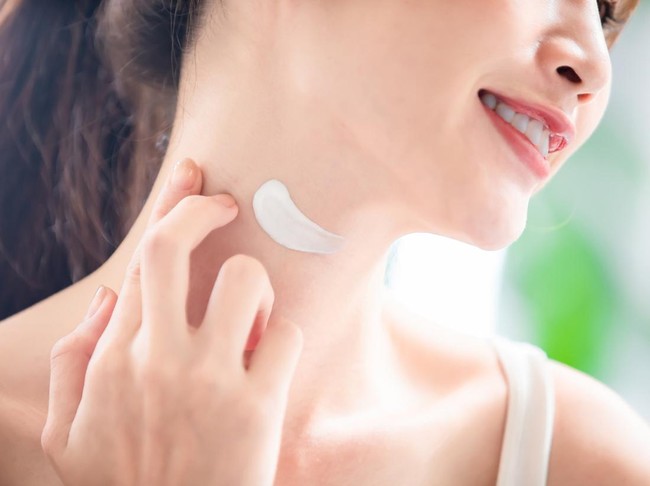
Skincare routines frequently suffer from an artificial boundary established at the jawline, where facial care ends and the rest of the body is ignored. Dermatologists frequently encounter patients who meticulously apply high-end serums and sunscreens to their cheeks and forehead while completely neglecting the neck and chest. This habit leaves the thin, delicate skin of the neck and décolletage exposed to the accelerated breakdown of collagen and elastin.
Dr. Reeza Edward, Sp.DVE, a prominent dermatological specialist, addresses this common oversight in clinical practice. "Many people are diligent about applying sunscreen to their face, but they frequently forget to continue that application down to the neck and upper chest," notes Dr. Edward. This oversight carries profound epidemiological consequences. According to a landmark study published in the journal JAMA Otolaryngology–Head & Neck Surgery in October 2019, approximately 20 percent of all cutaneous melanoma cases manifest specifically in the head and neck regions. To protect this area without ruining clothing, experts recommend utilizing lightweight, mineral-based sunscreens containing zinc oxide that dry completely clear, preventing stubborn white stains from transferring onto collars and scarves.
Safeguarding the Dorsal Surface of the Feet
The habit of wearing open-toed shoes, sandals, or going barefoot during warm weather leaves the feet highly susceptible to environmental damage. The dorsal surface—or the top—of the foot features thin skin with minimal subcutaneous fat, making it absorb significant amounts of cumulative radiation throughout the spring and summer months. Even during leisurely days spent relaxing at the beach or walking along a coastal boardwalk, the feet are routinely subjected to direct overhead sunlight and reflected UV rays bouncing off sand and water.
"The tops of our feet receive intense, direct sun exposure whenever we wear open footwear, yet people rarely remember to rub SPF into them," points out Dr. Nino. Clinical data highlights the severity of this neglect, showing that the foot and ankle region accounts for between 3 and 15 percent of all diagnosed melanoma cases. Because skin cancers occurring on the lower extremities are often detected later than those on the face—partly due to patients rarely inspecting their feet for suspicious moles—incorporating a quick swipe of sunscreen across the toes and instep during morning routines is a vital preventive measure.
Defending the Delicate Eyelids
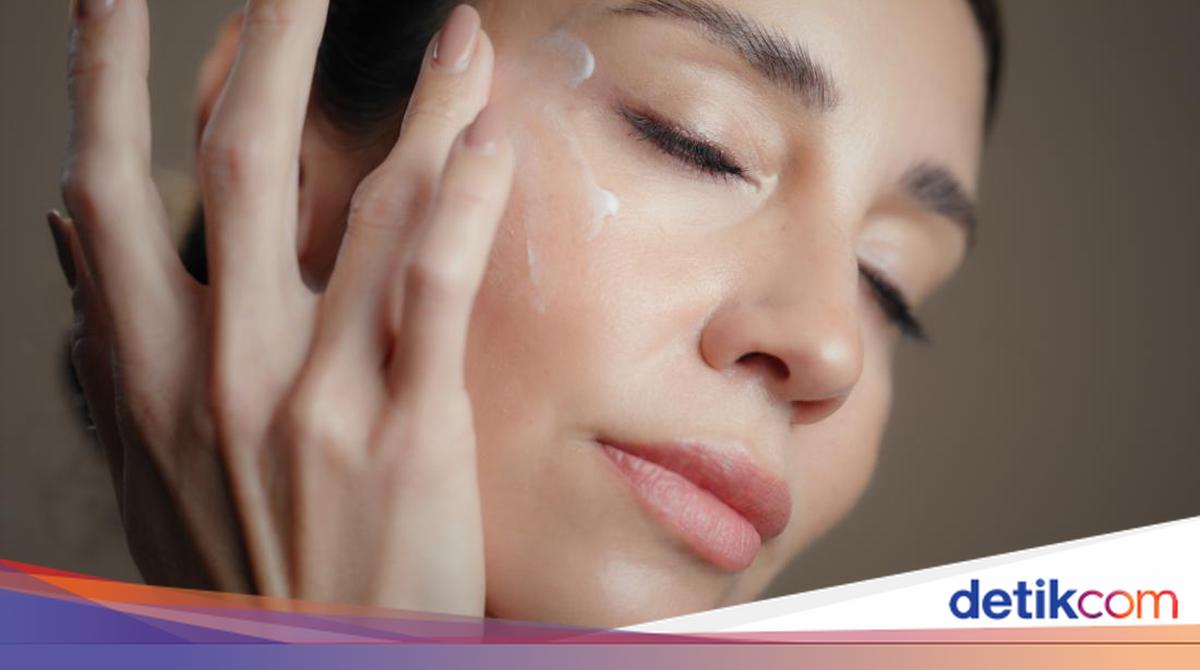
The skin surrounding the human eye is remarkably thin, delicate, and sensitive, measuring a mere fraction of a millimeter in thickness. Despite its vulnerability, many individuals intentionally avoid applying sunscreen near the eyes due to the painful stinging sensation that occurs when chemical filters migrate into the ocular cavity. However, avoiding this area leaves the eyelids completely defenseless against the sun, increasing the likelihood of photoaging, persistent irritation, and malignant growths.
According to statistical data compiled by Cancer.Net, skin cancers specifically affecting the eyelids account for roughly 10 percent of all dermatological cancer diagnoses. Dr. Green stresses that this high percentage is directly tied to the unique fragility of the periocular tissue. To protect the eyes safely without triggering stinging or discomfort, dermatologists advise switching from chemical sunscreens to gentle, 100 percent mineral formulas utilizing zinc oxide or titanium dioxide, which sit on top of the skin rather than absorbing into it. Furthermore, pairing mineral eye protection with high-quality sunglasses featuring certified UV400 lenses provides an essential mechanical shield for the entire ocular region.
The Overlooked Necessity of Lip Protection
The lips are an anatomical structure composed of specialized mucous membranes and thin cellular layers that lack the protective stratum corneum found on other parts of the body. Furthermore, the lips contain very little melanin—the natural pigment that offers baseline defense against ultraviolet radiation. Despite these structural vulnerabilities, the lips are routinely omitted from standard sun protection protocols, leaving them exposed to chronic damage that can manifest as chapping, actinic cheilitis, loss of definition, and dangerous malignancies.
"Using a dedicated lip balm formulated with broad-spectrum SPF is an essential daily practice that helps prevent the development of skin cancer and painful solar-induced lesions, while simultaneously warding off premature perioral wrinkling," notes Dr. Green. Medical guidelines recommend selecting a moisturizing lip product with a sun protection factor of 30 or higher and reapplying it consistently every two hours, particularly after eating, drinking, or swimming. By closing these critical gaps in daily application habits, individuals can ensure a truly comprehensive defense against the multifaceted threats of solar radiation.