 Socio Today
A major missile strike launched by Russian forces on Saturday, October 24, 2026, struck a prominent shopping center in Kharkiv, Ukraine, resulting in significant structural damage and igniting a series of intense fires that required emergency intervention. The incident, which occurred amidst the ongoing escalation of the conflict between Moscow and Kyiv, serves as a stark reminder of the mounting toll that aerial bombardments continue to exact on civilian infrastructure and the daily lives of non-combatants in the Kharkiv region.

The Chronology of the Attack and Emergency Response
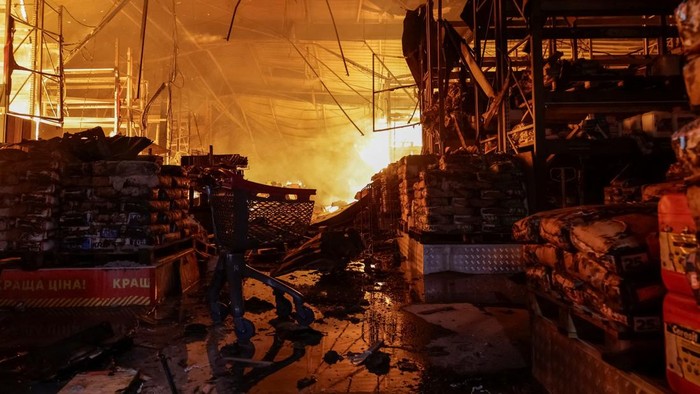
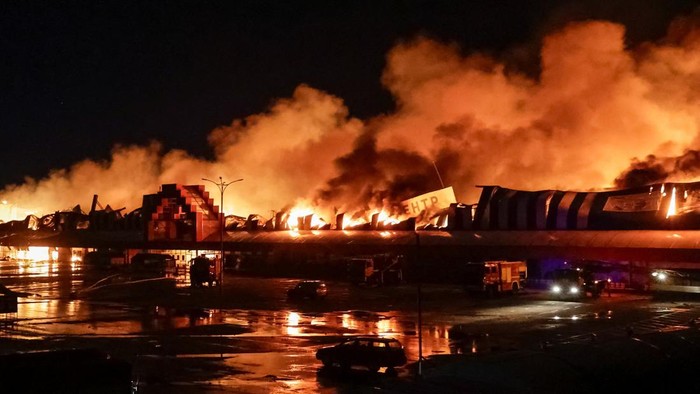
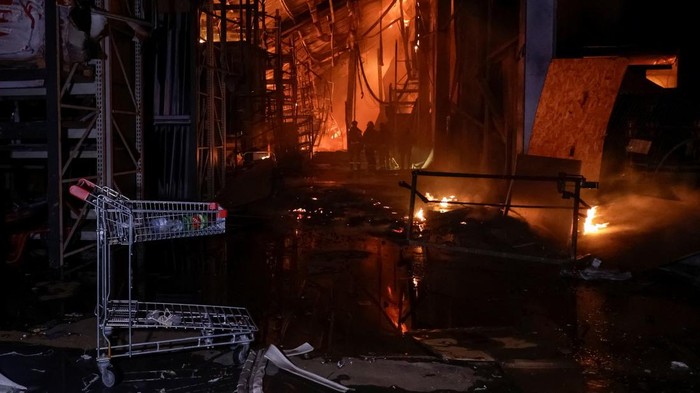
The strike occurred during the morning hours, shattering the relative quiet of the weekend. Emergency services were alerted shortly after the initial impact, as plumes of thick, dark smoke began to billow from the wreckage of the commercial facility. The shopping center, known for housing a wide array of household goods and essential supplies for local residents, became an immediate focal point for the city’s fire brigades and rescue units.
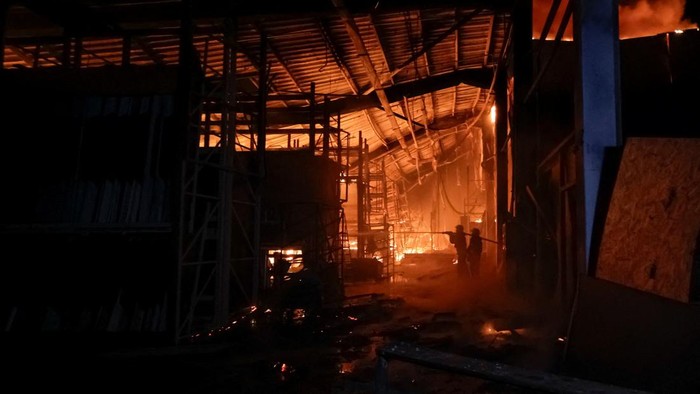
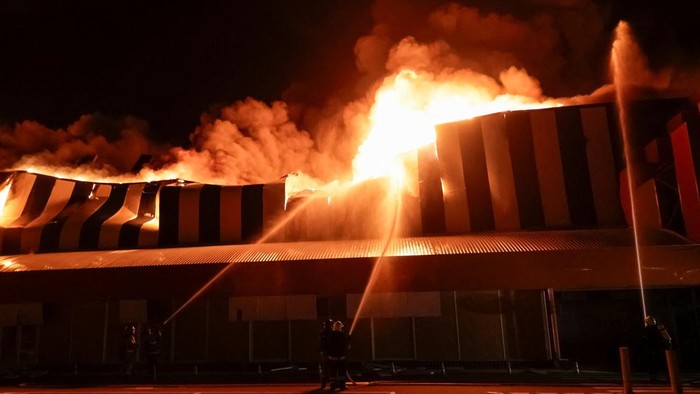
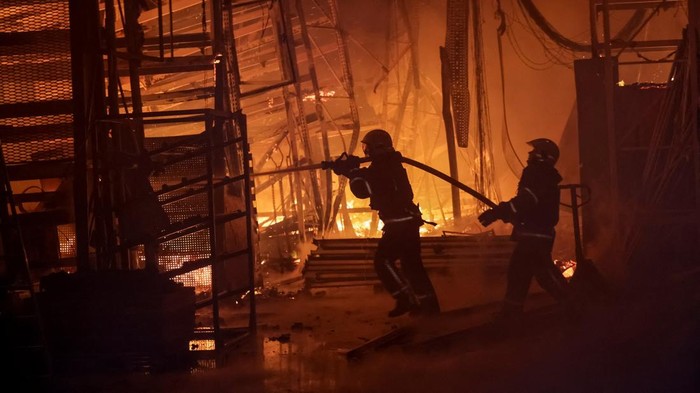
As the fires spread, firefighters faced the arduous task of containing the inferno, which threatened to consume the remaining sections of the building. By mid-day, the scene was dominated by the presence of rescue workers navigating the debris-strewn site, attempting to extinguish secondary hotspots that continued to emerge due to the volatile nature of the damaged structure. Despite the intensity of the flames, local authorities prioritized the evacuation of any civilians who may have been in the vicinity, though the full extent of the human impact remains under evaluation as search-and-rescue efforts continue.
Strategic Context: The Vulnerability of Kharkiv
Kharkiv, Ukraine’s second-largest city, has been a frequent target of Russian military operations since the onset of the full-scale invasion in February 2022. Its geographic proximity to the Russian border—located approximately 30 kilometers away—renders it exceptionally vulnerable to various forms of ballistic and cruise missile strikes. Because of this, the city has experienced some of the most consistent bombardment throughout the duration of the war.
The strategic importance of Kharkiv cannot be overstated. It serves as a vital industrial and cultural hub, and its endurance in the face of persistent attacks has become a symbolic focal point of Ukrainian resilience. However, the recurring nature of these strikes has decimated much of the city’s urban landscape. Analysts note that targeting commercial infrastructure, such as this shopping center, is part of a broader tactical pattern aimed at degrading the logistical capabilities and the morale of the civilian population. By disrupting the supply chains for essential goods, these attacks force the local administration to divert critical resources away from the frontlines to focus on domestic recovery and humanitarian aid.
Analytical Overview of Civilian Infrastructure Damage
Since the beginning of the hostilities in 2022, international observers and human rights organizations have meticulously documented the destruction of civilian infrastructure across Ukraine. The attack on the Kharkiv shopping center is consistent with a broader trend of "urban warfare" that has characterized the conflict. According to reports from various international monitoring bodies, the cumulative economic cost of repairing and rebuilding Ukraine’s infrastructure—including residential buildings, schools, hospitals, and retail centers—is estimated to be in the hundreds of billions of dollars.
The destruction of a retail facility such as the one in Kharkiv creates a localized ripple effect. Beyond the physical loss of the building, it removes a critical node for economic activity and essential resource distribution. For a population already strained by years of war, the loss of a place to procure household necessities exacerbates the daily struggle for normalcy. Experts in urban defense emphasize that such strikes are rarely isolated incidents; rather, they are often calculated to create an environment of perpetual insecurity, forcing civilians to consider displacement or to live in a state of constant, heightened alert.
Official Responses and International Observation
While the Kremlin has maintained a policy of characterizing its strikes as targeting only "military-linked infrastructure," the Ukrainian government and international partners frequently point to such incidents as evidence of the indiscriminate nature of the bombardment. Following the October 24 attack, Ukrainian officials reiterated their plea for stronger air defense systems to protect major urban centers like Kharkiv from the persistent threat of aerial weaponry.
International bodies, including the United Nations and various humanitarian NGOs, have repeatedly called for the protection of civilian infrastructure. Under the Geneva Conventions, the targeting of objects indispensable to the survival of the civilian population is strictly prohibited. The frequency of strikes on public venues has drawn condemnation from Western leaders, who argue that the destruction of civilian assets serves no clear military objective and only serves to worsen the humanitarian crisis. However, diplomatic pressure has thus far yielded limited results in de-escalating the frequency of these long-range strikes.
The Human Cost and Long-Term Implications
The psychological and socioeconomic consequences of these strikes are profound. For the people of Kharkiv, the sound of air raid sirens is a constant feature of life. The destruction of public spaces, such as shopping centers, signals a breakdown of the social fabric that allows a city to function. When the places where people congregate for their daily needs become targets, the psychological burden of the war deepens.
Furthermore, the economic impact is compounded by the difficulty of insuring and rebuilding property in a war zone. Many businesses in Kharkiv have been forced to cease operations or relocate to safer western regions of the country, leading to "brain drain" and a contraction of the local economy. The resilience of the business owners and the residents who remain is tested daily, as they balance the necessity of survival with the ever-present danger of being in the wrong place at the wrong time.
Future Outlook: A Pattern of Attrition
Looking toward the end of 2026, the conflict shows few signs of a clear resolution. The attack in Kharkiv is a snapshot of a war defined by attrition. As both sides continue to exchange long-range fire, the infrastructure of Ukraine remains in a state of precarious survival. The effectiveness of future Russian strikes will likely depend on the replenishment of their precision-guided munitions, while the Ukrainian defense will depend on the continued provision of advanced interceptor technology from international allies.
The incident on October 24 is, therefore, not merely a single news event but a chapter in a much longer narrative of the war’s impact on civilian life. As investigation into the strike continues, the international community remains focused on the broader trajectory of the conflict. The challenge for Ukraine’s leadership is to maintain the functionality of its cities while simultaneously engaging in a high-intensity defense against a neighbor that possesses a significantly larger inventory of long-range weaponry.
Conclusion: The Persistence of Crisis
The smoke rising from the ruins in Kharkiv on Saturday serves as a sobering reminder of the realities of modern warfare. As the world watches, the residents of the city continue to rebuild and adapt, demonstrating a level of persistence that has defined the Ukrainian response to the invasion. However, the physical scars on the city’s architecture, exemplified by the charred remains of the shopping center, are permanent reminders of the ongoing destruction.
As the conflict stretches into its later years, the international community faces the challenge of sustaining long-term support for Ukraine’s recovery while simultaneously addressing the urgent need to halt the destruction of its civilian heartland. The attack in Kharkiv will likely be studied by military historians and humanitarian experts for years to come, not just as a tactical maneuver, but as a testament to the devastating intersection of geopolitics and the daily lives of innocent civilians. The focus remains, for now, on the immediate recovery efforts, the safety of the citizens of Kharkiv, and the uncertain future of a nation caught in the crosshairs of an unrelenting regional struggle.