 Socio Today
The historic remnants of the colonial-era railway infrastructure in Central Java continue to attract heritage enthusiasts, local explorers, and researchers interested in the region’s transportation history. A striking example of this industrial heritage is the abandoned railway bridge spanning the wide expanse of the Progo River, connecting portions of the historic rail route between Secang and Temanggung. Originally constructed and operated under the Dutch colonial railway company Nederlandsch-Indische Spoorweg Maatschappij (NISM), this bridge has stood for over a century as a silent witness to the evolution of regional connectivity. Recent exploratory accounts and historical documentation shed light on the current state of this monumental structure, blending the allure of adventure tourism with the preservation of nineteenth-century engineering marvels.
Historical Background and Architectural Significance
The railway line encompassing the Secang–Temanggung segment holds profound historical significance within the framework of Indonesia’s colonial-era transportation development. According to archival records, including historical documentation from the contemporary engineering publication De Ingenieur, the railway route officially commenced operations on January 3, 1907. Developed by NISM, the rail network was engineered primarily to facilitate the efficient transportation of agricultural commodities, goods, and passengers across the fertile mountainous regions of Central Java, linking interior agricultural hubs to larger commercial nodes.
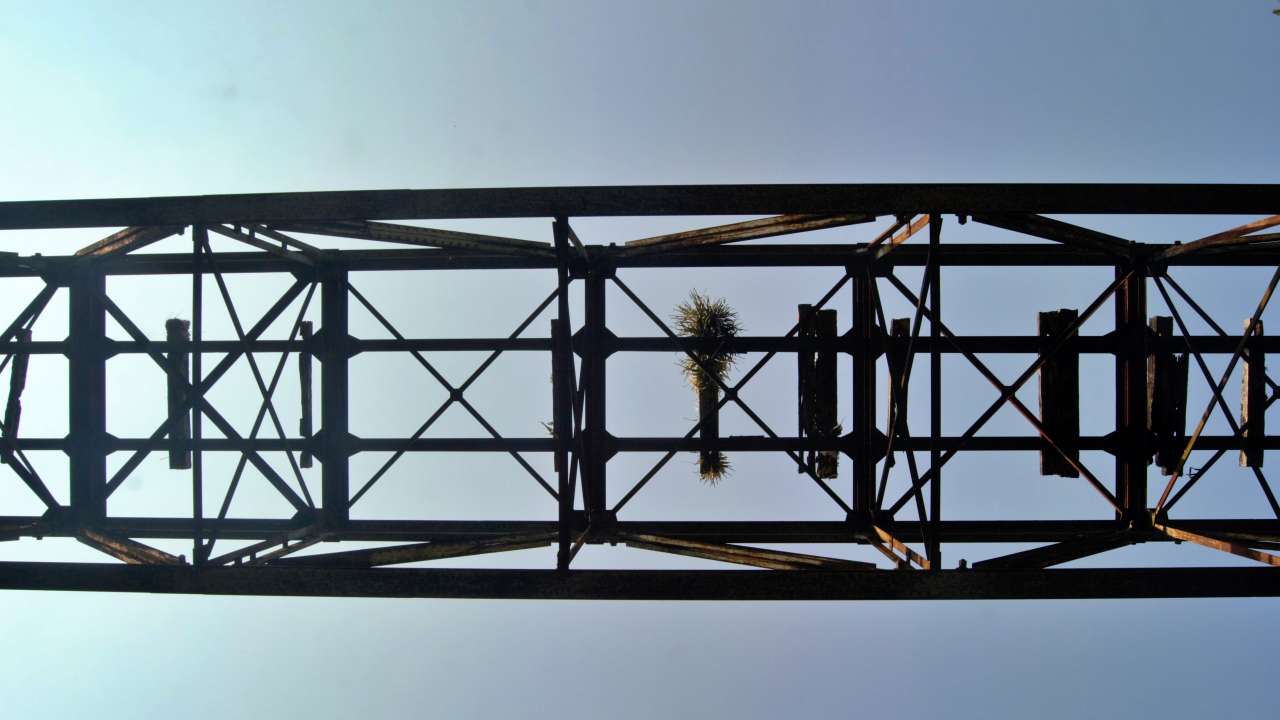
The bridge over the Progo River represents a formidable feat of colonial civil engineering. Featuring tall iron truss frameworks and robust foundational pillars designed to withstand the volatile water currents and seasonal flooding of the Progo River, the structure remains remarkably resilient despite decades of abandonment. While the tracks have long since rusted and the corridor has transitioned from a bustling transportation artery into a dormant industrial artifact, the architectural integrity of the bridge continues to command attention from historians, conservationists, and domestic travelers.
Chronology of an Exploratory Journey

An investigative visit to the site provides a comprehensive look at the logistical challenges and experiential realities of accessing such remote historical assets. Departing from the urban center of Magelang during the early afternoon, travelers typically navigate a stark visual transition from dense cityscapes, characterized by heavy commercial truck traffic and tourism buses, into the tranquil rural landscapes of Temanggung Regency. As urban density recedes, motorists are greeted by sweeping vistas of the majestic Mount Sumbing rising to the west, setting a scenic backdrop for the journey toward the Progo River basin.
Locating the bridge requires careful navigation, as the infrastructure is largely hidden from the main thoroughfare. Situated discreetly beyond a sharp incline immediately following the modern Progo River bridge, the access point features a modest local park managed for community leisure. Visitors arriving at the site must navigate steep, rugged terrain to reach the elevated rail deck. Local parking attendants and residents often direct adventurous visitors along narrow, unpaved stone pathways and steep embankment slopes blanketed in dense vegetation—a challenging climb that underscores the lack of formalized tourist infrastructure around the asset.
Navigating the overgrown paths, which require traversing dense thickets of wild tall grass and steep dirt inclines without modern handrails or safety provisions, highlights the current state of neglect affecting numerous minor railway assets across Java. Despite these physical barriers, reaching the elevated steel deck offers panoramic views of the surrounding Progo River valley, terraced agricultural fields, and nearby residential settlements, rewarding those who undertake the rigorous ascent.

Socio-Economic Context and Local Perspectives
The area surrounding the abandoned bridge serves as a vital economic and recreational space for local residents. The riverbanks and surrounding agricultural plots support local farming and artisanal fishing activities. During afternoon hours, local youths and community members frequently utilize the riverbanks for recreational fishing, capitalizing on the rich aquatic biodiversity of the Progo River.
Interactions with local residents reveal a deeply embedded familiarity with the historical structure. Community members regularly assist bewildered travelers in navigating the complex terrain, pointing toward lesser-known footpaths and sharing local insights regarding the best vantage points for photography and observation. These informal interactions demonstrate the integration of the colonial ruin into the daily fabric of rural life, where historical artifacts coexist with modern agricultural practices.

Asset Ownership, Preservation Status, and Implications
As an asset historically tied to the state railway system, segments of the land and infrastructure fall under the purview of PT Kereta Api Indonesia (Persero) [KAI], as indicated by official asset-ownership signage posted near the location. The presence of KAI asset markers emphasizes the legal complexities surrounding abandoned colonial railway corridors, which are often subject to asset optimization policies, historical preservation debates, and community utilization agreements.
The preservation of such industrial heritage sites presents a complex challenge for regional authorities and national rail operators. On one hand, structures like the Progo River railway bridge possess immense potential for cultural heritage tourism, historical education, and structural archaeology. On the other hand, the high costs associated with structural rehabilitation, safety compliance, and infrastructure maintenance often preclude immediate development into formal tourist destinations. Consequently, many of these sites remain in a state of managed abandonment, relying on self-guided exploration by independent travelers and historians.

Broader implications of these exploratory visits point to a growing public interest in industrial archaeology and vernacular history in Indonesia. As domestic tourism diversifies beyond conventional resort destinations, historical relics such as the Secang–Temanggung railway bridge offer valuable insights into the socio-economic transformations driven by nineteenth and twentieth-century transportation technologies. Balancing public access, safety, and heritage conservation remains a critical priority for ensuring that these monumental engineering achievements are preserved for future generations without compromising historical integrity or public safety.