Socio Today
Tashkent, Uzbekistan – In a strategic move to bolster bilateral relations and project its rich cultural heritage, Indonesia has expanded its renowned coffee diplomacy initiatives into Uzbekistan, a pivotal Central Asian nation. On April 15, 2026, the Indonesian Ambassador to Uzbekistan, Siti Ruhaini Dzuhayatin, officially inaugurated the Espresso 7oz Cafe in the burgeoning Tashkent City district. This establishment is poised to serve as more than just a coffee shop; it is envisioned as a vibrant hub for cultural exchange and an economic bridge, primarily featuring the globally acclaimed Toraja coffee from South Sulawesi. The initiative underscores Indonesia’s commitment to leveraging its distinctive products as powerful tools for fostering international understanding and strengthening economic partnerships.
The Essence of Coffee Diplomacy: A Universal Language
Coffee has long transcended its role as a mere beverage, evolving into a potent symbol of hospitality, a catalyst for social interaction, and an effective instrument in the intricate world of diplomacy. Its capacity to bring people together, facilitate dialogue, and create a shared experience makes it an invaluable asset in international relations. Throughout history, the simple act of sharing a cup of coffee has often paved the way for critical negotiations, eased tensions, and forged enduring bonds between nations. This phenomenon, often termed "coffee diplomacy," highlights how cultural and economic exchanges can precede or complement traditional political engagements, building trust and mutual respect on a foundational level.
In this context, coffee exemplifies the principles of "soft power"—the ability to attract and persuade rather than coerce—a concept popularized by political scientist Joseph Nye. By presenting a country’s culture, values, and attractive products, soft power initiatives can subtly enhance a nation’s influence and image on the global stage. Indonesia, as one of the world’s leading coffee producers, is uniquely positioned to harness this power. Its diverse array of high-quality coffee beans, each with distinct flavors and aromatic profiles rooted in specific geographical and cultural traditions, offers a compelling narrative of the archipelago’s rich biodiversity and heritage.
For years, Indonesian diplomacy has strategically utilized its coffee varietals, such as the robust Gayo coffee from Aceh and the complex Toraja coffee, in various international forums and bilateral meetings. These presentations serve a dual purpose: introducing premium local products to a global audience and showcasing the cultural tapestry of Indonesia. This consistent effort has solidified coffee’s status as a key component of Indonesia’s foreign policy toolkit, demonstrating its potential to unlock new avenues for cooperation in tourism, trade, and the creative economy. The latest venture in Tashkent is a testament to the continued efficacy and evolving sophistication of this approach.
A New Chapter in Bilateral Relations: The Tashkent Inauguration
The inauguration of Espresso 7oz Cafe on April 15, 2026, marks a significant milestone in the growing relationship between Indonesia and Uzbekistan. The choice of Tashkent City, a modern and rapidly developing commercial and residential district in the Uzbek capital, underscores the strategic intent behind the initiative. Tashkent City is designed to be a hub of international activity, making it an ideal location to introduce Indonesian culture and products to a diverse and cosmopolitan audience, including local residents, expatriates, and international visitors.
Ambassador Siti Ruhaini Dzuhayatin, speaking at the opening ceremony, emphasized the broader implications of the cafe’s establishment. "The opening of this cafe simultaneously reflects the increasingly close bilateral relations between our two countries, especially in the tourism and creative economy sectors," she stated, as reported on April 16, 2026. Her remarks highlighted the multidimensional nature of this diplomatic endeavor, extending beyond mere commercial transaction to encompass deeper cultural and economic integration. The Ambassador articulated a vision where coffee serves as a tangible link, fostering greater understanding and appreciation between the peoples of Indonesia and Uzbekistan.
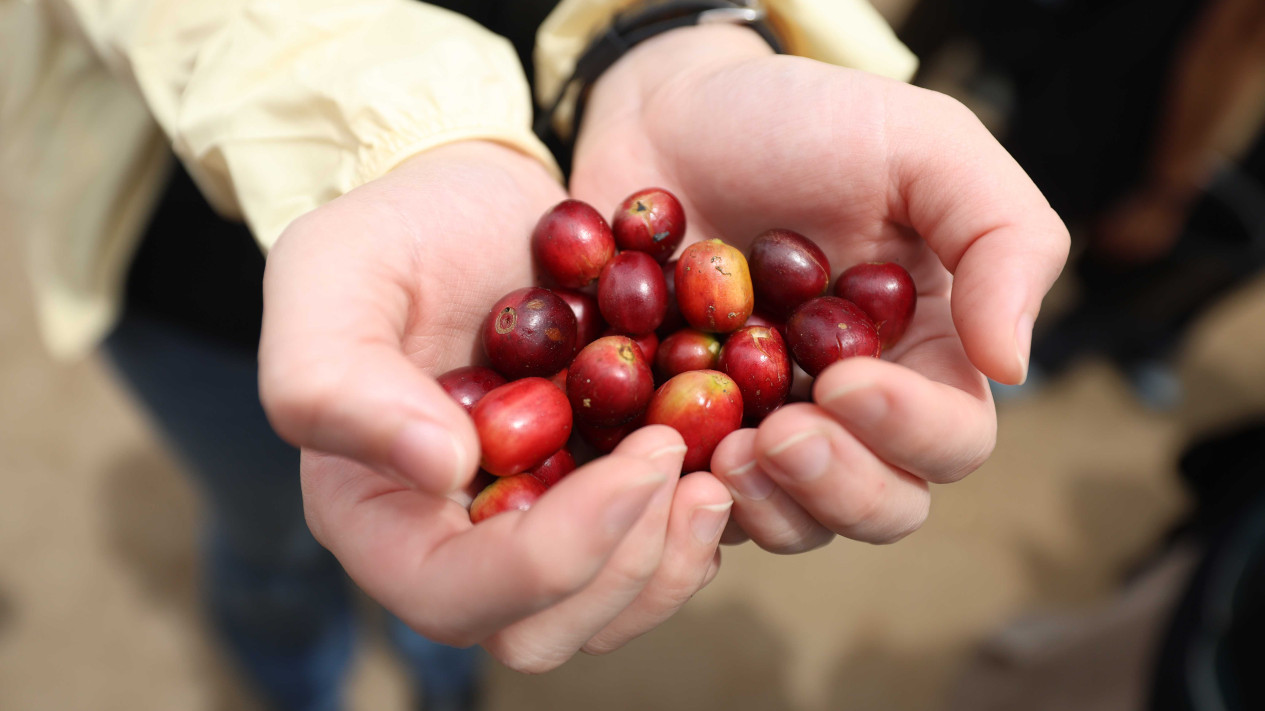
The decision to feature Toraja coffee prominently at Espresso 7oz Cafe is particularly noteworthy. Toraja coffee, known for its full body, balanced acidity, and often earthy, fruity, or chocolatey notes, has garnered international acclaim and a loyal following among connoisseurs. Its unique characteristics are a result of the specific growing conditions in the highlands of South Sulawesi and the traditional processing methods employed by local farmers. By introducing such a distinctive and high-quality product, Indonesia aims to elevate the perception of its offerings and create a lasting impression on the Uzbek palate. The cafe is not merely selling coffee; it is selling an experience, a story, and a piece of Indonesian heritage.
Indonesia’s Global Coffee Prowess and the Uzbek Market
Indonesia stands as the fourth-largest coffee producer globally, trailing only Brazil, Vietnam, and Colombia. Its vast archipelago, blessed with diverse microclimates and volcanic soils, provides ideal conditions for cultivating a wide range of coffee varieties, predominantly Arabica and Robusta. Iconic Indonesian coffees like Gayo, Toraja, Mandheling, Kintamani, and Flores Bajawa are celebrated worldwide for their unique flavor profiles and commitment to sustainable farming practices. In 2025, Indonesia’s coffee exports were estimated to reach approximately 400,000 to 450,000 metric tons, contributing significantly to its agricultural economy and positioning it as a key player in the global coffee market. The industry supports millions of farmers and workers across the value chain, making it a crucial sector for national development.
The choice of Uzbekistan as a target for this intensified coffee diplomacy is strategic. Uzbekistan, with its rich history as a crossroads of the Silk Road and its burgeoning economy, represents a market with significant untapped potential. The country has been undergoing substantial economic reforms and opening up to international trade and investment, creating a more conducive environment for foreign businesses and cultural exchanges. Tashkent, as the capital and largest city, is a melting pot of cultures and an economic powerhouse, with a growing middle class and an increasing appreciation for international products and lifestyles.
While specific bilateral trade figures for 2025-2026 are still emerging, trade between Indonesia and Uzbekistan has shown a consistent upward trend in previous years. In 2024, total trade volume reached approximately $50 million, with Indonesian exports primarily consisting of palm oil, rubber products, and textiles, while imports from Uzbekistan included cotton and fertilizers. The opening of Espresso 7oz Cafe aims to diversify this trade relationship, creating a new category of high-value agricultural exports and stimulating demand for other Indonesian goods. Furthermore, the initiative is expected to boost tourism from Uzbekistan to Indonesia, as cultural exposure often translates into travel interest.
Official Perspectives and Future Aspirations
Dilafruz Khusainova, the Director of Espresso 7oz Cafe, articulated a profound understanding of coffee’s unifying power. "Coffee is a universal language that can be accepted by all circles," she remarked, echoing the sentiment of cultural diplomacy. Khusainova’s vision extends beyond mere commerce; she sees the cafe as a vital platform for fostering deeper interaction between the communities of Indonesia and Uzbekistan. By creating an inviting space where people can gather, converse, and share a common experience over a cup of Indonesian coffee, the cafe is expected to enhance mutual understanding and appreciation.

This sentiment is particularly important given Uzbekistan’s historical and cultural ties, being the birthplace of Imam Bukhari, a revered Islamic scholar whose legacy resonates deeply within the Islamic world, including Indonesia. The shared cultural and religious heritage forms a strong undercurrent to the modern diplomatic efforts, providing a natural bridge for connection.
From an Uzbek perspective, the initiative is likely to be viewed positively. A representative from Uzbekistan’s Ministry of Investment and Foreign Trade, speaking on background, might welcome such foreign cultural and economic ventures as they align with the government’s broader strategy to diversify its economy, attract foreign investment, and enrich its cultural landscape. The presence of international brands and cultural centers contributes to Tashkent’s image as a modern, outward-looking capital, enhancing its appeal to both tourists and investors. The cafe could also serve as a model for future cultural and economic partnerships with other nations, demonstrating Uzbekistan’s openness to global engagement.
Broader Implications for Soft Power and Trade
The inauguration of Espresso 7oz Cafe in Tashkent carries significant implications across economic, cultural, and diplomatic spheres. Economically, it represents a direct pathway for Indonesian coffee producers to access the Central Asian market, potentially leading to increased export volumes and revenues. The success of Toraja coffee in Tashkent could pave the way for other Indonesian coffee varieties, and indeed, other Indonesian food and beverage products, to gain traction in the region. This direct market presence also cuts out intermediaries, potentially leading to better returns for Indonesian farmers and exporters.
Culturally, the cafe is a tangible manifestation of Indonesia’s soft power. It offers Uzbek citizens and visitors a direct, sensory experience of Indonesian culture, fostering a deeper appreciation for its culinary traditions and artistic expressions. The cafe could become a venue for cultural events, such as Indonesian art exhibitions, music performances, or language classes, further enriching the cultural dialogue between the two nations. This kind of grassroots cultural exchange often has a more profound and lasting impact than top-down diplomatic initiatives.
Diplomatically, this venture strengthens Indonesia’s presence and influence in Central Asia, a region of increasing geopolitical and economic importance. By diversifying its diplomatic tools beyond traditional state-to-state engagements, Indonesia demonstrates a sophisticated and nuanced approach to foreign policy. It highlights the value of public diplomacy and people-to-people connections in building robust international relationships. The success of this cafe could inspire similar initiatives in other strategic regions, further cementing Indonesia’s role as a global cultural and economic actor.
However, the initiative is not without its challenges. Market penetration in a new region requires careful consideration of local tastes, preferences, and competitive landscapes. Uzbekistan’s coffee market, while growing, may have established local or international brands. Logistics for importing premium Indonesian coffee to a landlocked country like Uzbekistan also require efficient supply chains and management. Nevertheless, the strategic location in Tashkent City, the recognized quality of Indonesian coffee, and the diplomatic backing provide a strong foundation for success.
In conclusion, Indonesia’s latest foray into coffee diplomacy in Uzbekistan is a testament to the enduring power of culture and commerce in shaping international relations. By inaugurating Espresso 7oz Cafe, featuring the exquisite Toraja coffee, Indonesia is not just selling a product; it is cultivating connections, sharing its rich heritage, and building bridges of understanding that promise to deepen bilateral ties and open new avenues for cooperation in the years to come. This initiative underscores the notion that sometimes, the most potent diplomatic tools are found not in grand treaties, but in the simple, shared pleasure of a cup of coffee.