Socio Today
Suzuki Indomobil Sales (SIS) has experienced a substantial surge in sales for its Carry model, largely attributed to its involvement in the "Makan Bergizi Gratis" (MBG) or "Free Nutritious Meal" government procurement program. This strategic opportunity, which has led to a significant increase in Carry’s commercial vehicle segment sales, was anticipated by Suzuki and had been factored into its annual targets.
Strategic Vision and Sales Performance
Donny Saputra, Deputy Managing Director of Sales and Marketing for 4W Suzuki Indomobil Sales (SIS), stated that the company had established its annual sales targets well in advance, commencing from the start of 2026. "To date, these targets are proceeding as planned. This means that the recent achievements were indeed part of our strategic planning," Saputra remarked during an interview in Jakarta.
He further elaborated that the heightened demand for the Carry in the light commercial vehicle sector has not necessitated a revision of the company’s overall sales objectives. Suzuki has opted to focus on market share percentage rather than specific unit sales figures. The company remains optimistic about achieving its 2026 market share target of 9.5 percent of the national automotive market.
The Indonesian Automotive Industry Association (Gaikindo) has projected total industry sales for the year to reach 850,000 units. Based on this projection, Suzuki’s target translates to selling at least 80,750 units.
In February 2026, Suzuki achieved a notable milestone, climbing into the top three best-selling automotive brands in Indonesia based on factory-to-dealer wholesale data. This performance saw Suzuki surpass established players like Mitsubishi, Honda, and BYD. According to Gaikindo’s data, Suzuki secured the third position with a wholesale sales volume of 9,659 units.
The Suzuki Carry pickup model specifically dominated the top 10 best-selling vehicles list in February, with wholesale deliveries reaching an impressive 6,554 units. The company acknowledged the MBG program as a significant contributor to this surge in Carry’s demand.
Market Dynamics and Recent Performance
As March 2026 commenced, Suzuki maintained a strong presence, ranking fourth in wholesale sales with 4,552 units. The Carry model continued its robust performance, contributing 2,739 units to this figure.
Analyzing the cumulative data for January to March 2026, Suzuki’s wholesale market share stood at 8.1 percent, while its retail sales market share reached 9 percent. These figures demonstrate a consistent upward trend and solidify Suzuki’s position in the Indonesian automotive landscape.
The "Makan Bergizi Gratis" (MBG) Program: A Catalyst for Growth
The "Makan Bergizi Gratis" (MBG) program, a key initiative by the Indonesian government, aims to provide nutritious meals to children, pregnant women, and breastfeeding mothers. This ambitious program requires a substantial logistical network to ensure efficient distribution of food supplies across the nation. The demand for reliable and cost-effective transportation solutions to support this initiative has been immense.
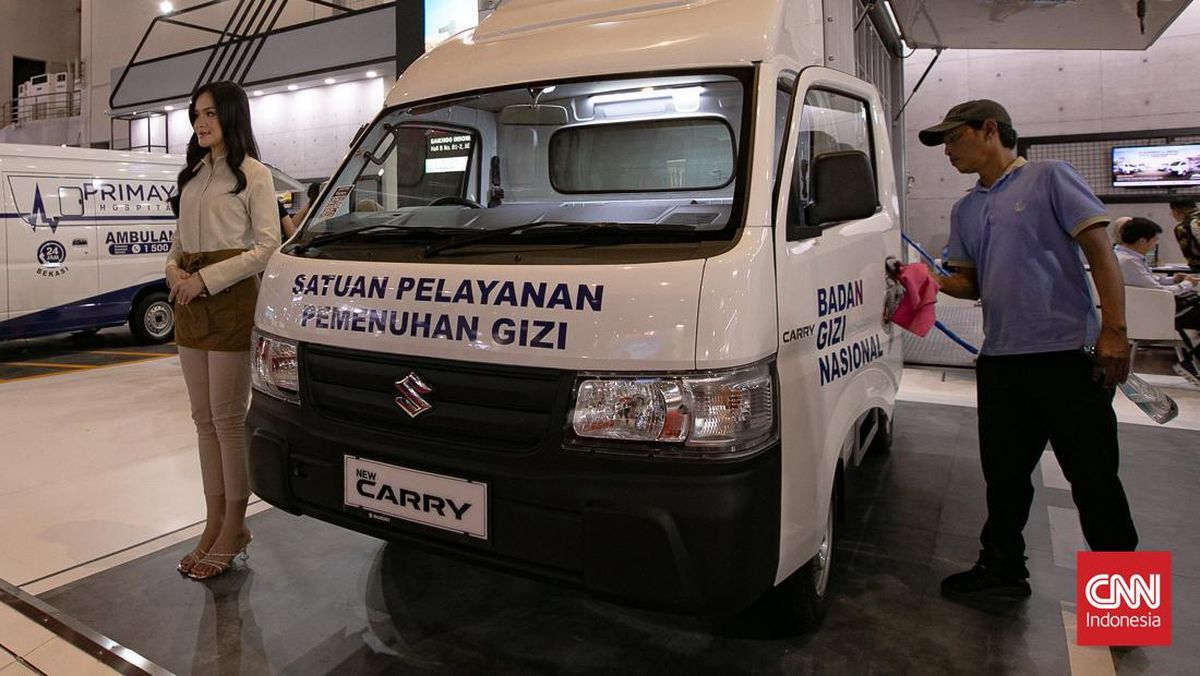
The Suzuki Carry, known for its durability, fuel efficiency, and cargo capacity, emerged as an ideal vehicle for meeting the logistical challenges posed by the MBG program. Its robust build and adaptability make it suitable for navigating various road conditions and carrying significant payloads, essential for delivering food supplies to remote or densely populated areas.
The procurement of Carry vehicles for the MBG program represents a significant contract for Suzuki Indomobil Sales. This partnership not only bolsters Suzuki’s sales figures but also underscores the practical utility and widespread applicability of its commercial vehicle offerings in supporting national welfare programs. The program’s implementation has created a consistent demand for vehicles like the Carry, providing a stable revenue stream for Suzuki and contributing to its market share growth.
Suzuki’s Long-Term Strategy and Market Outlook
Suzuki’s foresight in identifying the potential of the commercial vehicle segment and its proactive approach to market trends have been crucial to its recent success. The company’s commitment to product development, particularly in the utility vehicle category, has positioned it favorably to capitalize on opportunities presented by government initiatives and the evolving needs of the Indonesian market.
The consistent performance of the Carry model in the first quarter of 2026 suggests a strong foundation for the remainder of the year. Suzuki’s focus on market share, rather than solely on unit sales, indicates a strategic approach to building a sustainable and dominant presence in the Indonesian automotive industry. By aiming for 9.5 percent market share, Suzuki is not just chasing sales numbers but also solidifying its brand equity and competitive standing.
Broader Implications for the Automotive Industry
The success of Suzuki in leveraging the MBG program highlights a broader trend in the Indonesian automotive market: the increasing importance of commercial vehicles in supporting national development and economic activities. Government procurement, especially for large-scale social programs, can significantly influence sales volumes and brand positioning.
This trend also presents opportunities for other automotive manufacturers to align their product portfolios with government initiatives and to develop vehicles tailored to specific logistical and operational needs. The demand for robust, fuel-efficient, and versatile commercial vehicles is likely to remain high as Indonesia continues to invest in infrastructure development and social welfare programs.
Furthermore, the competition within the commercial vehicle segment is expected to intensify. Manufacturers will need to focus on innovation, cost-effectiveness, and after-sales support to maintain and expand their market share. Suzuki’s current strategy, which emphasizes long-term market share goals and a keen understanding of market dynamics, positions it well to navigate this competitive landscape.
Suzuki’s Commitment to the Indonesian Market
Suzuki Indomobil Sales has a long-standing presence in Indonesia, having established itself as a reliable automotive brand. The company’s commitment extends beyond sales, encompassing local manufacturing, job creation, and contributions to the national economy. The current success with the Carry model in supporting the MBG program further reinforces Suzuki’s role as a key player in the Indonesian automotive ecosystem.
The company’s consistent performance and strategic planning suggest a confident outlook for its future operations. By adapting to market demands and capitalizing on strategic opportunities, Suzuki is well-poised to achieve its ambitious targets and to continue its growth trajectory in the Indonesian automotive market. The continued success of the MBG program and similar government initiatives will likely remain a significant factor in shaping the sales landscape for commercial vehicles in the coming years. Suzuki’s proactive engagement and strategic positioning have undoubtedly paid dividends, solidifying its reputation as a resilient and adaptable automotive manufacturer in Indonesia.