Socio Today
The global landscape of consumer behavior has undergone a profound transformation over the last decade, marked by a decisive shift from material accumulation to experiential enrichment. For the millennial generation and their successors in Gen Z, traveling is no longer viewed merely as an occasional luxury or a seasonal escape; it has evolved into a fundamental lifestyle component and a primary vehicle for personal development. This socio-economic phenomenon, often referred to by economists as the "Experience Economy," posits that modern consumers derive significantly more long-term value and psychological satisfaction from lived experiences—such as exploring remote geographies or engaging with diverse cultures—than from the purchase of traditional status symbols like real estate or luxury vehicles.
The transition toward a travel-centric lifestyle is driven by a confluence of technological advancements, changing workplace dynamics, and a fundamental reassessment of what constitutes a successful life. In previous eras, financial stability was measured by the acquisition of tangible assets. However, current data suggests that the "investment in the self" through travel provides a form of social and intellectual capital that is increasingly prized in a globalized world. As the barriers to international movement decrease and digital connectivity increases, the impulse to explore the natural world and seek out challenging environments has become a defining characteristic of the contemporary youth identity.
The Socio-Economic Context of the Experiential Shift
To understand the rise of travel as a mandatory lifestyle, one must examine the broader economic context of the 21st century. Following the global financial fluctuations of the late 2000s, many young professionals began to view traditional long-term investments with skepticism. The rising cost of housing in urban centers and the volatility of traditional markets led to a "live-for-now" ethos. This was not a rejection of responsibility, but rather a strategic reallocation of resources toward experiences that offer immediate psychological returns and long-term cognitive benefits.
Market research firms, including groups like Skift and McKinsey, have noted that millennials are more likely than any previous generation to spend a significant portion of their discretionary income on travel. This demographic values "authenticity" and "local immersion" over the standardized tourism packages of the past. The motivation is twofold: the desire for personal growth and the pursuit of a unique narrative. In a world where digital presence is a significant aspect of social life, the "story" of a journey has become a new form of currency.
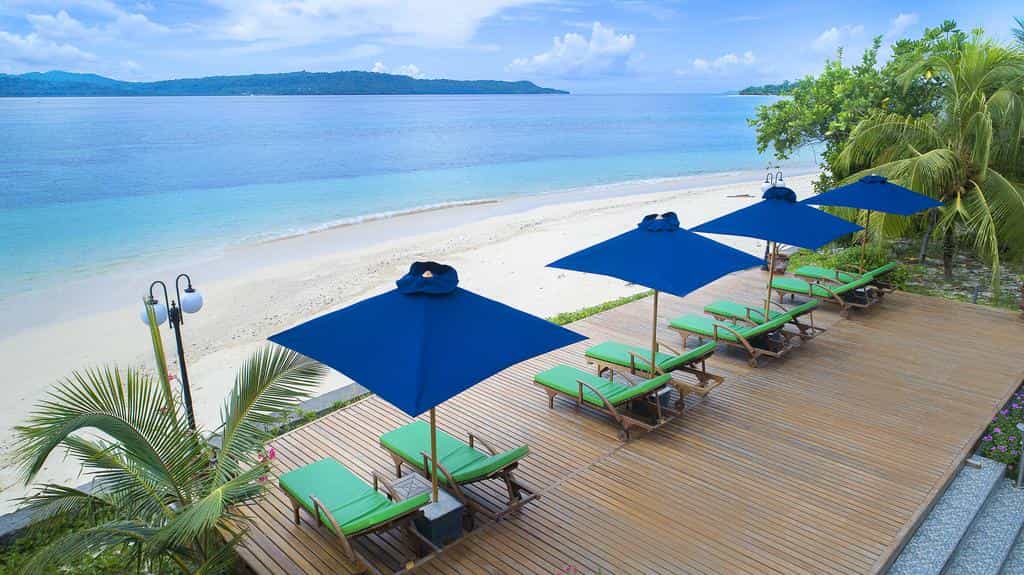
Furthermore, the rise of the "digital nomad" and remote work culture has decoupled professional productivity from physical locations. For a growing segment of the workforce, the office is wherever there is a stable internet connection. This has turned travel from a period of "time off" into a continuous state of being. The ability to work from a café in Bali, a co-working space in Lisbon, or a mountain retreat in the Andes has blurred the lines between labor and leisure, making the travel lifestyle more sustainable than ever before.
Chronology of the Travel Paradigm Shift
The journey of travel from an elite pastime to a universal lifestyle aspiration can be traced through several distinct phases:
- The Era of Modern Mass Tourism (1960s–1990s): During this period, travel was largely characterized by the "package holiday." Destinations were standardized, and the goal was often relaxation and luxury. The focus was on the destination as a static place to be consumed.
- The Digital Revolution and Information Access (2000s): The advent of the internet and platforms like TripAdvisor and Expedia democratized travel planning. Information that was once the sole province of travel agents became available to everyone, allowing for more personalized and budget-conscious exploration.
- The Rise of Social Media and Visual Narratives (2010–2019): Platforms like Instagram and YouTube transformed travel into a visual performance. "Wanderlust" became a global hashtag, and the aesthetic appeal of hidden natural spots began to drive tourism patterns. This period saw the birth of the "Influencer" economy, which further glamorized the nomadic lifestyle.
- The Post-Pandemic Reassessment (2020–Present): After the global lockdowns of the COVID-19 pandemic, the value of mobility was highlighted by its absence. This led to the phenomenon of "revenge travel"—a surge in movement as people sought to make up for lost time. More importantly, it solidified the idea that life is fragile and that experiences should not be deferred.
Psychological and Professional Implications of Travel
Psychologists have long argued that the benefits of travel extend far beyond simple enjoyment. Engaging with new environments requires a high degree of cognitive flexibility and emotional resilience. When an individual steps out of their "comfort zone," they are forced to navigate unfamiliar social cues, language barriers, and logistical challenges. This process fosters a "growth mindset," which is highly transferable to professional environments.
Industry experts and HR professionals have noted that individuals with extensive travel experience often possess superior cross-cultural communication skills and a greater capacity for problem-solving. By navigating the complexities of a foreign country, travelers develop an "adaptive intelligence" that allows them to remain calm under pressure and think creatively. Consequently, the travel lifestyle is increasingly viewed not as a distraction from a career, but as a method of professional development that builds "soft skills" which are difficult to teach in a traditional classroom or office setting.
Strategic Framework for Implementing a Travel Lifestyle
Adopting travel as a permanent lifestyle requires more than just a passport; it necessitates a fundamental shift in one’s approach to life and logistics. Based on the experiences of long-term travelers and cultural analysts, three core pillars define a successful transition to this lifestyle:
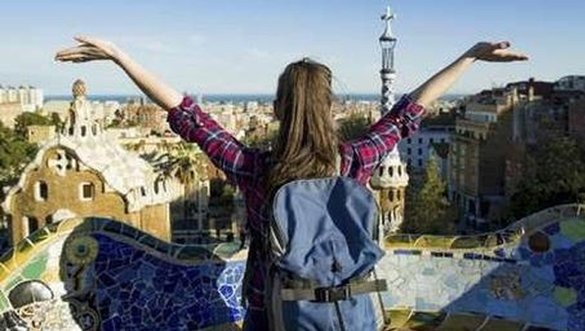
1. The Cultivation of Psychological Fortitude and Initiative
The most significant barrier to a travel lifestyle is often internal rather than financial. Many individuals wait for the "perfect moment" or a specific level of savings before embarking on a journey. However, the travel lifestyle is predicated on the idea of starting with current resources and adapting along the way. This requires a "resolute will"—the courage to move from the conceptual phase to the action phase. In the journalistic analysis of successful nomads, the recurring theme is not the absence of fear, but the willingness to proceed despite it. Survival in new environments is less about wealth and more about the resourcefulness to utilize what one has at any given moment.
2. Flexibility and Environmental Adaptation
A professional traveler understands that rigid planning is often the enemy of a meaningful experience. While a general itinerary is necessary for logistics, the "lifestyle" aspect of travel thrives on spontaneity. Rigid schedules can lead to frustration when inevitable delays or changes occur. By maintaining a flexible mindset, travelers can take advantage of unexpected opportunities—such as a local festival, a sudden invitation from a resident, or a change in weather that reveals a different side of a landscape. This "flow-based" approach allows the traveler to learn local wisdom and traditions that are often missed by those following a strict tourist guidebook.
3. Cultural Integration and Social Versatility
To sustain travel as a lifestyle, one must move beyond the role of a spectator and become an active participant in the local culture. This involves the ability to adapt to diverse social structures, languages, and cultural norms. Effective integration requires a high level of empathy and observation. Travelers who successfully adopt this lifestyle are those who can sit in a village market or a bustling metropolis and feel equally at ease. This skill of "social camouflage" or cultural code-switching is the ultimate tool for a long-term traveler, ensuring safety, acceptance, and a deeper understanding of the human condition.
Economic Impact and Global Responses
The shift toward a travel lifestyle has significant implications for global economies. Nations that were once dependent on seasonal tourism are now restructuring their infrastructure to accommodate "slow travelers" and digital nomads. Countries like Estonia, Croatia, and Barbados have introduced "Digital Nomad Visas" specifically designed to attract individuals who wish to live and work in their territories for extended periods.
Tourism analysts suggest that this trend is beneficial for local economies because long-term travelers distribute their spending more evenly throughout the year and across a wider variety of local businesses, rather than concentrating it in large resort chains. However, this shift also presents challenges, such as the potential for "gentrification" in popular destinations and the strain on local resources. Governments are now tasked with finding a balance between welcoming the "lifestyle traveler" and protecting the interests of their permanent residents.
Analysis of Future Trends
As we look toward the future, the travel lifestyle is likely to be influenced by two major factors: sustainability and technology. The "conscious travel" movement is gaining momentum, as travelers become more aware of their carbon footprint and the environmental impact of their journeys. This is leading to a rise in "overland" travel, train journeys, and eco-tourism, where the goal is to leave a positive or neutral impact on the destination.
Technologically, the integration of Artificial Intelligence (AI) and Augmented Reality (AR) will continue to change how travelers navigate the world. AI-driven translation tools are breaking down the final barriers of communication, while AR can provide historical context to ruins and landscapes in real-time. However, the core essence of the travel lifestyle—the human desire for connection and discovery—remains unchanged by technology.
Conclusion
The transition of traveling from a leisure activity to a fundamental lifestyle reflects a broader societal evolution toward valuing the intangible over the tangible. For the modern generation, the "investment" in a sunset over a foreign horizon, a conversation in a language not their own, or the successful navigation of a mountain pass is seen as far more secure and rewarding than traditional financial portfolios. By fostering courage, adaptability, and a deep respect for global cultures, individuals are not just seeing the world; they are reinventing themselves through the world. The travel lifestyle, therefore, stands as a testament to the enduring human spirit of exploration and the belief that the most valuable assets we can possess are the memories and insights that remain with us until the very end.