Socio Today
The traditional markers of adulthood and financial success are undergoing a profound transformation as millennial and Gen Z populations increasingly prioritize "experience-based investments" over the accumulation of physical assets. While previous generations, specifically Baby Boomers and Gen X, focused their primary financial goals on the acquisition of real estate, vehicles, and long-term savings accounts, the contemporary workforce is reallocating its discretionary income toward global mobility and cultural immersion. This shift toward a travel-centric lifestyle is not merely a recreational trend but represents a fundamental change in the socio-economic values of the modern era, where the "experience economy" has superseded the traditional ownership model.
Recent market analyses and sociological studies indicate that for the current generation of young professionals, the acquisition of memories and personal growth through travel is viewed as a more resilient form of capital than fluctuating financial markets or depreciating physical goods. This phenomenon, often termed "lifestyle traveling," has become a mandatory component of the modern identity. It is driven by the belief that the dividends paid by cultural education, global networking, and personal resilience are far more valuable in the long term than the security offered by traditional property ownership.
The Historical Evolution of Travel and the Rise of the Experience Economy
To understand the current dominance of travel as a lifestyle choice, it is necessary to examine the chronology of tourism over the last several decades. In the mid-20th century, international travel was largely reserved for the economic elite or served as a once-in-a-lifetime milestone for middle-class families. The "Grand Tour" model of the past focused on prestige and passive observation. However, the landscape began to shift in the late 1990s and early 2000s with the democratization of the skies.
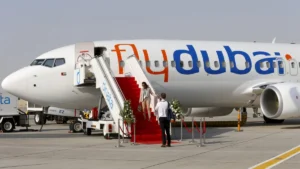
The emergence of Low-Cost Carriers (LCCs) revolutionized accessibility, allowing young people with modest incomes to traverse continents. By the 2010s, the rise of high-speed mobile internet and social media platforms, particularly Instagram and Pinterest, transformed travel from a private activity into a form of social and cultural currency. The "Instagrammability" of a destination became a significant driver of tourism, but as the decade progressed, the motivation shifted from superficial aesthetics to deep-seated experiential value.
By 2020, the global pandemic briefly halted this momentum, but the subsequent "revenge travel" phenomenon saw a surge in demand that exceeded pre-pandemic levels. Today, the travel lifestyle is characterized by "Slow Travel" and "Digital Nomadism," where the goal is not just to visit a location but to integrate into its local fabric. This evolution reflects a broader movement where the journey is prioritized over the destination, and the internal transformation of the traveler is considered the ultimate return on investment.
Comparative Economic Data: Assets vs. Experiences
Statistical data from various financial institutions and consumer research firms highlight the stark contrast between generational spending habits. According to a 2023 report on consumer behavior, approximately 72% of millennials stated they would rather spend money on experiences than on material things. This is supported by data from the travel industry, which shows that despite rising inflation and global economic uncertainty, spending on international tourism continues to grow among the 25–40 age demographic.
In contrast to the 1980s, when the average age of a first-time homebuyer was significantly lower, modern economic conditions—including skyrocketing real estate prices and the burden of student loan debt—have made traditional investments feel unattainable for many. Consequently, many young adults have pivoted their financial strategies. Instead of saving for a down payment on a house that may take decades to secure, they choose to invest in "human capital" through travel.
Financial analysts note that while a car begins to depreciate the moment it leaves the dealership, the skills gained through independent travel—such as cross-cultural communication, crisis management, and linguistic adaptability—are increasingly valued in the globalized labor market. This has led to the rise of the "Travel Portfolio," where individuals curate a series of international experiences designed to broaden their professional and personal horizons.
Psychological Drivers and the Quest for Self-Identity
The psychological motivation behind adopting a travel-focused lifestyle is deeply rooted in the search for self-actualization. For many millennials, the traditional office-bound "9-to-5" lifestyle is perceived as a potential trap that limits personal growth. Traveling is viewed as a mechanism for breaking out of one’s "comfort zone," a psychological state where a person operates in a neutral-anxiety condition, using a limited set of behaviors to deliver a steady level of performance.
Sociologists argue that by intentionally placing themselves in unfamiliar environments, travelers are forced to confront their biases, fears, and limitations. This process of "disorientation" is essential for the development of a mature self-identity. When a traveler navigates a foreign city where they do not speak the language or understand the social norms, they are practicing a form of radical problem-solving. These experiences contribute to what psychologists call "Cognitive Flexibility," the mental ability to switch between thinking about two different concepts and to think about multiple concepts simultaneously.
Strategic Pillars for Sustaining a Travel Lifestyle
Adopting travel as a lifestyle requires more than just a desire to see the world; it demands a strategic approach to planning, finance, and adaptability. Experts suggest that successful lifestyle travelers adhere to several core principles to ensure their journeys are sustainable and meaningful.

1. Cultivating Psychological Resilience and Courage
The transition from a stationary life to one of mobility requires a significant shift in mindset. Journalistic observations of long-term travelers reveal that the most successful individuals are those who prioritize action over over-analysis. The concept of "surviving with what you have" is central to this. Rather than waiting for a specific financial milestone, lifestyle travelers often start with modest budgets, relying on their ability to adapt to varying circumstances. This courage to face the unknown is the foundation of the lifestyle.
2. Tactical Flexibility and Local Integration
A common mistake among novice travelers is the adherence to overly rigid itineraries. Journalistic analysis of travel trends suggests that "over-planning" can actually detract from the value of the experience. The most impactful moments often occur during unplanned detours or unexpected interactions with local residents. By "following the flow" and remaining open to local conditions, travelers can experience "cultural wisdom" that is not found in guidebooks. This flexibility allows for a more authentic engagement with the destination’s social and ecological environment.
3. Developing Cultural Competency and Adaptability
In a globalized world, the ability to adapt to different societal norms is a critical skill. Lifestyle travel serves as an intensive training ground for cultural competency. This involves more than just learning basic phrases in a foreign language; it requires an understanding of different worldviews, etiquette, and social structures. Those who treat travel as a lifestyle must be prepared to be "perpetual students," constantly observing and adjusting their behavior to respect and integrate with the communities they visit.
Statements from Industry Experts and Sociologists
"We are seeing a permanent shift in how value is defined," says Dr. Elena Rossi, a sociologist specializing in modern labor trends. "The younger generation views the world as their workplace and their classroom. To them, a passport full of stamps is a more impressive resume than a mortgage deed. They are investing in their own adaptability, which is the most stable currency in an unstable world."
Similarly, travel industry analyst Marcus Thorne notes, "The travel industry has had to pivot from selling ‘luxury’ to selling ‘transformation.’ Modern travelers don’t want to be pampered; they want to be challenged. They are looking for experiences that will change their perspective or teach them a new skill. This is why we see a rise in eco-tourism, volunteer tourism, and educational retreats."
Broader Socio-Economic Implications and Future Outlook
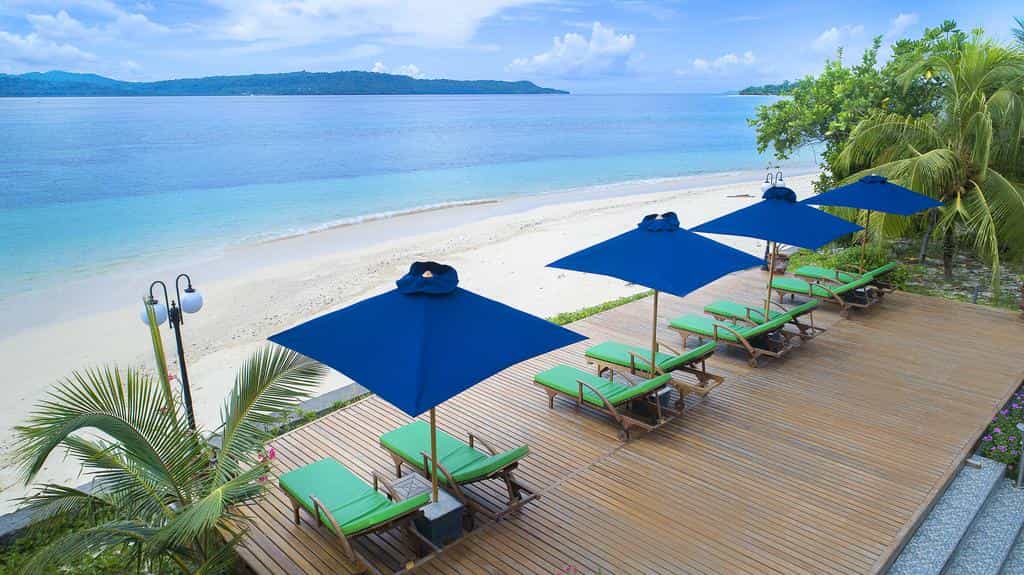
The rise of travel as a lifestyle has significant implications for the global economy and urban development. As more young professionals opt for mobility, we are seeing the growth of "Digital Nomad Hubs" in cities like Lisbon, Bali, and Mexico City. These hubs are reshaping local economies, driving demand for co-working spaces, high-speed infrastructure, and short-term flexible housing.
However, this shift also presents challenges. The "brain drain" in traditional corporate sectors and the potential for gentrification in popular travel destinations are topics of ongoing debate among policymakers. Furthermore, the environmental impact of increased global mobility remains a critical concern, leading to a surge in "sustainable travel" initiatives and carbon-offsetting programs.
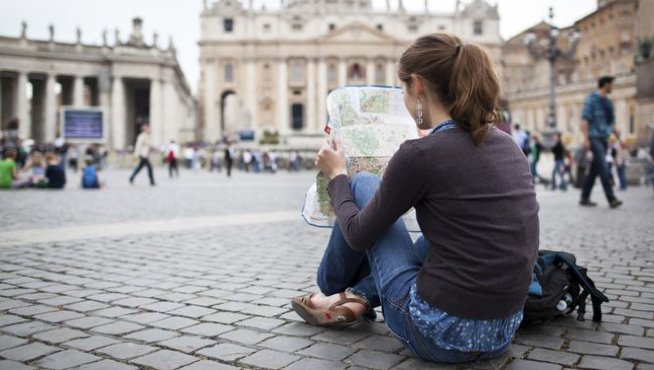
Looking forward, the trend of experience-based investment shows no signs of slowing down. As technology continues to bridge the gap between remote work and global exploration, the distinction between "vacation" and "daily life" will continue to blur. For the modern generation, the world is no longer a map to be looked at, but a landscape to be lived in. The investment in travel is, ultimately, an investment in the self—a hedge against a rapidly changing world by ensuring that one’s most valuable asset is their own breadth of experience and depth of character.
In conclusion, the transition toward a travel-centric lifestyle reflects a sophisticated understanding of modern value. By prioritizing personal growth, cultural intelligence, and experiential wealth, today’s travelers are redefining what it means to live a successful and fulfilling life. The courage to step into the unknown and the willingness to adapt to the diverse tapestry of human culture are the hallmarks of a new era of global citizenship.