Socio Today
The global landscape of personal finance and lifestyle priorities has undergone a seismic shift over the last decade, as the millennial generation increasingly eschews traditional milestones of success in favor of experiential capital. While previous generations, specifically Baby Boomers and Gen X, prioritized the acquisition of tangible assets such as real estate, luxury vehicles, and long-term savings accounts, contemporary young adults are redefining the "good life" through the lens of global mobility. This transition into a travel-centric lifestyle is not merely a fleeting trend but a fundamental change in how the modern workforce perceives value, personal growth, and the pursuit of happiness. In an era where digital connectivity is ubiquitous and the "experience economy" is at its zenith, the act of traveling has transitioned from a seasonal luxury to a core component of personal identity and mental well-being.
The Socio-Economic Context of the Experience Economy
To understand the rise of the travel lifestyle, one must examine the socio-economic environment that has shaped the millennial perspective. Unlike their predecessors, millennials entered a labor market characterized by the 2008 financial crisis, the subsequent rise of the gig economy, and a staggering increase in the cost of living relative to wage growth. With homeownership becoming an increasingly distant goal for many in metropolitan areas, there has been a psychological pivot toward "living in the now." This phenomenon, often categorized by economists as the "Experience Economy," suggests that consumers derive more lasting satisfaction from memories and personal development than from the ownership of physical goods.
Data from various global tourism organizations support this shift. Reports indicate that millennials and Gen Z travelers are now the primary drivers of growth in the tourism sector, prioritizing authenticity, sustainability, and cultural immersion over traditional "packaged" vacations. The democratization of travel, fueled by budget airlines, peer-to-peer lodging platforms like Airbnb, and the proliferation of remote work, has made the nomadic lifestyle more accessible than ever before. For the modern individual, the return on investment (ROI) for a trip to a remote village in Southeast Asia or a hiking expedition in the Andes is measured in terms of perspective, resilience, and networking, rather than interest rates or equity.
Redefining the Pillars of a Travel-Centric Lifestyle
Embracing travel as a lifestyle requires a departure from the conventional "vacation mindset." It involves a strategic reorganization of one’s daily habits, financial planning, and psychological resilience. Based on emerging trends in the travel industry and sociological observations of nomadic communities, several core principles have emerged as essential for those seeking to integrate exploration into their permanent way of life.
The Foundation of Decisiveness and Financial Resourcefulness
The transition from a stationary life to a travel lifestyle begins with a psychological break from the "waiting" trap. Many prospective travelers delay their ambitions until they reach an arbitrary level of wealth or professional stability. However, seasoned travelers and lifestyle experts argue that the primary barrier is often a lack of courage rather than a lack of capital.
The concept of "survival resourcefulness" is critical here. Instead of waiting for a massive windfall, individuals are increasingly adopting "slow travel" or "budget backpacking" techniques that allow them to sustain themselves with existing resources. This involves a shift in financial management: prioritizing a "travel fund" over discretionary spending on fashion or electronics. The objective is to view travel not as an expense to be paid after bills are settled, but as a non-negotiable line item in the monthly budget.
Strategic Fluidity in Planning and Execution
In a professional journalistic analysis of travel trends, a clear distinction is made between "tourists" and "lifestyle travelers." While the former relies on rigid itineraries and pre-booked tours, the latter embraces the concept of "strategic fluidity." The world is inherently unpredictable; weather patterns change, transport delays occur, and local opportunities arise unexpectedly.
A successful travel lifestyle requires the ability to follow the "flow" of the environment. Over-scheduling can lead to burnout and a sense of failure when plans inevitably go awry. By maintaining a flexible framework—knowing the general direction but remaining open to local recommendations—travelers can discover "hidden gems" that are often absent from mainstream guidebooks. This flexibility allows for a more authentic engagement with local communities, which is the cornerstone of the modern travel ethos.
Cultural Intelligence and Cross-Border Adaptability
As travel becomes a lifestyle, the ability to adapt to diverse cultural, linguistic, and social environments becomes a vital skill set. This is often referred to as Cultural Intelligence (CQ). In a globalized world, the most successful travelers are those who can navigate the nuances of local etiquette and communicate across barriers.

Adaptability is not just about being "polite"; it is a survival mechanism. It involves adjusting one’s diet, sleep patterns, and social expectations to match the local context. Whether it is navigating the communal norms of a rural village or the fast-paced digital infrastructure of a tech-heavy city like Seoul, the lifestyle traveler must be a "chameleon." This constant state of adaptation fosters a high level of emotional intelligence and problem-solving ability, traits that are increasingly valued in the global professional market.
The Role of Technology and the Digital Nomad Movement
The rise of the travel lifestyle is inextricably linked to the technological advancements of the 21st century. The timeline of this shift can be traced back to the mid-2000s with the launch of smartphones, followed by the mid-2010s explosion of social media platforms like Instagram, which turned travel into a visual currency. However, the most significant catalyst was the 2020 global pandemic, which normalized remote work and shattered the traditional office-bound employment model.
Today, the "Digital Nomad" movement represents the pinnacle of the travel lifestyle. Governments worldwide are responding to this trend by introducing "Nomad Visas"—special permits that allow remote workers to reside in a country for extended periods without traditional work permits. Countries such as Indonesia (Bali), Portugal, Costa Rica, and Croatia have implemented these policies to attract high-earning young professionals who contribute to the local economy while maintaining their global careers.
Stakeholder Reactions and Industry Implications
The shift toward travel-as-a-lifestyle has prompted diverse reactions from various sectors.
- The Real Estate Market: Property developers are noting a decline in home-buying interest among younger demographics in some regions, leading to a surge in demand for flexible, "co-living" spaces that offer short-term leases and community-centric environments.
- The Corporate World: Human resource departments are increasingly offering "work-from-anywhere" perks as a primary recruitment tool. Companies have realized that allowing employees to travel can lead to higher job satisfaction and reduced turnover.
- Local Communities: While the influx of travelers provides economic benefits, it also raises concerns about "over-tourism" and the gentrification of local neighborhoods. This has led to a growing movement toward "Responsible Travel," where travelers are encouraged to offset their carbon footprints and support local, rather than multinational, businesses.
Analysis of Broader Implications: Self-Discovery and Mental Health
Beyond the economic and logistical aspects, the decision to make travel a lifestyle has profound psychological implications. Psychologists have long noted that "novelty" is a key driver of brain health. Exposure to new environments, languages, and challenges stimulates neuroplasticity, the brain’s ability to form new neural connections.
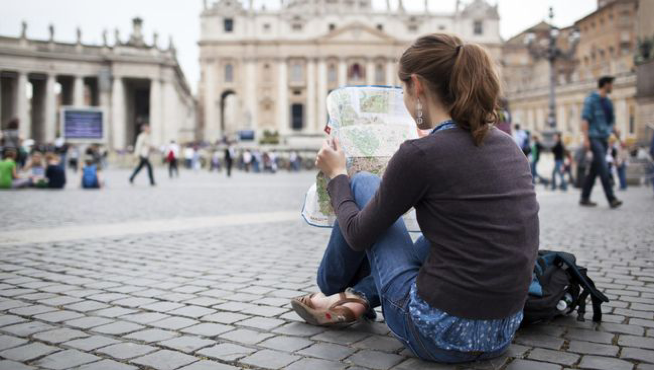
For many, the travel lifestyle is a journey of self-discovery. By removing themselves from the social pressures and expectations of their home environment, individuals are forced to confront their own biases, strengths, and weaknesses. This leads to a more robust sense of self and an increased capacity for empathy. In an increasingly polarized world, the lifestyle traveler serves as a bridge between cultures, fostering a global perspective that is essential for addressing international challenges.
Conclusion: A Future Defined by Mobility
The transition of travel from a temporary escape to a permanent lifestyle is a testament to the changing values of the global population. It represents a rejection of the "deferred life plan"—the idea that one should work for forty years and only enjoy the world during retirement. Instead, the modern generation is choosing to integrate work, life, and exploration into a seamless, albeit challenging, whole.
While the travel lifestyle requires significant courage, adaptability, and a willingness to step outside one’s comfort zone, the rewards are multifaceted. From the development of high-level problem-solving skills to the accumulation of priceless memories and cultural insights, the "investment" in travel continues to pay dividends long after the journey has ended. As technology continues to bridge distances and the global economy becomes more fluid, the travel lifestyle is poised to become the new standard for the 21st-century citizen. The world, once viewed through a screen or a textbook, is now the ultimate classroom and office for those brave enough to pursue it.