Socio Today
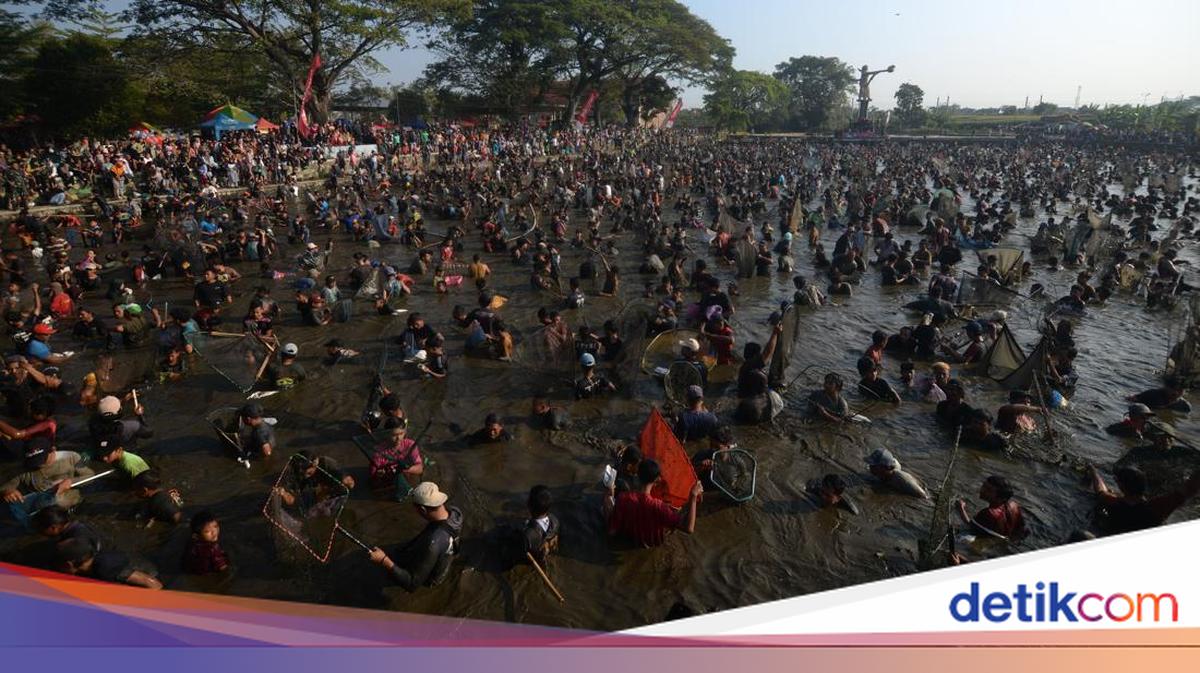
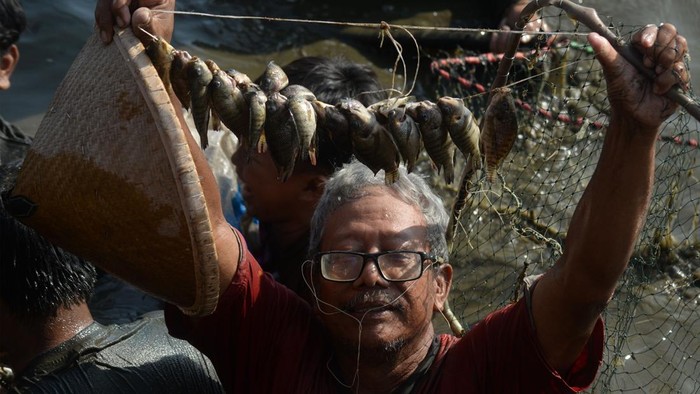
The village of Gemblegan in the Kalikotes district of Klaten, Central Java, transformed into a vibrant hub of communal activity on Sunday, July 19, 2026, as it hosted the annual Festival Memet Ikan. This cultural and nutritional extravaganza drew thousands of participants from across the regency and beyond, all converging on a designated water area to participate in the traditional practice of catching fish by hand or using simple traditional nets. The event, which has become a hallmark of Klaten’s tourism calendar, saw the distribution of approximately two tons of freshwater fish, provided by the local organizing committee to be harvested freely by the public.
The festival serves as a multi-dimensional platform, blending ancient local wisdom with modern public health goals. By 2026, the Memet Ikan tradition has evolved from a simple village custom into a major regional event that underscores the importance of food security, community cohesion, and the promotion of fish as a primary protein source. As the morning sun rose over the lush landscapes of Kalikotes, the atmosphere was thick with anticipation, with families carrying buckets, bamboo baskets, and hand-nets, ready to brave the muddy waters for their share of the bounty.
The Cultural Roots of Memet Ikan
To understand the significance of the 2026 festival, one must look at the cultural heritage of the "Memet" tradition. In the Javanese language, memet refers to the act of catching fish in shallow water using bare hands or rudimentary tools. Historically, this was a post-harvest ritual conducted when irrigation canals or communal ponds were drained. It was a time for celebration, marking the end of a successful planting season and ensuring that the remaining aquatic resources were shared equitably among the villagers.
In the modern era, particularly in Klaten—a regency famously known as the "City of a Thousand Springs" (Kota Seribu Umbul)—the tradition has been revitalized to prevent it from being lost to urbanization. The 2026 iteration of the festival represents a sophisticated effort by the Klaten Regency Government to package intangible cultural heritage into a sustainable tourism product. By preserving the memet method, the community honors its ancestral relationship with the water and the environment, emphasizing a harvest method that is communal rather than industrial.
Chronology of the 2026 Event
The preparations for the Festival Memet Ikan 2026 began several days prior, with the local fishery department and village elders selecting the most suitable species for the event. Two tons of fish, primarily consisting of tilapia (nila), catfish (lele), and various species of carp, were sourced from local aquaculture farms. This selection was intentional, as these species are not only hardy but also highly valued for their nutritional content in the local diet.
On the day of the event, the stocking of the waters took place in the early hours of the morning. By 8:00 AM, the banks of the Gemblegan waterway were lined with thousands of residents, ranging from young children to the elderly. The diversity of the crowd highlighted the intergenerational appeal of the festival. Following a brief opening ceremony by local dignitaries, a signal was given—usually a whistle or a ceremonial gong—prompting a massive, synchronized descent into the water.
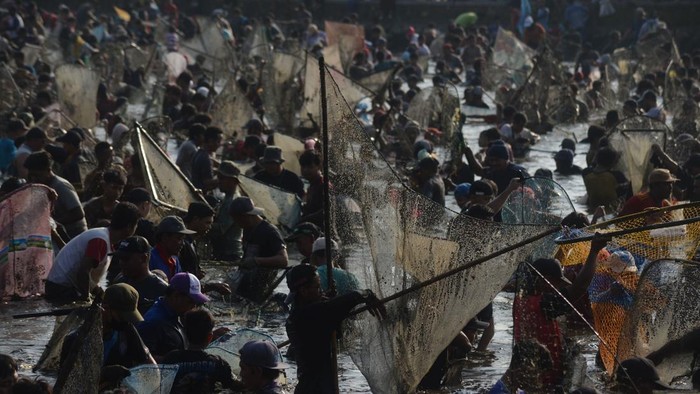
The ensuing scene was one of controlled chaos and immense joy. Participants waded through the knee-deep water, their laughter and shouts echoing across the fields. The "struggle" to catch the slippery fish created a sense of shared struggle and triumph. By midday, most participants emerged from the water, mud-caked but smiling, their containers filled with the day’s catch. The festival did not end at the water’s edge; many families immediately set up makeshift grills nearby, turning the harvest into a communal feast.

Promoting Nutritional Literacy: The Gemarikan Campaign
A core objective of the Festival Memet Ikan 2026 is the advancement of the National Movement to Promote Fish Consumption, known in Indonesia as Gemarikan (Gerakan Memasyarakatkan Makan Ikan). Despite being an archipelagic nation with vast freshwater resources, Indonesia has historically faced challenges in meeting per capita fish consumption targets in certain inland regions.
According to data from the Ministry of Maritime Affairs and Fisheries, increasing fish consumption is a critical component of the national strategy to combat stunting and malnutrition. Fish is a rich source of Omega-3 fatty acids, high-quality protein, and essential minerals. By gamifying the process of obtaining fish through a festival, the Klaten government successfully lowers the psychological and economic barriers to fish consumption.
"The festival is more than just entertainment," noted a representative from the local health office during the event. "It is a direct intervention in public health. When people catch their own food in a celebratory atmosphere, it creates a positive association with healthy eating habits that lasts far beyond the day of the festival."
Economic and Tourism Implications
The 2026 festival also served as a significant economic catalyst for the Kalikotes district. The influx of thousands of visitors created a surge in demand for local services. Small and Medium Enterprises (SMEs) set up stalls selling everything from traditional snacks and beverages to fishing gear and souvenirs.

Preliminary economic assessments suggest that such festivals provide a vital "injection" of liquidity into the village economy. The "multiplier effect" is evident in the increased revenue for local transport providers, food vendors, and nearby homestays. Furthermore, the event places Klaten on the map for domestic and international tourists looking for "authentic" cultural experiences away from the traditional hubs of Yogyakarta and Solo.
The success of the 2026 event is expected to influence the regency’s long-term development plan, which seeks to integrate water-based tourism with agricultural productivity. By showcasing Gemblegan as a model for "Agro-Tourism," Klaten demonstrates how traditional practices can be leveraged to meet 21st-century economic goals.
Social Cohesion and the Spirit of Gotong Royong
Perhaps the most profound impact of the Festival Memet Ikan is its role in strengthening the social fabric. In an age dominated by digital interactions, the festival demands physical presence and cooperation. The concept of Gotong Royong, or mutual cooperation, was on full display as strangers helped one another corner fish or shared their catch with those who were less successful.
The festival acts as a leveler, where social hierarchies disappear in the mud. Officials, farmers, students, and tourists all participate on equal footing. This communal harmony is vital for maintaining stability and a sense of belonging within the regency. The 2026 event specifically included "zones" for children, ensuring that the younger generation learns the value of community and tradition in a safe and engaging environment.
Logistics and Environmental Management
Organizing an event of this scale required meticulous planning, particularly regarding environmental impact. The Klaten Regency Government collaborated with environmental agencies to ensure that the "Memet" activities did not degrade the local water quality or damage the banks of the waterway.
Waste management teams were deployed to handle the refuse generated by the crowds, and participants were encouraged to use reusable containers rather than plastic bags for their catch. The fish used in the festival were also screened for health, ensuring that the public received high-quality, disease-free protein. This attention to detail reflects a maturing approach to event management in Indonesia’s rural districts, where sustainability is increasingly prioritized alongside spectacle.
Future Outlook and Sustainability
As the 2026 Festival Memet Ikan concluded, discussions were already underway regarding the expansion of the event for 2027. Local leaders are considering increasing the volume of fish distributed and incorporating educational workshops on sustainable aquaculture alongside the main event.
The festival stands as a testament to the resilience of Javanese culture and its ability to adapt to modern needs. By successfully linking tradition with nutrition, economy, and tourism, Klaten has created a blueprint for other regions to follow. The "two tons of fish" may have been the immediate draw, but the lasting legacy of the festival lies in the strengthened community bonds and the renewed appreciation for the bounty of the land and water.
In the broader context of Central Java’s development, the Festival Memet Ikan is a shining example of how local wisdom can drive regional progress. As the residents of Klaten returned to their homes on Sunday evening, their baskets heavy with fish, they carried with them more than just a meal; they carried the spirit of a tradition that continues to nourish both the body and the soul of the community.