Socio Today
The United States government is currently conducting a comprehensive review of a proposed 10-day ceasefire between Iran and Israel, a diplomatic initiative spearheaded by Qatar in coordination with a coalition of regional mediators. Reports emerging from Washington on Monday night, July 20, 2026, indicate that the Biden-Trump transition era’s foreign policy framework is being tested as the administration of President Donald Trump evaluates the feasibility of the temporary truce. According to sources cited by Axios, the White House has simultaneously issued a direct appeal to the Israeli government, urging Prime Minister Benjamin Netanyahu’s cabinet to exercise restraint and avoid any unilateral military actions that could potentially jeopardize the delicate diplomatic window opened by the mediators.
The proposal arrives at a critical juncture for Middle Eastern stability, following weeks of escalating kinetic exchanges and a deteriorating security environment that has threatened to engulf the broader region in a multi-front conflict. The diplomatic package was formally submitted by a consortium of intermediaries, including Qatar, Egypt, and Pakistan, alongside several other regional stakeholders who have expressed deepening concern over the potential for a full-scale regional war. This multilateral effort underscores the gravity of the current tensions, as nations across the Middle East and South Asia seek to mitigate the risks of a total collapse in regional security.
The Strategic Framework of the 10-Day Ceasefire Proposal
The core of the proposal involves a complete cessation of hostilities for a duration of 10 days, intended to serve as a "cooling-off" period. Unlike previous short-term truces, this specific framework includes a significant economic and maritime component: the guaranteed reopening and safe passage of commercial vessels through the Strait of Hormuz. The Strait, a vital chokepoint through which approximately 21% of the world’s total petroleum liquids consumption passes daily, has seen increased volatility and restricted movement due to recent naval posturing by Iranian forces and retaliatory threats from the West.
Beyond the immediate halt of missile and drone exchanges, the proposal aims to create the necessary political space for Washington and Tehran to revisit a previously negotiated Memorandum of Understanding (MoU). This MoU, which had been sidelined by recent hostilities, reportedly contains provisions for de-escalating the nuclear standoff and establishing a baseline for maritime security in the Persian Gulf. By securing a 10-day window, mediators hope to prevent the permanent abandonment of these diplomatic channels, which remain the only viable alternative to a protracted military campaign.
Chronology of the Crisis: The Road to the July 2026 Tensions
The current crisis did not emerge in a vacuum but is the result of a series of escalatory events that began in early 2026. To understand the significance of the Qatari-led proposal, it is essential to trace the timeline of the preceding months:
- January 2026: Following a breakdown in indirect talks regarding regional influence and nuclear enrichment levels, tensions began to rise as both Iran and Israel increased their military rhetoric.
- March 2026: A series of cyberattacks targeting critical infrastructure in both nations led to increased "gray zone" warfare, resulting in localized disruptions to power grids and maritime logistics.
- May 2026: Maritime security incidents in the Gulf of Oman escalated after several commercial tankers were intercepted, leading to a spike in global oil prices and a buildup of international naval assets in the region.
- June 15, 2026: A significant exchange of long-range assets occurred, with Israel targeting what it described as "advanced weapons manufacturing sites" and Iran responding with a barrage of unmanned aerial vehicles (UAVs) directed at regional military hubs.
- July 10-18, 2026: Intensive shuttle diplomacy began in Doha. Representatives from Egypt and Pakistan joined Qatari officials to draft a de-escalation roadmap, culminating in the proposal delivered to Washington and Tel Aviv this week.
Washington’s Deliberations and the Trump Administration’s Stance
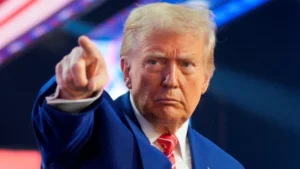
President Donald Trump’s administration has adopted a posture of "cautious evaluation" regarding the 10-day proposal. While the administration has historically emphasized a "maximum pressure" or "strength-first" approach toward Tehran, the current economic realities—specifically the threat to global energy markets—have necessitated a more nuanced diplomatic response. Officials in Washington have confirmed that the Department of State and the National Security Council are analyzing the specific verification mechanisms of the ceasefire to ensure that any pause in fighting is not merely used by Iran to regroup or resupply its regional proxies.
Simultaneously, the U.S. has signaled to Israel that while it remains fully committed to Israeli security, it views the current diplomatic track as a necessary step to prevent a catastrophic regional conflagration. The request for Israel to avoid "sabotaging" the path of diplomacy suggests a concern within the U.S. intelligence community that a pre-emptive strike or a significant retaliatory measure could be imminent, which would render the Qatari proposal obsolete before it could be implemented.
Military Readiness and the Israeli Perspective
Despite the diplomatic flurry, the Israeli Defense Forces (IDF) have reportedly moved to a state of high combat readiness. Military analysts in Tel Aviv suggest that the IDF is preparing for two distinct scenarios: a successful implementation of the ceasefire, or a rapid transition to a "full-scale military campaign" should the talks fail. The Israeli security cabinet remains skeptical of Tehran’s intentions, with some officials arguing that a 10-day pause provides Iran with a strategic advantage to fortify its defensive positions and recalibrate its missile batteries.
The IDF’s increased alert status includes the mobilization of reserve units and the deployment of advanced missile defense systems across the northern and southern districts. Israeli officials have publicly stated that while they are reviewing the proposal in coordination with their American allies, their primary responsibility remains the "uncompromising protection of Israeli sovereignty."
The Strait of Hormuz: A Global Economic Imperative
One of the most compelling aspects of the proposal is the focus on the Strait of Hormuz. The economic data surrounding this waterway explains why international mediators are so desperate for a resolution. According to the U.S. Energy Information Administration (EIA), more than 20 million barrels of oil pass through the Strait daily. Any prolonged closure or significant disruption would likely lead to:
- Global Energy Price Spikes: Analysts predict that a failure to secure the Strait could lead to Brent Crude prices exceeding $150 per barrel within days.
- Increased Shipping Insurance: War risk premiums for tankers operating in the Persian Gulf have already tripled in the last month; a ceasefire would provide much-needed relief to the global logistics sector.
- Supply Chain Disruptions: Beyond oil, the Strait is a primary route for Liquefied Natural Gas (LNG) from Qatar, a major supplier to Europe and Asia.
By including the Strait of Hormuz in the 10-day ceasefire agreement, the mediators have effectively tied regional peace to global economic stability, increasing the pressure on both Washington and Tehran to accept the terms.
Reactions from Regional Power Players
The involvement of Pakistan alongside Egypt and Qatar adds a unique dimension to this diplomatic push. Pakistan’s role is seen by experts as an attempt to bridge the gap between the Sunni-majority Arab states and Iran, leveraging Islamabad’s long-standing, albeit complex, relationship with Tehran.
- Egypt: Sources in Cairo indicate that the Egyptian government is particularly concerned about the impact of a wider war on Suez Canal traffic and regional tourism, both of which are vital to the Egyptian economy.
- Qatar: As the primary mediator, Doha has emphasized that the 10-day period is not a final solution but a "necessary bridge" to prevent a total breakdown of order.
- Iran: While Teheran has not officially confirmed its acceptance of the 10-day term, state-aligned media has hinted that the government might be open to a "temporary cessation" if it leads to the easing of certain maritime restrictions.
Analysis of Potential Outcomes and Implications
The success or failure of this proposal will likely define the geopolitical landscape of the Middle East for the remainder of the decade. There are three primary paths forward:
Scenario A: The Ceasefire Holds. If both parties adhere to the 10-day truce, it would mark the first significant diplomatic breakthrough in years. This could lead to the stabilization of oil markets and provide a foundation for a more permanent security architecture in the Gulf. It would also validate the role of regional mediators like Qatar and Pakistan as essential players in global conflict resolution.
Scenario B: The Ceasefire is Violated. Should a proxy group or a localized military command break the truce, the resulting escalation would likely be more severe than the current state of affairs. Both sides would feel justified in pursuing "total war," believing that diplomacy has been exhausted.
Scenario C: Failure to Reach an Agreement. If the U.S. or Israel rejects the proposal based on security concerns, the region enters an era of extreme unpredictability. Washington is reportedly preparing "contingency options" for this outcome, which likely include increased naval escorts for commercial shipping and intensified sanctions.
Conclusion: A Fragile Window for Peace
As the world watches the deliberations in Washington and the military movements in the Middle East, the 10-day ceasefire proposal stands as a fragile but essential lifeline. The integration of maritime security, economic stability, and traditional military de-escalation makes this a unique diplomatic endeavor. However, the high status of military readiness in Israel and the inherent mistrust between Washington and Tehran suggest that the path to implementing this truce remains fraught with obstacles.
The next 48 hours are expected to be decisive. If the Trump administration can coordinate a unified response with its regional allies, the world may see a temporary reprieve from the specter of a major conflict. If not, the mobilization currently witnessed across the Middle East suggests that the window for diplomacy may be closing, leaving the fate of the region to the unpredictable tides of military engagement. For now, the global community remains in a state of anxious anticipation, hoping that the 10-day proposal can provide the necessary respite to prevent a wider catastrophe.