Socio Today
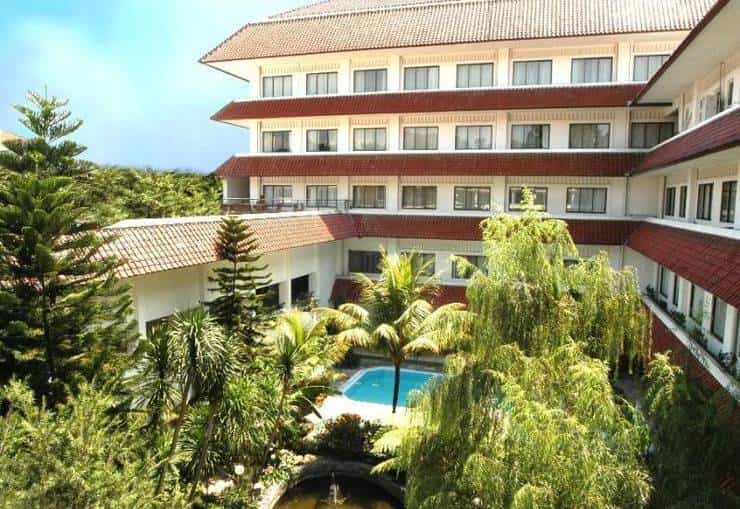
Located in the heart of Bogor, West Java, Hotel Salak The Heritage stands as a silent witness to more than a century and a half of Indonesian history. Situated at Jalan Ir. H. Juanda No. 8, this four-star establishment is more than just a place of lodging; it is a preserved architectural monument that bridges the gap between the colonial era of the Dutch East Indies and the modern era of the Republic of Indonesia. The hotel’s strategic position, directly adjacent to the Bogor Presidential Palace and the world-renowned Bogor Botanical Gardens, underscores its historical and political significance. With its distinct Dutch colonial architecture characterized by high ceilings, thick walls, and grand windows, the hotel offers a unique aesthetic that distinguishes it from contemporary glass-and-steel skyscrapers. Today, it serves as a premier destination for both domestic and international tourists seeking a blend of cultural immersion and luxury service.
Historical Genesis: From Bellevue-Dibbets to a National Treasure
The origins of Hotel Salak The Heritage date back to 1856, a period when Bogor was known as Buitenzorg—a Dutch word meaning "without a care." The city served as a tranquil retreat for colonial officials escaping the heat and congestion of Batavia (now Jakarta). The hotel was originally established by the family of Governor-General Charles Ferdinand Pahud, who served as the Governor-General of the Dutch East Indies from 1856 to 1861. At its inception, it was named the Bellevue-Dibbets Hotel.
During the mid-19th century, the hotel primarily functioned as a high-end accommodation for officials of the Dutch East India Company (VOC) and later for the Dutch colonial government. Its proximity to the Buitenzorg Palace (now Istana Bogor) made it an essential facility for visiting dignitaries and high-ranking administrators. The architecture reflected the "Indische Empire" style, a fusion of European neoclassical elements adapted to the tropical climate of Java. This design philosophy prioritized natural ventilation and grand proportions, elements that are still meticulously preserved in the hotel’s current structure.
A Chronology of Transformation and Resilience
The history of Hotel Salak The Heritage is inextricably linked to the broader geopolitical shifts in Southeast Asia. Over the decades, the property has undergone several ownership changes and rebrandings, reflecting the turbulent history of the Indonesian archipelago.
- 1856–1942: The Colonial Era. For nearly a century, the Bellevue-Dibbets Hotel was the epicenter of social life for the Dutch elite in Buitenzorg. It was renowned for its lavish parties and high-class European hospitality.
- 1942–1945: The Japanese Occupation. During World War II, the Japanese Imperial Army invaded the Dutch East Indies. The hotel was seized and converted into a military headquarters for the Japanese forces. Its strategic location near the palace made it an ideal command center during the occupation.
- 1945–1950: The Transition to Independence. Following Indonesia’s proclamation of independence in 1945 and the subsequent diplomatic and military struggles, the hotel was eventually nationalized. It was renamed Hotel Salak, taking its name from Mount Salak, the imposing volcanic peak that dominates the Bogor skyline.
- 1998–Present: The Heritage Era. In the late 1990s, the hotel underwent significant renovations to modernize its facilities while preserving its historical integrity. It was rebranded as "Hotel Salak The Heritage" to emphasize its status as a cultural landmark.
Architectural Grandeur and Modern Facilities
Despite its 19th-century roots, Hotel Salak The Heritage has evolved into a comprehensive hospitality complex. The property currently boasts 140 guest rooms, each designed to provide a "classic luxury" experience. The interior design often incorporates vintage wooden furniture, ornate light fixtures, and marble accents that evoke a sense of nostalgia.
Beyond its guest rooms, the hotel has positioned itself as a hub for MICE (Meetings, Incentives, Conferences, and Exhibitions) tourism in Bogor. It features 16 meeting rooms and several ballrooms, making it a preferred venue for government seminars, corporate workshops, and high-profile weddings. The facilities are supported by modern technology, including high-speed Wi-Fi and advanced audiovisual systems, ensuring that the historical setting does not compromise modern functionality.
For leisure, the hotel provides an array of amenities designed to cater to diverse interests. These include:
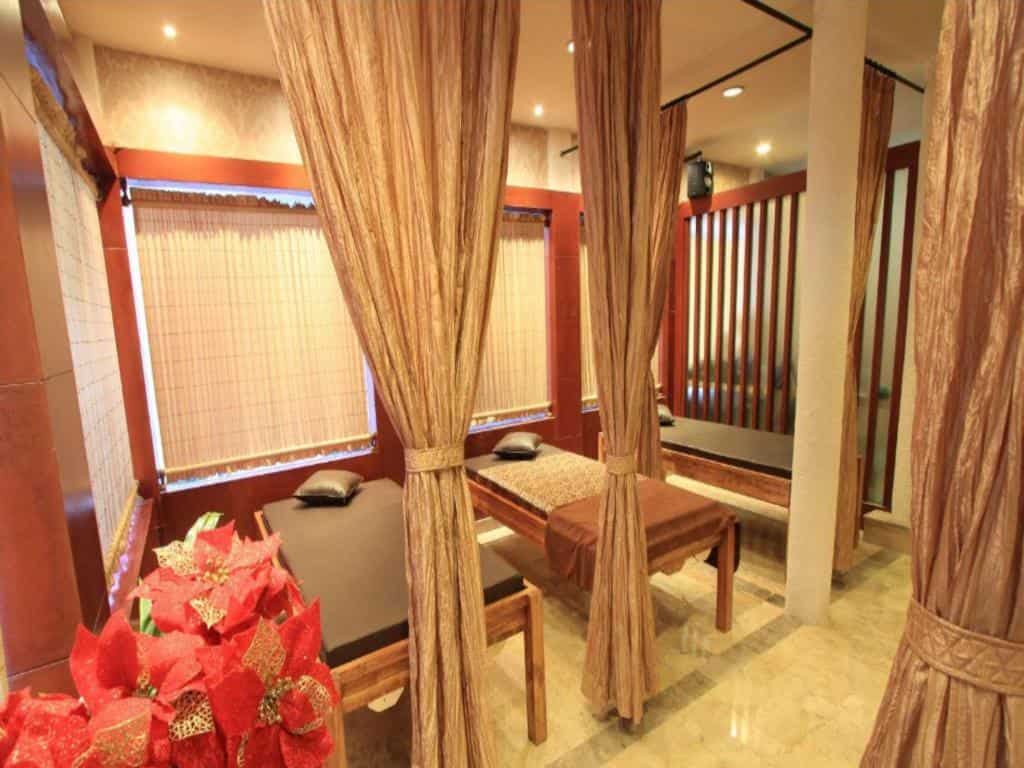
- The Fitness Center and Spa: Offering modern exercise equipment and traditional Javanese wellness treatments.
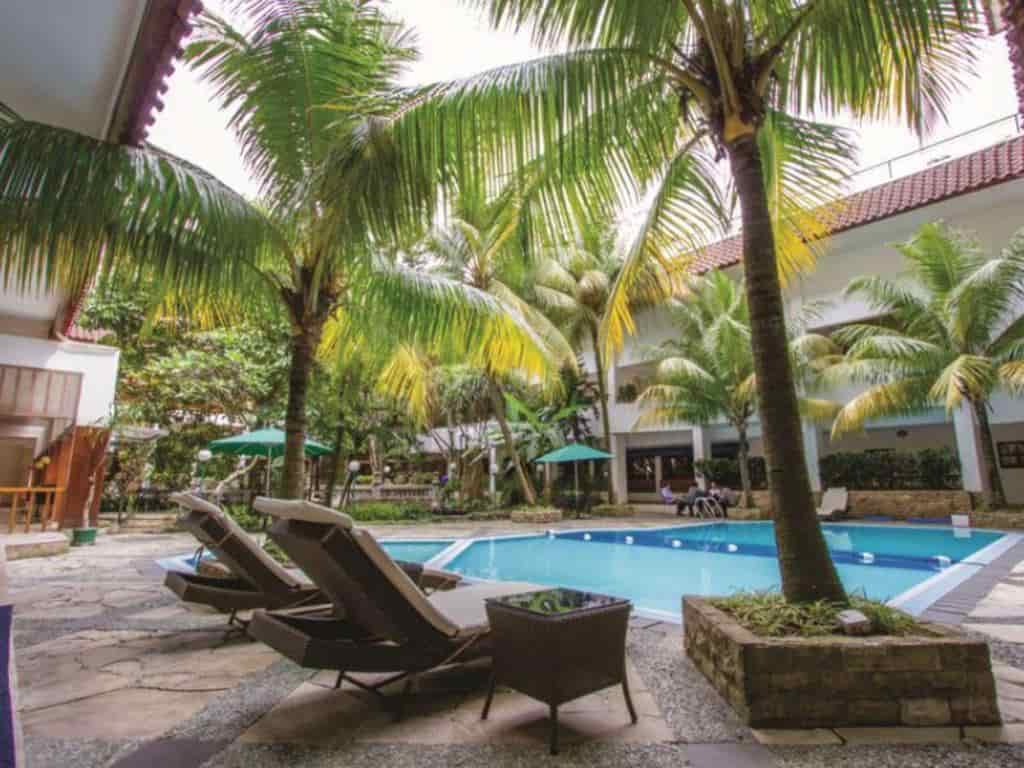
- The Swimming Pool: An outdoor facility that offers a serene environment amidst the cool Bogor air.
- Dining Outlets: The hotel houses several restaurants and cafes, including the Rafflesia Lounge and the Kanari Cafe, which serve a mix of authentic Indonesian dishes, Dutch-influenced snacks, and international cuisine.
- Recreational Facilities: Guests have access to billiards, karaoke rooms, and a well-stocked library, reflecting the hotel’s commitment to providing a holistic guest experience.
Strategic Location: The Heart of Bogor’s Tourism
One of the hotel’s most significant competitive advantages is its proximity to Bogor’s primary landmarks. Within a radius of less than one kilometer, guests can access:
- Bogor Presidential Palace (550 meters): One of the six presidential palaces in Indonesia, known for its herd of spotted deer and its neoclassical architecture.
- Bogor Botanical Gardens (710 meters): Established in 1817, these gardens are the oldest in Southeast Asia and house thousands of species of tropical plants.
- Museum of Zoology (630 meters): A repository for an extensive collection of preserved fauna from across the archipelago.
- Mount Halimun Salak National Park (520 meters to the entrance office): Providing a gateway for nature enthusiasts interested in trekking and biodiversity.
This central location makes the hotel an ideal base for "staycation" travelers from Jakarta who wish to explore the city’s heritage and natural beauty without enduring long commutes.
International Recognition and the 2006 Presidential Visit
The reputation of Hotel Salak The Heritage as a world-class establishment was solidified in 2006 during the state visit of United States President George W. Bush. Given the high-security requirements and the logistical complexity of a U.S. presidential visit, the choice of Hotel Salak as a primary service provider was a testament to its operational excellence.
The hotel received a "Certificate of Appreciation" from the White House Communications Agency for its impeccable service and coordination during the visit. This accolade remains a point of pride for the management and staff, serving as a benchmark for the level of hospitality the hotel strives to maintain. Historical analysts suggest that the selection of Hotel Salak for such a high-profile event was due to its long-standing tradition of hosting dignitaries, dating back to the VOC era.
Analysis: The Role of Heritage Hotels in Modern Tourism
The continued success of Hotel Salak The Heritage highlights a growing trend in the global tourism industry: the "experience economy." Modern travelers are increasingly moving away from standardized, cookie-cutter hotel chains in favor of properties that offer a sense of place and historical narrative.
By maintaining its Dutch colonial identity, Hotel Salak provides an educational experience alongside its lodging services. It acts as a "living museum," where guests can interact with history. However, this also presents challenges. The maintenance of a building that is over 160 years old requires significant investment to ensure structural integrity and compliance with modern safety standards. The balance between preservation and modernization is a delicate one, but Hotel Salak has successfully navigated this by integrating contemporary amenities within a vintage framework.
Furthermore, the hotel contributes significantly to the local economy. As a major employer in Bogor, it supports hundreds of families and stimulates local businesses, from suppliers of fresh produce to local transport providers. Its presence as a landmark also encourages the preservation of the surrounding "Old Town" district of Bogor, advocating for urban planning that respects historical aesthetics.
Conclusion and Future Outlook
Hotel Salak The Heritage remains an icon of Bogor’s landscape. From its beginnings as a colonial retreat for the Dutch elite to its current role as a guardian of Indonesian hospitality, the hotel has proven its ability to adapt to changing times while staying true to its roots. Its blend of historical charm, strategic location, and award-winning service ensures that it will remain a cornerstone of West Javanese tourism for years to come.
As Bogor continues to develop as a satellite city to Jakarta and a primary tourism hub, the role of heritage sites like Hotel Salak becomes even more critical. They provide the city with its unique character and serve as a reminder of the complex, multicultural history that has shaped modern Indonesia. For the traveler, a stay at Hotel Salak The Heritage is not just a night in a hotel; it is an invitation to step back in time and experience the grandeur of a bygone era, delivered with the warmth and professionalism of modern Indonesian hospitality.