Socio Today
Selebgram Laras Kinanda is currently under intense scrutiny from netizens following the circulation of a photograph featuring her alongside well-known Indonesian personality Denny Sumargo. The image, shared on her Threads account, has ignited a firestorm of criticism, with many users deeming Kinanda’s attire in the picture as excessively revealing and inappropriate. This incident has brought to the forefront discussions surrounding online image projection, public perception, and the responsibilities of social media influencers.
The controversy erupted on Tuesday, July 21, 2026, when the photo, accompanied by Kinanda’s commentary, began to gain traction. Kinanda, who boasts a substantial following of over 108,000 on Instagram, found herself at the center of a digital storm, with comments ranging from outright condemnation to expressions of disappointment. The core of the criticism appears to stem from the perceived provocative nature of her clothing in the photograph, which many interpreted as an attempt to solicit attention in a manner deemed inappropriate for public display, especially when alongside a figure like Denny Sumargo, who has a considerable public profile.
The Photo and Initial Reactions
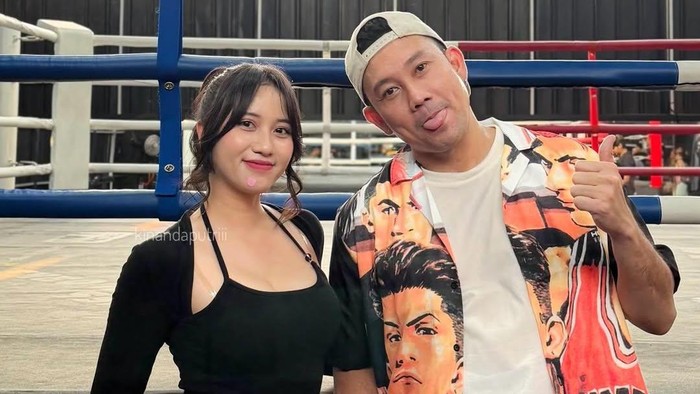
The image in question depicts Laras Kinanda wearing a form-fitting black outfit with a halter-neck design, which wraps around her neck. Standing beside her is Denny Sumargo. The context provided by Kinanda in her Threads post suggests the photograph was taken during a collaborative content creation session. However, the visual impact of the attire, combined with the association with a prominent figure, seems to have overridden any intended narrative for a significant portion of the online audience.
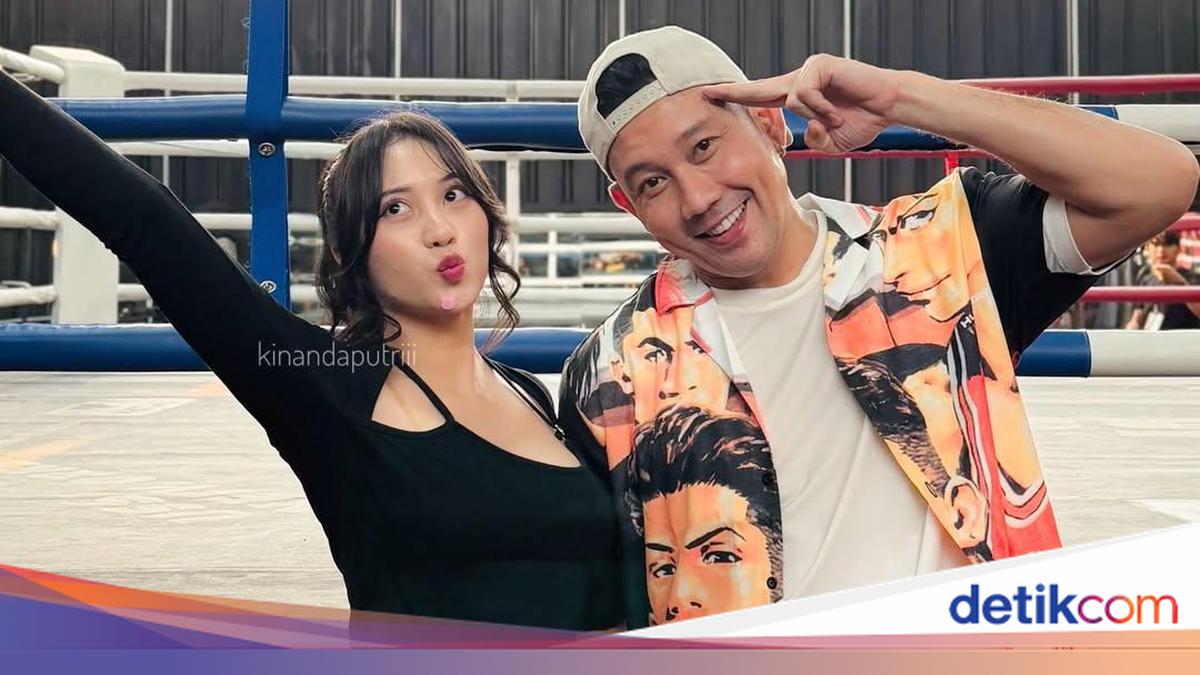
The immediate reaction on social media platforms was swift and largely negative. Users flooded comment sections and shared the image with critical captions, accusing Kinanda of seeking attention through provocative means. Phrases like "too sexy" and "inappropriate" became commonplace in the discourse surrounding the post. This type of public backlash is not uncommon for influencers who venture into territory perceived as pushing boundaries, highlighting the delicate balance between personal expression and public accountability in the digital age.
Kinanda’s Clarification and Defense
In response to the escalating criticism, Laras Kinanda issued a clarification, attempting to contextualize the photograph and address the accusations of deliberately provocative behavior. She explained that the image was not a spontaneous or personal post intended to be sensational but rather a byproduct of a professional content collaboration.
According to Kinanda’s statement, the photo was taken during her second content creation session with Denny Sumargo for his YouTube channel. She elaborated that this collaboration was not a solo endeavor and that other individuals were present, including Olivia Allan, who was behind the camera. To substantiate her claim, Kinanda shared an additional photograph that appeared to show Olivia Allan in the background during the same filming session.
Kinanda’s explanation aimed to reframe the narrative, emphasizing that the outfit choice was likely dictated by the nature of the content being produced and that her interaction with Denny Sumargo was strictly professional. She stated, "Okay, so here’s the thing, guys, for those who are criticizing me and those who don’t know yet. Back in March, I first started creating content with Bang Densu (Denny Sumargo) and Ci Oliv. The photo in the ring boxing was taken during the second content creation with Bang Densu for his YouTube channel." This chronological detail is crucial, suggesting that the photo is not a recent personal choice but a captured moment from a past professional engagement.
Establishing Professional Boundaries
Further reinforcing her stance, Kinanda explicitly addressed the nature of her relationship with Denny Sumargo, asserting that it was purely professional. She wrote, "Thank you for your attention. My relationship with Bang Densu is purely professional and as work partners, guys. No weird vibes at all. Hope this clears things up." This statement was a direct attempt to preempt any assumptions about personal involvement or romantic undertones, which can often fuel speculative gossip in celebrity-adjacent online interactions.
The inclusion of Olivia Allan in the explanation serves a dual purpose: it not only adds credibility to Kinanda’s account of a collaborative environment but also implicitly leverages Allan’s own respected public persona. By highlighting Allan’s presence, Kinanda seeks to signal that the situation was overseen and approved within a professional framework, thereby diminishing the likelihood of impropriety.
Background of Collaborations and Social Media Influence
Laras Kinanda’s presence on social media, particularly her substantial Instagram following, positions her as an influencer. Influencers often engage in sponsored content, collaborations with brands, and partnerships with other public figures. These activities are a significant part of their livelihood and require a strategic approach to content creation that balances audience engagement with professional integrity.
Denny Sumargo, often referred to as "Bang Densu," is a prominent figure in Indonesian entertainment, known for his background as a former professional basketball player and his current ventures as an actor, presenter, and YouTuber. His public image is generally perceived as positive and family-oriented. Collaborations with him often lend credibility and wider reach to the participating individuals or projects.
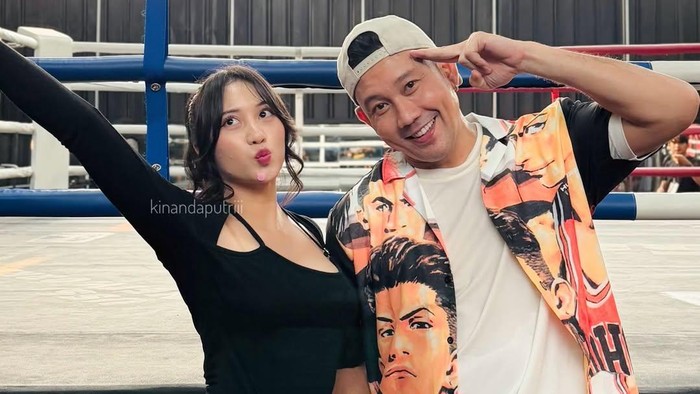
The incident underscores the inherent risks and challenges faced by social media personalities. A single piece of content, even if intended for a specific professional purpose, can be decontextualized and subjected to widespread public judgment. The rapid dissemination of information and opinions on social media means that a perceived misstep can quickly escalate into a significant public relations issue.
The Role of Threads and Online Discourse
The choice of Threads as the platform for Kinanda’s initial post and subsequent clarification is also noteworthy. Threads, a text-based social media platform launched by Meta, has become a space for more direct and immediate communication, often fostering a sense of informal dialogue. However, this informality can also lead to less filtered reactions and a quicker amplification of public sentiment.
The online discourse surrounding Kinanda’s post also reflects broader societal attitudes towards female presentation and sexuality, particularly in the context of public figures. The immediate labeling of her attire as "too sexy" suggests that certain aesthetic choices are still subject to moralistic judgment, even within a professional setting. This can create a chilling effect on individuals’ freedom of expression and professional choices.
Broader Implications and Analysis
The Laras Kinanda-Denny Sumargo photo controversy offers several key takeaways:

- Content Context is Crucial: The incident highlights the importance of providing clear context for any visual content shared online. Without adequate explanation, images can be easily misinterpreted, leading to unfair judgments.
- Influencer Responsibility: Social media influencers carry a degree of responsibility for the content they produce and share, given their public platforms. This responsibility extends to considering the potential impact of their visuals on public perception.
- The Power of Public Opinion: Netizen reactions, while sometimes harsh, are a powerful force in shaping public discourse and can significantly impact the reputation of public figures.
- Navigating Professional Boundaries: The case illustrates the complexities of maintaining professional boundaries in the entertainment and influencer industries, especially when collaborations involve close proximity and visually impactful content.
- Digital Scrutiny: The digital age means that public figures are under constant scrutiny. Every action and every piece of shared content can be dissected and debated, requiring a robust strategy for managing online reputation.
While Kinanda’s clarification aimed to diffuse the situation by emphasizing the professional nature of the interaction and the context of content creation, the initial wave of criticism demonstrates the challenges of controlling narratives in the fast-paced digital environment. The incident serves as a reminder that even seemingly straightforward professional collaborations can become fodder for public debate and judgment when shared online, especially when visual elements are open to interpretation. The ongoing evolution of social media platforms and their influence on public perception will continue to shape how such incidents are handled and understood in the future. The ability of public figures to effectively communicate context and intent will remain paramount in navigating the often-turbulent waters of online discourse.