Socio Today
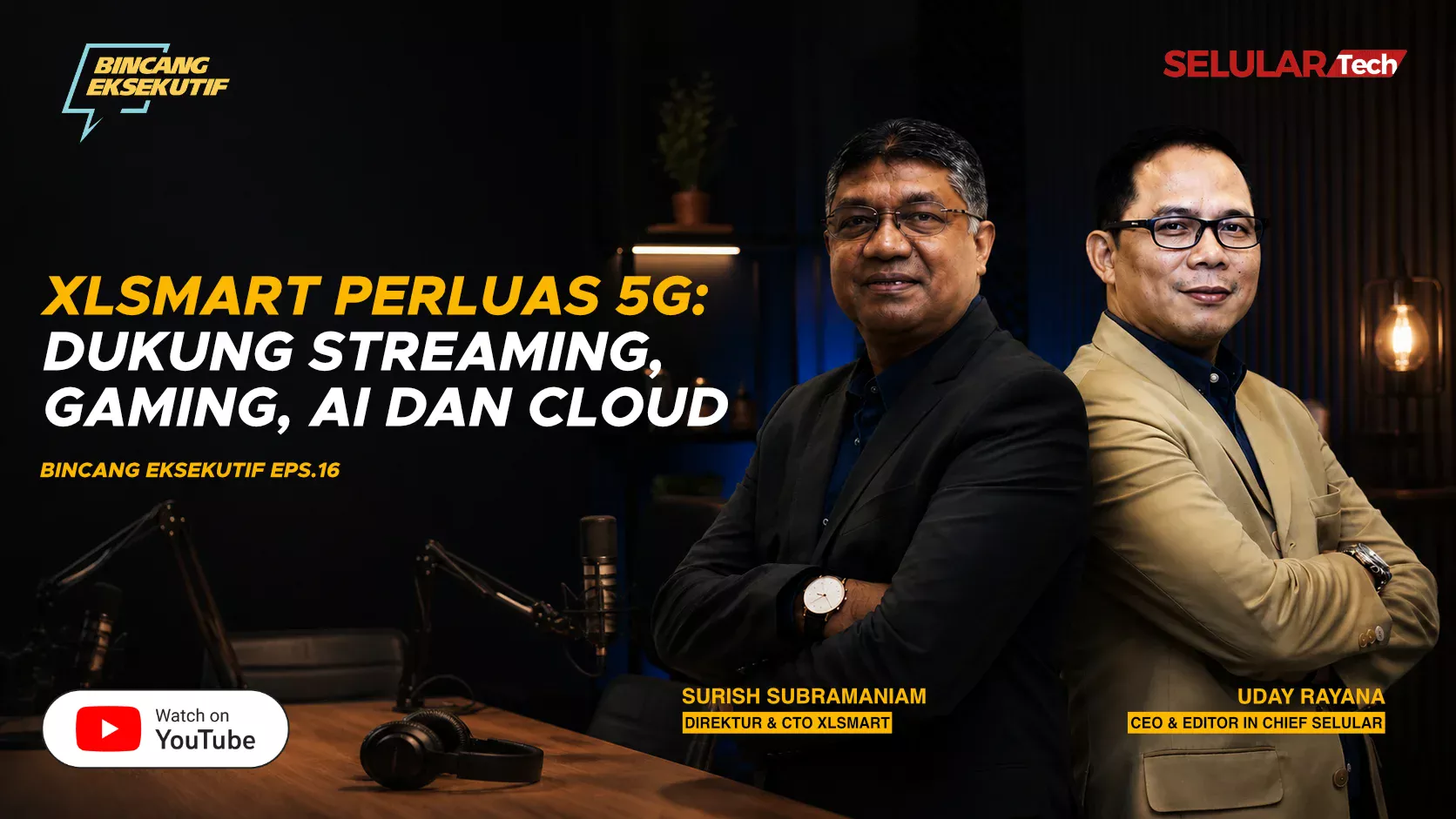
Surish Subramaniam, Director and Chief Technology Officer of XLSmart, has unveiled an ambitious strategy to significantly accelerate the company’s 5G network expansion across Indonesia. In what marks its first full year of operations following a strategic integration, XLSmart is prioritizing a "blanket coverage" approach in key strategic cities to deliver a faster, more stable, and seamless digital experience for its rapidly growing subscriber base. This aggressive rollout underscores the company’s commitment to spearheading Indonesia’s digital transformation, leveraging its extensive infrastructure to meet the burgeoning demand for high-speed, low-latency connectivity.
Strategic Vision: Blanket Coverage Explained
The "blanket coverage" strategy articulated by Subramaniam represents a departure from the more common initial 5G deployments that often focus on limited hot zones or specific urban centers. Instead, XLSmart aims for comprehensive, wall-to-wall 5G signal penetration within selected strategic cities. This means ensuring robust 5G connectivity not just in commercial districts or high-traffic areas, but also in residential zones, public spaces, and even challenging indoor environments. The objective is to eliminate "dead zones" and provide a consistently superior user experience, which is critical for applications that demand uninterrupted connectivity, such as cloud gaming, high-definition streaming, real-time artificial intelligence (AI) processing, and sophisticated cloud-based enterprise solutions.
Subramaniam elaborated on the rationale behind this intensive approach, stating that mere availability of 5G in scattered locations is insufficient to unlock its full potential. "Our goal is not just to have 5G; it’s to make 5G a truly transformative force in our users’ daily lives," he explained during a candid discussion with Uday Rayana, CEO and Editor-in-Chief of Selular. "Blanket coverage ensures that our customers can truly rely on 5G for all their digital needs, from streaming their favorite content seamlessly on the go to engaging in competitive online gaming without lag, and even powering the next generation of AI-driven applications directly from their devices." This comprehensive deployment also aims to future-proof the network against increasing data demands and the proliferation of connected devices, setting a new benchmark for network reliability and performance in the Indonesian market.
The Post-Merger Imperative: XLSmart’s Foundation
The accelerated 5G expansion is particularly significant as XLSmart navigates its first full year since its formation through a major strategic integration. While the specific details of the merger are subject to corporate disclosures, the implication is a consolidation of assets, expertise, and market reach from two previously distinct entities – likely XL Axiata and Smartfren, given the composite name and market context. Such mergers are typically driven by the pursuit of synergistic benefits, including enhanced operational efficiency, expanded customer bases, and, critically, the pooling of infrastructure resources for more effective network deployment. The combined entity benefits from a larger spectrum portfolio, a more extensive physical network footprint, and a consolidated financial position to fund ambitious projects like a national 5G rollout.
This integration provides XLSmart with a formidable foundation, enabling it to fast-track its 5G agenda. The merger process itself, while complex, has likely streamlined decision-making and resource allocation, allowing for a more unified and aggressive market strategy. The post-merger period is often a critical window for new entities to demonstrate their combined strength and market leadership, and XLSmart’s aggressive 5G push appears to be a direct manifestation of this strategic imperative. It positions the company not just as a participant, but as a potential frontrunner in Indonesia’s evolving telecommunications landscape.
Indonesia’s 5G Ambition: A Broader Context
Indonesia, as Southeast Asia’s largest economy and a nation with a rapidly growing digital population, views 5G as a cornerstone of its national digital transformation agenda, "Making Indonesia 4.0." The government, through the Ministry of Communication and Information Technology (Kominfo), has been actively promoting 5G adoption, recognizing its potential to boost economic growth, enhance productivity across industries, and improve public services. However, the rollout of 5G in Indonesia has faced several challenges, including the availability of optimal spectrum frequencies, the high capital expenditure required for infrastructure development, and the vast geographical expanse of the archipelago, which includes thousands of islands.
Early 5G deployments by various operators in Indonesia initially focused on limited areas, primarily to demonstrate capabilities and gauge market readiness. XLSmart’s shift to "blanket coverage" in strategic cities signifies a maturing market and a more confident, large-scale investment strategy. This move aligns with broader national aspirations to accelerate digital equity and ensure that the benefits of advanced connectivity are accessible to a wider segment of the population, thereby contributing to the development of smart cities, advanced manufacturing, and a thriving digital economy.
Deployment Timeline and Milestones
XLSmart’s commitment to rapid expansion is evidenced by concrete targets. By the end of March 2026, the company’s 5G network is projected to be active in 43 cities across Indonesia. This marks a significant milestone in its phased rollout plan. Subramaniam confirmed that this expansion will continue aggressively throughout 2026, implying that the number of cities with XLSmart 5G coverage will grow substantially beyond the initial 43. This systematic, yet rapid, deployment strategy suggests a well-orchestrated plan to progressively extend coverage, likely targeting provincial capitals, major economic hubs, and densely populated urban areas first, before potentially venturing into secondary cities and rural growth centers.
The timeline reflects a calculated pace, balancing the need for rapid market penetration with the complexities of network construction, site acquisition, and regulatory approvals. Achieving coverage in 43 cities within the specified timeframe demonstrates a robust project management capability and significant investment in network infrastructure. The ongoing expansion through 2026 indicates a sustained, multi-year commitment to building a truly national 5G footprint, rather than a short-term, opportunistic rollout.
Leveraging Extensive Infrastructure: The 253,000 BTS Advantage
A critical enabler of XLSmart’s ambitious 5G strategy is its vast existing infrastructure, anchored by a formidable network of over 253,000 Base Transceiver Stations (BTS). This extensive foundational network provides a significant competitive advantage, drastically reducing the time and cost associated with new site acquisition and construction. For 5G deployment, which often requires a denser network of smaller cells and upgrades to existing macro sites, having a quarter-million BTS sites ready for upgrades or co-location is invaluable.
The existing BTS sites are likely supported by an extensive fiber optic backbone network, which is crucial for 5G’s high-capacity, low-latency requirements. A robust fiber backhaul ensures that the massive data throughput generated by 5G user devices can be efficiently transported back to the core network. Subramaniam emphasized that this existing infrastructure is not just a collection of towers, but a strategic asset that has been continuously modernized and optimized. "Our 253,000 BTS are the arteries of our network," he stated. "They provide the necessary density and reach to quickly deploy 5G and ensure a high-quality experience. This foundation allows us to be agile and efficient in our expansion, turning a complex national rollout into a manageable, accelerated process." This extensive network also forms the bedrock for potential future technologies beyond 5G, ensuring long-term scalability and adaptability.
Empowering the Digital Economy: Use Cases and Beyond
The discussion between Surish Subramaniam and Uday Rayana also delved into the transformative role of robust 5G infrastructure in enabling next-generation digital applications and services. The enhanced capabilities of 5G – ultra-high bandwidth, extremely low latency, and massive connectivity – are fundamental to unlocking the full potential of various digital domains:
- Streaming: For consumers, 5G translates to buffer-free 4K/8K video streaming, instant downloads, and seamless access to high-fidelity audio. This enhances entertainment experiences and supports the growth of over-the-top (OTT) content platforms.
- Gaming: Low latency is a game-changer for online gaming, particularly cloud gaming and competitive e-sports. 5G minimizes lag, providing a responsive and immersive experience comparable to local gaming, thereby expanding the market for mobile and cloud-based gaming.
- Artificial Intelligence (AI): 5G enables edge computing, bringing AI processing closer to the data source. This facilitates real-time AI applications in areas like autonomous vehicles, smart factories, smart cities, and advanced analytics, where instantaneous decision-making is critical.
- Cloud Computing: With 5G, accessing cloud-based services becomes virtually indistinguishable from local computing. This enhances productivity for businesses leveraging cloud infrastructure, supports hybrid work models, and accelerates the adoption of Software-as-a-Service (SaaS) solutions.
- Internet of Things (IoT): 5G’s ability to connect a massive number of devices simultaneously makes it ideal for large-scale IoT deployments, from smart homes and wearables to industrial IoT sensors in manufacturing, logistics, and agriculture, driving efficiency and automation.
Beyond these direct applications, a strong 5G network underpins broader economic development. It facilitates remote education and telemedicine, bridging geographical gaps. It empowers small and medium-sized enterprises (SMEs) with access to advanced digital tools, fostering innovation and competitiveness. It also attracts foreign direct investment in technology and digital industries, solidifying Indonesia’s position as a regional digital hub.
Navigating the Challenges of National 5G Rollout
While XLSmart possesses significant advantages, building a national 5G network across an archipelago as diverse and vast as Indonesia presents considerable challenges. Subramaniam acknowledged these complexities, which include:
- Spectrum Availability and Allocation: Securing adequate, contiguous spectrum in optimal frequency bands (mid-band for coverage and capacity, high-band for ultra-high speeds) is crucial. Regulatory decisions on spectrum auctions and re-farming play a pivotal role.
- Capital Expenditure (CAPEX): 5G requires substantial investment in new radio units, core network upgrades (to 5G Standalone architecture), and dense fiber backhaul. Despite existing infrastructure, the CAPEX remains significant.
- Logistics and Geography: Deploying network equipment across thousands of islands, often in remote or challenging terrains, presents immense logistical hurdles. This includes transportation, power supply, and securing skilled technical personnel.
- Regulatory Framework: Navigating a dynamic regulatory environment, including site permitting, environmental clearances, and local government approvals, can be time-consuming.
- Energy Efficiency: While 5G is inherently more energy-efficient per bit than previous generations, the increased network density means overall energy consumption can rise. XLSmart must invest in energy-efficient technologies and sustainable practices.
- Cybersecurity: A more complex 5G network with a greater attack surface demands robust cybersecurity measures to protect critical infrastructure and user data.
Addressing these challenges requires close collaboration with government bodies, innovative financing models, and a strong commitment to technological excellence.
Market Dynamics and Competitive Landscape
XLSmart’s aggressive 5G strategy is poised to intensify competition within the Indonesian telecommunications market. Existing players, including Telkomsel and Indosat Ooredoo Hutchison, have also embarked on their 5G journeys, albeit with varying approaches and timelines. XLSmart’s "blanket coverage" strategy could differentiate it by offering a superior and more consistent 5G experience in its covered cities, potentially attracting premium subscribers and driving market share.
The competitive landscape is not just about coverage but also about service innovation, pricing strategies, and the development of compelling 5G use cases. Operators will increasingly compete on the value-added services they can offer on top of raw connectivity. XLSmart’s focus on enabling streaming, gaming, AI, and cloud services directly targets high-value segments of the market, indicating a strategy to position itself as a premium digital service provider. The outcome of this heightened competition will ultimately benefit Indonesian consumers through improved services and potentially more competitive pricing.
Regulatory Environment and Spectrum Allocation
The role of the Indonesian government and regulatory bodies, particularly Kominfo, is central to the success of national 5G rollout. Optimal spectrum allocation is a perennial challenge. Indonesia has made progress in allocating mid-band spectrum (e.g., 2.3 GHz and 3.5 GHz) for 5G, which offers a good balance of coverage and capacity. However, further availability of contiguous spectrum blocks and potentially millimeter-wave (mmWave) spectrum for extremely high-capacity applications will be crucial for the long-term evolution of 5G.
Subramaniam likely highlighted the need for continued government support in streamlining regulations, facilitating infrastructure sharing where appropriate, and fostering an investment-friendly environment. Policy decisions regarding network neutrality, data privacy, and digital infrastructure resilience will also shape the future trajectory of 5G in the country.
Future Outlook and Commitment to Innovation
Looking ahead, XLSmart’s commitment extends beyond mere network expansion. The company aims to be at the forefront of technological innovation, continuously exploring new applications and optimizing its network for future demands. This includes investing in research and development, fostering partnerships with technology providers and content creators, and adapting to evolving consumer behaviors. The vision is to build a future-ready network that not only meets current demands but also anticipates the needs of the next decade, ensuring Indonesia remains competitive in the global digital economy.
The continuous dialogue between industry leaders like Surish Subramaniam and influential media platforms such as Selular plays a vital role in informing the public, shaping industry discourse, and highlighting the strategic importance of telecommunications infrastructure in national development.
In conclusion, XLSmart’s aggressive "blanket coverage" 5G strategy, powered by its post-merger synergies and extensive BTS infrastructure, marks a significant step towards realizing Indonesia’s digital ambitions. While challenges remain, the clear vision, defined milestones, and commitment to enhancing the digital experience position XLSmart as a key player in shaping the future of connectivity in the archipelago. The coming years will undoubtedly see the fruits of this strategy manifest in a more connected, innovative, and digitally empowered Indonesia.