Socio Today
The global landscape of luxury fashion has undergone a significant transformation in recent years, moving beyond the confines of retail and into the immersive world of hospitality. At the forefront of this evolution in Southeast Asia is The Coach Restaurant, located in the West Mall of Grand Indonesia, Jakarta Pusat. Since its landmark opening in early 2024, the establishment has distinguished itself as the first-ever permanent restaurant operated by the iconic New York fashion house, Coach. By bridging the gap between high-end leather goods and artisanal American cuisine, the venue has become a focal point for Jakarta’s "casual dining" enthusiasts who seek a blend of metropolitan sophistication and approachable luxury.
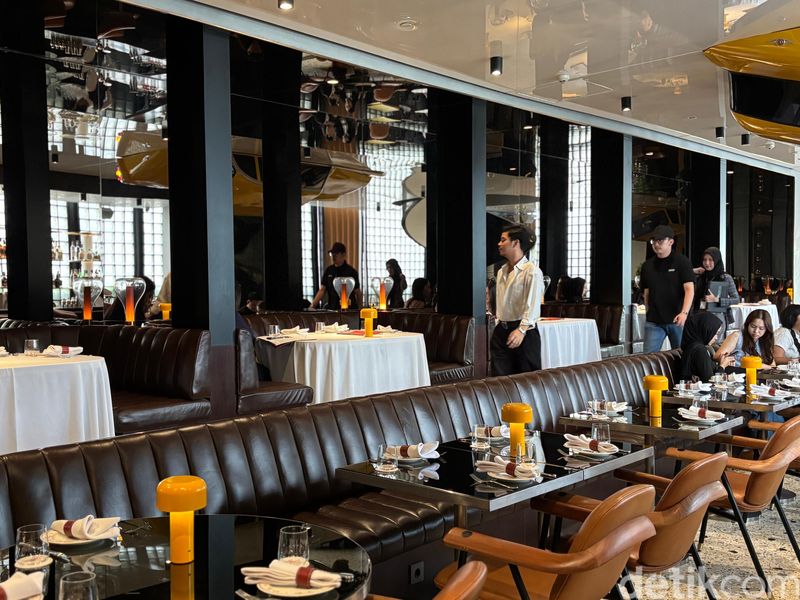
The inception of The Coach Restaurant marks a strategic pivot for the 80-year-old brand, which has long been synonymous with New York City’s grit and glamour. Under the creative direction of Stuart Vevers, in collaboration with William Sofield of Studio Sofield, the restaurant was designed to evoke the timeless atmosphere of a New York City bistro. The interior features a meticulously curated palette of warm leathers, wood tones, and industrial accents, punctuated by a signature "taxi cab" yellow that pays homage to the streets of Manhattan. Two private dining rooms, adorned with iconic Coach motifs, offer an exclusive experience for patrons seeking privacy without sacrificing the vibrant energy of the main dining hall.
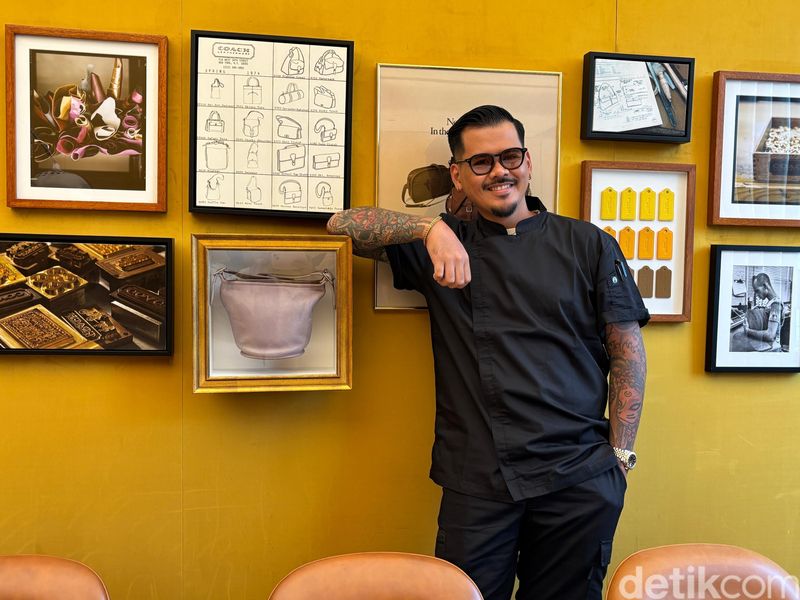
The culinary vision is led by Executive Chef Gabriel Jamias, a seasoned professional whose career has spanned several international culinary hubs, including Dubai and Singapore. Chef Jamias has been tasked with a unique challenge: translating the "craftsmanship" that defines Coach’s leather products into a tangible, edible experience. "The concept I brought to The Coach Restaurant in Jakarta is actually quite simple," Jamias explained during an exclusive session. "I wanted to bring the authentic New York dining experience to Jakarta through the food we serve here, focusing on quality and attention to detail."
A Fusion of New York Authenticity and Indonesian Sourcing
While the menu is rooted in American culinary traditions, Chef Jamias has integrated a sophisticated sourcing strategy that highlights the richness of Indonesian agriculture. Approximately 95% of the ingredients used in the kitchen are sourced locally, ranging from seasonal vegetables to complex spices. This commitment to local sourcing recently took the chef to Sulawesi, where he explored indigenous herbs and spices to incorporate into the restaurant’s evolving menu. However, to maintain the authenticity of a high-end New York steakhouse, primary cuts of beef, lobster, and oysters continue to be imported from premium global suppliers.
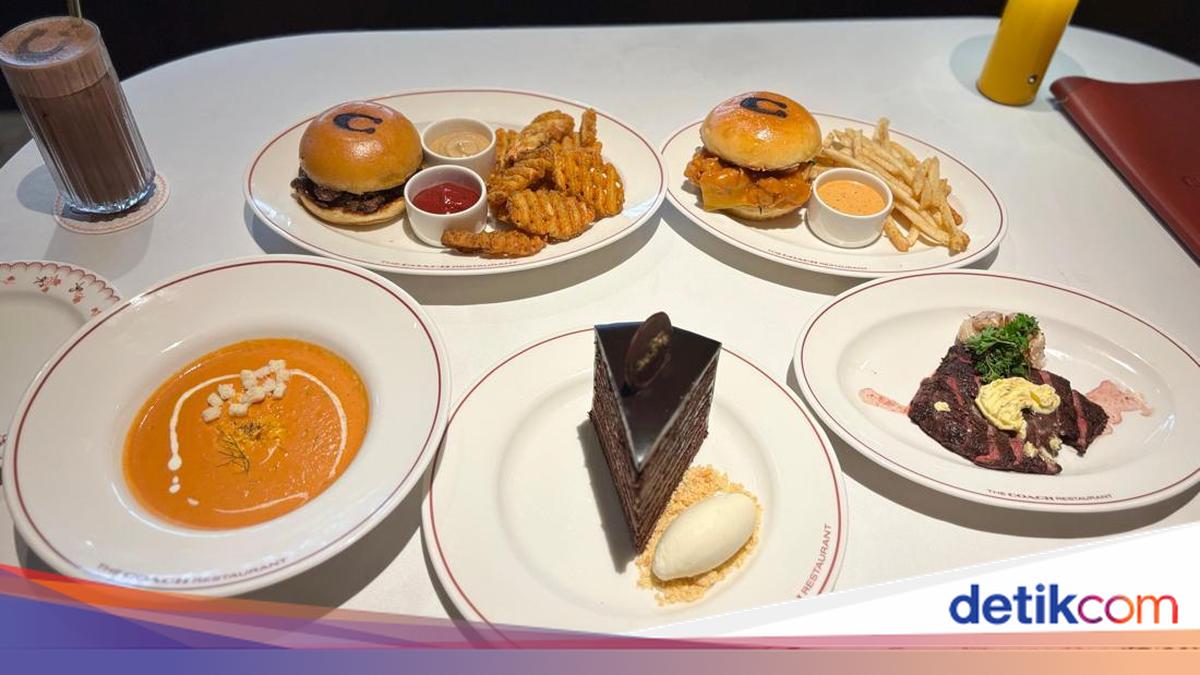
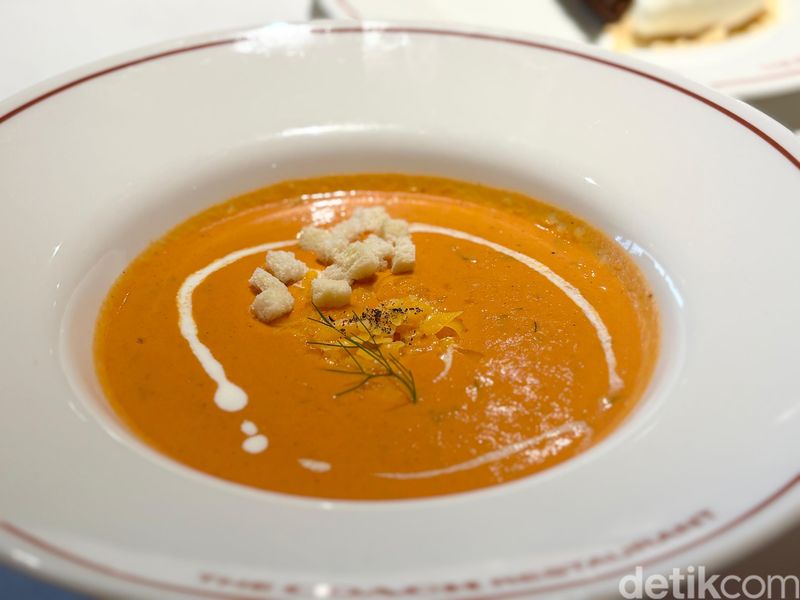
The menu begins with an elevated take on comfort food: the Velvety Tomato Soup. Priced at Rp 120,000, the dish utilizes slow-roasted tomatoes to achieve a deep, concentrated flavor. The texture is intentionally creamy, served with artisanal croutons that provide a textural contrast. This starter sets the tone for the meal, emphasizing that even the most basic American staples can be refined through precise technique.
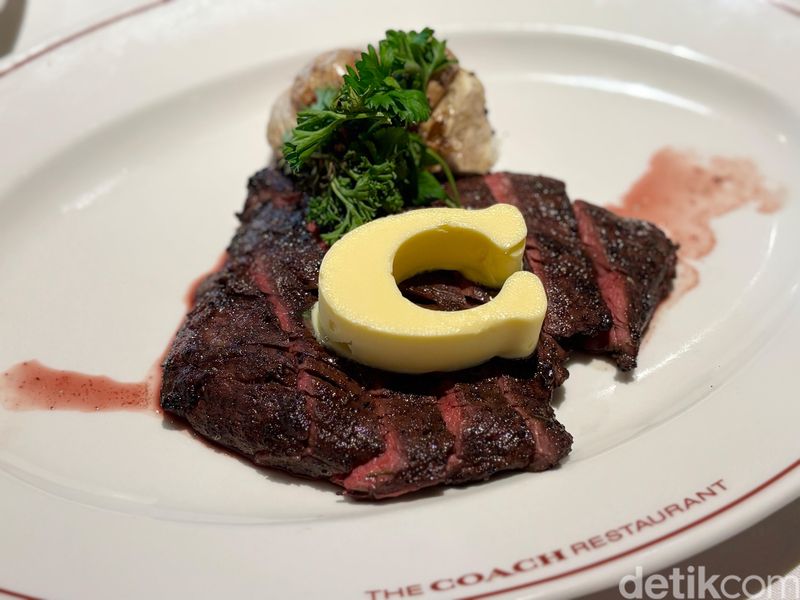
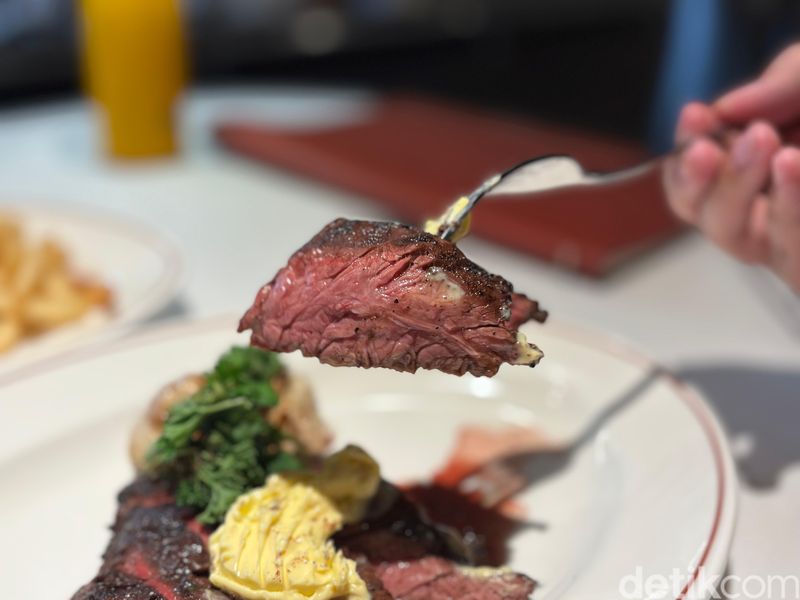
The centerpiece of the dining experience, however, is the steak program. The Skirt Steak, featuring Carrara Wagyu MB6 (Marble Score 6), is a standout offering priced at Rp 390,000 for a 180g portion. The dish is notable not only for the quality of the beef but for its presentation; it is served with a pat of butter molded into the shape of the "C" logo found on the famous Tabby bag. This branding element serves as a reminder of the restaurant’s heritage while adding a rich, savory finish to the medium-rare wagyu. According to Jamias, the goal is to let the quality of the meat speak for itself, utilizing the "C" butter to enhance the natural juiciness of the cut without the need for heavy sauces.
Engineering the Perfect Burger and Sandwich
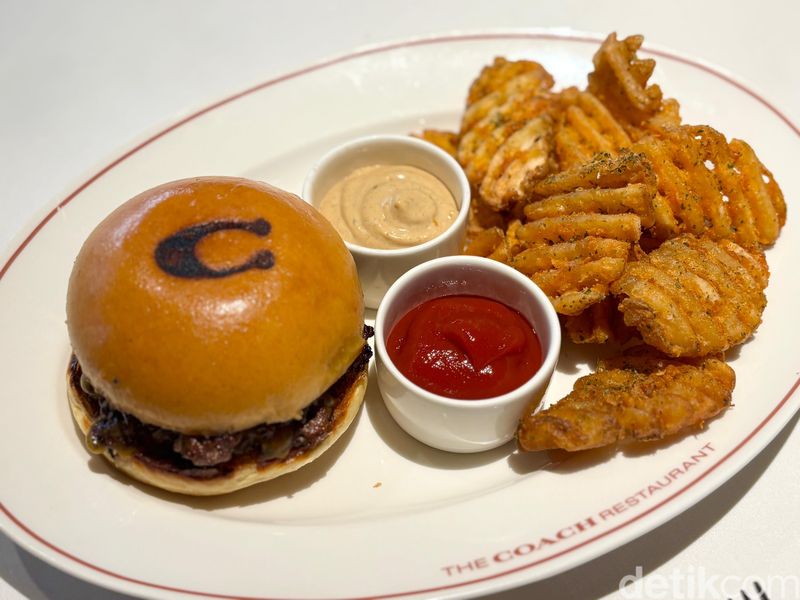
In the realm of casual American fare, the Coach Very Honest Cheeseburger (Rp 240,000) has quickly become a fan favorite. The "honesty" of the burger lies in its composition—a proprietary blend of three distinct beef cuts: chuck, sirloin, and short rib. This combination ensures a balance of lean meat, fat, and deep beefy flavor, resulting in a patty that remains succulent throughout the cooking process. The burger is complemented by extra sharp cheddar, house-made pickles, and minced garlic, and is served alongside waffle potatoes fried in duck fat. The use of duck fat for the fries is a specific choice intended to provide a crispier texture and a more complex flavor profile than traditional vegetable oil.
Similarly, the Hot Chicken Sandwich (Rp 200,000) caters to the local palate’s affinity for spicy, crispy textures while remaining true to the "Nashville-style" chicken trends prevalent in the United States. Served on a soft potato bun, the dish bridges the gap between high-end dining and the "street food" culture of New York. Jamias noted that while he maintains the authenticity of the recipes, he selects dishes that naturally resonate with Indonesian diners. "The Hot Chicken Sandwich is very popular in America, and its flavor profile is something that people here find familiar and easy to enjoy," he said.
The Bar and Patisserie: A Multi-Sensory Finale
The Coach Restaurant experience extends beyond the main course into a sophisticated beverage and dessert program. The bar menu features the Coachmen’s Martini (Rp 180,000), a complex concoction utilizing two types of gin and two types of vermouth. The drink is finished with an olive stuffed with blue cheese, offering a salty, pungent counterpoint to the botanical notes of the spirits. For those seeking non-alcoholic options, the Central Park Spritz (Rp 85,000) provides a refreshing alternative, blending Giffard Bitter with elderflower and tonic for a light, sparkling finish.
Dessert at The Coach Restaurant is headlined by the 20 Layer Chocolate Cake (Rp 185,000 per slice). This architectural feat of patisserie consists of ultra-thin layers of chocolate ganache and caramel, creating a dense yet silky texture that has become a viral sensation on social media. Additionally, The Rexy Chocolate (Rp 75,000)—named after Coach’s dinosaur mascot—offers a healthier but indulgent option, using 70% dark chocolate paired with oat and almond milk.
The Broader Impact on Jakarta’s Luxury Retail Landscape
The success of The Coach Restaurant in Jakarta is indicative of a broader trend in the global luxury market known as the "Experience Economy." As e-commerce continues to reshape retail, physical stores are evolving into multi-functional spaces where consumers can interact with a brand’s lifestyle rather than just its products. By opening a restaurant, Coach has increased the "dwell time" of customers within the Grand Indonesia complex, creating a holistic environment where fashion, art, and gastronomy intersect.
Industry analysts suggest that Jakarta was chosen as the inaugural site for this venture due to Indonesia’s burgeoning middle class and its appetite for international luxury brands. The city’s dining scene has become increasingly competitive, with consumers moving away from traditional formal fine dining in favor of "lifestyle" venues that offer high-quality food in a relaxed, aesthetically pleasing environment. The Coach Restaurant fits perfectly into this niche, providing a space that feels exclusive yet welcoming.
Future Outlook and Chronology
Since its opening in early 2024, The Coach Restaurant has maintained high occupancy rates, often requiring reservations weeks in advance. The timeline of its development reflects a deliberate, slow-build strategy by Tapestry, Inc. (Coach’s parent company).
- Early 2023: Initial concepts for a permanent dining space were discussed following the success of temporary Coach "pop-up" cafes in other Asian markets.
- Late 2023: Construction began at the Grand Indonesia site, with Stuart Vevers and William Sofield overseeing the integration of the restaurant with the adjacent retail boutique.
- Q1 2024: The restaurant officially opened to the public, marking a global first for the brand.
- Mid-2024: Chef Gabriel Jamias introduced seasonal updates and expanded the local sourcing program to include specialty ingredients from Sulawesi and other Indonesian regions.
Looking ahead, the restaurant plans to continue its innovation through seasonal menus and potential collaborations with local artists and designers. As Coach continues to redefine what a modern luxury brand looks like, its Jakarta restaurant serves as a blueprint for future global expansions. For the residents of Jakarta, it remains a premier destination to experience the "spirit of New York" without the need for a transcontinental flight, proving that in the modern world of fashion, the way to a consumer’s heart—and brand loyalty—may very well be through their palate.