Socio Today
The landscape of Balinese tourism has undergone a significant transformation over the last decade, shifting from a primary focus on southern coastal beach clubs to the serene, high-altitude terrains of the Bangli Regency. Kintamani, a district situated on the rim of the ancient Batur caldera, has emerged as the epicenter of this "highland tourism" movement. Renowned for its panoramic views of Mount Batur, an active volcano, and the crescent-shaped Lake Batur, the region has seen a surge in the development of sophisticated cafes and communal spaces. These establishments, often referred to by the Indonesian colloquialism "tempat nongkrong," have redefined the local economy, blending traditional Balinese hospitality with modern architectural aesthetics and specialty coffee culture.
The appeal of Kintamani lies in its unique microclimate and geological significance. As a designated UNESCO Global Geopark, the area offers a stark contrast to the tropical heat of Kuta or Seminyak, with temperatures frequently dipping to 17 degrees Celsius. This cooling environment, coupled with the majestic backdrop of the volcanic peaks of Gunung Abang and Gunung Agung, provides a sanctuary for both domestic and international travelers seeking "healing" or a slower pace of leisure. The following analysis explores five premier destinations that have set the standard for nature-themed hospitality in the region, while examining the broader implications for Bali’s tourism recovery and agricultural synergy.
1. Tegu Kopi: The Architectural Pioneer of Penelokan
Established in December 2019, Tegu Kopi is widely regarded as one of the early catalysts for the modern cafe boom in Kintamani. Located on Jalan Raya Penelokan—a name that literally translates to "place to look"—the cafe was strategically designed to maximize the visual impact of the Batur caldera. The timing of its opening was pivotal; as the global pandemic reshaped travel preferences toward outdoor and well-ventilated spaces, Tegu Kopi became a primary destination for residents of Denpasar and Ubud seeking a safe weekend getaway.
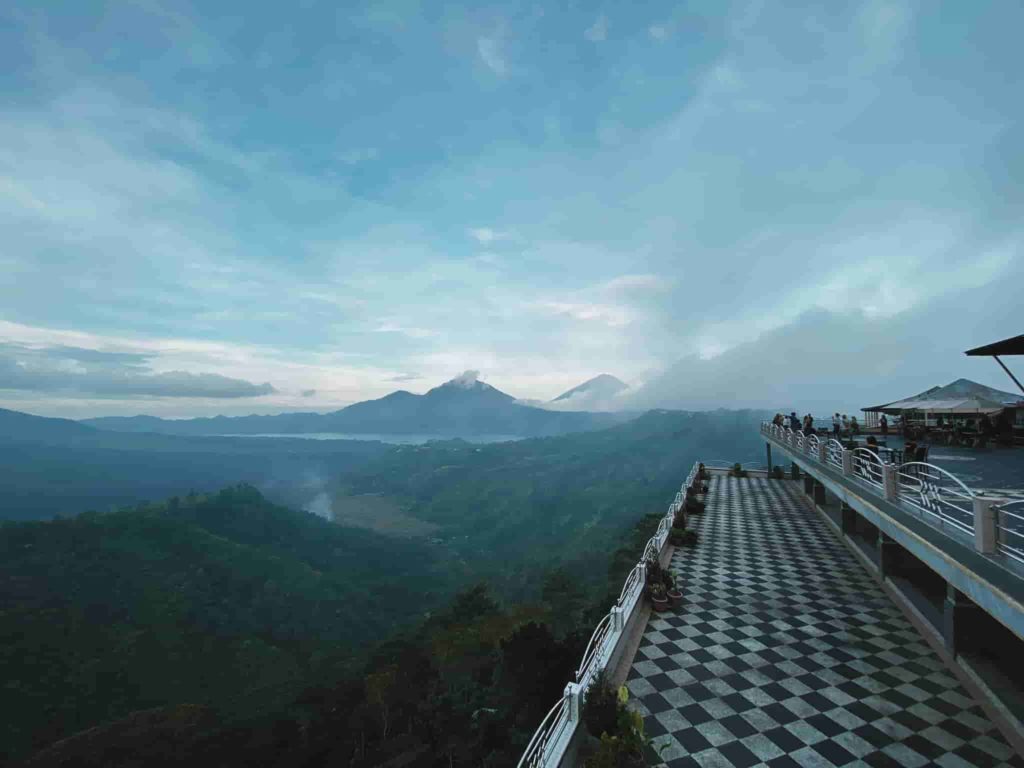
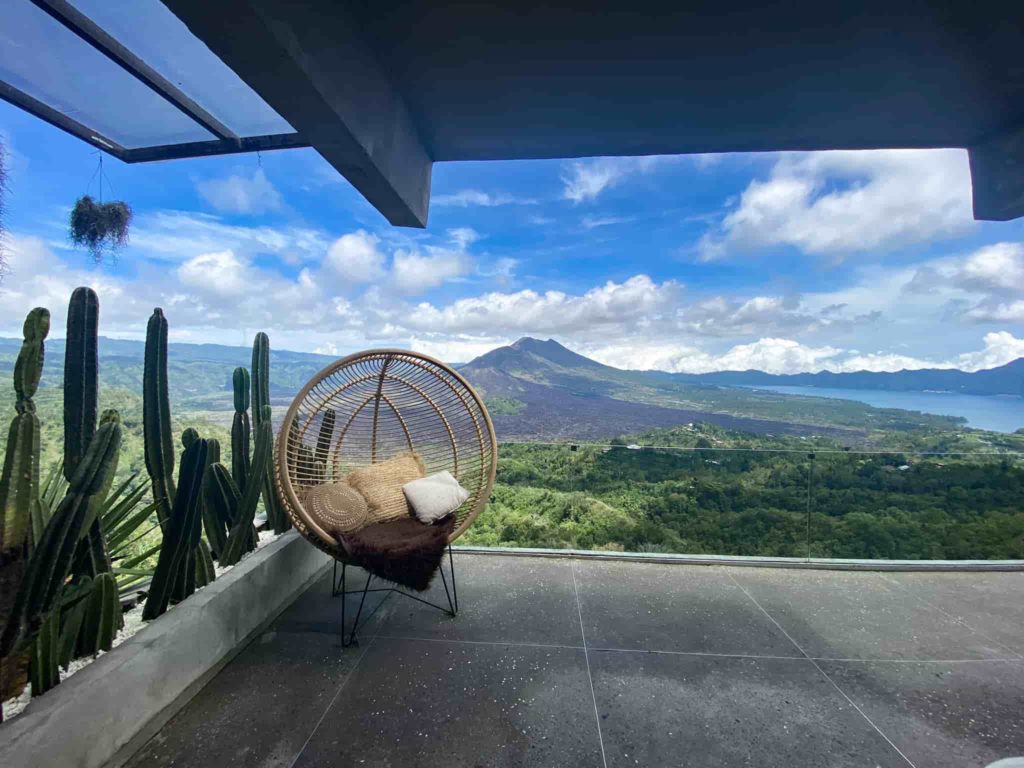
The establishment is characterized by its minimalist, industrial-inspired design that utilizes large glass panes to ensure that the mountain views are never obstructed. From this vantage point, visitors can observe the complex topography of the Batur UNESCO Global Geopark, including the black lava fields resulting from historical eruptions. The cafe’s operational model emphasizes the "golden hour," where the sunset behind the ridges of the surrounding mountains creates a dramatic interplay of light and shadow, a feature that has made it a staple of social media-driven tourism.
2. Eco Bike Coffee: Integrating Agritourism and Scale
Eco Bike Coffee represents the evolution of the Kintamani cafe scene into multi-functional spaces. Recognized as one of the largest establishments on the Kintamani cliffside, the venue spans three levels, each serving a distinct purpose. The first floor is dedicated to lodging and an on-site coffee garden, allowing guests to witness the cultivation process of Kintamani Arabica coffee. The third floor serves as an expansive rooftop outdoor area, offering an immersive experience within the highland atmosphere.
The "Eco" in its name reflects a broader trend toward sustainable tourism. By integrating a coffee farm within the cafe premises, the establishment promotes a "farm-to-cup" philosophy. This model is essential for the local economy, as Kintamani coffee holds a Geographical Indication (GI) status, signifying its unique quality derived from the volcanic soil. However, the experience at Eco Bike Coffee is famously weather-dependent. The high altitude means that the caldera is frequently engulfed in thick mist. While this provides a "coffee above the clouds" aesthetic, it also highlights the unpredictability of highland tourism, where the primary attraction—the view—can be obscured within minutes.
3. Akasa Coffee: Premiumization and Culinary Diversity
Akasa Coffee exemplifies the premiumization of the Kintamani experience. While early highland stalls (warungs) focused on simple offerings, Akasa has elevated the service standard to compete with high-end urban cafes. With an average transaction value often reaching IDR 150,000 per person, the cafe targets a demographic willing to pay for comfort and a curated atmosphere.
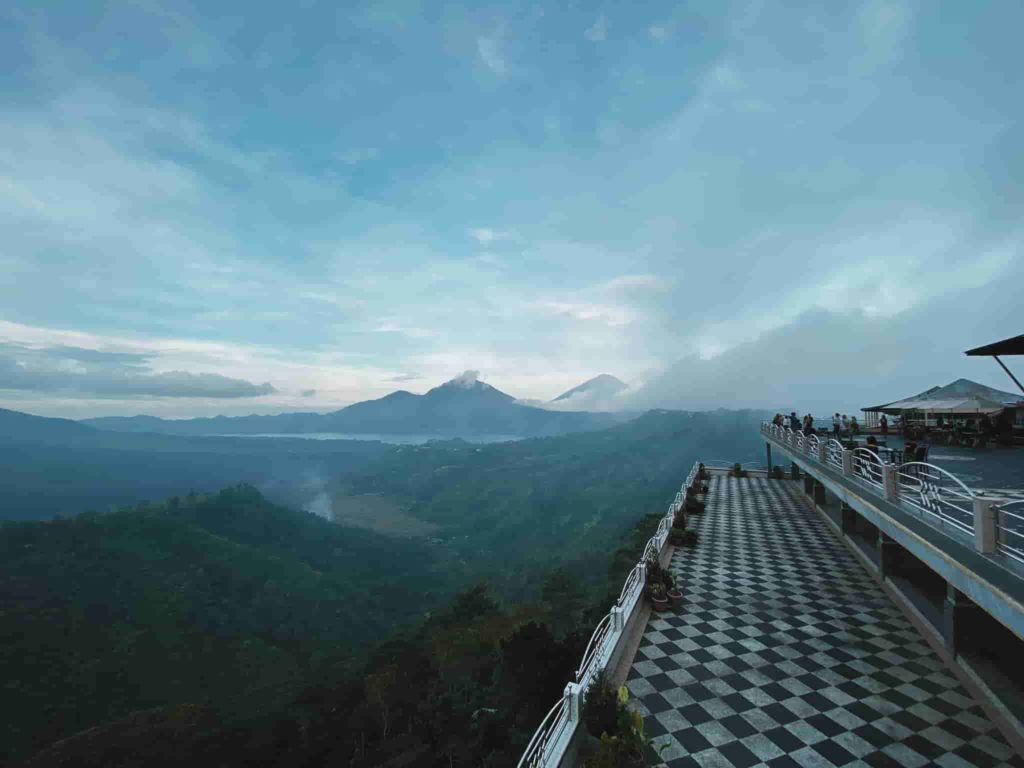
The menu at Akasa is diverse, ranging from traditional breakfast sets to craft beers and artisanal teas. This diversification is a strategic response to the changing demographics of Bali’s visitors, which now include a high percentage of digital nomads and "work-from-anywhere" professionals who require reliable infrastructure, high-quality food, and a comfortable environment for extended stays. The establishment’s recommendation for guests to bring jackets underscores the shift in the Balinese "vacation wardrobe," moving away from beachwear toward attire suited for the chilly, 18-degree Celsius mountain air.
4. Batur 1926: A Homage to Geological History
Batur 1926 is perhaps the most culturally and historically resonant establishment in the area. The name itself is a reference to the year 1926, which marked one of the most significant and destructive eruptions of Mount Batur. That eruption forced the relocation of the original Batur village from the crater floor to the current location on the caldera rim. By adopting this name, the cafe anchors itself in the history of the land and the resilience of the local people.
Architecturally, Batur 1926 blends modern structures with traditional Balinese elements. A notable feature is the Balinese gateway (candi bentar) located on the rooftop terrace, which serves as a frame for the three-mountain panorama: Mount Batur, Mount Abang, and the distant, sacred Mount Agung. The cafe has become a premier spot for "sunrise hunters." Opening as early as 05:30 AM, it caters to the influx of tourists who arrive in Kintamani after early-morning treks or those who wish to see the sun rise over the Bali Sea from a seated, comfortable position.
5. Kava Coffee: Lake-Level Intimacy and Modern Design
Unlike many of its competitors that are perched on the high ridges of Penelokan, Kava Coffee offers a perspective that brings visitors closer to the shores of Lake Batur. The design of Kava Coffee is noted for its seamless integration of interior and exterior spaces. Using glass as a primary medium, the cafe ensures that even those seated in the semi-outdoor areas feel connected to the legendary lake and the surrounding peaks.
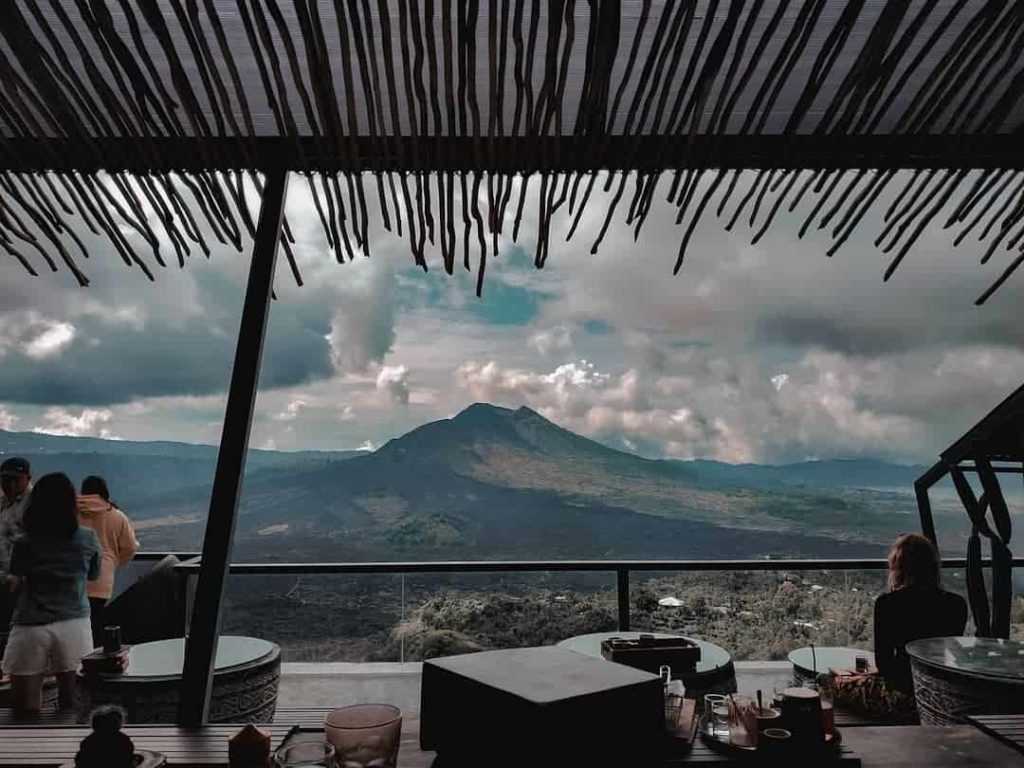
The interior design of Kava is specifically curated to harmonize with the natural colors of the volcanic landscape—muted earth tones, stone textures, and wooden finishes. This aesthetic choice reflects a growing sophistication in Balinese commercial architecture, where the goal is to complement rather than compete with the natural environment. By positioning itself near the lake, Kava also taps into the water-based tourism of the area, including the nearby hot springs and the cultural sites of Trunyan village.
Regional Economic Impact and the "Kintamani Coffee Boom"
The proliferation of these cafes has had a profound impact on the Bangli Regency’s economy. Historically, Bangli was one of the less-visited regencies in Bali compared to Badung or Gianyar. However, the "Kintamani Coffee Boom" has shifted the economic balance. According to regional tourism data, the increase in cafe-related foot traffic has led to a rise in local employment, with many youths from surrounding villages finding work as baristas, servers, and managers within their own district.
Furthermore, these establishments have provided a stable market for Kintamani Arabica coffee farmers. The direct partnership between cafes and local growers ensures higher profit margins for farmers who were previously dependent on fluctuating commodity market prices. This synergy between agriculture and tourism is a model that the Indonesian Ministry of Tourism and Creative Economy has frequently cited as a blueprint for sustainable regional development.
Chronology of Development and Infrastructure Support
The development of Kintamani as a cafe hub followed a clear timeline:
- Pre-2017: Kintamani was largely a "stop-over" destination for tour buses where travelers took photos and left.
- 2018-2019: The arrival of the first wave of modern specialty cafes like Tegu Kopi began to change the "stay duration" of visitors.
- 2020-2022: During the COVID-19 pandemic, Kintamani became the primary "safe" destination for domestic tourists, leading to an explosion of new builds and architectural experimentation.
- 2023-Present: The region is now a mature destination with improved road infrastructure and government-led initiatives to manage waste and traffic in the Geopark area.
Broader Implications and Environmental Challenges
While the growth of the Kintamani cafe scene is an economic success story, it presents significant environmental and logistical challenges. The high volume of visitors has led to increased traffic congestion on the narrow roads of Jalan Raya Penelokan. Moreover, waste management in a highland area with sensitive water sources (Lake Batur) is a critical concern.
Official responses from the Bangli Regency government have emphasized the need for "quality tourism." Local authorities have begun implementing stricter zoning laws to ensure that new constructions do not infringe on protected forest areas or degrade the visual integrity of the UNESCO Geopark. There is also an ongoing effort to educate cafe owners on sustainable waste disposal to prevent the contamination of Lake Batur, which is a vital water source for much of Bali’s agriculture.
In conclusion, the rise of nature-themed cafes in Kintamani represents a sophisticated evolution of the Balinese tourism product. By leveraging the region’s unique geological heritage and its world-class coffee, establishments like Tegu Kopi, Eco Bike Coffee, Akasa, Batur 1926, and Kava Coffee have created a new destination category that appeals to the modern traveler’s desire for aesthetic beauty, climatic comfort, and cultural depth. As long as the balance between commercial development and environmental conservation is maintained, Kintamani is poised to remain a cornerstone of Bali’s diversified tourism economy.