Socio Today
Jakarta, Indonesia – The Indonesian government has officially confirmed the reinstatement of incentives for the purchase of electric motorcycles, signaling a renewed commitment to accelerate the nation’s transition towards sustainable transportation. However, in a significant strategic shift from previous programs, the revised incentive scheme will exclusively target "certain companies" rather than individual consumers. This move, announced by Finance Minister Purbaya Yudhi Sadewa, aims to enhance the effectiveness and impact of the subsidy program, addressing past challenges in uptake and distribution. The incentive value has been set at Rp5 million (approximately US$305) per unit, a reduction from the Rp7 million offered in earlier iterations, with an initial quota of 100,000 units.
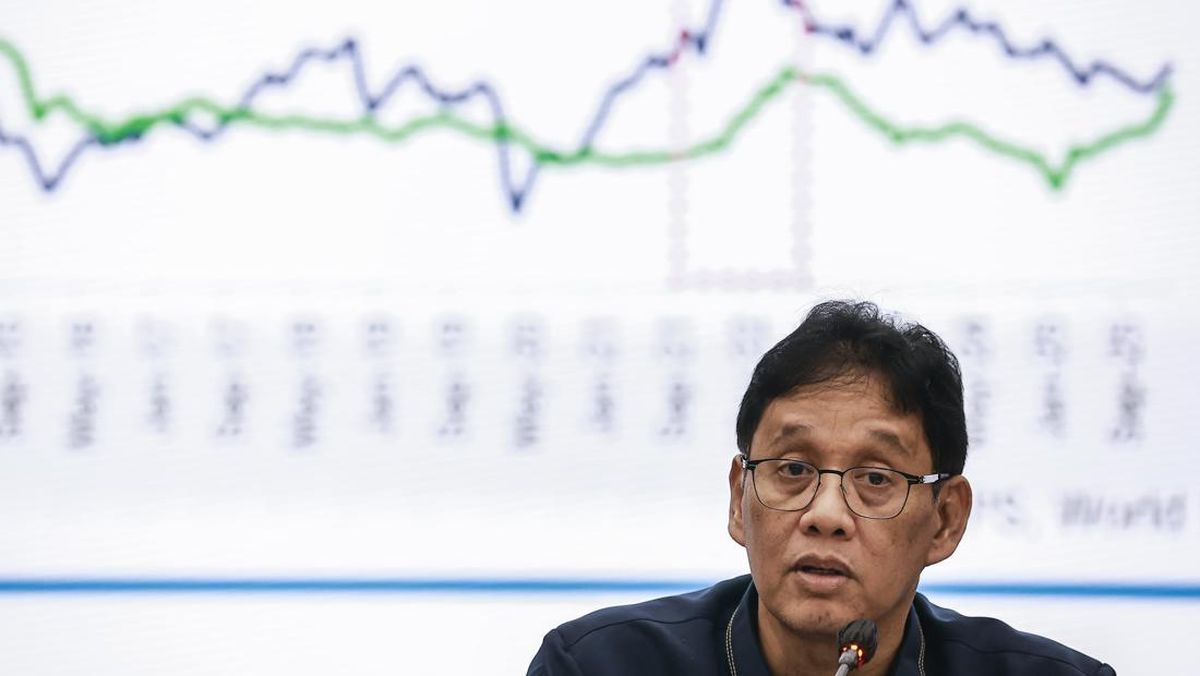
Minister Purbaya Yudhi Sadewa conveyed the details of the revamped policy following a "APBN Kita" (Our State Budget) press conference at the Ministry of Finance in Central Jakarta on Tuesday, July 21. "Electric motorcycles will still receive incentives, but these will now be allocated to several specific companies," Purbaya stated, emphasizing the government’s intention to channel support more strategically. The selection process for these designated companies will involve close collaboration between the Ministry of Industry and Danantara Indonesia, with Industry Minister Agus Gumiwang Kartasasmita and Sigit Puji Santosa, Chief Technology Officer of Danantara, tasked with identifying eligible recipients. This collaboration underscores a data-driven and industry-focused approach to ensure the incentives reach entities poised to make a substantial contribution to electric vehicle (EV) adoption and infrastructure development.
Background and Evolution of Indonesia’s EV Ambitions
Indonesia, Southeast Asia’s largest economy and a significant player in the global nickel supply chain, has long harbored ambitious plans to become a regional hub for electric vehicle production and adoption. The nation’s abundant nickel reserves, a crucial component for EV batteries, provide a strategic advantage in developing a domestic EV ecosystem. The government’s push for EVs is multifaceted, driven by objectives to reduce carbon emissions, enhance energy security by decreasing reliance on fossil fuel imports, create new industries and jobs, and capitalize on the global shift towards green technologies.
The initial foray into electric vehicle incentives began in earnest in 2023, with a program designed to stimulate both electric car and motorcycle sales. For electric motorcycles, the government offered a subsidy of Rp7 million per unit, a substantial amount intended to bridge the price gap between conventional internal combustion engine (ICE) motorcycles and their electric counterparts. The target was ambitious: to subsidize 200,000 new electric motorcycles and convert 50,000 existing conventional motorcycles to electric powertrains by the end of 2023. This program was part of a broader Rp7 trillion (approximately US$450 million) allocation for EV incentives.
However, the initial scheme encountered significant hurdles, leading to a much lower-than-anticipated uptake. Several factors contributed to this slow absorption. Administrative complexities, including a somewhat convoluted application process for individual consumers, proved to be a deterrent. Furthermore, a lack of widespread awareness about the program, combined with lingering consumer concerns regarding charging infrastructure availability, battery lifespan, and resale value, tempered enthusiasm. By late 2023, only a fraction of the allocated quotas had been utilized, prompting the government to reassess its strategy. The challenge highlighted that simply offering a price reduction was not sufficient; a more targeted and streamlined approach was necessary to overcome market inertia and infrastructural limitations.
A Chronology of Policy Adjustments
The journey towards a refined electric motorcycle incentive scheme has been marked by several key policy discussions and announcements:
- Early 2023: The Indonesian government officially launches its first comprehensive electric vehicle incentive program, including a Rp7 million subsidy for new electric motorcycle purchases and conversions, targeting 250,000 units.
- Mid-to-Late 2023: Reports emerge indicating low absorption rates for the electric motorcycle incentives. Industry stakeholders and government officials acknowledge the need for program evaluation and potential adjustments. Concerns are raised about the effectiveness of the individual consumer-focused model.
- May 5, 2024 (Tuesday): Finance Minister Purbaya Yudhi Sadewa, during a previous "APBN Kita" press conference, first signals a potential recalibration of the incentive program. He announces a proposed revised incentive of Rp5 million per unit for electric motorcycles, with an initial quota of 100,000 units, indicating a move towards a more fiscally conservative yet sustainable approach. He also hints at the possibility of extending the quota if the initial allocation is fully utilized.
- July 21, 2024 (Tuesday): Minister Purbaya officially confirms the reinstatement of the electric motorcycle incentives, specifying the Rp5 million value and, crucially, detailing the shift towards "certain companies" as recipients. He explicitly states that the Ministry of Industry and Danantara Indonesia are tasked with identifying these companies, marking a definitive change in the policy’s implementation strategy.
This timeline illustrates a proactive government that, while committed to its long-term EV goals, is also agile enough to adapt its policies based on real-world outcomes and market dynamics. The shift from a broad consumer subsidy to a targeted corporate model reflects a learning curve and an attempt to achieve higher efficiency and impact.
The Mechanics of the New Corporate-Focused Incentive
Under the new policy, the Rp5 million incentive will be directed towards specific companies that are deemed strategically important for accelerating electric motorcycle adoption. While the exact criteria for selecting these companies are still being finalized by the Ministry of Industry and Danantara Indonesia, several logical inferences can be drawn about the types of entities likely to benefit:
- Ride-Hailing and Logistics Companies: Major players in the gig economy and last-mile delivery services operate vast fleets of motorcycles. Subsidizing their transition to electric vehicles would immediately convert tens of thousands of ICE motorcycles, significantly reducing urban emissions and demonstrating the viability of EVs at scale. This also provides a clear business case for these companies, as electric motorcycles offer lower operating costs (fuel, maintenance).
- Corporate Fleets and Public Services: Companies with large internal delivery or service fleets, as well as government agencies and state-owned enterprises (BUMNs) that utilize motorcycles for their operations, could be prime candidates. Their conversion to electric would serve as a powerful endorsement and create a stable demand base for local EV manufacturers.
- Rental Services and Tourism Operators: In popular tourist destinations or urban centers, electric motorcycle rental services could be incentivized to offer eco-friendly transportation options, contributing to sustainable tourism and reducing local pollution.
- Micro, Small, and Medium Enterprises (MSMEs) through Aggregators: While the incentive is not directly for individuals, it’s plausible that programs could be designed to support MSMEs that rely on motorcycles for their business. This might involve working with cooperatives or financial institutions that can facilitate bulk purchases of electric motorcycles for their members, effectively acting as aggregators for smaller businesses.
The involvement of Danantara Indonesia, through its Chief Technology Officer Sigit Puji Santosa, suggests a strong emphasis on data analysis, technological infrastructure, and potentially the development of platforms for managing the incentive distribution and monitoring its impact. Danantara’s expertise could be crucial in ensuring transparency, efficiency, and accountability in selecting recipients and tracking the deployment of subsidized units.
Supporting Data and Indonesia’s EV Landscape
Indonesia’s ambition in the EV sector is not limited to two-wheelers. The government has set a target for electric vehicles to comprise at least 25% of all vehicles sold by 2030. While electric car sales are slowly picking up, electric motorcycles represent a more immediate and impactful opportunity given Indonesia’s staggering number of motorcycle users. With over 120 million motorcycles on its roads, Indonesia is one of the largest two-wheeled vehicle markets globally. Converting even a fraction of this fleet to electric would yield significant environmental and economic benefits.
The local content level (TKDN – Tingkat Komponen Dalam Negeri) remains a critical factor in Indonesia’s EV strategy. The government aims for a high TKDN to ensure that the growth of the EV industry translates into domestic job creation, technology transfer, and economic value. Incentives are often tied to manufacturers meeting certain TKDN thresholds, encouraging local production of components, including batteries. Indonesia’s massive nickel reserves are central to this vision, with the country actively inviting investments in nickel processing plants and battery manufacturing facilities. Companies like Hyundai and LG have already committed significant investments in battery production in Indonesia, laying the groundwork for a robust domestic supply chain.
Globally, many countries offer EV incentives, but their structures vary. Some focus on purchase price, others on tax breaks, and a growing number are exploring fleet conversion programs similar to Indonesia’s new approach. For instance, countries like China and India have successfully leveraged subsidies and policy support to accelerate electric two-wheeler adoption, often through a combination of consumer incentives and strategic industry support. Indonesia’s Rp5 million incentive, while lower than its previous iteration, still represents a substantial saving for consumers, especially when aggregated for corporate purchases.
Official and Inferred Responses
Finance Minister Purbaya Yudhi Sadewa’s perspective: The Minister’s statements underscore a commitment to fiscal responsibility while pursuing national development goals. The shift to a Rp5 million incentive and corporate targeting suggests a balance between supporting the EV transition and ensuring efficient use of state funds. Purbaya likely views this refined approach as a more cost-effective way to achieve critical mass in electric motorcycle adoption, leveraging the purchasing power and operational scale of companies.
Industry Minister Agus Gumiwang Kartasasmita’s likely stance: As the head of the Ministry of Industry, Minister Kartasasmita would prioritize the growth of the domestic EV manufacturing sector. His involvement in selecting eligible companies suggests a focus on ensuring that the incentives not only boost demand but also support local producers, encourage investment in manufacturing facilities, and facilitate the development of a robust supply chain with high local content. He would likely emphasize the criteria for companies, such as their commitment to large-scale fleet conversion, their potential to drive technological innovation, and their contribution to the national economy.
Danantara Indonesia’s (Sigit Puji Santosa) presumed role: Given the CTO’s involvement, Danantara Indonesia is likely to provide the technical and analytical backbone for the selection process. This could involve developing metrics for company eligibility, assessing the operational capacity of potential recipients, and creating systems to monitor the deployment and impact of the subsidized electric motorcycles. Their expertise would be crucial in ensuring that the incentive program is data-driven, transparent, and yields measurable results.
Industry and Public Reactions (Inferred):
- Electric Motorcycle Manufacturers: Local manufacturers are likely to welcome the continued government support, albeit with a new focus. They will be keen to understand the selection criteria for "certain companies" to position themselves as preferred suppliers. The corporate focus could provide more stable, larger-volume orders compared to individual consumer sales.
- Ride-Hailing/Logistics Companies: These companies would likely react positively, as the incentive could significantly reduce their capital expenditure for fleet electrification, accelerating their sustainability goals and potentially improving their operational economics.
- Individual Consumers: Some individual consumers who were hoping for a renewed personal subsidy might express disappointment. However, if the corporate-targeted incentives lead to a greater availability of electric motorcycles through ride-sharing or rental services, or if companies pass on some of the benefits, the broader public could still benefit indirectly.
- Environmental Advocates: Generally supportive of any measure that accelerates EV adoption and reduces emissions, they might scrutinize the transparency and equity of the corporate selection process.
Broader Impact and Implications
The Indonesian government’s refined electric motorcycle incentive policy carries several significant implications:
- Accelerated Fleet Electrification: By targeting companies with large fleets, the government aims to achieve a faster and more impactful conversion of ICE motorcycles to electric, particularly in urban areas where pollution is a major concern. This strategic bulk adoption could quickly establish a critical mass of electric motorcycles on the roads.
- Stimulation of Local EV Industry: The corporate focus, especially if linked to TKDN requirements, will likely drive demand for locally manufactured electric motorcycles and components, fostering investment, job creation, and technological advancement within Indonesia’s nascent EV sector.
- Improved Charging Infrastructure Planning: Large-scale corporate adoption often comes with centralized charging solutions (e.g., at company depots), which can simplify infrastructure planning and deployment compared to a fragmented network for individual users. This could also lead to the development of robust battery swapping networks, a popular solution for electric two-wheelers.
- Policy Learning and Adaptation: This shift demonstrates the government’s willingness to learn from previous policy outcomes and adapt its strategies. It signals a move towards more targeted, results-oriented interventions in complex market transitions.
- Potential Challenges: Despite the strategic advantages, potential challenges include ensuring transparency and fairness in the selection of "certain companies," preventing market distortions, and monitoring the actual impact of the incentives on emissions reduction and EV adoption rates. There is also the risk of excluding smaller players or individual entrepreneurs if the criteria are too stringent or if the program lacks mechanisms for indirect support.
In conclusion, Indonesia’s decision to reinstate electric motorcycle incentives with a strategic corporate focus marks a crucial evolution in its national EV roadmap. By channeling subsidies towards companies poised for large-scale adoption, the government aims to overcome previous implementation hurdles and accelerate the transition to electric mobility more effectively. This refined approach, backed by the collaboration between the Ministry of Finance, the Ministry of Industry, and technical partners like Danantara Indonesia, underscores a determined effort to leverage Indonesia’s unique position in the global EV supply chain and cement its role as a leader in sustainable transportation in Southeast Asia. The success of this new phase will hinge on the clear definition of eligibility criteria, efficient implementation, and continuous monitoring of its economic and environmental impacts.