Socio Today
Jakarta, CNN Indonesia – Indonesia faces a looming fiscal challenge with the potential for its energy subsidy budget to balloon significantly if the national logistics system remains heavily dependent on diesel-powered trucks, particularly amidst ongoing global oil price volatility. This critical warning comes from the World Resources Institute (WRI) Indonesia, which underscores the urgent need for a strategic pivot towards the electrification of heavy-duty vehicles to safeguard national finances, bolster energy independence, and meet ambitious climate targets.
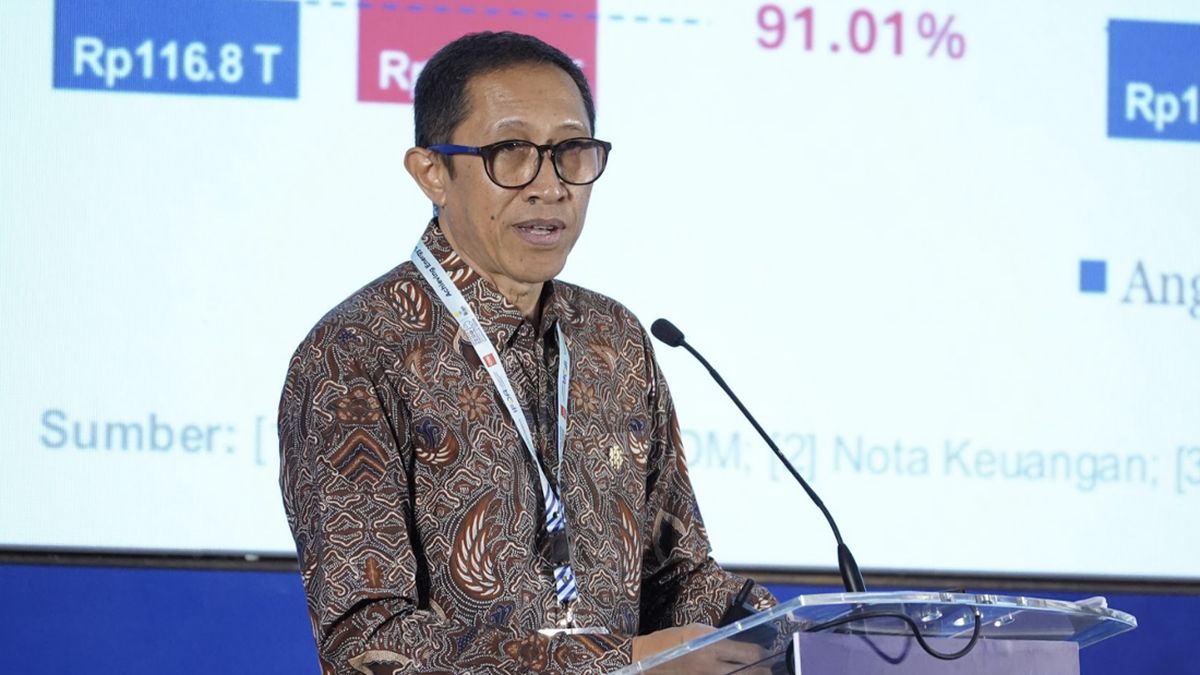
Nirarta Samadhi, Country Director of WRI Indonesia, articulated this vulnerability at the Indonesia Zero Emission Heavy-Duty Vehicle Summit, held recently in Jakarta. He highlighted that the pervasive reliance of freight transport on diesel fuel renders Indonesia’s transportation and logistics sectors exceptionally susceptible to the erratic swings in global oil prices, often exacerbated by geopolitical conflicts in major energy-producing regions. "Every time there’s a surge in global oil prices, it invariably triggers a corresponding increase in the government’s energy subsidy and compensation expenditures," Samadhi stated, painting a stark picture of the national budget’s exposure to external shocks.
The scale of this fiscal vulnerability was dramatically illustrated in 2022, when Indonesia’s energy subsidy and compensation budget witnessed an unprecedented escalation of 261.4 percent. The expenditure soared from approximately Rp152.5 trillion (around US$9.5 billion) to a staggering Rp551.2 trillion (approximately US$34.5 billion). This massive increase served as a stark reminder of the government’s commitment to cushion consumers and businesses from the direct impact of rising global energy costs, but also exposed the profound fiscal strain such a policy entails. Samadhi noted that similar conditions are beginning to manifest again this year, with escalating conflicts in the Middle East once more amplifying the risks of global oil supply disruptions and, consequently, price spikes.
The Fragile Backbone of National Logistics
The deep-seated dependence on diesel is not merely a theoretical concern; its manifestations are palpable across the archipelago. Samadhi pointed to the ubiquitous long queues of trucks at public fueling stations (SPBU) for diesel as a clear indicator of the national logistics system’s inherent fragility. "These queues are not just an operational issue or a cause of distribution delays. More than that, these queues demonstrate the high dependence of the national logistics system on diesel," he emphasized. This daily spectacle underscores how deeply intertwined the nation’s economic arteries are with a single, volatile fossil fuel.
Indonesia’s unique geography as an archipelagic nation, stretching across thousands of islands, makes an efficient and resilient logistics network paramount for economic stability and equitable development. However, approximately 80 to 90 percent of Indonesia’s logistics system currently relies on land transportation. This translates to an overwhelming majority of national goods distribution being supported by diesel-powered trucks. Such a high concentration on a single fuel source, coupled with global price volatility, presents a significant strategic challenge to the nation’s economic security and operational efficiency. The current system not only burdens the state budget but also contributes to higher logistics costs, which ultimately impact consumer prices and the competitiveness of Indonesian goods.
Government Ambitions and the Biodiesel Pathway
Against this backdrop, President Prabowo Subianto has articulated an ambitious vision for Indonesia to achieve energy self-sufficiency within the next five to seven years. This target underscores a national imperative to reduce reliance on imported energy and enhance domestic energy security. Samadhi firmly believes that achieving this goal necessitates a fundamental transformation in freight transport. "If we want to achieve national energy self-sufficiency, then the transformation of freight transport becomes one of the game-changers," he asserted, positioning heavy-duty vehicle electrification as a cornerstone of this broader strategic objective.
The government has indeed taken proactive steps to mitigate diesel import dependence through its mandatory biodiesel policy. This initiative has seen a progressive increase in the blending ratio of palm oil-based biodiesel with conventional diesel, evolving from B30 to B35, and with the latest iteration, B40, launched this month, aiming towards B50. These policies have demonstrated tangible success in curbing diesel imports. In 2024, for instance, approximately 36.2 percent of the national diesel supply originated from biodiesel, while diesel imports consequently decreased to roughly 11.8 percent of the total national supply. This achievement highlights Indonesia’s innovative approach to leveraging its abundant palm oil resources for energy independence and a greener fuel mix.
The Looming Supply-Demand Gap and the Imperative for Electrification
Despite the success of the biodiesel program, WRI Indonesia’s modeling reveals a critical long-term challenge. National diesel demand is projected to continue its upward trajectory, reaching an estimated 87.5 million kiloliters by 2040, assuming no significant changes in land transport technology. This stark projection stands in sharp contrast to Indonesia’s domestic production capacity, which, even after planned refinery expansions, is estimated to reach only around 26.5 million kiloliters. This massive projected deficit underscores a fundamental imbalance.
"This gap indicates that simply increasing energy production is not enough. We must also begin to manage energy demand, and one crucial way to do this is through the electrification of freight transport," Samadhi elaborated. The analysis suggests that while boosting domestic supply is important, it cannot solely address the future energy needs without demand-side management, particularly in the most energy-intensive sectors.
Electrification: A Strategic Priority for Emissions and Savings
Electrification of heavy-duty trucks emerges as a strategic and highly impactful intervention. While these vehicles constitute a relatively small proportion of Indonesia’s total vehicle fleet—approximately 6.2 million units, or just 3.7 percent—their disproportionate impact on energy consumption and emissions is profound. This sector alone accounts for around 31.7 percent of land transportation emissions. "The numbers may be small, but their impact on energy consumption and emissions is enormous. That is why, if we want to achieve significant results in emission reduction and diesel consumption savings, the transformation of the truck sector must be a top priority," Samadhi argued.
The strategic importance of electrifying heavy-duty vehicles extends beyond fiscal relief and energy security; it is also a critical component of Indonesia’s commitment to mitigating climate change. As a signatory to the Paris Agreement, Indonesia has set ambitious Nationally Determined Contribution (NDC) targets to reduce greenhouse gas emissions. Decarbonizing the logistics sector, particularly heavy-duty transport, offers a substantial pathway to achieving these environmental goals.
Broader Implications and the Path Forward
The implications of a sustained reliance on diesel-powered logistics are multi-faceted, touching upon economic, environmental, and social dimensions.
Economic and Fiscal Implications: The continuous drain on the state budget from energy subsidies diverts crucial funds that could otherwise be allocated to critical public services, infrastructure development, or investments in human capital. High logistics costs due to fuel volatility can also erode the competitiveness of Indonesian products in both domestic and international markets, potentially slowing economic growth. Furthermore, the inflationary pressure from rising fuel costs disproportionately affects lower-income households and small businesses, impacting social equity.
Environmental Imperative: Beyond the immediate financial concerns, the environmental footprint of diesel trucks is substantial. They contribute significantly to air pollution, impacting public health, and are a major source of greenhouse gas emissions, exacerbating climate change. Transitioning to electric heavy-duty vehicles would dramatically reduce these emissions, contributing to cleaner air in urban centers and helping Indonesia meet its global climate commitments.
Energy Security and Self-Sufficiency: President Prabowo’s vision of energy self-sufficiency hinges on reducing import dependence. While biodiesel helps, electrification offers a more fundamental shift by moving away from fossil fuels altogether. Leveraging Indonesia’s abundant renewable energy potential (geothermal, solar, hydro) to power an electric logistics fleet would create a virtuous cycle, strengthening energy security and fostering domestic green industries.
Challenges and Opportunities for EV Adoption: The transition to electric heavy-duty vehicles is not without its challenges. The upfront cost of electric trucks remains higher than their diesel counterparts, although this gap is narrowing with technological advancements and economies of scale. Crucial infrastructure, including high-capacity charging stations along major logistics routes, needs to be developed extensively. Battery technology, including range and charging times, is also a consideration for long-haul transport. However, these challenges also present significant opportunities for investment, job creation in new green industries, and technological innovation. Government incentives, robust policy frameworks, and public-private partnerships will be essential to accelerate this transition.
Stakeholder Perspectives:
From the government’s perspective, ministries such as the Ministry of Finance and the Ministry of Energy and Mineral Resources are likely to echo WRI’s concerns about the fiscal burden of subsidies and the long-term goal of energy security. The Ministry of Transportation would be instrumental in developing the regulatory framework and infrastructure for EV adoption. Industry players in the logistics sector, while initially wary of the capital expenditure for fleet transformation, could eventually benefit from lower operating costs (fuel and maintenance) associated with electric vehicles, provided a supportive ecosystem is in place. Economists would likely support the reduction of distortionary subsidies and the redirection of funds towards productive investments.
Conclusion:
The warning from WRI Indonesia serves as a critical call to action for the nation’s policymakers and industry leaders. While the biodiesel program represents a commendable interim measure, it is clear that a more fundamental shift is required to address the intertwined challenges of fiscal sustainability, energy security, and environmental protection. The electrification of Indonesia’s heavy-duty vehicle fleet is not merely an option but a strategic imperative that promises to be a true "game-changer" for the archipelago’s future, enabling it to achieve its energy self-sufficiency goals, significantly reduce its carbon footprint, and build a more resilient and competitive logistics system in the face of an unpredictable global energy landscape. The urgency of this transformation cannot be overstated, demanding concerted efforts and visionary leadership to pave the way for a sustainable and prosperous Indonesia.