

Reality TV is Irresistible, But Irritating
Reality TV is irritating but irresistible – that’s the paradox we’re all grappling with, right? We scoff at the manufactured drama, the over-the-top personalities, the blatant editing tricks, yet we keep coming back for more. Why? Is it the guilty pleasure? The escapism?
The sheer train-wreck fascination? This post dives deep into the psychology of why we can’t look away, even when we desperately want to.
From the manufactured rivalries of “The Real Housewives” to the nail-biting challenges of “Survivor,” reality TV serves up a potent cocktail of manufactured drama and oddly compelling human interaction. We’ll explore the common irritants – the repetitive storylines, the contrived conflicts, the sometimes ethically questionable editing – and dissect why, despite it all, we remain hooked. Get ready to confess your own reality TV love-hate relationship!
The Allure of the Unrealistic
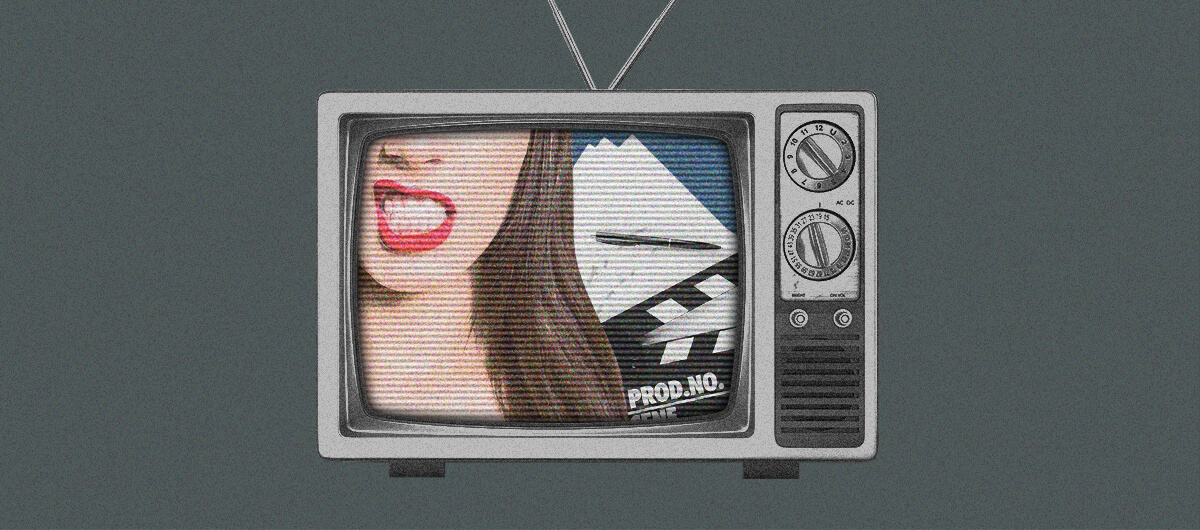
We all know that reality TV is often far from realistic. The drama is heightened, the personalities are amplified, and the editing choices are… well, let’s just say they’re deliberate. Yet, millions tune in week after week, drawn into the manufactured worlds presented on screen. This fascination with the unreal is a complex phenomenon, a blend of voyeurism, escapism, and a strangely compelling form of manufactured authenticity.
It’s a guilty pleasure, an addictive cycle of irritation and irresistible engagement.
Reality TV’s Irritation and Irresistible Qualities
Many reality shows manage to be both infuriating and captivating simultaneously. Take, for example, the endless arguments and manufactured conflicts in shows like
- The Real Housewives* franchise. The constant bickering and petty drama can be incredibly frustrating, yet viewers keep coming back for more, perhaps fueled by a morbid curiosity or a desire to see the inevitable implosion of these carefully constructed social circles. Similarly, competition shows like
- Survivor* or
- Big Brother* often involve strategic alliances and betrayals that can leave viewers feeling manipulated or even angry at the contestants’ behavior, yet the suspense and the high stakes keep us hooked until the very end. The blend of manufactured drama and the possibility of genuine human connection, however manufactured, is a powerful draw.
| Show Name | Irritation Factor (Examples) | Irresistible Element (Examples) | Overall Appeal |
|---|---|---|---|
| The Real Housewives (various franchises) | Repetitive arguments, contrived storylines, excessive wealth displays | Catfights, shocking revelations, glimpses into a lavish lifestyle | High – despite the irritation, the drama is undeniably compelling |
| Survivor | Strategic alliances, backstabbing, editing that favors certain narratives | High stakes competition, unexpected twists, the human drama of survival | High – the combination of strategy and human drama is addictive |
| Big Brother | Confined setting leading to amplified conflicts, manufactured drama, repetitive gameplay | Social dynamics, strategic gameplay, unexpected eliminations | Medium-High – the appeal relies heavily on the unpredictability of the human element |
| Love Island | Superficial relationships, manufactured drama, constant coupling/uncoupling | Romantic tension, attractive contestants, voyeuristic appeal | High – the escapism and vicarious romance are key elements |
Psychological Factors Driving Reality TV Consumption
Our fascination with manufactured drama in reality TV stems from several psychological factors. The parasocial relationships we develop with the contestants provide a sense of connection and engagement. We invest emotionally in their triumphs and failures, even though we know their actions are often influenced by producers and editing. Furthermore, reality TV offers a form of escapism; it allows us to temporarily step outside our own lives and immerse ourselves in the dramatic lives of others.
The voyeuristic aspect is also undeniable; we’re drawn to witnessing the unfolding of interpersonal conflicts and the often-uncomfortable dynamics of human interaction. The heightened emotions – anger, jealousy, love, betrayal – are all amplified for our viewing pleasure.
Manipulation of Viewer Emotions
Reality TV producers are masters of manipulating viewers’ emotions. Editing plays a crucial role; by selectively choosing scenes and altering the pacing, producers can create a narrative that emphasizes conflict and drama, while downplaying moments of genuine connection or reconciliation. The use of music and sound effects further intensifies emotional responses. For example, a tense scene might be underscored with ominous music to heighten the sense of anticipation and anxiety in the viewer.
Similarly, the carefully constructed narratives, often built around pre-existing stereotypes or tropes, aim to elicit predictable emotional responses from the audience, ensuring continued engagement. The cliffhangers and unresolved storylines at the end of each episode are a prime example of this emotional manipulation, designed to keep viewers coming back for more.
The Irritation Factor: Reality Tv Is Irritating But Irresistible

Reality TV’s addictive nature is a fascinating paradox. We’re simultaneously drawn in and repelled by its often frustrating elements. While the allure of escapism and manufactured drama is undeniable, the irritating aspects of the genre are equally significant in shaping our viewing experience. Understanding these irritations helps us appreciate the complex psychology behind our reality TV obsession.The pervasive use of specific tropes and narrative structures actively contributes to the viewer’s frustration.
Okay, so reality TV is totally trashy, I know, but I can’t look away! It’s like that irresistible train wreck you just have to watch. It’s oddly similar to the news, I guess; the drama unfolding with the wall street giants confirmed to attend hong kong global financial summit is a whole other level of captivating chaos.
I mean, who isn’t glued to the screen, waiting for the next big financial cliffhanger? Just like reality TV, right? So addictive, even though it’s kind of awful.
The constant manipulation of storylines, the predictable conflicts, and the overly-dramatic editing all play a part in this irritation. It’s a carefully constructed formula designed to keep us hooked, even when we’re simultaneously rolling our eyes.
Manufactured Conflict and Personalities
The cornerstone of many reality TV shows is manufactured conflict. Producers actively cultivate disagreements, amplify existing tensions, and sometimes even create entirely fabricated storylines to drive narrative momentum. This often leads to unrealistic portrayals of human interaction, where individuals are pushed into extreme situations and encouraged to behave in ways that may not reflect their true personalities. The resulting drama, while entertaining to some, can feel contrived and ultimately irritating to others.
Furthermore, the editing process often selectively highlights negative interactions, omitting any context that might mitigate the perceived antagonism. This manipulation can lead to viewers feeling manipulated and ultimately resentful of the show’s creators. The creation of “characters” rather than showcasing authentic individuals further exacerbates this issue. For instance, a naturally shy person might be edited to appear aggressive, while a genuinely kind person might be portrayed as manipulative.
This deliberate shaping of personalities undermines the authenticity that some viewers seek in reality television.
Ethical Considerations of Edited Narratives
The ethical implications of presenting heavily edited and potentially misleading narratives are significant. Reality TV is rarely a completely accurate reflection of real life. The editing process allows producers to shape the narrative, emphasizing certain events and omitting others, creating a specific emotional response from the audience. This selective editing can distort the truth, leading to misinterpretations of individuals’ actions and motivations.
The potential for emotional harm to participants is also a concern, as edited narratives can damage reputations and create lasting negative perceptions. Consider the countless examples of contestants whose actions are taken out of context, leading to public outrage and online harassment. The line between entertainment and exploitation becomes blurred, raising questions about the responsibility of producers and broadcasters in protecting the well-being of their participants.
Specific Irritating Elements Across Reality TV Genres
The irritation factor varies across different reality TV genres. Understanding these genre-specific annoyances provides a more nuanced understanding of the overall viewing experience.
Okay, so reality TV – it’s like that car crash you can’t look away from, right? Completely irritating, yet you’re glued to the screen. It’s the same sort of morbid fascination I felt reading about the political drama unfolding in Ohio; check out this article where Trump is slamming Ohio Democrats for twisting his Dayton hospital visit, trump criticizes ohio democrats for misrepresenting visit at dayton hospital.
It’s all so ridiculously over-the-top, it’s almost… reality TV-level drama. The irresistible pull of the absurd, I guess.
- Dating Shows: The manufactured drama, the constant emphasis on physical attractiveness over genuine connection, and the contrived conflicts between contestants.
- Competition Shows: The over-the-top editing, the relentless focus on individual rivalries rather than collaborative efforts, and the often-unrealistic challenges.
- Home Renovation Shows: The unrealistic budgets, the impossibly short timelines, and the constant stream of unexpected setbacks that conveniently get resolved within the episode’s timeframe.
- Survival Shows: The exaggerated portrayals of danger, the manufactured conflicts between contestants, and the frequent disregard for safety protocols for dramatic effect.
The “Guilty Pleasure” Aspect

We all have them – those things we enjoy despite knowing, on some level, that they aren’t exactly highbrow entertainment. For many, reality TV fits squarely into this category, embodying the quintessential “guilty pleasure.” It’s the irresistible draw of the train wreck, the compelling narrative of flawed characters, and the sheer escapism it offers that keeps us coming back for more, even when we simultaneously criticize its contrived storylines and manufactured drama.Reality TV’s appeal as a guilty pleasure lies in its ability to provide a form of escapism that’s both readily accessible and relatively low-commitment.
Unlike a complex novel or a demanding film, reality TV requires minimal mental effort. We can passively consume it while multitasking, allowing us to momentarily disconnect from the stresses of daily life. This contrasts with, say, the immersive experience of a high-quality drama series, which demands attention and often leaves viewers emotionally invested in a way that can be both rewarding and exhausting.
Even video games, while offering escapism, require active participation and often a significant time commitment. Reality TV, in its low-stakes, easily digestible format, provides a different kind of escape – a quick, readily available mental vacation.
The Voyeuristic Element in Reality TV, Reality tv is irritating but irresistible
The voyeuristic element is a crucial component of reality TV’s allure. We are, essentially, invited into the lives of strangers, witnessing their triumphs and failures, their arguments and reconciliations, all from the comfort of our own homes. This vicarious experience allows us to satisfy a natural human curiosity about the lives of others, experiencing drama and conflict without the direct consequences.
The carefully edited narratives, the heightened conflicts, and the curated personalities all contribute to this voyeuristic pleasure. The feeling of being privy to something exclusive, something others might not see, adds another layer to the addictive nature of the experience. Shows like “Big Brother,” with its constant surveillance and intimate confessions, perfectly exemplify this element.
Okay, let’s be honest, reality TV is a trainwreck I can’t look away from – the drama is just too good. But I’m starting to wonder if the DIY craze on YouTube, as highlighted in this article about how youtubes do it yourself brigade is taking on netflix and disney , might offer a more satisfying, less manufactured kind of escapism.
Maybe I’ll trade my guilty pleasure for a satisfying project. Either way, the need for mindless entertainment remains strong!
The Social Aspect of Reality TV Consumption
Watching and discussing reality TV with others enhances the experience significantly. It transforms a solitary activity into a shared social event, fostering camaraderie and creating opportunities for bonding over shared reactions and opinions. Water cooler conversations about the latest episode, online forums buzzing with speculation, and social media debates about contestants’ actions all contribute to a sense of community around these shows.
This collective experience amplifies the enjoyment, transforming the guilty pleasure into a shared, almost ritualistic, activity. The shared experience of judging characters, predicting outcomes, and analyzing the show’s narratives solidifies the social connection and deepens the overall enjoyment.
The Impact of Editing and Production
Reality TV, despite its name, is far from a straightforward reflection of reality. The shows we watch are meticulously crafted products, shaped by the hands of editors, producers, and casting directors. Understanding this process is key to appreciating both the allure and the irritation of the genre. The illusion of spontaneous drama is, in fact, a carefully constructed narrative.The power of editing in shaping the narrative is immense.
Through selective cuts, the pacing of a scene can be manipulated to heighten tension or create comedic effect. Moments of awkward silence can be excised, while fleeting expressions or gestures are amplified to suggest deeper conflicts or hidden motivations. For example, a simple conversation might be edited to emphasize disagreement, omitting moments of agreement or reconciliation, thus creating a false impression of constant friction among the participants.
The order of events can be altered to build suspense, and seemingly unrelated moments can be juxtaposed to create a false sense of connection or causality.
Selective Editing and Misrepresentation
Selective editing can easily misrepresent the actions and personalities of reality TV participants. A seemingly villainous character might have been edited to only showcase their negative interactions, omitting any instances of kindness or empathy. Conversely, a seemingly kind participant might be presented as manipulative if editors choose to highlight only certain aspects of their behavior, leaving out crucial context.
This selective showcasing can lead to a distorted perception of the individuals involved, impacting their public image and even their real-life relationships. Consider a scene where a participant makes a joke; if the editors only show the reaction of someone who was offended, the context of the joke is lost and the participant appears insensitive.
The Production Process and its Influence
The production process extends far beyond editing. Producers actively shape the environment in which the participants interact. They design challenges, orchestrate conversations, and even suggest specific actions to elicit desired reactions. The location, the rules of the game, and the provision of resources all contribute to the overall dynamic of the show. The setting itself, whether it’s a luxurious villa or a remote island, plays a crucial role in shaping the narrative and the participants’ behavior.
For instance, the confined space of a shared house can intensify conflicts, while the abundance of resources in a luxurious setting might lead to different types of drama.
Casting Choices and the Creation of Conflict
Casting is arguably the most crucial element in determining the success of a reality TV show. Producers carefully select participants with distinct personalities, often seeking individuals who are likely to generate conflict or intrigue. The casting process involves extensive interviews, personality assessments, and background checks. Producers look for individuals with strong opinions, dramatic backstories, and a willingness to engage in conflict.
They also consider the potential for chemistry – or lack thereof – between different participants. The goal is to create a balanced cast with a mix of personalities that will generate drama and keep viewers engaged. A cast filled with agreeable individuals would make for a very dull show. The careful selection and arrangement of these personalities directly influences the overall tone and appeal of the show, ensuring a constant supply of conflict and intrigue to keep viewers hooked.
Reality TV’s Cultural Impact
Reality television, despite its often-contrived nature, holds a significant mirror to society, reflecting and simultaneously shaping our values, norms, and cultural trends. Its influence is pervasive, impacting everything from fashion and language to our perceptions of relationships and success. Understanding this impact requires examining how reality TV portrays different groups and the narratives it constructs.Reality TV Reflects and Shapes Societal ValuesReality shows often present idealized (or, conversely, highly exaggerated) versions of lifestyles, relationships, and aspirations.
For example, the emphasis on wealth and material possessions in shows like “Keeping Up with the Kardashians” reflects and potentially reinforces a consumerist culture. Similarly, dating shows often highlight specific relationship ideals, influencing viewers’ expectations and potentially impacting their own dating behaviors. The constant competition and pursuit of individual success portrayed in many reality competition shows mirror the highly competitive nature of modern society, potentially fostering a sense of individualistic ambition.
Conversely, shows focusing on community and collaboration can offer a counter-narrative, highlighting the importance of collective effort.
Representation of Diverse Groups and Demographics
The representation of diverse groups in reality TV is a complex issue. While some shows actively strive for inclusivity, showcasing a wide range of ethnicities, sexual orientations, and socioeconomic backgrounds, others fall short. A lack of diversity can perpetuate existing stereotypes and reinforce societal biases. For instance, the overrepresentation of certain demographics in specific show formats can create skewed perceptions of reality.
Conversely, positive representation of underrepresented groups can challenge existing stereotypes and promote greater understanding and acceptance. Shows featuring diverse casts and storylines offer valuable opportunities to challenge biases and promote inclusivity. However, critical analysis of the portrayal of these groups is vital; even seemingly positive representation can perpetuate subtle stereotypes if not handled carefully.
Reality TV’s Impact on Popular Culture and Trends
Reality TV’s impact on popular culture is undeniable. From catchphrases and fashion trends to social media challenges and even political discourse, reality shows often shape popular culture. The rise of social media has amplified this impact, allowing for immediate feedback and engagement between viewers and participants. Shows like “RuPaul’s Drag Race” have had a significant impact on mainstream acceptance of LGBTQ+ culture, while cooking competition shows have influenced culinary trends and the popularity of specific ingredients or cooking techniques.
The constant cycle of trends originating from reality TV demonstrates its influence on consumer behavior and societal norms.
Reality TV’s paradoxical nature—irritating yet irresistible—lies in its ability to simultaneously reflect and shape our cultural landscape. It provides a distorted yet compelling glimpse into the lives of others, sparking conversations, shaping desires, and ultimately contributing to the ever-evolving tapestry of popular culture.
So, there you have it: the messy, complicated, utterly captivating world of reality TV. It’s a guilty pleasure wrapped in a package of manufactured drama, and we’re all willingly unwrapping it, one episode at a time. While the irritation is undeniable, the irresistible pull is even stronger. Maybe it’s our own need for escapism, a desire to witness human behavior at its most extreme, or simply the sheer entertainment value of watching carefully constructed narratives unfold.
Whatever the reason, the reality TV juggernaut shows no signs of slowing down, and neither does our collective fascination.