Socio Today
Jakarta, VIVA — As the automotive landscape in Indonesia continues to evolve with a growing number of vehicles on the road, the importance of comprehensive financial protection has never been more paramount. For many Indonesian motorists, the primary safeguard against the escalating costs of vehicle repairs or the catastrophic financial impact of total loss is car insurance. However, a significant gap remains in consumer literacy regarding the fundamental distinctions between the two most prevalent insurance schemes: All Risk (comprehensive) and Total Loss Only (TLO). Navigating these options is not merely a matter of premium cost; it is a strategic decision that impacts long-term asset management.
The Evolution of Automotive Financial Protection in Indonesia
The Indonesian insurance market has seen a steady trajectory of growth, driven by the increasing complexity of modern vehicles and rising maintenance costs. Historically, insurance was often viewed as a secondary consideration, purchased primarily to satisfy loan requirements. Today, as vehicle prices rise and the density of urban traffic increases, the risk of accidents—ranging from minor fender benders to major collisions—has prompted a shift in how owners perceive the necessity of robust coverage.
According to industry data from early 2026, the demand for digital insurance procurement has spiked. Consumers are increasingly turning to online platforms to compare policies, premiums, and coverage limits, reflecting a broader digital transformation within the financial services sector. As of September 2026, providers like Cermati Protect have been at the forefront of this shift, facilitating access to diverse insurance products to meet the nuanced needs of a modern, fast-paced society.
Deciphering All Risk Insurance: Comprehensive Coverage Explained
The term "All Risk" often leads to a common misconception among policyholders. While the industry standard name implies total coverage for every possible scenario, the reality is defined by specific legal and contractual parameters. All Risk insurance, formally known as comprehensive insurance, provides a broad spectrum of protection against various risks, including collisions, vandalism, fire, theft, and natural disasters, provided these events are explicitly listed within the policy’s scope.
Under an All Risk policy, an insurer covers not only major structural damage but also minor cosmetic issues, such as paint scratches, bumper dents, or broken side mirrors. This makes it an ideal choice for new vehicles or premium cars where the cost of repair is significantly higher due to specialized parts and expert labor. However, even within this comprehensive framework, exclusions exist. Acts of war, nuclear contamination, illegal usage of the vehicle, or driving under the influence are standard exclusions that render a policy void. Understanding the "fine print" of the policy document is essential for the owner to manage their expectations during the claims process.
The Specificity of Total Loss Only (TLO) Coverage
In contrast, Total Loss Only (TLO) is a more focused, budget-friendly insurance product. As the name suggests, the policy does not provide coverage for minor repairs. Instead, it is designed to protect the owner from the most severe financial losses.
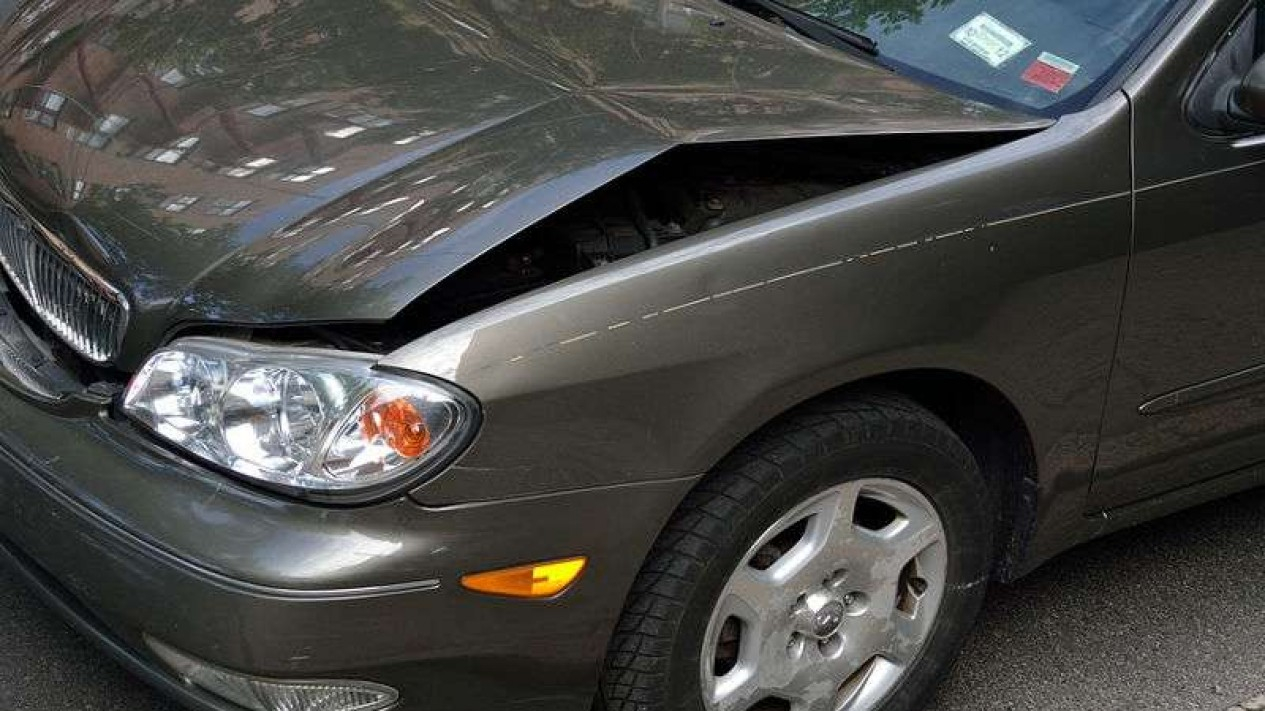
A claim under a TLO policy is generally only valid under two primary conditions:
- The vehicle is stolen or suffers from a total loss due to theft.
- The vehicle sustains damage that renders it beyond economical repair.
The industry benchmark for "total loss" is typically defined when the estimated cost of repairs reaches or exceeds 75% of the vehicle’s market value at the time of the incident. If a vehicle is involved in a minor collision that results in a dented door or a cracked windshield, a TLO policy will not cover the repair costs. This makes TLO a popular choice for older vehicles where the market value has depreciated significantly, and the owner is primarily concerned with the catastrophic risk of total theft or a major accident rather than day-to-day maintenance costs.
Comparative Economic Analysis: Premiums and Risk Appetite
The disparity in coverage breadth naturally results in a significant difference in premium pricing. All Risk insurance commands a higher premium because the insurer assumes a higher frequency of claims. Conversely, TLO insurance is significantly more affordable, serving as a risk-mitigation tool for owners who possess a higher tolerance for minor repair expenses but seek protection against the total loss of their capital investment.
Financial analysts often suggest that the choice between these two should be dictated by the age of the vehicle and the owner’s financial liquidity. For a vehicle under five years old, which is often still under a financing contract or maintains a high resale value, All Risk is generally considered the standard recommendation. For vehicles exceeding this age, where the repair costs for minor damage can be handled out-of-pocket, switching to TLO can represent a pragmatic cost-saving measure without leaving the owner completely exposed to the risk of total loss.
Industry Perspectives on Consumer Empowerment
The digital transition in insurance, as noted by industry leaders, is fundamentally about transparency. Juanri, VP of Insurance at Cermati Protect, emphasized that the decision-making process for vehicle owners must be rooted in clear information. "Our objective is to bridge the gap between complex insurance terminology and the everyday needs of the driver," Juanri stated during an address on September 14, 2026.
By leveraging digital platforms, companies like Cermati Protect are not only simplifying the procurement process but also providing comparison tools that allow users to view the exact scope of coverage from over 10 different insurance partners. This democratization of information is a significant milestone for the Indonesian insurance industry, which recently saw institutions like MSIG Life reporting a 69% surge in net profit during the first half of 2026, signaling a robust and growing appetite for insurance products across various sectors.
The Role of Technology in Claims Processing
The modernization of the insurance sector has extended beyond the point of sale. Digital integration has revolutionized the claims experience. In the past, filing a claim was a tedious process involving physical documentation and multiple office visits. Today, mobile applications allow policyholders to upload photos of damage, file police reports for theft, and track the progress of their claims in real-time.

For All Risk policyholders, this means faster access to authorized repair shops, reducing vehicle downtime. For TLO policyholders, the digital process ensures that the evaluation of "total loss" is conducted with greater accuracy, using standardized market data to determine the current cash value of the vehicle. This technological maturity reduces the potential for disputes and increases trust between the insurer and the insured.
Strategic Implications for Vehicle Owners
As the automotive market in Indonesia continues to mature, owners must treat their vehicles not just as means of transportation, but as significant assets that require a tailored protection strategy. The choice between All Risk and TLO is not a static one; it should be reviewed periodically.
A logical framework for an owner to follow includes:
- Vehicle Assessment: Determine the current market value and the remaining balance of any existing car loan.
- Risk Profiling: Assess the frequency of vehicle usage and the safety of the environment where the vehicle is parked.
- Budget Alignment: Evaluate the ability to cover small repair costs independently versus the need to offload that risk to an insurer.
- Policy Review: Regularly audit existing coverage to ensure that the sum insured remains aligned with the vehicle’s current market value, preventing over-insurance or under-insurance.
Broader Market Trends and Future Outlook
The Indonesian insurance industry is entering a phase of consolidation and increased service quality. Awards such as the Service Quality Award 2026 for Car Insurance Online Purchase Service Experience serve as indicators that service standards are becoming a key competitive differentiator. As insurers compete for market share, they are increasingly offering value-added services, such as emergency roadside assistance, car replacement services, and direct partnerships with specialized repair workshops.
The trajectory for the remainder of 2026 and into 2027 suggests that as the automotive sector incorporates more advanced technology—such as electric vehicles (EVs) and autonomous driving features—insurance policies will need to evolve further. The complexity of EV batteries and sensors will likely require a specialized approach to "All Risk" coverage, potentially increasing the cost of premiums but also highlighting the necessity of comprehensive protection for high-tech vehicles.
Conclusion: Making an Informed Choice
In conclusion, the decision between All Risk and TLO insurance is a vital component of responsible vehicle ownership. While All Risk offers peace of mind through comprehensive coverage for both minor and major incidents, TLO provides a focused, cost-effective safety net against total loss. By understanding the distinct mechanics of these policies, recognizing the importance of one’s own risk profile, and utilizing the digital tools now available, Indonesian drivers can ensure their assets are protected with precision.
The industry’s move toward transparency and digital efficiency is a positive development for all stakeholders. As long as owners remain diligent in reading their policies and proactive in assessing their needs, they can navigate the roads with the confidence that their financial interests are secure, regardless of the unexpected challenges that may arise.