Socio Today
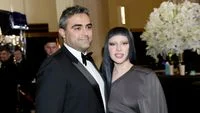
The Indonesian entertainment landscape has once again been shaken by digital speculation, as veteran singer and artist Dewi Gita unexpectedly found herself at the center of unverified rumors linking her to comedian and television personality Andre Taulany. The controversy erupted across various social media platforms following the circulation of a leaked WhatsApp conversation screenshot, which quickly ignited widespread public curiosity and detective work among internet users. Within these digital circles, online sleuths attempted to decode the identity of a mysterious female figure referenced by the moniker "Degoy" within the chat logs. Without any official substantiation or direct naming by the original posters, public suspicion eventually cascaded toward Dewi Gita, the renowned wife of Gigi band vocalist Armand Maulana.
This unexpected association has thrust the seasoned songstress back into the intense media spotlight, contrasting sharply with her decades-long reputation for maintaining a relatively private and scandal-free personal life. While the digital sphere continues to churn out theories and speculation, industry observers and media analysts have urged caution, emphasizing the lack of concrete evidence connecting the veteran performer to the viral allegations. As public interest surges, the incident highlights the volatile nature of social media culture in contemporary celebrity journalism, where anonymous screenshots and unverified rumors can rapidly entangle public figures who have spent decades building respected artistic legacies.
Chronology of the Viral Rumors and the Emergence of the "Degoy" Speculation
The timeline of the current controversy began with the sudden viral dissemination of cropped messaging screenshots across platforms like X, formerly Twitter, and TikTok. These digital fragments purportedly revealed private discussions involving high-profile personalities, though critical details such as timestamps, complete participant lists, and context were largely missing. As netizens dissected the text messages line by line, the nickname "Degoy" emerged as a focal point of interest. Social media users began cross-referencing public figures whose nicknames, initials, or professional personas bore a phonetic or stylistic resemblance to the term.
In the absence of factual clarity, speculation quickly snowballed, leading various commentators to project theories onto Dewi Gita simply due to superficial similarities in nomenclature and her prominent status within the entertainment industry. Despite the rapid escalation of online gossip, neither Andre Taulany nor Dewi Gita, nor any official representatives for the respective parties, have validated the authenticity of the leaked conversations. Media watchdogs note that the phenomenon underscores a recurring challenge in the digital age, where unverified social media chatter can easily overshadow professional achievements, compelling the public to separate substantiated journalism from baseless internet rumors.
A Storied Artistic Journey: The Professional Background of Dewi Gita
To understand the broader context of Dewi Gita’s current media spotlight, it is essential to examine her extensive and distinguished career in the Indonesian entertainment sector. Born Dewi Yuliarti in Bandung, West Java, on July 28, 1970, her trajectory in the arts began long before she became a household name in the Indonesian pop music scene. Unlike many of her contemporaries who began directly in vocal performance, Dewi’s early artistic immersion was rooted in traditional and contemporary dance. From a young age, she dedicated herself to mastering complex choreographies and stage performance, developing a profound stage presence that would later define her career as a multifaceted entertainer.
As she transitioned into her late teens, Dewi’s artistic aspirations expanded toward vocal performance. By the age of 18, she began participating in competitive singing circuits across West Java and the national stage, rapidly accumulating accolades that underscored her raw talent and vocal versatility. Her early achievements included securing the title of champion at the West Java Pop Singer Festival, followed by capturing the top honor at the West Java Keroncong Competition in 1988. Momentum continued to build when she was named the winner of the prestigious Bintang Radio and Televisi West Java competition in 1989. These foundational victories cemented her reputation as a rising musical prodigy capable of navigating diverse genres, from contemporary pop to traditional Indonesian keroncong.
International Recognition and Breakthrough in the Indonesian Music Industry
Dewi Gita’s ascent reached a major milestone in 1992 when she represented Indonesia on the international stage at the highly competitive Asia Bagus talent search. Competing against elite vocalists from across the region, she delivered stellar performances that earned her the runner-up position, securing the title of Grand Champion Asia Bagus Runner-Up II. This international exposure validated her status as a world-class talent and opened numerous doors within the professional recording industry.
Her official entry into the commercial music market occurred in 1990 with the release of her debut single, "Jujur." The track received favorable airplay across national radio stations, introducing her distinct vocal tone to a broader audience. Building upon this initial success, Dewi released her debut studio album, titled Penari, in 1995. The album’s title—translating to "The Dancer"—served as a subtle nod to her foundational roots in the world of dance, gracefully bridging her physical artistry with her vocal capabilities.
The late 1990s and early 2000s marked a prolific period for her discography. In 1996, she released her second studio album, Apa Jadinya, which further solidified her footprint in the competitive pop landscape. As her artistic maturity deepened, she released subsequent albums, including Padamu in 1999 and Kegaiban Biru in 2000. Each release showcased her evolving vocal range and lyrical depth, earning her critical acclaim and a loyal fan base that appreciated her commitment to musical integrity over fleeting commercial trends.
Balancing Stardom with Family Life: Marriage to Armand Maulana
Beyond her solo musical achievements, Dewi Gita’s personal life has frequently intersected with the public eye due to her high-profile marriage to Armand Maulana, the charismatic frontman of the legendary rock band Gigi. The couple tied the knot on January 11, 1994, in a ceremony that captured the attention of entertainment journalists and fans alike. Their union has long been celebrated as one of the most enduring and harmonious marriages within the Indonesian celebrity community, weathering the inevitable pressures of dual high-profile entertainment careers for over three decades.
In 1995, the couple welcomed their first and only child, a daughter named Naja Dewi Maulana. The arrival of Naja marked a profound shift in Dewi’s personal priorities. Recognizing the demands of an active touring and recording schedule, she made the conscious decision in 2001 to step back from the relentless pace of the entertainment industry. She chose to redirect her time and energy toward creating a stable, nurturing home environment for her growing daughter, while supporting her husband’s flourishing career with Gigi.
Despite reducing her public appearances, Dewi never fully severed her ties with music or the arts. She periodically collaborated on musical projects, made selective television appearances, and engaged in theatrical productions, demonstrating that her passion for performance remained undiminished even as she prioritized her responsibilities as a mother and wife.
The Broader Implications of Social Media Speculation on Public Figures
The sudden resurfacing of Dewi Gita’s name in connection with unverified rumors offers a case study in the modern vulnerabilities of public figures facing digital speculation. In an era where information—and misinformation—travels at unprecedented speeds, established artists with decades of clean public service can find their reputations temporarily subjected to the whims of anonymous online commentators. Media ethics experts frequently point out that the amplification of unverified claims not only invades personal privacy but also creates unnecessary distress for families who have meticulously shielded their personal lives from tabloid culture.
For veterans like Dewi Gita and Armand Maulana, who have maintained a dignified public presence for over thirty years, such digital storms test the resilience of their public image. Industry analysts emphasize that the best defense against baseless rumors is adherence to factual reporting and a steadfast refusal to dignify speculative gossip with reactionary statements. As the current digital chatter gradually loses momentum in the absence of credible evidence, the episode serves as a reminder of the enduring power of a solid reputation built on decades of genuine artistic contribution.
Conclusion: Refocusing on Legacy Over Rumor
As the dust begins to settle around the unwarranted speculation involving Dewi Gita and Andre Taulany, public discourse is slowly returning to a more rational perspective. The incident, while disruptive, ultimately serves to highlight the remarkable endurance of Dewi’s career and her enduring status as a respected figure in Indonesian arts and culture. From her early days as a dedicated dancer in Bandung to her triumphs on international singing stages and her enduring marriage to Armand Maulana, her legacy is defined by artistic excellence rather than fleeting internet controversies. As media consumers continue to navigate the complex landscape of digital information, the overarching narrative remains clear: genuine achievement and a lifetime of dedicated artistry far outlast the temporary noise of social media gossip.