Socio Today
The landscape of Southeast Asian international football has officially entered a transformative era, drawing high praise from key figures within the region. Among them is star defender and national team stalwart Dion Cools, who has expressed strong admiration for the newly structured FIFA ASEAN Cup 2026. Speaking ahead of Malaysia’s crucial opening fixture against Bangladesh in Jakarta, Cools highlighted how the tournament’s official recognition by world football’s governing body has fundamentally elevated the competitive standard, ensuring that fans across the region witness the absolute best talent on display.
A Turning Point for Regional Football: The Official Status of the 2026 Tournament
For decades, regional tournaments in Southeast Asia operated outside the strict international match calendars governed by FIFA. This historical scheduling dynamic frequently created friction between national associations and professional clubs—particularly those based in Europe, East Asia, and the Americas—who were under no mandatory obligation to release their star players for regional competitions. Consequently, national teams often had to field second-string squads, dampening the overall quality and global prestige of the championship.
The inception of the FIFA ASEAN Cup 2026 marks a historic departure from this precedent. By incorporating the tournament directly into the official international framework, FIFA has granted the competition mandatory release status. This regulatory shift compels all domestic and international clubs to release summoned players without resistance. As a consequence, national team coaches across Southeast Asia now possess unprecedented access to their strongest possible rosters, creating a truly elite competitive environment that accurately reflects the region’s growing footballing potential.
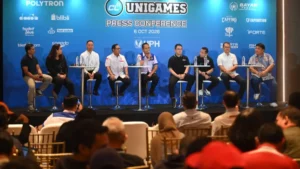
During the official pre-match press conference held in Jakarta on Thursday, September 24, 2026, Dion Cools did not hesitate to emphasize the monumental impact of this administrative change. Addressing journalists gathered from across the continent, the seasoned defender underscored why this tournament holds a unique significance for both players and supporters.
"Tentu saja selalu spesial untuk bermain di tingkat regional. Saya pikir untuk sebuah turnamen, Anda selalu menginginkan skuad terbaik yang tersedia. Jadi saya pikir FIFA telah melakukan pekerjaan dengan baik dalam mengorganisir turnamen ini," stated Cools, reflecting in his native bilingual approach before expanding on the seamless operational standards maintained by the organizers. He noted that the meticulous logistical planning and professional execution by FIFA and local organizing committees have allowed athletes to channel their complete focus toward tactical execution and on-field performance.
Harimau Malaya’s Readiness and Tactical Outlook in Jakarta
Malaysia arrives in the Indonesian capital carrying high expectations, fueled by a rigorous preparation period and a clean bill of health across the entire 23-man squad. Under the astute guidance of head coach Tan Cheng Hoe, the Harimau Malaya have spent the preceding weeks fine-tuning their tactical approach, balancing defensive solidity with dynamic transition play.

Cools confirmed that the squad’s physical conditioning is at an optimal level, removing any lingering concerns regarding fatigue or minor knocks ahead of the opening Group A fixture. The defender’s leadership will be vital as Malaysia navigates a challenging group stage that also features tournament favorites Indonesia—a side widely recognized for boasting a wealth of European-based talent—alongside other formidable regional contenders.
For Cools personally, the match carries an additional layer of anticipation. Despite his extensive international experience spanning multiple continents and elite competitions, the defender revealed that Thursday’s opening match will mark his very first firsthand experience inside the legendary Stadion Utama Gelora Bung Karno (SUGBK). The iconic venue, renowned for its cavernous architecture and intensely passionate home crowds, represents one of the most intimidating yet inspiring cauldrons in Asian football.
"Tim sudah siap, para pemain dalam kondisi fit, jadi kami siap untuk tampil besok. Saya menantikan turnamen ini dan semoga kami bisa mencapai sesuatu yang baik untuk negara kami, Malaysia," Cools remarked, radiating quiet confidence. Addressing the prospect of stepping onto the pristine turf of SUGBK, he added, "Saya belum melihatnya secara langsung, jadi ya, saya pikir besok akan menjadi yang pertama kalinya bagi saya untuk melihat-lihat situasi di dalam stadion, jadi saya sangat bersemangat."
Coach Tan Cheng Hoe Emphasizes Early Momentum
Echoing the optimism radiating from his defensive leader, Malaysia head coach Tan Cheng Hoe stressed the absolute necessity of securing maximum points from the opening fixture. In tournament football, where margins for error are exceptionally narrow, establishing early momentum in the group stage can dictate the entire trajectory of a team’s campaign.
Tan acknowledged the immense quality present within Group A, publicly conceding that arch-rivals Indonesia enter the competition with a notable tag as group favorites, largely driven by their aggressive recruitment of dual-national players plying their trade across competitive European leagues. However, the experienced tactician maintained that Malaysia’s primary objective remains internal: executing their tactical blueprint flawlessly, minimizing unforced errors, and exploiting Bangladesh’s defensive vulnerabilities.
The Harimau Malaya technical staff has dedicated considerable analytical hours to dissecting Bangladesh’s tactical tendencies, ensuring that the players are well-prepared for any strategic shifts their opponents might deploy. With a fully fit 23-man roster at his disposal, Tan faces enviable selection dilemmas, particularly regarding midfield balance and the fluidity of the attacking transition.
Broader Implications and Strategic Analysis of the FIFA ASEAN Cup 2026
The integration of the FIFA ASEAN Cup into the official international calendar carries profound long-term implications for the economic, commercial, and sporting trajectory of football in Southeast Asia. From a sporting perspective, the mandatory release of Europe- and Asia-based professionals dramatically narrows the competitive gap between traditional regional powerhouses and rising federations. It tests depth, tactical adaptability, and sports science infrastructure under intense competitive pressure.

Commercially, the tournament serves as a prime vehicle for broadcast rights holders, corporate sponsors, and merchandising partners. With star players actively participating, television viewership and digital engagement metrics are projected to shatter historical benchmarks set by previous iterations of regional championships. For brands seeking direct access to one of the world’s most passionate and demographically youthful football consumer bases, the tournament offers unmatched visibility.
Furthermore, the participation of top-tier talent enhances the scouting ecosystem. European and East Asian talent scouts, who historically viewed regional Southeast Asian tournaments with limited sporting relevance due to depleted squads, are now closely monitoring matches in Jakarta and other host cities. Performances during the FIFA ASEAN Cup 2026 could serve as direct catalysts for ambitious local players seeking lucrative transfers to higher-tier leagues abroad.
Chronology of Events Leading to the Opener
The journey toward the FIFA ASEAN Cup 2026 kick-off in Jakarta has been characterized by meticulous institutional coordination:
- Early 2025: FIFA formally announces the integration of the ASEAN Cup into the official international match calendar, confirming mandatory club release rules.
- Mid-2026: National federations finalize preliminary training camp schedules and logistical arrangements in host venues across Indonesia and co-host nations.
- September 20–22, 2026: Delegations, including the Malaysian national team, arrive in Jakarta, setting up operational headquarters and beginning acclimation training sessions.
- September 24, 2026: Pre-match press conferences are conducted, featuring key players like Dion Cools and head coaches addressing media representatives regarding squad fitness and tactical readiness.
- September 25, 2026: The official tournament curtain-raiser commences at Stadion Utama Gelora Bung Karno, marking a historic milestone for regional sports administration.
Conclusion: A Defining Moment for Malaysian Football
As the countdown to the opening whistle ticks down, the mood within the Malaysian camp is one of intense focus tempered by genuine excitement. Under the leadership of experienced professionals like Dion Cools and the tactical stewardship of Tan Cheng Hoe, the Harimau Malaya stand prepared to test their mettle against the finest the region has to offer.
The FIFA ASEAN Cup 2026 is much more than a collection of football matches; it is a showcase of Southeast Asia’s collective athletic evolution. For Malaysia, a strong start against Bangladesh in the imposing arena of SUGBK will not only validate their rigorous preparations but also lay a solid foundation for a deep and memorable tournament run. As the eyes of the continent turn toward Jakarta, the stage is set for a compelling exhibition of regional pride, tactical brilliance, and unyielding competitive spirit.