Socio Today
JAKARTA – A recent survey conducted by Parameter Politik Indonesia has identified Taj Yasin Maimoen, the former Deputy Governor of Central Java from 2018 to 2023, as the most popular figure in the nascent race for the Central Java gubernatorial election. The data, collected between May 15 and May 21, 2024, positions Maimoen at the forefront of public awareness, signaling the early contours of a potentially competitive political landscape in one of Indonesia’s most populous and strategically vital provinces.
Adi Prayitno, Executive Director of Parameter Politik Indonesia, announced the findings in an online release observed from Jakarta on Wednesday, May 29, 2024. According to the survey, approximately 52.1 percent of respondents indicated familiarity with Taj Yasin Maimoen. The methodology involved direct questioning, where respondents were asked individually whether they recognized specific political figures. This metric, focusing on public awareness, serves as an initial gauge of a candidate’s visibility and resonance with the electorate.
Following Taj Yasin Maimoen in the popularity rankings is Hendrar Prihadi, the current Head of the Government Goods/Services Procurement Policy Institute (LKPP) and former Mayor of Semarang, who garnered a 40 percent recognition rate. Occupying the third spot is Kendal Regent Dico Ganinduto, with 38.1 percent. Prayitno emphasized that the individuals included in the survey were those frequently discussed or consistently associated with the possibility of running in the upcoming Central Java Pilkada. "These are individuals whom we believe possess potential or are often subjects of public discourse regarding their prospective candidacies in the Central Java Pilkada. When we tally them one by one, this is the general snapshot of their popularity," Prayitno explained.
Despite these early indicators of popularity, Prayitno cautioned that none of the identified figures have yet achieved a "shining" or overwhelmingly dominant level of public recognition that would typically mark a clear frontrunner. This suggests that the race for Central Java’s top executive position remains wide open, with ample room for other contenders to emerge or for the current leaders to consolidate their positions.
Central Java: A Pivotal Political Arena
Central Java, often referred to as ‘Kandang Banteng’ (the bull’s stable) due to its historical status as a stronghold for the Indonesian Democratic Party of Struggle (PDI-P), holds immense political significance in Indonesia. With a population exceeding 37 million people, it is the third most populous province and a crucial electoral battleground. Its diverse demographics, encompassing traditional Javanese culture, strong Islamic communities, and significant urban centers, present a complex political tapestry. The gubernatorial election in Central Java is not merely a regional affair but often serves as a barometer for national political sentiment, influencing party strategies and national leadership dynamics.
The province’s economic profile is also diverse, ranging from agriculture and traditional crafts to burgeoning industrial zones, particularly around Semarang and Solo. Key challenges facing Central Java include equitable economic development, infrastructure improvement, environmental sustainability, and enhancing the quality of public services. Candidates vying for the gubernatorial seat will need to articulate clear visions and actionable plans to address these multifaceted issues, transcending mere popularity to demonstrate leadership capability and a deep understanding of the province’s needs.
The Chronology of the 2024 Pilkada and Survey Insights
The survey conducted by Parameter Politik Indonesia falls within a critical period leading up to the simultaneous regional elections (Pilkada Serentak) scheduled nationwide for November 27, 2024. The electoral timeline is stringent, with several key phases preceding election day. Candidate registration with the General Election Commission (KPU) is typically scheduled for August, followed by a campaign period, and then the voting itself. Early surveys like this one are vital tools for political parties and prospective candidates to gauge public sentiment, identify strengths and weaknesses, and formulate strategic campaign plans.
The data collection window of May 15-21, 2024, places the survey shortly after the national general elections (Presidential and Legislative) held in February 2024. This timing is crucial as it reflects public opinion in the immediate aftermath of a highly charged national political contest, potentially capturing lingering sentiments or shifts in voter behavior. The results, released on May 29, provide an initial public pulse on who might capture the imagination of Central Javanese voters.
The "awareness" metric employed by Parameter Politik Indonesia is a foundational step in political polling. While not directly measuring "electability" (the likelihood of being chosen), it indicates how well-known a candidate is among the general populace. High awareness is a prerequisite for high electability, as voters cannot choose someone they do not know. The fact that Taj Yasin Maimoen leads with 52.1% suggests a significant portion of the electorate recognizes his name, likely due to his recent tenure as Deputy Governor and his prominent family background. However, the fact that nearly half of the respondents do not recognize him, and that the top three candidates collectively account for less than a cumulative 130% (indicating overlap in recognition but also significant portions of the electorate unfamiliar with any of them), underscores the nascent stage of the race.
Profiles of the Leading Contenders
-
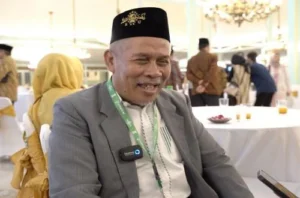
Taj Yasin Maimoen: As the son of the late Maimoen Zubair, a highly revered cleric (Kyai) and leader of the Sarang Islamic boarding school (pesantren) in Rembang, Taj Yasin carries significant religious and traditional influence. His father was a spiritual guide for many and a powerful figure within the Nahdlatul Ulama (NU), Indonesia’s largest Islamic organization. Taj Yasin’s political career includes serving as Deputy Governor of Central Java alongside Governor Ganjar Pranowo. This experience provides him with firsthand knowledge of provincial governance and a network within the bureaucracy. His appeal largely stems from his lineage, connecting him to a vast network of pesantren and NU followers, combined with his governmental experience. He is typically associated with the United Development Party (PPP), a party with a strong Islamic base. His challenge will be to broaden his appeal beyond his traditional support base and articulate a modern, inclusive vision for Central Java.
-
Hendrar Prihadi: A seasoned politician from the PDI-P, Hendrar Prihadi brings a strong track record of executive leadership. His tenure as Mayor of Semarang, the provincial capital, was widely regarded as successful, marked by improvements in infrastructure, urban planning, and public services. His current role as Head of LKPP, a national agency, also provides him with experience in public procurement and good governance at a broader scale. Prihadi’s strengths lie in his proven administrative capabilities, his affiliation with the dominant political party in Central Java (PDI-P), and his appeal to urban voters and those seeking experienced governance. His challenge might be to connect with rural communities and non-PDI-P aligned voters across the entire province.
-
Dico Ganinduto: As the relatively young Regent of Kendal, Dico Ganinduto represents a new generation of political leaders. His regional executive experience, while localized, positions him as a potential candidate with fresh ideas and dynamism. Ganinduto is affiliated with the Golkar Party, another major political force in Indonesia. His youthful appeal and focus on local development could resonate with younger voters and those looking for a departure from traditional political figures. His primary challenge will be to elevate his profile from a regional leader to a provincial one, demonstrating a comprehensive understanding of Central Java’s diverse needs and building broader recognition and support.
The Road Ahead: Dynamics of Party Endorsements and Coalition Building
The journey to the gubernatorial seat involves navigating complex party politics. Under Indonesian election law, candidates for regional elections must be nominated by political parties or coalitions of parties that collectively hold at least 20% of the seats in the provincial legislative assembly (DPRD) or 25% of the popular vote in the previous legislative election. For Central Java, this means securing significant party backing.
The PDI-P, with its strong presence in the Central Java DPRD, holds a pivotal position. Its internal candidate selection process will be crucial, and a nomination from PDI-P is a significant advantage. However, other parties such as Golkar, PKB (National Awakening Party), Gerindra, NasDem, PKS (Prosperous Justice Party), and PPP will also be instrumental in forming coalitions. These parties will be evaluating potential candidates based on their electability, party loyalty, and ability to form effective alliances.
Political observers anticipate a flurry of negotiations and maneuvering in the coming months. Candidates who are popular but lack strong party backing will face an uphill battle. Conversely, a less popular candidate with robust party machinery and a well-funded coalition could still emerge as a formidable contender. The ability to build broad-based support, both among political elites and the grassroots, will be paramount.
Inferred Reactions and Strategic Implications
While official statements from the candidates regarding these early survey results are typically measured, political analysts anticipate their reactions to be cautiously optimistic. Taj Yasin Maimoen, for instance, is likely to express gratitude for the public’s trust while emphasizing his commitment to serving Central Java and awaiting directives from his party and religious elders. Hendrar Prihadi would probably reiterate his focus on his current duties at LKPP but signal his readiness to contribute to the region if called upon by the PDI-P. Dico Ganinduto might view the results as motivation to continue his work in Kendal, suggesting an openness to broader service if the opportunity arises.
For the political parties, these survey findings serve as crucial data points. The PDI-P will analyze Hendrar Prihadi’s performance alongside other potential internal candidates, weighing his appeal against the party’s broader strategic goals. PPP will likely see Taj Yasin’s lead as a validation of his public profile and a strong argument for his nomination. Golkar will use Dico Ganinduto’s numbers to assess his potential as a future leader within the party and the province. The overarching implication is that parties will intensify their internal polling, candidate vetting, and coalition discussions based on such initial public sentiment indicators.
Challenges and Opportunities for Aspiring Candidates
The "no candidate is truly outstanding" observation by Adi Prayitno highlights both the challenges and opportunities in the Central Java gubernatorial race.
Challenges:
- Low Overall Popularity: With no candidate surpassing 60% awareness, all contenders face the significant task of increasing their public recognition and converting that awareness into favorable perception and ultimately, votes.
- Building Coalitions: Securing the necessary party endorsements will require extensive negotiation and compromise, potentially leading to power-sharing arrangements or concessions that could dilute a candidate’s original platform.
- Campaign Funding: Gubernatorial campaigns in a province the size of Central Java are expensive, requiring substantial financial resources for outreach, advertising, and logistical support.
- Navigating Regional Complexities: Central Java’s diverse political and social landscape demands a nuanced campaign strategy that can appeal to various demographics, from urban professionals to rural farmers and traditional religious communities.
Opportunities:
- Open Field: The absence of a clear frontrunner means the race is highly dynamic. A well-executed campaign, a compelling narrative, or a strong endorsement from a national figure could quickly shift public opinion.
- Policy Differentiation: Candidates have an opportunity to distinguish themselves through robust policy platforms addressing critical issues like economic development, job creation, education, and healthcare, thereby winning over voters who are looking beyond mere popularity.
- Youth and New Voters: With a significant portion of the electorate being young or first-time voters, candidates who can connect with this demographic through modern communication strategies and relevant issues could gain a significant edge.
- Leveraging National Momentum: The outcomes and alliances formed during the 2024 Presidential Election could be leveraged by regional candidates to garner support and resources from national political parties.
Broader Impact and Future Outlook
The Central Java gubernatorial election is more than just a contest for a regional leadership position; it is a critical component of Indonesia’s decentralized democratic system. The quality of leadership chosen will directly impact the lives of millions, influencing policy decisions across various sectors. The race will also serve as a test of the vitality of Indonesian democracy, showcasing the interplay between public opinion, party politics, and candidate strategies.
The Parameter Politik Indonesia survey provides an early, albeit preliminary, glimpse into this unfolding political drama. As the election draws closer, more sophisticated polling, public debates, and intense campaigning will undoubtedly shape voter perceptions. The path from initial popularity to electability is arduous, demanding strategic acumen, effective communication, and a genuine connection with the aspirations of the Central Javanese people. The coming months will reveal whether Taj Yasin Maimoen can maintain his lead, if Hendrar Prihadi or Dico Ganinduto can close the gap, or if new formidable contenders will emerge to challenge the current frontrunners in this crucial provincial battle.