Silver’s Ascent: Unpacking the Strategic Value and Growing Investment Appeal of the ‘Poor Man’s Gold’

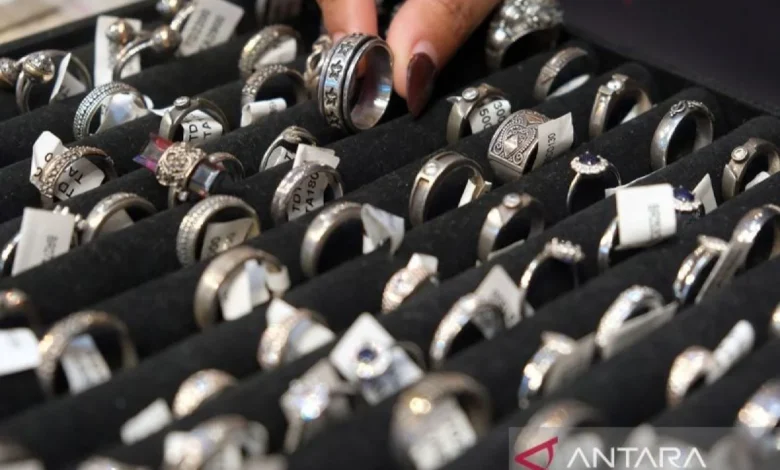
Jakarta, Indonesia (ANTARA) – Beyond the perennial allure of gold, silver has firmly established itself as another precious metal of significant strategic value, increasingly recognized as a robust investment instrument. Its popularity has been on a steady upward trajectory, fueled by a growing public awareness of its multifaceted potential for profitability in the future. For discerning investors keen to tap into this market, silver investments are readily accessible through a spectrum of official channels, including established formal financial institutions and specialized precious metals vendors, all rigorously vetted for their credibility and adherence to industry standards.
From Ancient Commerce to Modern Catalyst: A Historical Overview
To fully appreciate silver’s contemporary significance, it is essential to trace its journey through history. Revered for millennia, silver’s distinctive metallic gray sheen and inherent malleability have cemented its place in human civilization. Historically, silver played a pivotal role as a primary medium of exchange, underpinning ancient economies from the Roman Empire to the vast trade networks of Asia. Its use as coinage was widespread, offering a more accessible alternative to gold for everyday transactions while still embodying intrinsic value. Beyond its monetary function, silver became a potent symbol of wealth and status, adorning royalty and nobility in intricate jewelry, ceremonial objects, and sophisticated household utensils. Artifacts from various civilizations consistently demonstrate silver’s esteemed position, showcasing its transformation from raw ore into objects of both utilitarian and aesthetic value.
The industrial revolution further diversified silver’s utility, particularly in photography, where its light-sensitive properties were indispensable for over a century. However, the digital age, rather than diminishing its importance, has propelled silver into an entirely new realm of demand. Today, silver is not merely a relic of historical opulence but a critical component in cutting-edge technologies, transitioning seamlessly from a traditional store of value to an indispensable industrial commodity. This evolution has significantly broadened its investment appeal, attracting a new generation of investors looking beyond traditional asset classes.
The Unique Characteristics and Industrial Backbone of Silver
At its core, silver is a remarkable element. As detailed by sources like Sahabat Pegadaian, silver is instantly recognizable by its characteristic lustrous metallic gray appearance. More than just an aesthetically pleasing metal, silver possesses a unique combination of economic value and unparalleled physical properties. It boasts the highest electrical conductivity of all metals, surpassing even copper and gold, making it indispensable in electronics. Furthermore, it holds the highest thermal conductivity among metals and is the most reflective element, lending itself to applications ranging from solar panels to specialized mirrors. Its inherent softness and exceptional malleability and ductility mean it can be easily shaped, drawn into wires, or flattened into sheets without fracturing, rendering it a vital element across numerous sectors of global trade and industry.
This combination of properties underpins silver’s crucial role in modern manufacturing. For instance, in the rapidly expanding solar energy sector, silver paste is a fundamental component in photovoltaic cells, facilitating the efficient capture and conversion of sunlight into electricity. The global push towards renewable energy sources directly translates into increased demand for silver. Similarly, the proliferation of smart technological devices—from smartphones and tablets to advanced medical equipment and sophisticated robotics—relies heavily on silver for its superior conductivity in circuit boards, switches, and connectors. The automotive industry, particularly with the accelerating transition to electric vehicles (EVs), is another significant consumer of silver, utilizing it in various electrical contacts and battery systems. These diverse and growing industrial applications create a robust baseline demand that often buffers silver’s price against fluctuations purely driven by investment sentiment, making it a unique hybrid asset.
Silver as a Strategic Investment: Beyond Its Lustrous Appeal
In the current landscape of rapid digitalization and technological advancement, silver has undergone a profound transformation, emerging as a highly liquid and strategically valuable financial asset. The massive and ongoing development of smart technology devices and sophisticated robotics has led to an exponential surge in the demand for silver as a raw material. This escalating industrial consumption, combined with its traditional role as a safe-haven asset, is a powerful catalyst for increased investment interest in the metal. Analysts widely predict that this interest will continue to strengthen, driven by the world’s increasing reliance on future technological innovation and the inevitable demand for the raw materials that power it.
According to data from the Silver Institute, global silver demand hit a record high in 2022, reaching 1.24 billion ounces, with industrial fabrication accounting for a significant portion. This trend is expected to continue, with industrial demand projected to reach new highs in the coming years. This strong underlying demand differentiates silver from purely speculative assets and provides a tangible floor to its value. Moreover, in times of economic uncertainty, geopolitical instability, or inflationary pressures, both institutional and retail investors often flock to precious metals like silver, viewing them as reliable stores of value that can preserve wealth when traditional currencies or equities falter. This "safe haven" characteristic, coupled with its industrial utility, positions silver as a compelling asset for portfolio diversification.
Navigating the Silver Market: Understanding Investment-Grade Forms
For prospective investors, especially those new to precious metals, it is crucial to understand that not all forms of silver are equally suitable for investment purposes. The key differentiator lies in purity and form. Generally, the most recommended instruments for investment are those made from fine silver, also known as pure silver, which boasts a purity level of up to 99.9%. This includes silver in the form of bullion bars, investment-grade coins, and even silver grains. These forms are highly valued as investment assets precisely because of their exceptional purity.
However, a direct consequence of this high concentration of pure silver, unalloyed with other metals, is its inherent softness. Fine silver is quite malleable and susceptible to scratches and dents. This characteristic makes it impractical for direct use as the primary material in most jewelry, which requires greater durability for everyday wear.
Conversely, the silver commonly encountered in jewelry is typically sterling silver. This alloy is usually composed of 92.5% pure silver and 7.5% other metals, most commonly copper, and sometimes nickel. The addition of these base metals significantly enhances the silver’s strength, hardness, and resistance to tarnish, making it far more suitable for crafting durable and intricate jewelry pieces. While silver jewelry can certainly be collected for its aesthetic appeal or sentimental value, its value as a pure investment instrument tends to be lower compared to bullion bars or fine silver. This is primarily due to two factors: the added fabrication costs associated with crafting the jewelry (often referred to as "premiums" or "markup") and its lower purity level compared to fine silver.
Therefore, a fundamental principle for precious metal investment holds true for silver: the higher the purity, the more ideal the asset is for investment. Whether it’s gold or silver, bullion in bar form is consistently recommended over jewelry for long-term investment strategies. This is because bars typically carry lower premiums over the spot price of the metal and their value is more directly tied to their metal content rather than artistic design or brand. However, it is important to clarify that this does not imply silver jewelry cannot be considered an investment at all. High-end, antique, or designer silver jewelry with proven provenance can appreciate in value, but this appreciation is often driven by factors beyond mere metal content, such as artistry, rarity, and collector demand, positioning it more as a collectible than a commodity investment.
Diversifying Your Portfolio: Physical Silver vs. Other Instruments
For those ready to embark on silver investment, the market offers several primary methods, each with its own advantages and considerations:
-
Physical Silver (Bullion Bars, Coins, Rounds): This is the most direct way to own silver.
- Silver Bars: Available in various weights (e.g., 1 oz, 10 oz, 100 oz, 1000 oz), bars are generally the most cost-effective way to buy large quantities of silver, as they typically have lower premiums over the spot price compared to coins. They are ideal for long-term wealth preservation.
- Silver Coins: Investment-grade sovereign coins, such as the American Silver Eagle, Canadian Silver Maple Leaf, or Austrian Silver Philharmonic, are highly popular. They offer recognized purity, government backing, and are often easier to verify and sell. While they might carry slightly higher premiums than bars due to their intricate designs and collectible appeal, their liquidity is excellent.
- Silver Rounds: Similar to coins but not government-issued, these are produced by private mints and typically come in standard weights and purities. They often have lower premiums than sovereign coins but may not be as widely recognized or as liquid in some markets.
- Advantages of Physical Silver: Direct ownership, tangible asset, no counterparty risk, potential hedge against inflation and economic instability.
- Disadvantages: Storage costs (secure vaulting or home safe), insurance, potential for higher transaction costs (premiums, shipping), and challenges with large-scale liquidation.
-
Silver Exchange-Traded Funds (ETFs): These are investment funds traded on stock exchanges that hold physical silver or silver futures contracts.
- Mechanism: Investors buy shares in the ETF, which represents an undivided interest in the underlying silver holdings. Examples include iShares Silver Trust (SLV) or Aberdeen Standard Physical Silver Shares ETF (SIVR).
- Advantages: High liquidity, easy to buy and sell through a brokerage account, no storage or insurance concerns, lower entry barrier for smaller investors.
- Disadvantages: Does not involve direct ownership of physical silver, subject to counterparty risk (the fund issuer), management fees, and potential for tracking errors (discrepancy between ETF price and actual silver price).
-
Silver Mining Stocks: Investing in companies involved in silver exploration, mining, and production.
- Mechanism: Investors purchase shares of publicly traded mining companies.
- Advantages: Offers leverage to silver price movements (mining stocks can amplify gains when silver prices rise), potential for dividend income, exposure to company growth and operational efficiency.
- Disadvantages: Subject to company-specific risks (management, operational issues, geopolitical risks in mining regions), market volatility, and not a direct investment in the commodity itself.
-
Silver Futures Contracts: These are agreements to buy or sell a specific quantity of silver at a predetermined price on a future date.
- Mechanism: Traded on commodity exchanges (e.g., COMEX), futures are primarily used by sophisticated investors and institutions for speculation or hedging.
- Advantages: High leverage (can control a large amount of silver with a relatively small capital outlay), high liquidity for active traders.
- Disadvantages: Extremely high risk due to leverage, requires deep market understanding, potential for significant losses, time-sensitive contracts.
-
Online Silver Accounts/Digital Gold Providers: Platforms that allow investors to buy and sell fractional ownership of physical silver, often stored in professional vaults.
- Mechanism: Investors purchase silver digitally, and the provider holds the physical metal on their behalf. Examples include services offered by precious metals dealers or fintech platforms.
- Advantages: Easy access, often lower minimum investment, no personal storage concerns, good for small, regular purchases.
- Disadvantages: Counterparty risk (reliance on the provider’s solvency and integrity), not direct physical possession, fees for storage and transactions.
In making an asset choice, high-purity silver bullion bars remain the gold standard for investors prioritizing long-term value stability and direct ownership in their portfolio.
Key Drivers of Silver’s Price Dynamics
Understanding the factors that influence silver prices is crucial for any investor. Unlike gold, which is predominantly driven by investment demand and its role as a monetary metal, silver’s price is significantly influenced by a dual dynamic: its status as a precious metal and its extensive industrial applications.
-
Industrial Demand: This is perhaps the most unique and impactful driver for silver. As highlighted, silver is indispensable in solar panels, electronics, medical devices, automotive (especially EVs), and various other high-tech sectors. Economic growth, technological innovation, and government policies (e.g., green energy initiatives) directly correlate with industrial demand for silver. A booming global economy generally means higher industrial output and, consequently, increased silver consumption, pushing prices upward. Conversely, economic slowdowns can temper this demand.
-
Investment Demand: Like gold, silver is sought after as a safe-haven asset during times of economic uncertainty, inflation, or geopolitical tension. When interest rates are low or real interest rates are negative, the opportunity cost of holding non-yielding assets like silver decreases, making it more attractive. Investor sentiment, often influenced by global events and financial market volatility, plays a significant role in determining investment flows into silver.
-
Supply Dynamics: The supply of silver comes primarily from mining operations and recycling.
- Mining Production: A significant portion of silver is produced as a byproduct of mining other metals, particularly copper, lead, and zinc. This means silver supply can be less responsive to silver-specific price changes than, for example, gold, which is often mined primarily for its own value. Disruptions in base metal mining can thus impact silver supply.
- Recycling: Silver recycling, especially from industrial applications (like photographic film, electronics, and jewelry), also contributes to the overall supply. Higher silver prices generally incentivize more recycling.
-
Monetary Policy and Interest Rates: The policies of central banks, particularly those of the U.S. Federal Reserve, can profoundly affect silver prices. Higher interest rates typically strengthen the dollar, making dollar-denominated commodities like silver more expensive for holders of other currencies. Conversely, lower rates or quantitative easing measures can weaken the dollar and make precious metals more attractive as inflation hedges.
-
U.S. Dollar Strength: As silver is predominantly priced in U.S. dollars, a stronger dollar generally makes silver more expensive for international buyers, potentially dampening demand and putting downward pressure on prices. A weaker dollar has the opposite effect.
-
Inflation Expectations: Silver is often seen as a hedge against inflation. When inflation expectations rise, investors tend to move towards hard assets, including silver, to preserve purchasing power.
The Future Landscape of Silver Demand and Supply
The outlook for silver remains robust, largely due to its irreplaceable role in emerging technologies and the global push for sustainability. The Silver Institute projects consistent growth in industrial demand, particularly from the solar photovoltaic industry, which is experiencing exponential expansion. The automotive sector, especially with the accelerating adoption of electric vehicles and autonomous driving systems, will also contribute significantly to future silver consumption. Furthermore, the burgeoning 5G infrastructure and advanced electronics are set to maintain high demand.
However, supply-side challenges persist. New silver discoveries are becoming rarer, and existing mines face declining ore grades. Environmental regulations and rising operational costs can also impede production. While recycling helps mitigate some of these pressures, it may not fully offset the growth in primary demand. This potential for a supply deficit against rising demand forms a bullish long-term thesis for silver prices. Industry experts and analysts frequently point to these supply-demand fundamentals as key reasons for silver’s potential outperformance in the coming decade.
Expert Perspectives and Strategic Investment Considerations
Financial analysts and precious metals experts generally hold a positive long-term view on silver, often referring to it as "poor man’s gold" due to its lower price point and higher volatility compared to gold, which can translate into greater percentage gains during bull markets. Investment advisors often recommend allocating a small percentage of a diversified portfolio (typically 5-10%) to precious metals, including silver, as a hedge against market volatility and inflation.
"Silver’s dual role as an industrial metal and a monetary asset makes it a fascinating and potentially rewarding investment," noted a prominent precious metals analyst in a recent market commentary (inferred statement). "Its sensitivity to economic cycles, coupled with its safe-haven appeal, positions it uniquely within the commodities complex. Investors should consider its industrial demand tailwinds, particularly from green energy and tech sectors, as a strong underlying support for future price appreciation."
For strategic investors, the following considerations are paramount:
- Diversification: Silver offers diversification benefits, often moving independently or inversely to traditional assets like stocks and bonds.
- Long-Term Horizon: Given its volatility, silver is generally best suited for long-term investment strategies, allowing time for market cycles to play out and for its industrial demand growth to materialize.
- Market Volatility: Investors should be prepared for silver’s price fluctuations, which can be more pronounced than gold’s.
- Cost Averaging: Employing a dollar-cost averaging strategy (investing a fixed amount regularly) can help mitigate the impact of price volatility.
- Due Diligence: Always purchase silver from reputable dealers or through regulated financial instruments to ensure authenticity and fair pricing.
Risks and Rewards: A Balanced View for Investors
Like any investment, silver comes with its own set of risks and potential rewards.
Rewards:
- Inflation Hedge: Silver can preserve purchasing power during inflationary periods.
- Safe Haven: Provides security during economic downturns or geopolitical instability.
- Industrial Demand Growth: Strong long-term demand from high-growth industries (solar, EV, electronics) provides a fundamental floor and potential for price appreciation.
- Leverage to Gold: Silver often outperforms gold during precious metals bull markets, offering higher percentage gains due to its smaller market size and higher volatility.
- Portfolio Diversification: Reduces overall portfolio risk by providing exposure to an asset class that often behaves differently from stocks and bonds.
Risks:
- Price Volatility: Silver’s price can be highly volatile, experiencing sharper swings than gold, which may not suit all investors.
- Economic Sensitivity: Its industrial demand makes it susceptible to economic slowdowns, which can depress prices.
- Storage and Insurance Costs (for physical silver): These costs can eat into returns, especially for large holdings.
- Liquidity Issues (for specific forms): While highly liquid generally, very large or unusual physical silver holdings might take time to liquidate at optimal prices.
- Counterparty Risk (for paper silver): ETFs and digital accounts carry the risk associated with the issuing institution.
Conclusion: Silver’s Enduring Role in a Dynamic Global Economy
Silver, with its illustrious history and undeniable modern utility, stands as a compelling and increasingly strategic investment option in today’s dynamic global economy. Its unique blend of characteristics—as a traditional store of value, a hedge against inflation, and an indispensable industrial commodity fueling technological advancement—positions it distinctly within the investment landscape. While demanding a clear understanding of its market dynamics and a tolerance for volatility, the long-term outlook for silver remains highly promising. For investors seeking to diversify their portfolios and capitalize on both economic uncertainty and technological innovation, high-purity silver, particularly in bullion form, represents a robust choice for enduring value and potential growth. As the world continues its journey towards a more electrified and technologically advanced future, silver’s role is not just assured but set to become even more pronounced, reinforcing its status as a critical asset for the 21st century and beyond.