Strategic Approaches to Weight Management and Metabolic Health for Individuals Over the Age of Fifty

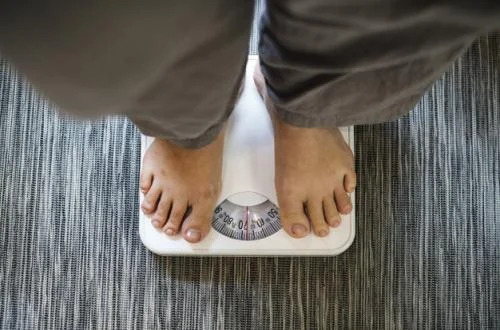
Maintaining a healthy weight becomes an increasingly complex challenge as individuals cross the threshold of 50 years old, a phenomenon driven by a combination of physiological, hormonal, and lifestyle shifts. According to Dr. Caroline Apovian, a weight loss specialist at Boston University Medical Center, the propensity for weight gain in this demographic is primarily rooted in two significant factors: a marked decline in physical activity and the progressive loss of muscle mass, known medically as sarcopenia. While the biological deck may seem stacked against those in their middle years, medical experts emphasize that weight gain is not an inevitable byproduct of aging, provided that strategic interventions in exercise, nutrition, and lifestyle are implemented with consistency.
The Biological Foundation of Midlife Weight Gain
The transition into the fifties often coincides with a period where the body’s metabolic efficiency begins to wane. Research indicates that after the age of 30, adults lose between 3% and 8% of their muscle mass per decade, a rate that frequently accelerates after age 60. Because muscle tissue is more metabolically active than fat tissue—meaning it burns more calories at rest—the loss of this lean mass leads to a lower basal metabolic rate (BMR). Consequently, if an individual maintains the same caloric intake they had in their thirties while their BMR drops, weight gain becomes a mathematical certainty.
Dr. Apovian further highlights that beyond muscle loss, changes in metabolism and sleep patterns play critical roles. For many, the fifties represent a period of significant hormonal fluctuation. In women, the onset of menopause leads to a sharp decline in estrogen, which is often associated with an increase in visceral fat—the dangerous "deep" fat stored around abdominal organs. In men, a gradual decline in testosterone can contribute to reduced muscle synthesis and increased lethargy. These internal shifts are frequently compounded by external factors, such as the increased prevalence of insomnia or sleep apnea, which disrupt the body’s hunger hormones, ghrelin and leptin, leading to increased cravings for high-calorie, processed foods.
A Chronology of Physical Decline and the Sedentary Trap
The trajectory of weight gain in the over-50 demographic often follows a predictable chronology. In the decades preceding 50, many individuals experience a slow but steady accumulation of "creeping obesity," where small annual weight gains go unnoticed until they reach a tipping point. By age 50, the cumulative effects of a sedentary career, decreased recreational movement, and the natural aging of joints often lead to a reduction in the intensity and frequency of exercise.
As physical activity drops, the body’s ability to manage glucose becomes less efficient, increasing the risk of insulin resistance. This creates a feedback loop where the individual feels more fatigued, leading to even less activity and further muscle atrophy. Breaking this cycle requires a multi-faceted approach that prioritizes joint preservation while maximizing metabolic output.
The Efficacy of Low-Impact Physical Activity
To combat the physiological hurdles of aging, fitness experts such as personal trainer Tyler Read advocate for a shift toward low-impact activities. For many individuals over 50, high-impact exercises like long-distance running or heavy plyometrics may pose a risk to bone density and joint integrity, particularly in the knees and hips. Low-impact alternatives—such as walking, swimming, cycling, rowing, Tai Chi, and yoga—offer a sustainable path to cardiovascular health without the inflammatory stress associated with high-impact sports.
According to data from health resources like WebMD, regular low-impact exercise provides a spectrum of benefits that extend beyond simple calorie burning. These include improved blood circulation, a significant reduction in the risk of falls and related injuries, and the preservation of existing muscle mass. Furthermore, activities like Tai Chi and yoga incorporate balance and flexibility training, which are essential components of "functional fitness," allowing older adults to maintain independence and a high quality of life. Read notes that for many, the key to success is consistency over intensity; low-impact movement performed daily is more effective for long-term weight management than sporadic, high-intensity efforts that lead to injury.
Resistance Training: The Metabolic Engine
While cardiovascular health is vital, the scientific community increasingly points to resistance training as the most effective tool for reversing age-related metabolic slowdown. A study published in the journal Current Sports Medicine Reports suggests that resistance training is uniquely capable of reducing visceral fat and improving motor control. By stressing the muscles through weightlifting, resistance bands, or bodyweight exercises, individuals can stimulate muscle protein synthesis, effectively slowing or even reversing sarcopenia.
Increased muscle mass acts as a "metabolic furnace," raising the BMR and allowing the body to process calories more efficiently even during periods of rest. Moreover, resistance training has been shown to improve bone mineral density, which is crucial for preventing osteoporosis in post-menopausal women and aging men. Experts recommend at least two to three sessions of strength training per week, focusing on major muscle groups to maximize the systemic metabolic benefit.
Nutritional Paradigms and the Caloric Deficit
Exercise alone is rarely sufficient to manage weight after 50; it must be paired with a rigorous and scientifically backed nutritional strategy. Modern dietary science offers several frameworks that are particularly beneficial for aging populations, most notably the Mediterranean Diet and the Dietary Approaches to Stop Hypertension (DASH) diet.
The Mediterranean diet, characterized by high consumption of healthy fats (such as olive oil and nuts), lean proteins (fish and poultry), and a vast array of fruits, vegetables, and whole grains, has been linked to lower rates of cardiovascular disease and cognitive decline. Similarly, the DASH diet focuses on reducing sodium intake and increasing minerals like potassium and magnesium to manage blood pressure. Both diets emphasize nutrient density over caloric density, which is vital when the body’s caloric requirements begin to decrease.
The fundamental principle of weight loss remains the caloric deficit. Tyler Read emphasizes that regardless of the specific diet chosen, success depends on consuming fewer calories than the body expends. However, in the over-50 demographic, this deficit must be managed carefully. Excessive caloric restriction can lead to further muscle loss and nutrient deficiencies. Therefore, a high-protein intake is often recommended to support muscle maintenance while the body is in a deficit.
Broader Implications for Public Health and Longevity
The challenge of managing weight after 50 is not merely a matter of aesthetics; it is a critical public health issue. As the global population ages—a demographic shift often referred to as the "Silver Tsunami"—the prevalence of age-related obesity threatens to overwhelm healthcare systems. Obesity in older age is a primary driver of chronic conditions such as Type 2 diabetes, cardiovascular disease, and certain types of cancer.
Furthermore, the economic implications are significant. Higher rates of obesity lead to increased healthcare spending on chronic disease management and a potential loss of productivity among the "young-old" workforce. From a societal perspective, encouraging healthy aging through weight management can reduce the burden on caregivers and improve the overall wellbeing of the community.
Analysis of current trends suggests that the integration of technology, such as wearable fitness trackers and tele-health nutritional coaching, will play an increasingly important role in helping the over-50 population stay on track. These tools provide real-time data on activity levels and caloric expenditure, offering the accountability necessary to maintain new habits.
Conclusion: A Proactive Path Forward
The evidence provided by Dr. Apovian and other health professionals underscores a clear reality: while the biological environment changes after age 50, the tools for maintaining a healthy weight remain accessible. The combination of low-impact cardiovascular movement, consistent resistance training, and a nutrient-dense, calorie-controlled diet forms a powerful triad against the metabolic slowdown of aging.
By understanding the underlying mechanisms of muscle loss and hormonal shifts, individuals can move away from "fad" solutions and toward sustainable, science-based lifestyle changes. The goal of weight management in midlife is not just the reduction of a number on a scale, but the enhancement of metabolic health, the preservation of physical autonomy, and the extension of a healthy, active lifespan. As the medical community continues to refine its understanding of the aging process, the emphasis remains on early intervention and the adoption of a holistic approach to wellness that addresses the body’s changing needs in its second half-century.