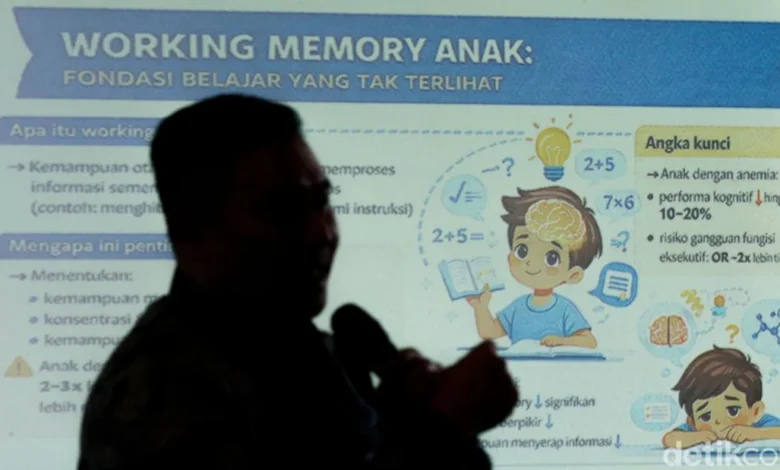
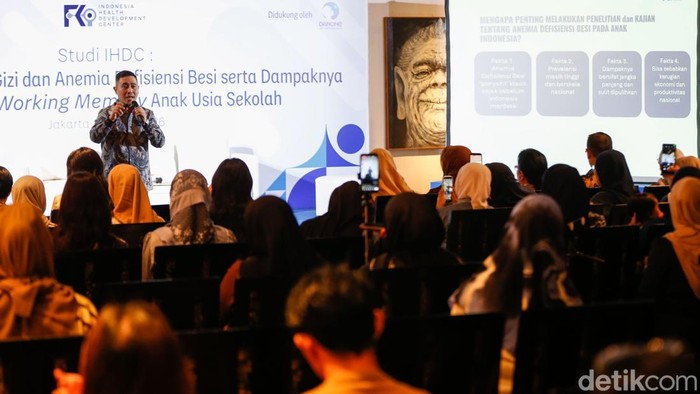
The persistence of stunting and anemia remains a formidable obstacle in Indonesia’s pursuit of high-quality human capital, as these conditions continue to compromise not only physical growth but also the fundamental cognitive faculties of the nation’s youth. On Wednesday, April 15, 2026, health experts and policymakers gathered in Jakarta to address a growing body of evidence suggesting that nutritional deficiencies are creating a "silent crisis" in classrooms across the archipelago. The Indonesia Health Development Center (IHDC) presented findings that underscore a critical link between low hemoglobin levels and the degradation of "working memory," a vital component of the brain’s ability to process and retain information in real-time.
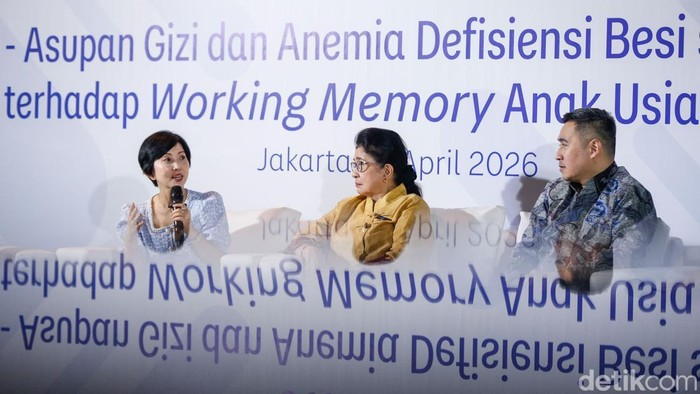
Professor Nila Djuwita F. Moeloek, Chairperson of the IHDC Board of Trustees and former Minister of Health, emphasized during the presentation that the impact of these health issues extends far beyond the clinical setting. According to Prof. Moeloek, the prevalence of iron deficiency anemia among school-aged children in Indonesia is estimated to range between 20 and 40 percent. This statistic is particularly alarming because it targets children during their most formative years of formal education, potentially handicapping a significant portion of the future workforce before they reach adulthood.
The IHDC Study: A Microcosm of a National Challenge
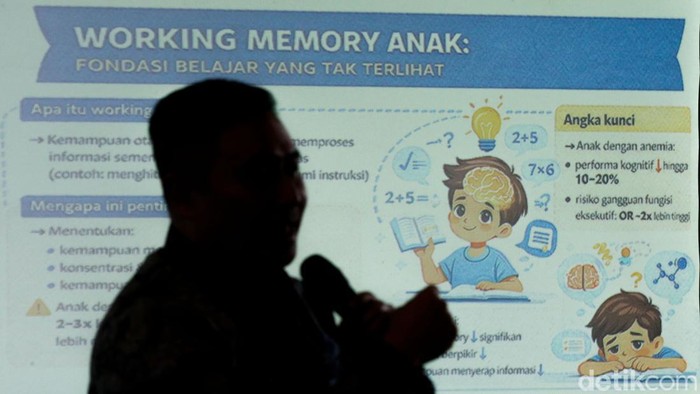
The latest data from an IHDC study involving approximately 335 elementary school students in Jakarta provides a stark look at the correlation between nutrition and cognitive performance. The research revealed that 19.7 percent of the children surveyed were suffering from anemia. More tellingly, 22.1 percent of the total group exhibited significant difficulties in working memory tasks. The study found a direct statistical relationship: children with lower hemoglobin levels consistently performed worse on tests designed to measure short-term information processing and task completion.
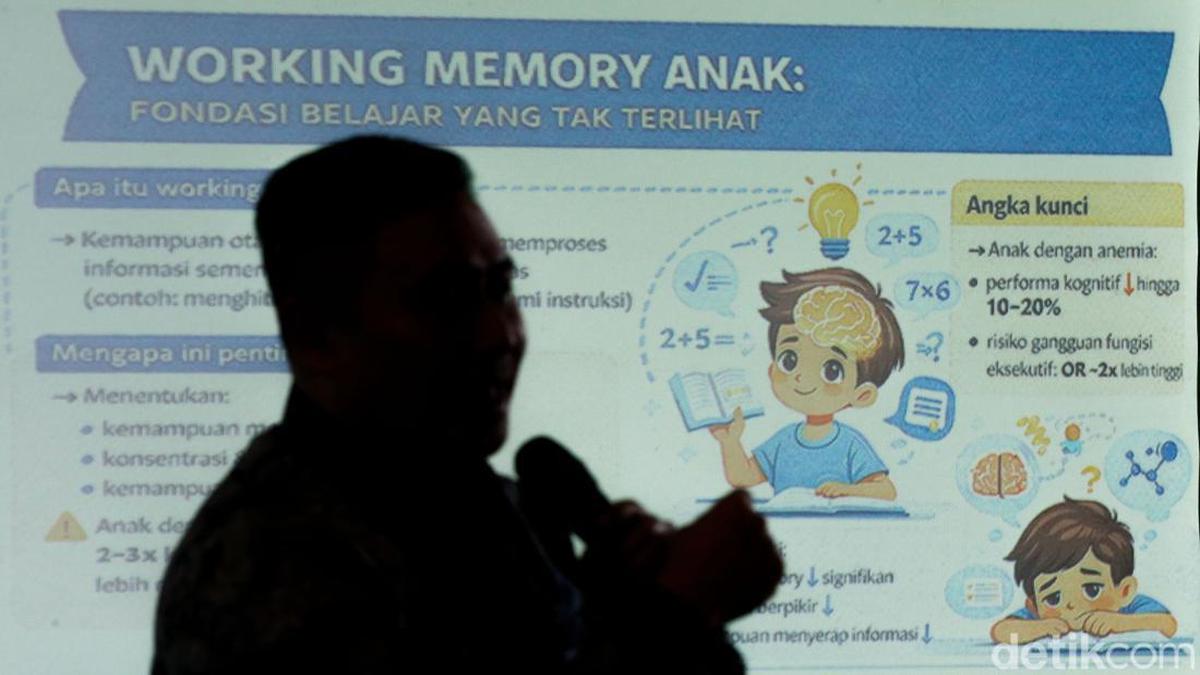
Working memory is often described by neuroscientists as the "mental workspace" of the brain. It allows a child to hold a teacher’s instructions in mind while simultaneously executing a task, such as solving a multi-step math problem or synthesizing a paragraph of text. When this function is impaired due to nutritional deficits like iron deficiency, children find it increasingly difficult to concentrate, leading to a decline in academic performance and a potential increase in school dropout rates.
The Biological Link Between Nutrition and Cognition
The physiological impact of anemia on the brain is well-documented but often overlooked in general public discourse. Iron is a crucial component in the production of hemoglobin, the protein in red blood cells responsible for carrying oxygen to tissues, including the brain. Furthermore, iron plays a pivotal role in the development of myelin—the protective sheath around nerve fibers that facilitates rapid signal transmission—and the synthesis of neurotransmitters such as dopamine and serotonin, which regulate mood, focus, and learning.
When a child suffers from chronic iron deficiency, the brain essentially operates on a "low power mode." The lack of adequate oxygenation and neurochemical support means that the prefrontal cortex, the area responsible for executive functions like working memory, cannot operate at peak efficiency. This creates a cumulative disadvantage; a child who cannot focus today will miss the foundational concepts needed for tomorrow’s lessons, leading to a permanent gap in their cognitive development.
Stunting and the "Double Burden" of Malnutrition
While anemia represents an acute nutritional challenge, it is frequently found in tandem with stunting—a condition of impaired growth and development that children experience from poor nutrition, repeated infection, and inadequate psychosocial stimulation. Although Indonesia has made strides in reducing stunting rates over the past decade, the 2026 data suggests that the "last mile" of eradication is proving difficult.
Stunting is not merely a matter of height; it is a marker for stunted brain development. Children who are stunted are more likely to suffer from anemia, creating a "double burden" that severely limits their potential. The IHDC highlights that while the government’s focus has traditionally been on the "First 1,000 Days of Life" (from conception to age two), the nutritional needs of school-aged children are equally critical to ensure that the gains made in infancy are not lost during the transition to adolescence.
The Economic Implications for Indonesia Emas 2045
The implications of these health challenges extend to the highest levels of national planning. Indonesia has set a goal to become one of the world’s top five economies by its centennial in 2045, a vision known as "Indonesia Emas" (Golden Indonesia). However, economists warn that this demographic dividend could turn into a demographic burden if a large percentage of the population enters the workforce with cognitive impairments.
Analysis suggests that the loss of productivity due to stunting and anemia can cost the national economy billions of dollars annually in lost GDP. A workforce that lacks the ability to engage in complex problem-solving or rapid learning—skills driven by robust working memory—will struggle to compete in a global economy increasingly dominated by technology and automation.
Strategic Interventions and Multi-Sectoral Collaboration
Addressing the crisis requires a shift from fragmented health programs to a holistic, multi-sectoral approach. The IHDC emphasizes that the government cannot solve this issue in isolation. Prof. Moeloek called for strengthened collaboration between the public sector, academia, and private enterprises.
One notable example of such collaboration is the involvement of Danone Indonesia, which has partnered with various health organizations to support nutrition education and preventive programs. Such private-sector initiatives are essential for scaling up interventions, such as the fortification of staple foods with iron and vitamins, and the implementation of school-based feeding programs that provide balanced meals containing high-quality animal protein and micronutrients.
The Crucial Role of Family and School Environments
Beyond high-level policy and corporate social responsibility, the front lines of this battle are the home and the classroom. The IHDC study noted that many parents are unaware that their child’s lack of focus or poor grades may be rooted in biology rather than behavior. There is a pervasive lack of awareness regarding the importance of "hidden hunger"—a state where a child may be consuming enough calories but is starved of essential micronutrients.
Educating families on the importance of diverse diets—rich in red meat, poultry, fish, and leafy greens—is a primary objective for health workers. Schools, too, must play a role by integrating health screenings into their regular schedules. Identifying anemic children early through simple hemoglobin tests could allow for rapid intervention with iron supplementation, potentially reversing cognitive decline before it becomes permanent.
Chronology of National Efforts and Future Outlook
The current challenges in 2026 follow a decade of intensive policy focus. In 2018, the Indonesian government launched the National Strategy to Accelerate Stunting Prevention (Stranas Stunting). By 2024, the target was to reduce stunting to 14 percent. While progress was made, the emergence of the IHDC’s 2026 findings suggests that the focus must now broaden to include the "middle childhood" years.
As Indonesia moves toward the latter half of the decade, the emphasis is shifting toward a life-cycle approach to nutrition. This includes:
- Pre-conception care: Ensuring adolescent girls are not anemic before they become mothers.
- Early childhood intervention: Maintaining the focus on the first 1,000 days.
- School-age support: Implementing mandatory nutritional standards for school canteens and expanding the coverage of iron-folic acid supplementation for students.
Conclusion: A Call to Action for the Nation’s Future
The findings presented by the Indonesia Health Development Center serve as a sobering reminder that the journey toward a healthy, prosperous nation is far from over. The link between stunting, anemia, and cognitive impairment is an existential threat to the "Golden Generation" of 2045.
"We cannot afford to wait," Prof. Moeloek stated in her concluding remarks. "Every day that a child spends in a state of nutritional deficiency is a day where a part of their potential is lost forever. We must act with a sense of urgency that matches the scale of this challenge."
The path forward requires a renewed commitment to nutritional equity. By ensuring that every child, regardless of their socioeconomic background, has access to the nutrients required for brain development, Indonesia can ensure that its future leaders, innovators, and workers are equipped with the mental acuity necessary to lead the nation on the global stage. The cost of intervention is high, but the cost of inaction—measured in lost potential and diminished lives—is infinitely higher.