Sandiaga Uno Champions Green Economy as Catalyst for Indonesia’s Sustainable Future

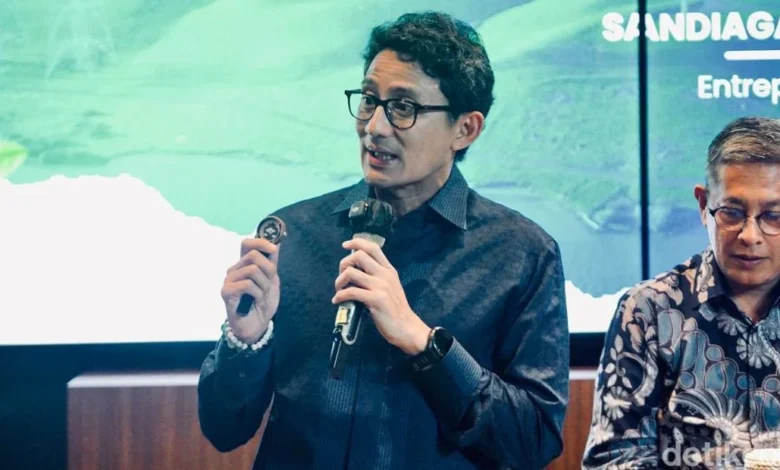
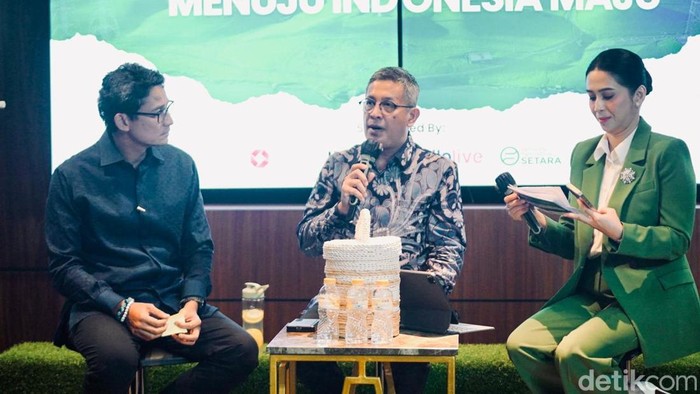
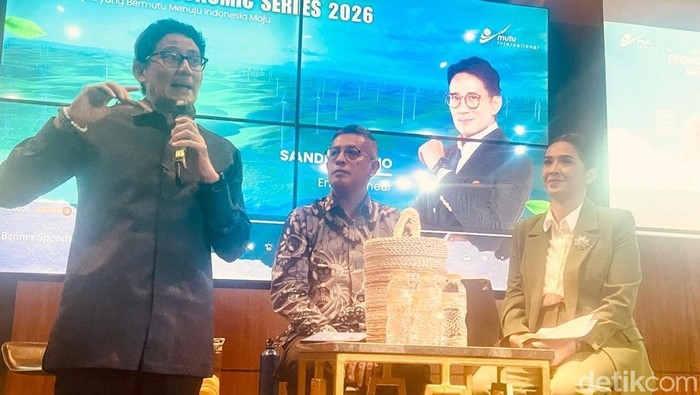
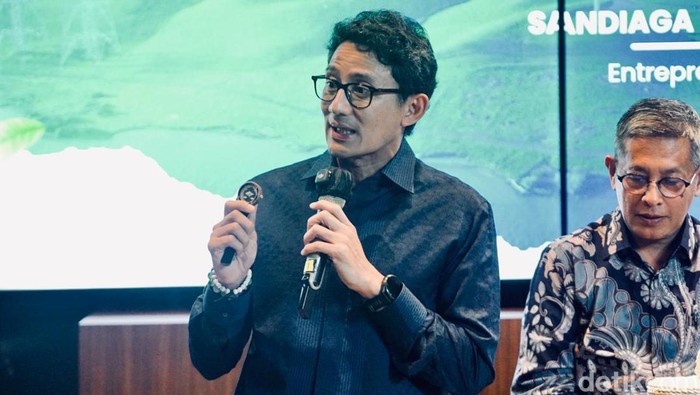
Jakarta, Indonesia – The green economy is rapidly solidifying its position as a pivotal framework for Indonesia’s development trajectory. Prominent entrepreneur and public figure, Sandiaga Uno, has emphatically articulated his belief that this innovative concept holds immense potential to serve as the primary engine driving Indonesia towards its vision of "Indonesia Maju" (Advanced Indonesia), ensuring a future that is both prosperous and inherently sustainable. His remarks, delivered during the esteemed MUTU Green Economic Series 2026 discussion panel in Jakarta on Wednesday, April 15, 2026, underscored a growing national consensus on the urgency and opportunity presented by a shift towards environmentally conscious economic practices.
The Promise of a Green Indonesia
Sandiaga Uno’s address, delivered to an audience of policymakers, industry leaders, academics, and environmental advocates, highlighted the multifaceted benefits of embedding green principles into the national economic fabric. He asserted that the green economy transcends mere environmental stewardship; it is a holistic approach designed to foster robust economic growth while simultaneously safeguarding the environment and creating a new generation of employment opportunities, famously termed "green jobs." This perspective frames climate change not solely as a threat, but as a catalyst for transformative economic opportunities, particularly when supported by a robust ecosystem of innovation, accessible green financing, and progressive policy reforms.
Indonesia, with its vast archipelago, abundant natural resources, and unparalleled biodiversity, stands at a critical juncture. The nation’s strategic geographical position within Asia, a region increasingly recognized as a hotbed for sustainable development initiatives, further amplifies its potential. Sandiaga Uno emphasized that this wealth of natural capital, if managed judiciously through green economic principles, can be leveraged to generate sustainable economic growth that is inherently resilient and environmentally responsible. The transition is not just an option but a strategic imperative to secure long-term prosperity and global competitiveness.
Global Imperative, Local Opportunity
The global push towards a green economy is driven by an escalating awareness of climate change, resource depletion, and the need for more equitable development models. International agreements such as the Paris Agreement have set ambitious targets for greenhouse gas emission reductions, prompting nations worldwide to re-evaluate their economic strategies. Indonesia, as a signatory to these agreements and a nation acutely vulnerable to the impacts of climate change, has increasingly aligned its national development plans with sustainable goals. The "Indonesia Maju" vision, targeting 2045 as the centennial of its independence, explicitly integrates sustainability as a core pillar, recognizing that economic advancement cannot be decoupled from environmental health.
This global imperative creates a fertile ground for domestic innovation. The concept of the green economy, as championed by Sandiaga Uno, encourages a paradigm shift from a linear "take-make-dispose" model to a circular one that prioritizes resource efficiency, waste reduction, and renewable energy adoption. This not only mitigates environmental degradation but also unlocks new markets, fosters technological advancements, and strengthens economic resilience against future shocks, whether they are environmental, social, or economic.
Pillars of Green Growth: Key Sectors and Innovations
The scope of the green economy in Indonesia is expansive, touching upon critical sectors that form the bedrock of its national economy. Sandiaga Uno elaborated on several key areas ripe for green transformation:
-
Renewable Energy: Indonesia possesses immense untapped potential in renewable energy sources, including geothermal, hydro, solar, wind, and bioenergy. The government’s ambitious targets to increase the share of renewable energy in the national energy mix necessitate significant investment and technological transfer. Shifting away from fossil fuels not only reduces carbon emissions but also enhances energy security and creates new industries and jobs in manufacturing, installation, and maintenance of green energy infrastructure. Current data from the Ministry of Energy and Mineral Resources indicates that while renewable energy capacity is growing, there is still substantial room for acceleration to meet the 23% target by 2025, with discussions ongoing to revise and extend these targets towards net-zero by 2060 or sooner.
-
Sustainable Waste Management: With rapid urbanization and population growth, waste management poses a significant environmental and public health challenge. The green economy promotes circular economy principles, focusing on reducing, reusing, recycling, and recovering resources from waste. This includes developing waste-to-energy facilities, composting organic waste, and establishing robust recycling industries. Such initiatives not only clean up the environment but also create value from waste streams, fostering local enterprises and green jobs in collection, processing, and product development.
-
Sustainable Forestry and Agriculture: Indonesia is home to vast rainforests and is a major producer of agricultural commodities. Sustainable practices in forestry, such as responsible logging, reforestation, and combating deforestation, are crucial for carbon sequestration and biodiversity preservation. In agriculture, adopting sustainable farming methods, reducing chemical inputs, and promoting organic farming can enhance food security, improve soil health, and provide higher-value products for both domestic and international markets. The Ministry of Environment and Forestry has been actively promoting social forestry programs and sustainable forest management units (KPH) to empower local communities while preserving natural resources.
-
Carbon Economy and Carbon Market: The emergence and rapid growth of Indonesia’s carbon market represent a monumental opportunity. As Sandiaga Uno pointed out, transaction volumes have been steadily increasing, signaling a robust appetite for carbon credits. The establishment of IDX Carbon in 2023, a carbon exchange operated by the Indonesia Stock Exchange, provides a structured platform for trading carbon credits, allowing companies to monetize emission reductions and driving investments into low-carbon projects. This market mechanism is vital for achieving national emission reduction targets and positioning Indonesia as a key player in the global carbon trading landscape. The potential for revenue generation from carbon sequestration in forests and peatlands alone is estimated to be substantial, attracting international investors seeking credible carbon offsets.
Policy Framework and Financing Mechanisms

The successful implementation of the green economy requires a supportive policy environment and innovative financing mechanisms. The Indonesian government has progressively introduced policies aimed at accelerating this transition. These include:
- National Green Economy Roadmap: Developed by Bappenas (National Development Planning Agency), this roadmap outlines strategic priorities, targets, and action plans across various sectors to integrate green principles into national development.
- Sustainable Finance Initiative: The Financial Services Authority (OJK) has been instrumental in developing a sustainable finance roadmap, encouraging financial institutions to incorporate environmental, social, and governance (ESG) criteria into their lending and investment decisions. This has led to an increase in green bonds, green sukuk, and other sustainable financial products.
- Investment Incentives: The government has provided various incentives, such as tax holidays, tax allowances, and import duty exemptions, for investments in renewable energy, waste management, and other green technologies.
- Regulatory Framework for Carbon Pricing: Beyond the carbon exchange, the government is also exploring other carbon pricing mechanisms, including carbon taxes, to create stronger economic incentives for emission reductions.
Green financing is particularly crucial. Multilateral development banks, such as the World Bank and Asian Development Bank, along with various international climate funds, are increasingly channeling funds towards green projects in developing countries like Indonesia. Domestically, the growth of green bonds and sukuk demonstrates a rising interest from investors seeking to align their portfolios with sustainability goals, providing critical capital for green infrastructure and innovations.
The Journey to Net-Zero and Beyond: A Chronology of Commitment
Indonesia’s commitment to environmental sustainability and a green economy has evolved over decades, culminating in its current ambitious targets:
- 1992 Rio Earth Summit: Indonesia was an early participant in global environmental dialogues, recognizing the need for sustainable development.
- 1997 Kyoto Protocol: While a developing nation, Indonesia engaged with international efforts to reduce greenhouse gas emissions.
- 2009 National Action Plan for GHG Emission Reduction (RAN-GRK): An early domestic commitment to address climate change.
- 2015 Paris Agreement: A landmark moment where Indonesia formally committed to reducing its greenhouse gas emissions by 29% independently and up to 41% with international support by 2030, based on a business-as-usual scenario. This commitment was formalized in its Nationally Determined Contribution (NDC).
- 2021 Glasgow Climate Pact (COP26): Indonesia reiterated its commitment and began to explore pathways to achieve net-zero emissions by 2060 or sooner, signaling a long-term strategic shift.
- 2022 G20 Presidency: Indonesia used its presidency to champion sustainable finance and green transition initiatives, further elevating the issue on the global stage.
- 2023 Launch of IDX Carbon: A significant milestone, establishing a formal carbon trading platform.
- April 15, 2026, MUTU Green Economic Series: Sandiaga Uno’s impassioned advocacy, reinforcing the national drive towards a green economy as an accelerator for “Indonesia Maju.” This event serves as a timely reminder of the continuous effort required to maintain momentum and translate policy into tangible impact.
This chronology illustrates a consistent, albeit evolving, national commitment to sustainability, with the green economy now taking center stage as the primary strategic approach.
Economic Dividends and Social Equity
Studies conducted by various national and international institutions, including Bappenas, the World Bank, and the United Nations Development Programme (UNDP), consistently underscore the immense economic potential of Indonesia’s green transformation. Projections suggest that the total economic value generated by the green economy could reach thousands of trillions of rupiah in the long term. This staggering figure reflects the vast opportunities across renewable energy deployment, sustainable land use, waste-to-resource industries, and the burgeoning carbon market.
Beyond macroeconomic indicators, the green economy is also a powerful tool for fostering social equity. The creation of "green jobs" spans a wide spectrum, from highly skilled positions in research and development of renewable technologies to vocational roles in waste sorting, recycling, and sustainable agriculture. These jobs often provide stable employment, contribute to local economies, and can help uplift marginalized communities. Furthermore, by addressing environmental degradation, the green economy directly improves public health outcomes and enhances the quality of life for all citizens, particularly those in vulnerable communities disproportionately affected by pollution and climate change impacts.
Challenges and the Path Forward
Despite the undeniable potential, the transition to a fully-fledged green economy in Indonesia is not without its challenges. These include:
- Financing Gap: While green finance is growing, the sheer scale of investment required for a comprehensive transformation remains substantial.
- Technological Adoption: Bridging the gap in green technology transfer and local innovation capacity.
- Regulatory Harmonization: Ensuring that policies across different sectors and levels of government are coherent and mutually reinforcing.
- Human Capital Development: Training and upskilling the workforce to meet the demands of green industries.
- Public Awareness and Behavioral Change: Fostering a broader understanding and adoption of sustainable practices among consumers and businesses.
Sandiaga Uno’s message at the MUTU Green Economic Series 2026 resonated with the need for strong political will, continued innovation, and robust public-private partnerships. He emphasized that the "momentum of transition" is now stronger than ever, and Indonesia must seize this opportunity optimally. Collaborative efforts across government agencies, the private sector, civil society organizations, and academic institutions are paramount. Such collaboration is the key to overcoming challenges and ensuring that the green economy serves as the enduring foundation for Indonesia’s long-term, sustainable development. The vision of "Indonesia Maju" is intrinsically linked to its ability to harness this green potential, securing a prosperous and resilient future for generations to come.