The Heartbeat of Guangzhou’s Trade
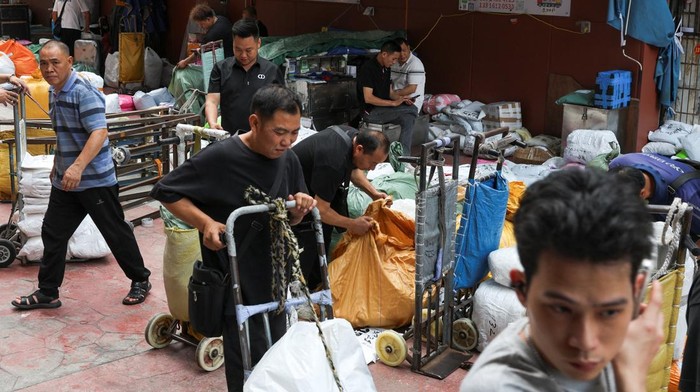
The images depict a microcosm of Guangzhou’s vast economic landscape, where countless businesses converge to facilitate the movement of goods, primarily textiles and apparel, across domestic and international markets. In one frame, workers meticulously arrange merchandise in a shoe shop, catering to a steady stream of buyers. Elsewhere, logistics personnel are seen navigating crowded pathways, expertly moving large sacks of clothing on handcarts, a testament to the efficient yet labor-intensive distribution network that underpins this sector. This constant flow of goods and people highlights the market’s dynamic nature, a place where transactions happen at a rapid pace, fueling countless supply chains.
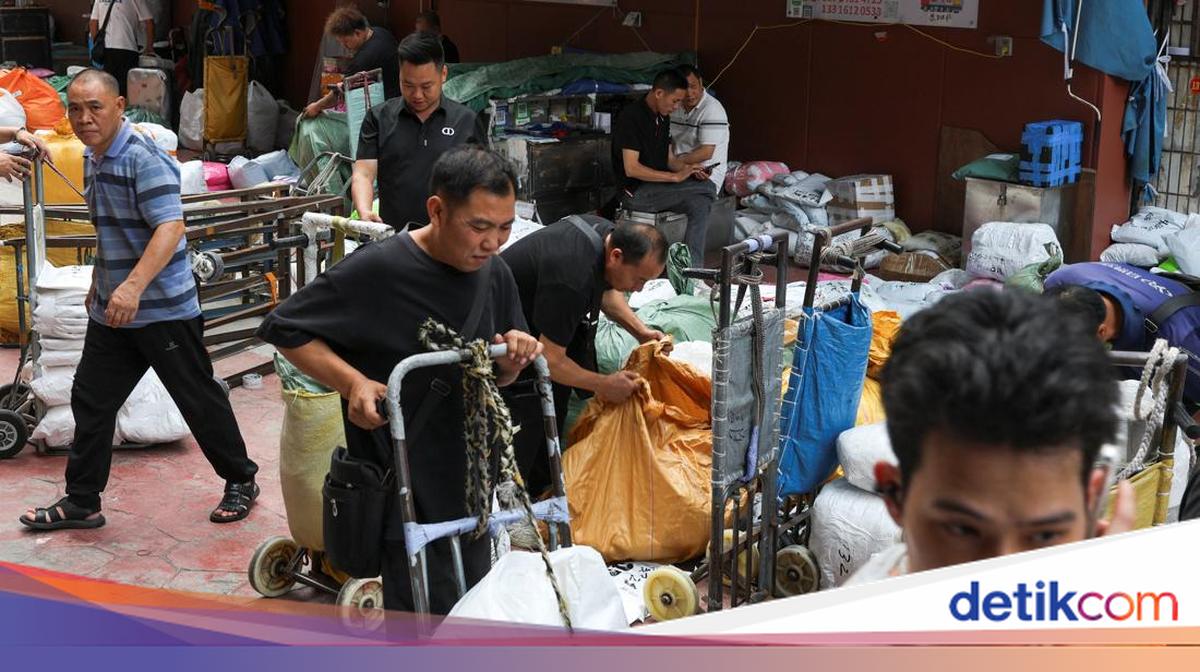
The wholesale district is not merely a collection of shops; it is a complex ecosystem where every component, from the smallest vendor to the largest distributor, plays a vital role. The activity observed on April 15, 2026, was a typical representation of the daily grind, demonstrating the sheer volume of goods handled and the continuous efforts required to keep the supply chain moving. The sight of individuals pulling heavily laden handcarts, often piled high with textiles, is a common occurrence, illustrating the enduring reliance on human labor alongside modern logistics infrastructure to ensure timely delivery and inventory management.
A Historic Nexus of Commerce
Guangzhou’s prominence as a trading hub is deeply rooted in history, dating back to its role as the primary port on the Maritime Silk Road and the site of the Canton Fair (China Import and Export Fair) since 1957. This historical legacy has shaped the city into what it is today: a sprawling metropolis synonymous with manufacturing, sourcing, and wholesale distribution. The wholesale clothing market, in particular, is a direct descendant of this tradition, evolving from smaller bazaars into vast, multi-story complexes that serve as one-stop shops for buyers from around the world.
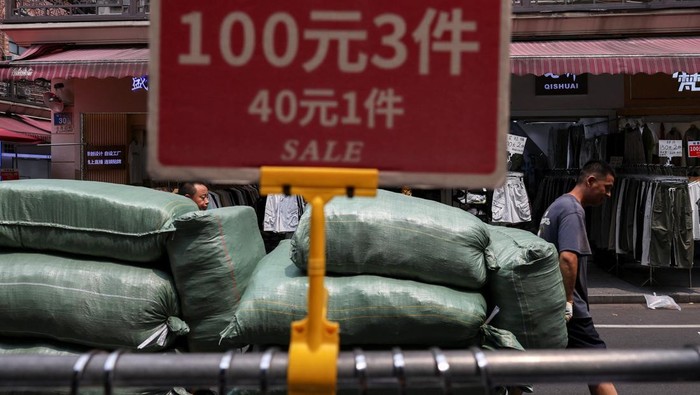
Guangzhou, the capital of Guangdong province, benefits from its strategic geographical location in the Pearl River Delta, one of China’s most economically vibrant regions. This area boasts sophisticated manufacturing capabilities, extensive transportation networks including major ports, airports, and high-speed rail, and a massive labor pool. These factors collectively contribute to the city’s unparalleled capacity to produce, source, and distribute goods efficiently and cost-effectively, making it an indispensable node in global commerce. The wholesale markets serve as crucial intermediaries, connecting factories in the hinterlands with retailers and consumers worldwide.
Economic Engine: Data and Scale
The textile and apparel industry remains a cornerstone of China’s economy, and Guangzhou is at its heart. According to recent economic reports, Guangdong province consistently leads China in terms of GDP and industrial output. While specific figures for the wholesale clothing market itself are often aggregated, the broader textile and apparel sector in China accounts for a significant portion of global production and exports. In 2025, China’s total textile and apparel exports were projected to reach approximately $300 billion, with a substantial portion flowing through major trading hubs like Guangzhou.
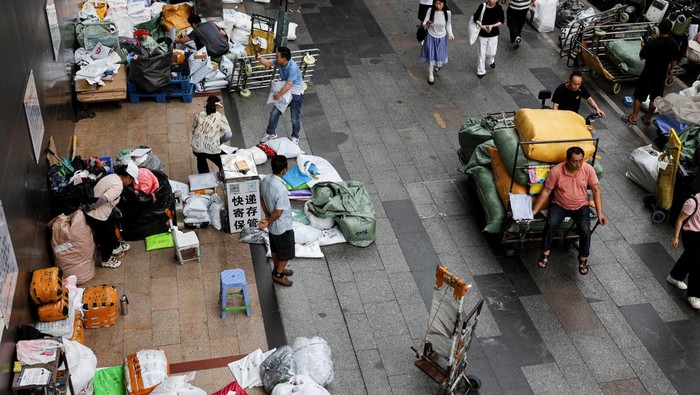
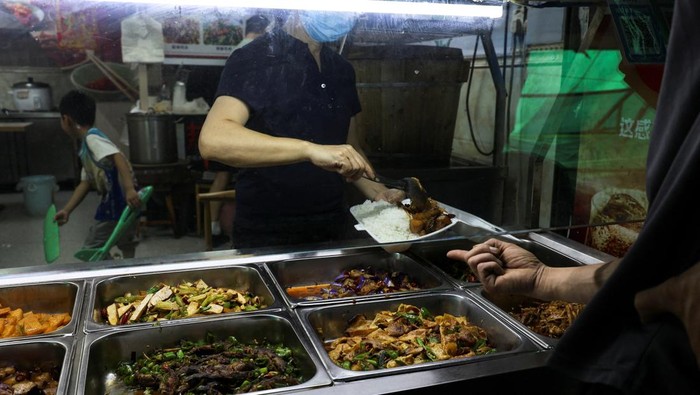
These markets employ millions, directly and indirectly, from factory workers and designers to sales associates, logistics operators, and ancillary service providers like the food vendors seen in the photographs. The sheer scale of operations means that even marginal shifts in global demand or supply chain dynamics can have profound effects on the livelihoods of countless individuals and the profitability of thousands of businesses. The daily turnover in these markets can run into tens of millions of yuan, reflecting the immense economic activity they generate. The continuous investment in infrastructure, including new market complexes and improved logistics facilities, underscores the government’s and private sector’s commitment to maintaining Guangzhou’s competitive edge.
Daily Rhythms and Logistics Lifeline
The observed activities on April 15, 2026, represent a typical operational cycle within these markets. A day often begins before dawn, with trucks arriving from manufacturing hubs across Guangdong and neighboring provinces, offloading fresh inventory. Wholesalers then organize their goods, preparing for the influx of buyers who arrive from late morning onwards. These buyers range from small domestic retailers seeking trendy new designs to international sourcing agents placing large orders for global distribution.
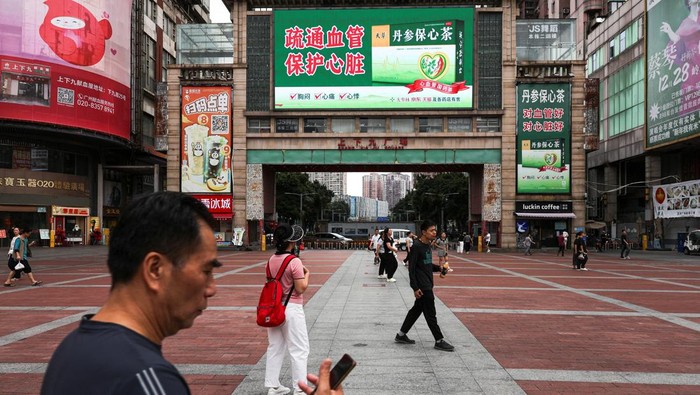
The logistics network is a marvel of coordination. Inside the market, workers move goods manually or with specialized small vehicles to navigate the narrow aisles and crowded plazas. Outside, larger trucks and vans are loaded, ready to transport merchandise to ports, airports, or directly to retail outlets across China. The seamless interaction between different modes of transport and the dedication of the logistics workforce ensure that goods flow continuously, minimizing bottlenecks and maximizing efficiency. The photographs vividly capture this relentless pace, with workers pulling handcarts brimming with products and others diligently serving customers in shoe shops, all contributing to the synchronized rhythm of trade. The presence of food vendors alongside these activities also highlights the self-contained nature of these commercial zones, where all daily needs are met within the bustling environment.
Voices from the Marketplace
While direct statements were not provided, the continuous activity in Guangzhou’s wholesale markets speaks volumes about the collective outlook of its participants. Market operators frequently emphasize the enduring importance of physical marketplaces, despite the rise of e-commerce. They often point to the need for buyers to physically inspect goods, negotiate prices face-to-face, and build long-term relationships, which are crucial in the textile and apparel industry. Small business owners in these markets often highlight their resilience and adaptability, constantly adjusting to changing fashion trends and consumer demands.
Local government officials routinely underscore the markets’ contribution to employment, local GDP, and Guangzhou’s overall global economic standing. They often discuss initiatives to modernize market infrastructure, enhance digital integration for smoother transactions, and support sustainable trade practices. International buyers, who regularly frequent these markets, often praise the variety of products, competitive pricing, and the ability to source goods quickly and efficiently, making Guangzhou an indispensable part of their global supply chains.
Challenges and Adaptations in a Digital Age
Despite their vibrancy, Guangzhou’s wholesale markets face ongoing challenges. The most significant is the accelerating shift towards online retail and e-commerce platforms. Digital marketplaces offer convenience and broader reach, potentially reducing the need for physical visits. In response, many wholesalers in Guangzhou have adapted by establishing their own online storefronts, utilizing live streaming for sales, and integrating digital payment and logistics solutions. The pandemic further accelerated this digital transformation, pushing many traditional businesses to embrace hybrid models.
Furthermore, global economic fluctuations, evolving trade policies, and increasing competition from other manufacturing hubs pose constant pressures. Rising labor costs in China have also led some production to shift to other Asian countries, though Guangzhou’s established infrastructure and expertise continue to give it a significant advantage. The city’s markets are also grappling with issues related to intellectual property rights and the need for greater transparency and ethical sourcing throughout the supply chain. Yet, the persistent hustle observed on April 15, 2026, signifies a resilient and adaptable sector, continually innovating to maintain its relevance in a rapidly changing global economy.
Guangzhou’s Enduring Role
The scenes from Guangzhou’s wholesale clothing market on April 15, 2026, are more than just snapshots of commerce; they are a vivid illustration of a city that has mastered the art of trade. They reveal a deeply ingrained culture of enterprise, supported by an intricate network of logistics and human endeavor. The symbiotic relationship between bustling street activity, sophisticated supply chains, and a robust local economy ensures that Guangzhou remains at the forefront of global trade. As the world continues to evolve, these markets will undoubtedly adapt, leveraging their historical strengths and embracing new technologies to secure their place as a vital engine of commerce for decades to come, continuing to shape fashion, fulfill consumer demands, and drive economic prosperity far beyond China’s borders.